
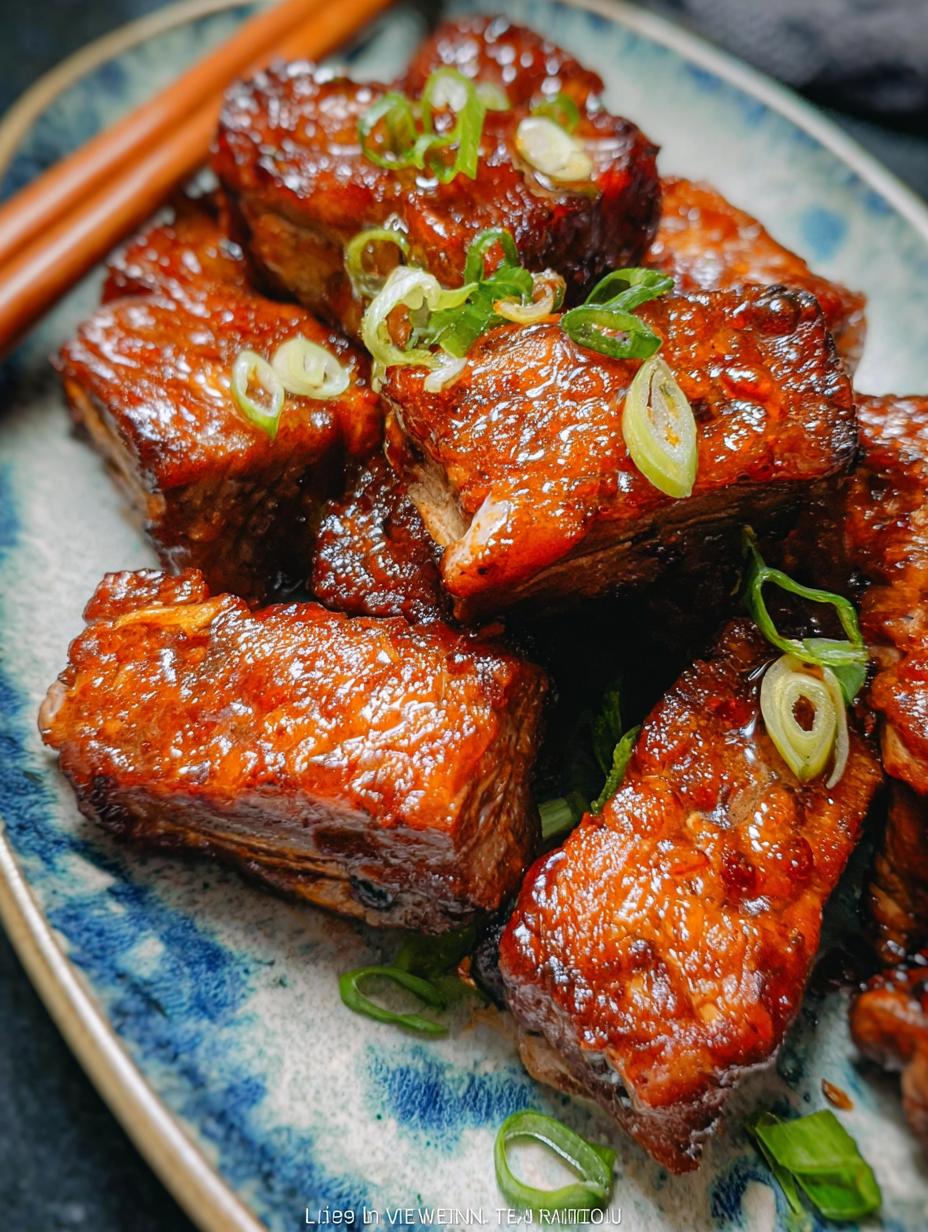
Peking Ribs have been a showstopper at my family gatherings for years, and honestly, they’re easier to make than you might think! I remember the first time I tried making them myself; I was intimidated by the thought of crispy, glossy ribs, but the result was absolutely incredible. The exterior gets wonderfully crisp, giving way to the most tender, juicy pork inside, all coated in a sweet and tangy sauce that just sings. These Chinese ribs are perfect for any occasion, from a casual weeknight treat to a festive appetizer. Let’s get cooking!
Why You’ll Love These Peking Ribs
You’re going to adore this Peking ribs recipe for so many reasons:
- They achieve that perfect Crispy Ribs texture you’re craving.
- The balance of sweet and sour in the glaze is absolutely divine.
- It’s a surprisingly straightforward way to get restaurant-quality ribs at home.
- The marinating time really infuses the pork with deep flavor.
- These make an unforgettable appetizer that guests will rave about.
- You get that delightful contrast between a Crispy Ribs exterior and a tender, juicy inside.
- It’s a fantastic way to impress without spending hours in the kitchen.
Ingredients for Authentic Peking Ribs
Gathering these components is key to achieving that authentic Jing Du Pai Gu flavor and texture. Don’t worry if some sound unfamiliar; they are worth seeking out!
- 1 lb pork ribs – I like to use St. Louis-style ribs for the best meat-to-bone ratio.
- 1 tablespoon Shaoxing wine – This Chinese cooking wine adds a unique depth of flavor that’s hard to replicate.
- 1 tablespoon soy sauce – For that essential savory umami base.
- 1 tablespoon oyster sauce – Adds richness and a subtle sweetness to the marinade.
- 1/2 teaspoon baking soda – This is my secret for tenderizing the ribs and ensuring a melt-in-your-mouth texture.
- 2 tablespoons water – Helps the baking soda activate and distribute evenly.
- 2 tablespoons ketchup – Forms the base of our glossy sweet and sour sauce.
- 2 tablespoons light soy sauce – For color and a lighter salty flavor in the sauce.
- 1 tablespoon distilled vinegar – The tanginess that balances the sweetness.
- 1 tablespoon sugar – To sweeten and help create that beautiful glaze.
- 1 teaspoon cornstarch – To thicken the sauce for that perfect sticky coating.
- 1/2 teaspoon black pepper – Adds a subtle warmth.
- 3 tablespoons cornstarch – For dusting the ribs before frying, creating that signature crisp.
- Vegetable oil (for frying) – You’ll need enough for about 1 inch in your pan.
- 2 cloves garlic, minced – Essential for building aromatic flavor.
- 1 scallion, sliced, white and green parts separated – The whites add flavor during cooking, and the greens are for garnish.
How to Make Crispy Peking Ribs
- Step 1: Marinate the Pork Ribs. In a large bowl, combine the 1 lb pork ribs with the Shaoxing wine, soy sauce, oyster sauce, baking soda, and water. Toss everything together until the ribs are well-coated. Cover the bowl and refrigerate for at least 1 hour, or even better, overnight. This marination is crucial for tenderizing the meat and infusing it with flavor.
- Step 2: Prepare the Sweet and Sour Sauce. While the ribs are marinating, whisk together the ketchup, light soy sauce, distilled vinegar, sugar, 1 teaspoon cornstarch, and black pepper in a medium bowl. Make sure the cornstarch is fully dissolved. Set this mixture aside.
- Step 3: Prepare for Frying. When you’re ready to cook, take the marinated ribs out of the fridge. Drain off and discard any excess liquid that has accumulated. Pat the ribs thoroughly dry with paper towels; this step is super important to prevent dangerous oil splatters and ensure a truly crispy exterior.
- Step 4: First Fry for Tenderness. Place about 1 inch of vegetable oil in a wok or deep frying pan. Heat it over medium-high heat until it reaches 350°F (176°C). Line a baking sheet with a wire rack. Carefully lower the ribs into the hot oil using a spider strainer. Fry for about 2 minutes until they are lightly golden. Remove them and let them drain on the wire rack.
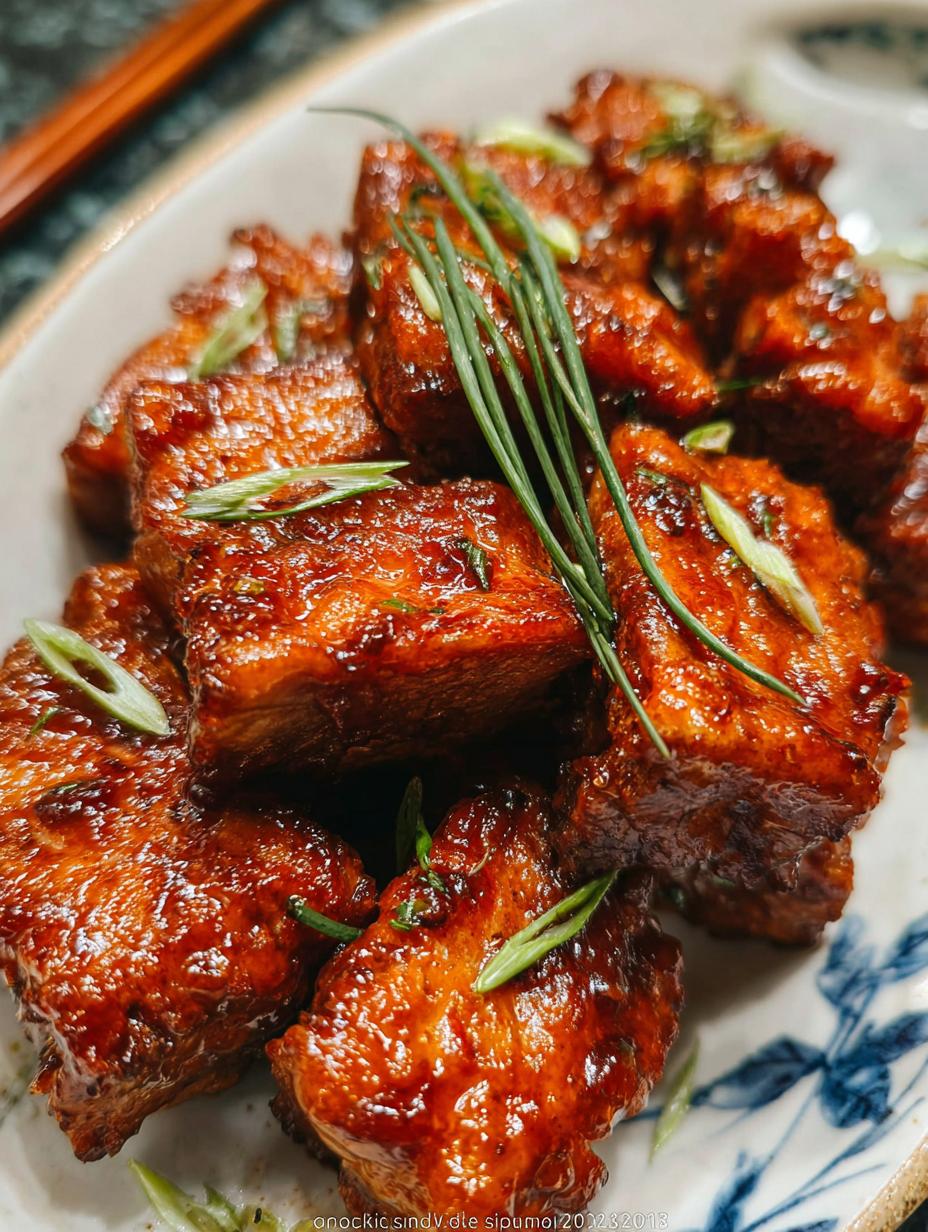
- Step 5: Second Fry for Crispy Perfection. Increase the oil temperature to 375°F (190°C). Carefully return the ribs to the hot oil for a second fry. This quick, hot fry lasts for about 1 minute, creating that irresistible super crispy texture. Again, transfer them to the wire rack to drain off any excess oil.
- Step 6: Glaze and Finish. Heat 2 tablespoons of fresh oil in a large skillet over medium-high heat until shimmering. Add the minced garlic and the white parts of the sliced scallion. Sauté for about 30 seconds until fragrant. Stir the prepared sweet and sour sauce mixture again, then pour it into the skillet. Stir constantly as the sauce quickly thickens. Add the double-fried Peking Ribs back into the skillet and toss them gently to coat each piece evenly in the glossy sauce. Serve these amazing Sweet and Sour Ribs immediately.
Pro Tips for the Best Peking Ribs
I’ve learned a few tricks over the years that elevate these Peking Ribs from good to absolutely unforgettable. Follow these tips for the most amazing results!
- Don’t skip the baking soda in the marinade; it’s a game-changer for tenderizing pork.
- Patting the ribs thoroughly dry before frying is non-negotiable for achieving maximum crispiness and preventing oil splatters.
- Always double-fry the ribs! The first fry cooks them through, and the second, hotter fry creates that perfect crunch.
- Make sure your oil is at the correct temperature before frying for even cooking and the best texture.
What’s the secret to perfectly crispy Peking Ribs?
The secret lies in the double-frying technique and ensuring the ribs are completely dry before they hit the oil. This process guarantees an incredibly crispy exterior that holds up beautifully, even with the glaze. For more on achieving crispy textures, you might find information on the science of crispy fried foods helpful.
Can I make Peking Ribs ahead of time?
You can marinate the ribs up to 24 hours in advance, which actually deepens the flavor. However, I recommend frying and glazing them just before serving for the best crispy texture.
How do I avoid common mistakes with Peking Ribs?
The biggest pitfall is not drying the ribs enough before frying, leading to sogginess and splattering. Also, avoid overcrowding the pan during frying, as this lowers the oil temperature and results in greasy, less crispy ribs.
Serving Suggestions for Peking Ribs
These Peking Ribs are incredibly versatile and shine as both a standalone appetizer and a component of a larger meal. Their sweet and savory profile makes them a crowd-pleaser for any occasion.
For a classic appetizer experience, serve them straight from the wok, garnished with fresh scallion greens. They are perfect for parties and gatherings, offering a bite-sized burst of flavor. You can also pair them with a simple side salad or steamed rice to create a more substantial meal. I love serving them alongside stir-fried vegetables like bok choy or broccoli to balance the richness. They also make a fantastic addition to a Chinese banquet-style meal, complementing dishes like steamed fish or fried rice beautifully.
Nutrition Facts for Peking Ribs
Here’s a look at the estimated nutritional breakdown for these delicious Peking Ribs. Keep in mind that these numbers are approximate and can vary based on exact ingredient measurements and specific cuts of pork ribs used.
- Calories: 362 kcal
- Fat: 10.5 g
- Saturated Fat: 3.1 g
- Protein: 53.2 g
- Carbohydrates: 10.2 g
- Fiber: 0.3 g
- Sugar: 6.2 g
- Sodium: 869 mg
Nutritional values are estimates and may vary based on specific ingredients used.
How to Store and Reheat Peking Ribs
Even though these Peking Ribs are best enjoyed fresh, I know life gets busy! Properly storing and reheating them ensures you can still enjoy that delicious crispy texture later. Once the ribs have cooled completely to room temperature, which usually takes about an hour, transfer them to an airtight container. For refrigeration, they’ll keep well for about 3 to 4 days. If you need to store them for longer, freezing is a great option; wrap them well in plastic wrap and then aluminum foil, and they can last in the freezer for up to 3 months.
Reheating is key to bringing back some of that crispy magic. My favorite method is to pop them in a preheated oven at 375°F (190°C) for about 8-10 minutes, or until heated through and slightly crisped. You can also use an air fryer at 350°F (175°C) for a few minutes. Avoid the microwave if you can, as it tends to make the ribs a bit soft and chewy, losing that delightful crunch.
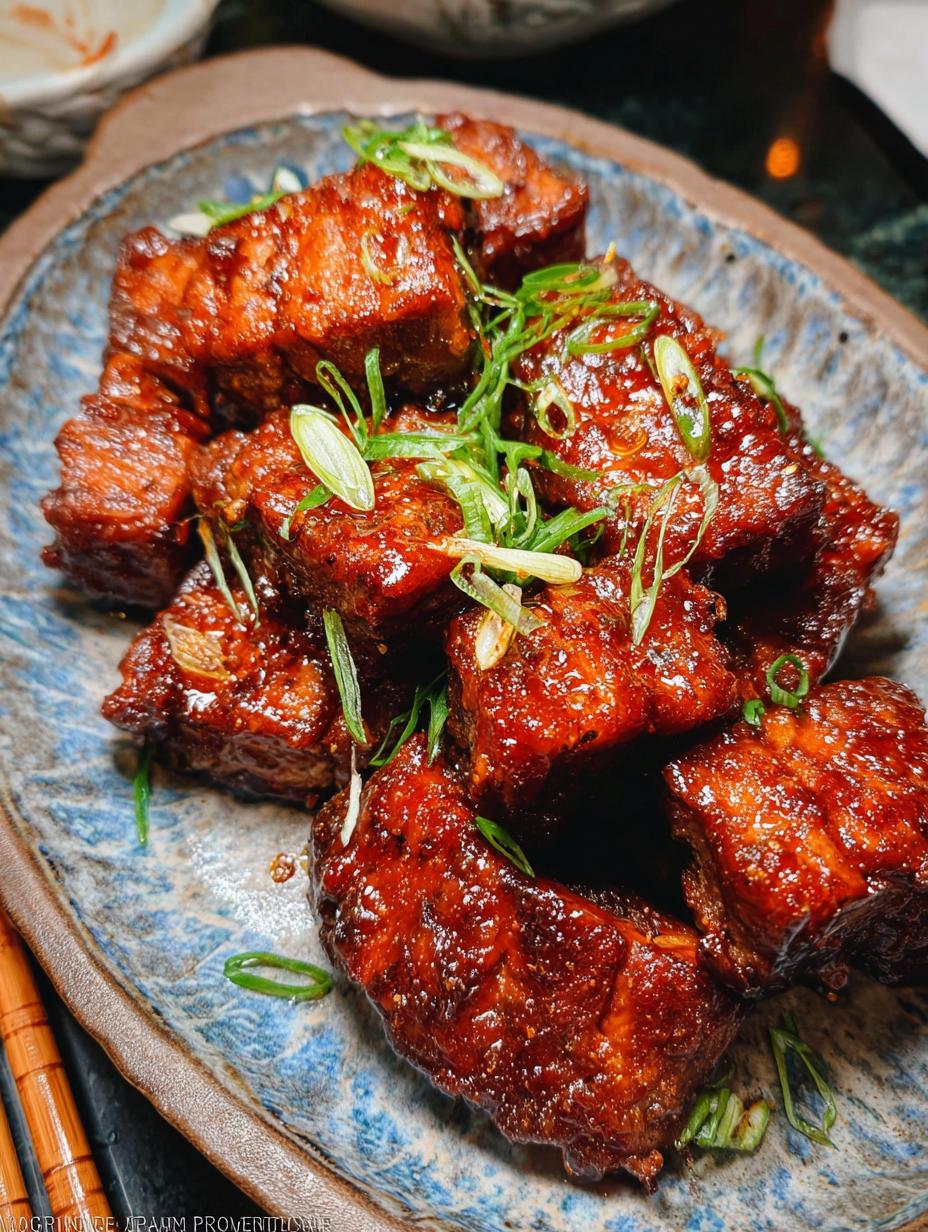
Frequently Asked Questions About Peking Ribs
Can I use a different cut of pork for Peking Ribs?
Absolutely! While pork ribs are traditional, you can experiment with other cuts like pork belly or even chicken wings. Just adjust the cooking time as needed. The key is the marinating process and the double-frying technique for that signature crispiness. For other pork recipes, check out this creamy lemon chicken pasta for a different flavor profile.
What can I serve with Peking Ribs?
These ribs are fantastic as an appetizer, but they also pair beautifully with steamed rice and a side of stir-fried greens like bok choy or gai lan. They also make a great addition to a larger Chinese meal, complementing dishes like noodle soups or dumplings.
Why are my Peking Ribs not crispy?
Several things can cause this! Make sure you’re patting the ribs completely dry after marinating and before frying. Also, ensure your oil is at the correct temperature for both frying stages – too low, and they won’t crisp up. Overcrowding the pan can also lower the oil temperature, hindering crispiness.
Are Peking Ribs spicy?
Traditional Peking Ribs are not typically spicy; they focus on a sweet and savory flavor profile. However, you can easily add a kick! If you enjoy spicy dishes, consider adding a pinch of chili flakes to the sauce or serving them with a spicy chili oil for dipping. You could even try a spicy enoki mushroom side dish alongside them for a flavor contrast.
Variations of Peking Ribs You Can Try
While the classic Peking Ribs are divine, I love experimenting with different twists! If you’re looking for alternatives or want to adapt the recipe, here are a few ideas that I’ve found delicious. You can easily make these your own.
- Vegetarian/Vegan Option: For a delicious plant-based alternative, try using firm tofu or king oyster mushrooms. Marinate and fry them similarly, ensuring they are well-drained. You can even create a Spicy enoki mushroom recipe by coating them in the same sauce after a quick fry, making a wonderful vegetarian appetizer.
- Baked Peking Ribs: If deep-frying isn’t your preference, you can bake these ribs! Marinate as usual, then toss with the 3 tablespoons of cornstarch and bake on a wire rack-lined sheet at 400°F (200°C) for about 25-30 minutes, flipping halfway, until crispy. Then toss with the sauce.
- Spicy Flavor Kick: Craving a bit more heat? Incorporate some spice into the sauce by adding a pinch of red pepper flakes or a tablespoon of your favorite chili paste. This transforms the dish into a spicy Chinese ribs experience. You could also serve it with a side of quick spicy enoki mushrooms for an extra layer of flavor.
Peking Ribs: Amazing Crispy Flavor 1
- Total Time: 2 hours 25 minutes (includes marinating time)
- Yield: 2 to 4 servings 1x
- Diet: Vegetarian
Description
This Peking ribs recipe offers a quick method to prepare incredibly flavorful pork ribs. They are crispy on the exterior, juicy within, and coated in a glossy sweet and sour sauce. Peking ribs, also known as Jing Du Pai Gu, are a classic Chinese dish that balances rich pork flavor with a tangy and sweet sauce. They are a favorite for celebrations and family meals.
Ingredients
- 1 lb pork ribs
- 1 tablespoon Shaoxing wine
- 1 tablespoon soy sauce
- 1 tablespoon oyster sauce
- 1/2 teaspoon baking soda
- 2 tablespoons water
- 2 tablespoons ketchup
- 2 tablespoons light soy sauce
- 1 tablespoon distilled vinegar
- 1 tablespoon sugar
- 1 teaspoon cornstarch
- 1/2 teaspoon black pepper
- 3 tablespoons cornstarch
- Vegetable oil (for frying)
- 2 cloves garlic, minced
- 1 scallion, sliced, white and green parts separated
Instructions
- Combine the pork ribs with the marinating ingredients in a large bowl. Mix well and marinate in the refrigerator for at least 1 hour, or up to overnight.
- Combine the sauce ingredients in a medium bowl.
- When ready to cook, drain off and discard the excess liquid from the marinated pork. Pat dry with paper towels to prevent oil splatter.
- Dust cornstarch onto the pork and mix to coat evenly.
- Heat 1 inch (2.5 cm) of oil in a wok or frying pan over medium-high heat to 350°F (176°C). Line a baking sheet with a wire rack.
- Carefully lower the pork into the oil using a spider strainer. Fry over medium heat for 2 minutes, until golden.
- Transfer pork to the rack to drain off excess oil.
- Heat the oil to 375°F (190°C). Fry the Peking ribs again for 1 minute, until golden.
- Transfer to the wire rack again to drain.
- Heat 2 tablespoons of oil in a large skillet over medium-high heat until shimmering.
- Add the garlic and scallion whites. Turn to medium heat. Cook and stir the aromatics for 30 seconds to release fragrance.
- Stir the sauce again to dissolve the cornstarch completely, pour it into the wok and stir immediately.
- When the sauce thickens, add back the Peking ribs and stir to coat well.
- Transfer everything to a plate and garnish with scallion greens. Serve hot as an appetizer.
Notes
- To make this dish gluten-free: Use dry sherry to replace Shaoxing wine, and use tamari to replace light soy sauce.
- Peking ribs should be served immediately for maximum crispiness.
- If pork ribs turn out tough, it is likely due to overcooking during the frying process. Use fattier ribs for a more tender result.
- This recipe can be doubled by using the sliding scale in the recipe card. Fry in batches if doubling.
- Prep Time: 15 minutes
- Cook Time: 10 minutes
- Category: Appetizer
- Method: Deep Frying
- Cuisine: Chinese
Nutrition
- Serving Size: 1 serving
- Calories: 362 kcal
- Sugar: 6.2 g
- Sodium: 869 mg
- Fat: 10.5 g
- Saturated Fat: 3.1 g
- Carbohydrates: 10.2 g
- Fiber: 0.3 g
- Protein: 53.2 g
- Cholesterol: 146 mg

Written by Chef Anna
I'm Anna - a Le Cordon Bleu-trained chef, recipe developer, and the voice behind Chef Johns Gourmet. After a decade in professional kitchens, I now spend my mornings testing recipes and my afternoons writing them down so you can make them perfectly in your own kitchen. Every one of the 1,100+ recipes on this site has been personally cooked, tasted, and refined. I write like I'm standing next to you, walking you through every step. Simple recipes. Bold flavors. Made for real kitchens.