
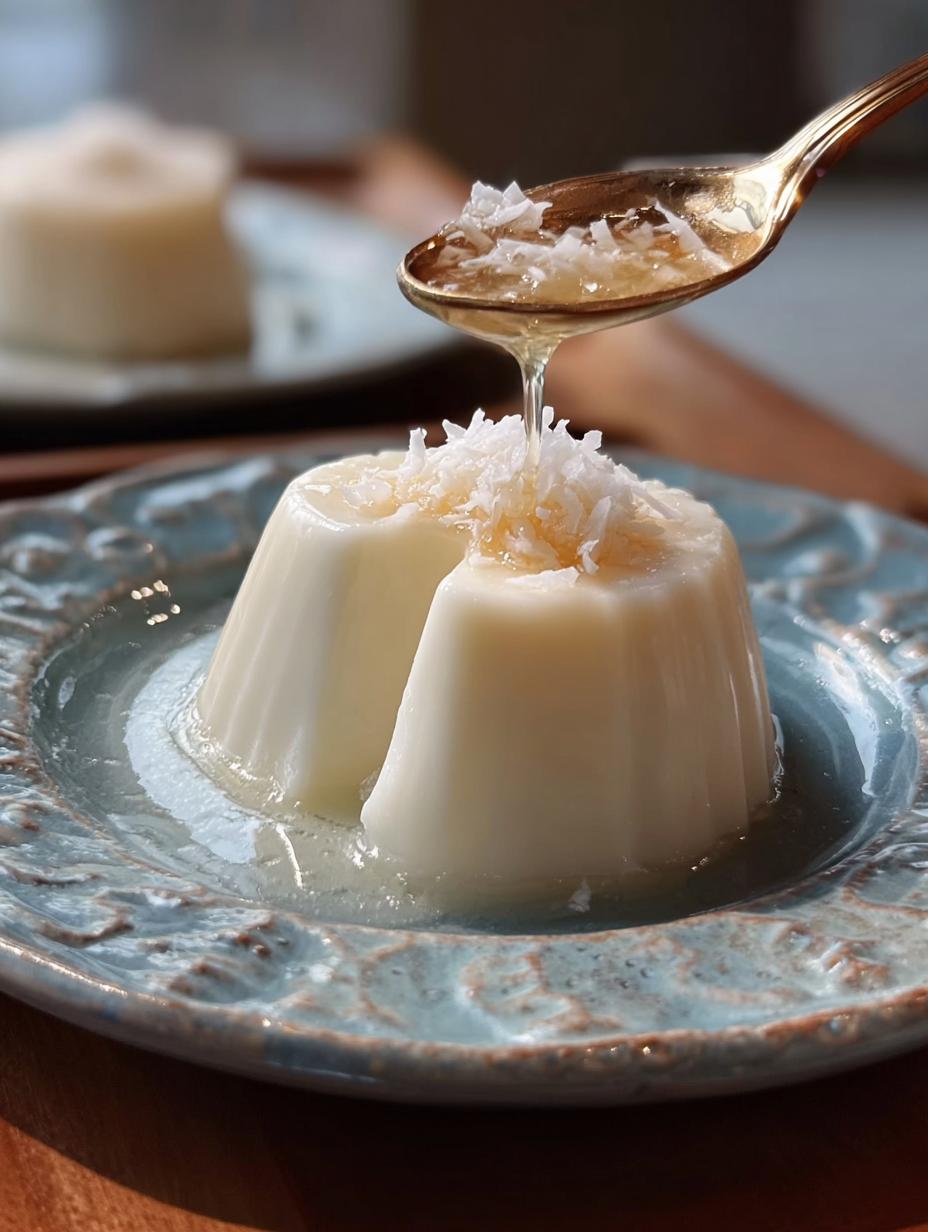
Chinese coconut pudding has been a cherished treat in my family for as long as I can remember, a comforting, creamy delight that always signals a special occasion. I distinctly recall the cool, silky texture of my grandmother’s homemade version, its subtle sweetness a perfect counterpoint to richer holiday dishes. It’s a simple dessert, yet its melt-in-your-mouth quality and delicate coconut fragrance evoke such warmth and nostalgia. It’s the kind of dish that reminds me of happy gatherings, much like how I imagine old fashioned pumpkin molasses cookies bring people together. This recipe brings that same magic to your kitchen. Let’s get cooking!
Why You’ll Love This Chinese Coconut Pudding
This dessert is a winner for so many reasons. It’s incredibly easy to whip up, making it perfect for busy weeknights or last-minute guests. Plus, it’s naturally dairy-free and gluten-free, so almost everyone can enjoy it! It’s a make-ahead dessert, meaning you can prepare it in advance and have a delightful treat ready whenever you need it. Its light and refreshing taste is a welcome change from heavier options. You’ll love how it’s as simple as making soft pumpkin molasses cookies, yet feels so elegant. It’s also a fantastic base for other flavors, and the smooth texture is simply divine. It truly is a crowd-pleaser, much like how homemade pumpkin molasses cookies are always a hit.
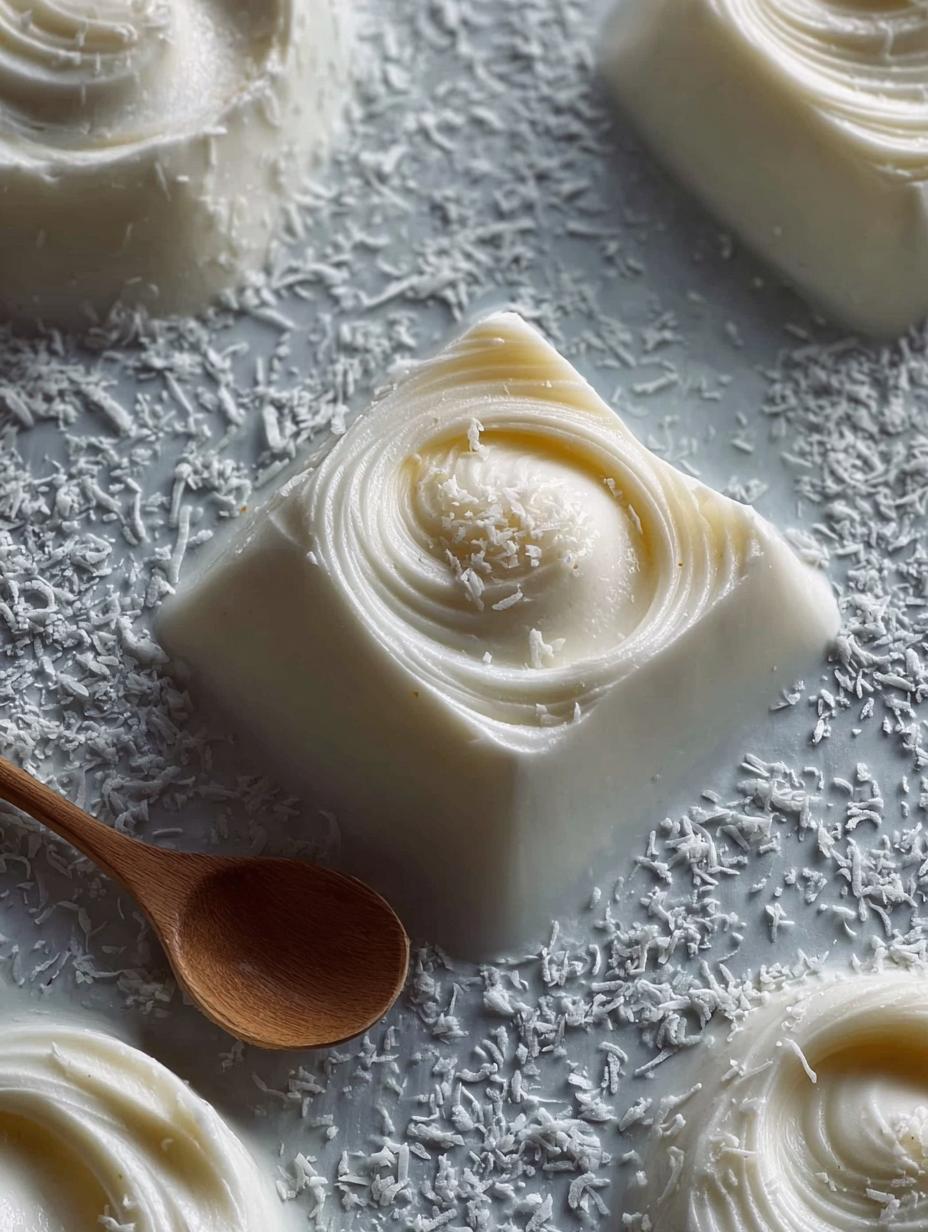
Ingredients for Chinese Coconut Pudding
Gathering the few simple ingredients for this delightful Chinese Coconut Pudding is a breeze. You’ll find that the quality of your coconut milk really shines through, much like how the molasses is key in molasses pumpkin cookies recipe. Full-fat coconut milk is essential for that rich, creamy texture we’re aiming for. The sugar balances the coconut’s tropical flavor, while the unflavored gelatin is the magic ingredient that sets everything perfectly. You’ll need:
- 2 cups full-fat coconut milk – this is crucial for a rich, creamy texture
- 1½ cups water – to achieve the ideal pudding consistency
- ½ cup granulated sugar – adjust to your sweetness preference
- 2½ tablespoons unflavored gelatin powder – the setting agent
- 2 tablespoons cold water – used for blooming the gelatin
How to Make Chinese Coconut Pudding
Making this creamy, dreamy Chinese Coconut Pudding is surprisingly simple and requires minimal active cooking time. It’s a straightforward process that yields a wonderfully smooth and refreshing dessert, perfect for any occasion. You’ll find it’s almost as easy as preparing easy pumpkin molasses cookies, but with a completely different, delightful texture. Let’s get started!
- Step 1: Bloom the gelatin. In a small bowl, whisk together the 2½ tablespoons unflavored gelatin powder with 2 tablespoons cold water. Let this mixture sit undisturbed for 5 to 10 minutes. You’ll see it absorb the water and thicken into a gel-like consistency. This step is crucial for ensuring the gelatin dissolves smoothly later.
- Step 2: Combine liquids and sugar. In a medium saucepan, pour in the 2 cups coconut milk, 1½ cups water, and ½ cup sugar. Place the saucepan over medium heat. Stir gently and continuously until the sugar completely dissolves. It’s important not to let the mixture boil; you just want it warm enough to dissolve the sugar and prepare for the gelatin.
- Step 3: Add bloomed gelatin. Once the sugar is dissolved and the liquid is warm, remove the saucepan from the heat. Add the bloomed gelatin mixture to the warm liquid. Stir well until the gelatin is completely melted and fully incorporated into the coconut milk mixture. You should have a smooth, uniform liquid.
- Step 4: Strain the mixture. To guarantee a silky-smooth pudding, pour the entire mixture through a fine-mesh sieve into a clean bowl or a large measuring jug. This catches any undissolved gelatin bits or small lumps, ensuring that perfect, melt-in-your-mouth texture that makes this dessert so special, much like the perfect chewiness in chewy pumpkin molasses cookies.
- Step 5: Pour into molds. Now, carefully pour the strained pudding mixture into your desired serving dishes. You can use small ramekins, cups, or even a larger shallow dish. If you plan to unmold them later, lightly grease the insides of your molds beforehand.
- Step 6: Chill until set. Cover the dishes loosely with plastic wrap and place them in the refrigerator. Let the pudding chill for at least 4 hours, or ideally overnight, until it’s completely set and firm to the touch. The anticipation is part of the fun!
- Step 7: Serve and enjoy. Once set, serve your delicious Chinese Coconut Pudding chilled. You can serve it directly in the individual cups or carefully unmold it onto plates. Garnish with a sprinkle of toasted coconut flakes or some fresh fruit for an extra touch of elegance.
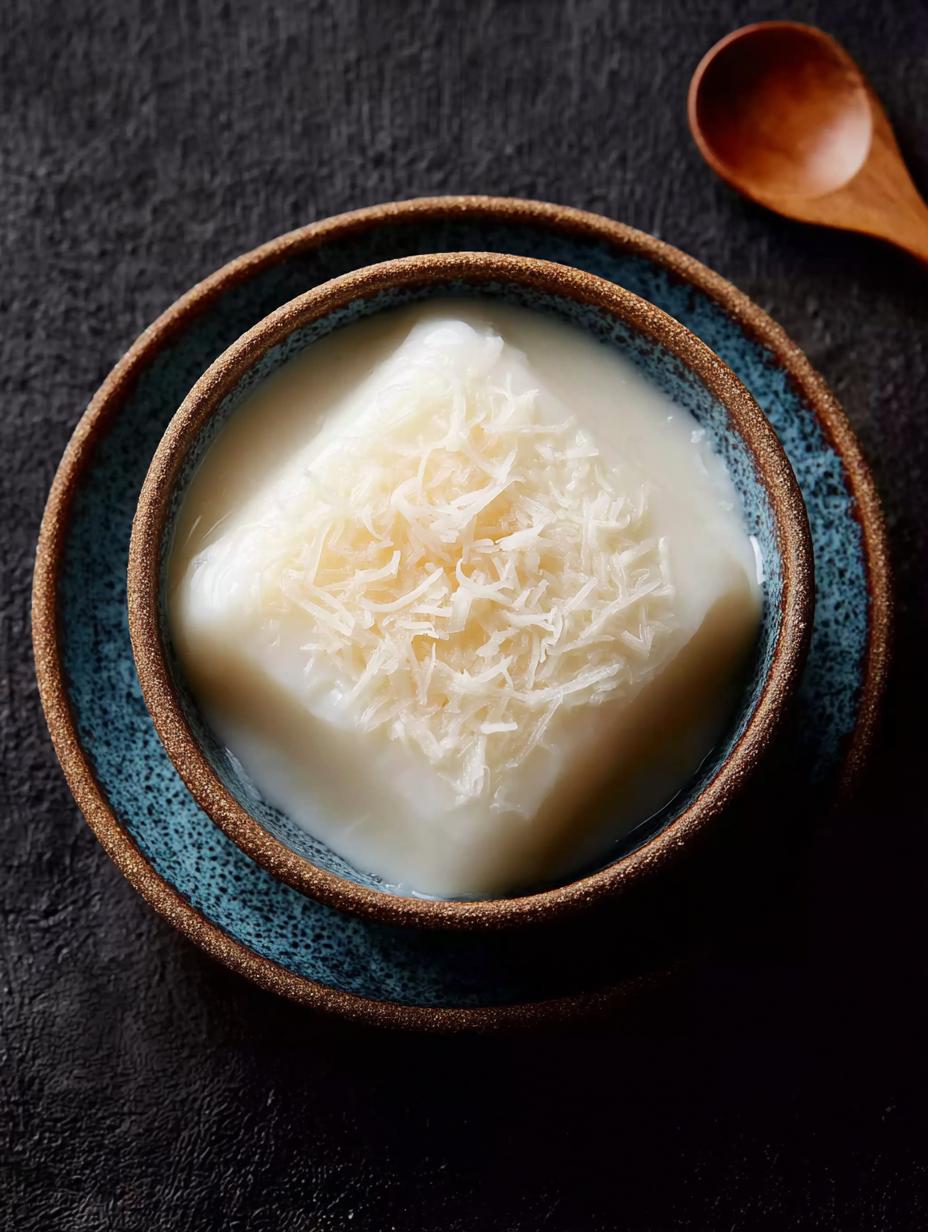
Blooming the Gelatin
This initial step is key to a smooth pudding. By combining the gelatin powder with cold water and letting it sit, we allow the gelatin granules to hydrate. This “blooming” process prevents clumps and ensures the gelatin dissolves evenly into the warm liquid later. For more on food science principles, check out resources on food science basics.
Combining Liquids and Sugar
Gently heating the coconut milk, water, and sugar over medium heat is crucial. The goal is simply to dissolve the sugar completely. Avoid boiling, as high heat can affect the coconut milk’s texture and may not be ideal for the gelatin.
Adding and Straining the Mixture
After the gelatin has melted into the warm liquid, straining the mixture is a vital step. This simple act removes any potential lumps from the gelatin or slight foam from the coconut milk, guaranteeing that ultra-smooth, luxurious texture that defines a perfect Chinese Coconut Pudding.
Chilling and Serving
Patience is rewarded here! Refrigerating the pudding for at least four hours allows the gelatin to fully set the mixture. Serving it well-chilled enhances its refreshing qualities, making it the perfect light dessert after a meal, much like how a light, spiced pumpkin cookie might be enjoyed.
Pro Tips for the Best Chinese Coconut Pudding
I’ve made this dessert countless times, and a few tricks really elevate it from good to absolutely amazing. These tips will help you achieve that perfect, silky texture every time, making it a go-to dessert, much like how homemade pumpkin molasses cookies become a staple.
- Always use full-fat coconut milk for the richest flavor and creamiest consistency. Light coconut milk won’t give you the same luxurious mouthfeel.
- Don’t skip the straining step! It’s the key to achieving that ultra-smooth, melt-in-your-mouth texture that’s characteristic of a truly great pudding.
- For a beautiful presentation, lightly grease your serving dishes before pouring in the mixture. This makes unmolding a breeze.
- Taste your mixture before chilling. You can adjust the sugar slightly, but remember it will taste less sweet once chilled.
What’s the secret to the perfect creamy texture?
The secret lies in using full-fat coconut milk and never skipping the straining step. This ensures no lumps from the gelatin or foam from the coconut milk, resulting in that incredibly smooth, melt-in-your-mouth quality that makes this pudding so delightful, much like the satisfying chew of chewy pumpkin molasses cookies.
Can I make Chinese Coconut Pudding ahead of time?
Absolutely! This is a fantastic make-ahead dessert. You can prepare the pudding up to 24 hours in advance and keep it chilled in the refrigerator. It’s perfect for entertaining, as you can focus on other dishes while dessert is already taken care of.
How do I avoid common mistakes with Chinese Coconut Pudding?
A common pitfall is not blooming the gelatin properly, leading to lumps. Also, avoid boiling the coconut milk mixture, as this can affect its texture. Lastly, ensure adequate chilling time; rushing this step means you won’t get a properly set pudding.
Best Ways to Serve Chinese Coconut Pudding
This delicate Chinese Coconut Pudding is wonderfully versatile and pairs beautifully with a variety of flavors and textures. For a refreshing twist, try serving it chilled with a side of fresh mango slices or a sprinkle of toasted coconut flakes, which adds a lovely crunch. You could also serve it alongside a light fruit salad. It’s a perfect light dessert after a richer meal, offering a cool, creamy finish that cleanses the palate. Think of it as a delightful alternative to something like pumpkin cookie recipe molasses, offering a different kind of comfort and sweetness.
Nutrition Facts for Chinese Coconut Pudding
This delightful Chinese Coconut Pudding is a lighter dessert option that’s surprisingly satisfying. While it’s a refreshing treat, it does contain some sugar and fat from the coconut milk. It’s a great choice for those looking for a dairy-free and gluten-free indulgence, much like how pumpkin molasses cookie variations cater to different dietary needs.
- Calories: 180
- Fat: 14g
- Saturated Fat: 12g
- Protein: 2g
- Carbohydrates: 14g
- Fiber: 0g
- Sugar: 10g
- Sodium: 20mg
Nutritional values are estimates and may vary based on specific ingredients used.
How to Store and Reheat Chinese Coconut Pudding
Proper storage ensures your delicious Chinese Coconut Pudding stays fresh and delightful. Once the pudding has fully set and you’re ready to store it, make sure it has cooled completely at room temperature. Then, transfer it to airtight containers. For refrigeration, individual ramekins or cups can be covered tightly with plastic wrap. It will keep well in the fridge for about 3 to 4 days. If you find yourself with leftovers after that, or want to prep even further ahead, this pudding also freezes beautifully, much like how you might store pumpkin molasses cookie dough. Freeze for up to 3 months in freezer-safe containers. When you’re ready to enjoy, thaw overnight in the refrigerator. Reheating isn’t typically necessary as it’s best served chilled, but if you prefer it slightly warmer, allow it to sit at room temperature for about 15-20 minutes.
Frequently Asked Questions About Chinese Coconut Pudding
Can I use light coconut milk instead of full-fat?
While you can technically use light coconut milk, I strongly advise against it if you’re aiming for that classic creamy texture. Full-fat coconut milk is essential for achieving the rich, decadent mouthfeel that makes this dessert so special. Using light coconut milk will result in a much thinner, less satisfying pudding, similar to how using the wrong ingredients can lead to flat pumpkin molasses cookies.
How do I get a perfectly smooth pudding without lumps?
The key to a perfectly smooth pudding lies in two crucial steps: blooming the gelatin properly and straining the mixture. Blooming ensures the gelatin dissolves evenly, while straining catches any undissolved bits or foam. Following these steps, just like carefully measuring ingredients for homemade pumpkin molasses cookies, guarantees a silky-smooth result every time.
Can I add other flavors to this Chinese Coconut Pudding?
Absolutely! This recipe is a wonderful base for experimentation. You can add a teaspoon of pandan extract for a beautiful green hue and unique flavor, or a swirl of mango puree for a tropical twist. For a richer, spiced note, you might even consider a hint of something reminiscent of spiced pumpkin molasses cookies, though be mindful not to overpower the delicate coconut. Just ensure any added liquids don’t significantly alter the overall liquid-to-gelatin ratio.
What happens if my pudding doesn’t set?
If your pudding doesn’t set, it’s usually due to an issue with the gelatin. Either not enough was used, it wasn’t bloomed correctly, or it was overheated after being added. Gelatin needs to be dissolved in warm, not boiling, liquid and then cooled to set. Unlike baking where you can often salvage a recipe, a pudding that doesn’t set requires starting over with the gelatin step carefully.
Variations of Chinese Coconut Pudding You Can Try
While this classic Chinese Coconut Pudding is wonderfully delicious on its own, it’s also a fantastic canvas for creativity! Don’t be afraid to experiment with different flavors and additions to make it your own. You can achieve unique tastes that are as comforting and delightful as a batch of soft pumpkin molasses cookies or as exciting as new flavor combinations.
- Fruity Delight: Swirl in fresh fruit purees like mango, passionfruit, or strawberry during the straining step. This adds a beautiful color and a bright, tropical or tart flavor contrast to the creamy pudding.
- Pandan Infusion: Add a teaspoon of pandan extract to the coconut milk mixture. This traditional Southeast Asian flavor gives the pudding a lovely green hue and a unique, subtly sweet aroma.
- Matcha Madness: Whisk 1-2 tablespoons of high-quality matcha powder into the warm liquid before adding the gelatin. This creates a sophisticated, earthy flavor profile that pairs surprisingly well with coconut.
- Baked Version: For a slightly different texture, you can try baking the pudding. Pour the mixture into ramekins and bake in a water bath (bain-marie) at 325°F (160°C) for about 30-40 minutes, or until just set. This creates a more custard-like consistency, similar to a crème brûlée.
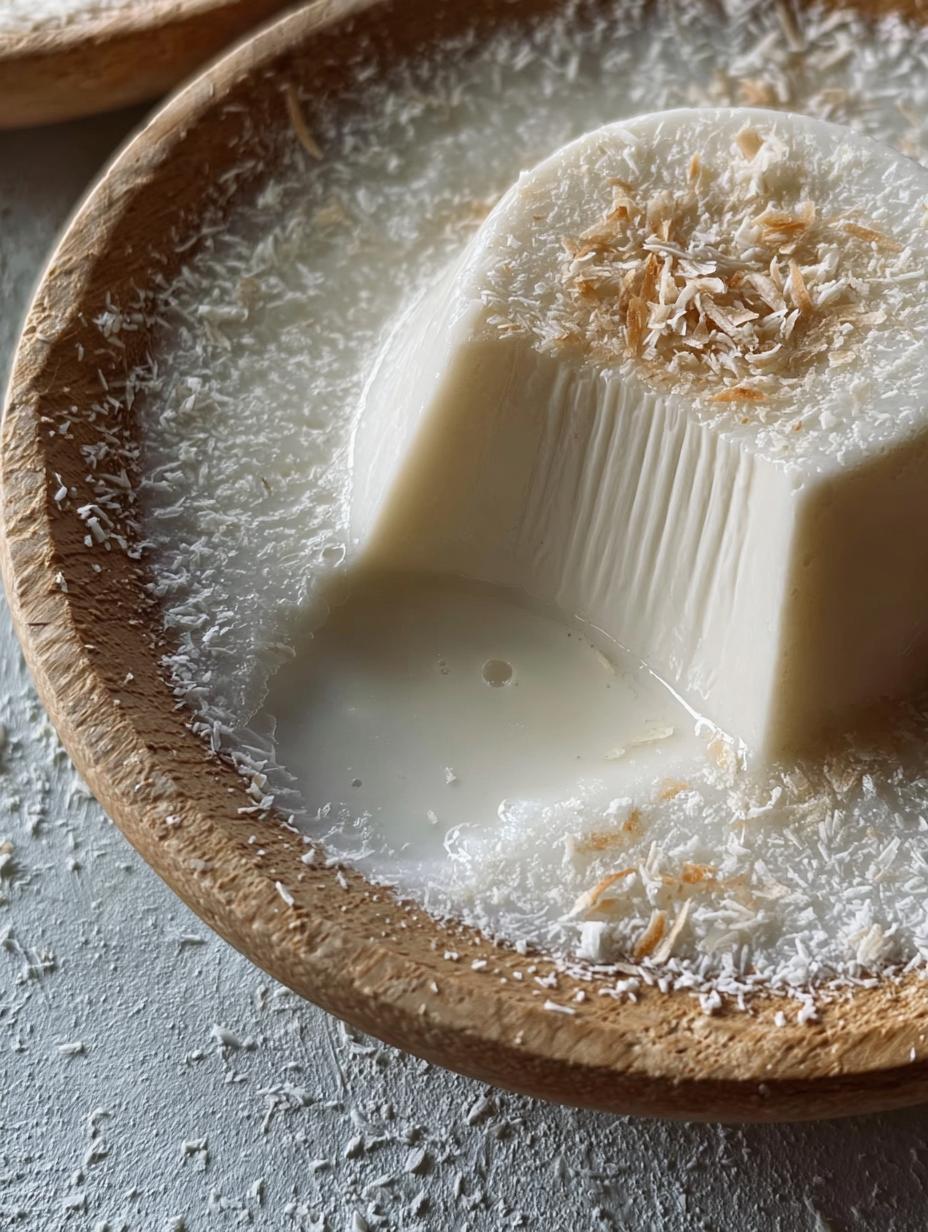
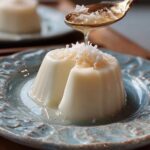
Amazing Chinese Coconut Pudding: 1 Simple Treat
- Total Time: 4 hours 15 minutes
- Yield: 6 servings 1x
- Diet: Gluten-Free, Dairy-Free, Vegetarian
Description
Chinese Coconut Pudding is a creamy, cool, and delicately sweet dessert that’s a staple for family gatherings and festive meals. It offers a refreshing contrast to heavier desserts with its melt-in-your-mouth texture and subtle fragrance, reflecting the importance of texture in Chinese cuisine.
Ingredients
- 2 cups coconut milk
- 1½ cups water
- ½ cup sugar
- 2½ tablespoons unflavored gelatin powder
- 2 tablespoons cold water (for blooming gelatin)
Instructions
- Bloom the gelatin: In a small bowl, mix the gelatin powder with 2 tablespoons of cold water. Let it sit for 5 to 10 minutes until it thickens.
- Combine liquids and sugar: In a medium saucepan, combine the coconut milk, 1½ cups water, and sugar. Heat gently over medium heat, stirring until the sugar is dissolved. Do not boil.
- Add bloomed gelatin: Remove the saucepan from heat. Stir in the bloomed gelatin until it is fully melted and incorporated.
- Strain the mixture: Pour the mixture through a fine-mesh sieve into a clean bowl or measuring jug to remove any lumps or foam.
- Pour into molds: Pour the strained mixture into your chosen molds, dishes, or small serving cups.
- Chill until set: Refrigerate for at least 4 hours, or preferably overnight, until the pudding is fully set.
- Serve: Serve chilled directly in the molds or unmold onto plates. Garnish with toasted coconut or fruit if desired.
Notes
- This Chinese Coconut Pudding recipe can be adapted with flavors like pandan, mango, or matcha.
- Use full-fat coconut milk for the best flavor and texture.
- For easier unmolding, briefly dip the ramekin bottoms in warm water before inverting onto a plate.
- Prep Time: 10 minutes
- Cook Time: 5 minutes
- Category: Dessert
- Method: Chilled
- Cuisine: Chinese
Nutrition
- Serving Size: 1 serving (approx.)
- Calories: 180
- Sugar: 10g
- Fat: 14g
- Carbohydrates: 14g
- Protein: 2g

Written by Chef Anna
I'm Anna - a Le Cordon Bleu-trained chef, recipe developer, and the voice behind Chef Johns Gourmet. After a decade in professional kitchens, I now spend my mornings testing recipes and my afternoons writing them down so you can make them perfectly in your own kitchen. Every one of the 1,100+ recipes on this site has been personally cooked, tasted, and refined. I write like I'm standing next to you, walking you through every step. Simple recipes. Bold flavors. Made for real kitchens.