
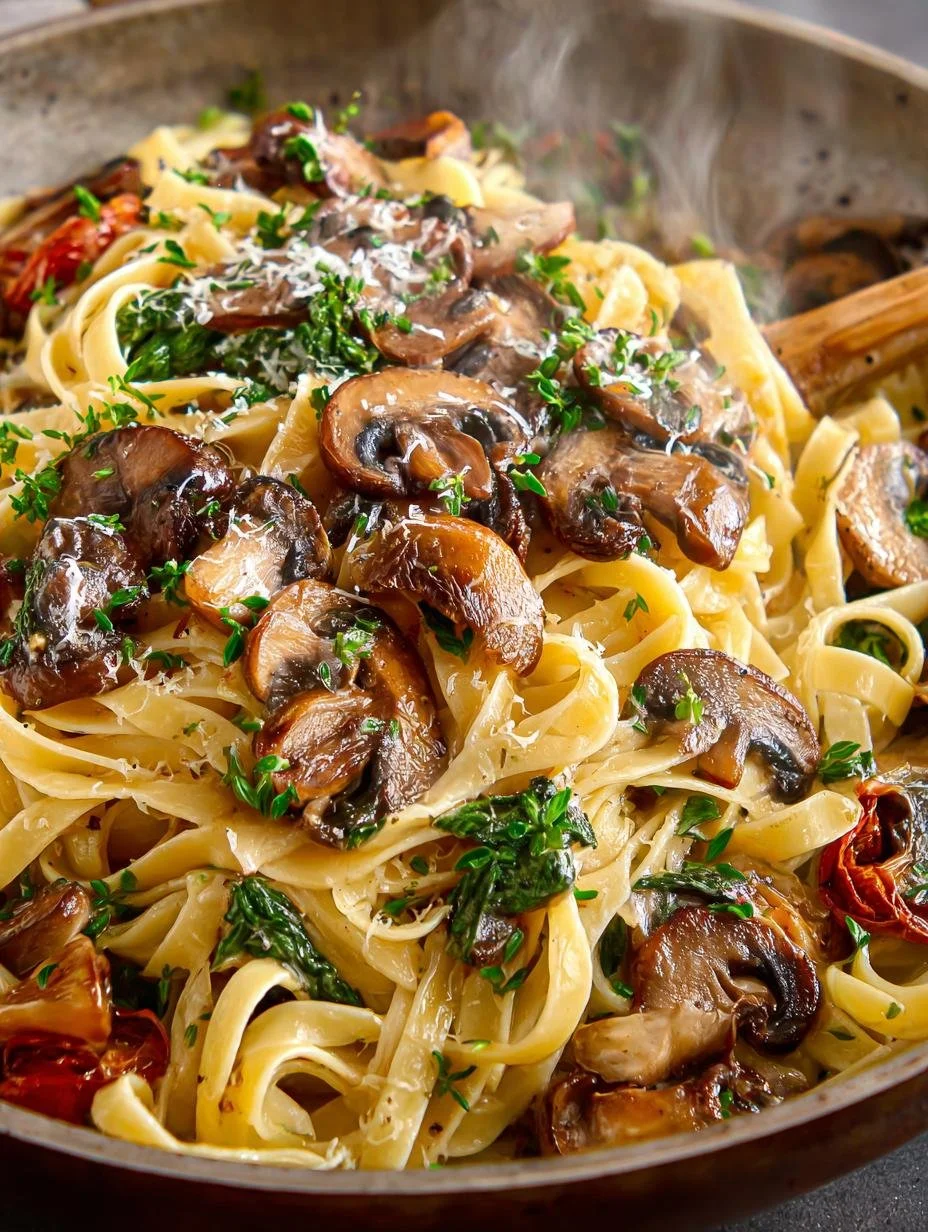
Traditional Mushroom Pasta guide: a definitive, practical mentor’s handbook
Start here: this guide walks you from the simple comforts of a weeknight mushroom-and-pasta dinner to the confident execution of restaurant-worthy plates. If you’ve ever wanted to understand why a mushroom sauce sings, how to choose the right pasta shape, or how to adapt technique for dietary needs, this is the Traditional Mushroom Pasta guide you’ll return to again and again.
By the end you’ll have clear steps, cooking theory you can reuse, pro shortcuts, and variations for every skill level.
Creamless mushroom soup recipe
Background & Context
Mushroom-and-pasta pairings are simple, old, and global. The milder starch of pasta and the concentrated, savory nature of mushrooms complement each other in ways cooks have exploited for centuries.
The phrase “Classic Mushroom Pasta history” captures the realities: many mushroom pasta recipes trace to rustic Italian home kitchens where local fungi, olive oil, garlic, and pasta were staples. Over time, regional styles added cream, wine, or butter depending on ingredient availability and taste. This continuum is why understanding roots matters: technique often originated from necessity, and the most enduring techniques are practical ones.
If you want the gastronomic backstory of the dish’s evolution and the “Authentic Mushroom Pasta origin” in regional cuisines, focus on the interplay between available produce and preservation methods. Mushrooms were prized for umami and shelf stability when dried; pasta was a carbohydrate that traveled well. Together they became an emblem of efficient, flavorful cooking.
Why This Approach Works
This guide emphasizes fundamentals over recipes. That choice gives you repeatable results across ingredients and contexts.
- It focuses on flavor building: browning, deglazing, seasoning and balancing acidity and fat.
- It favors technique that’s flexible: you can swap mushrooms, pasta shapes, or make it dairy-free without losing the core identity of the dish.
- It prevents common beginner mistakes by explaining the why behind each step.
Common objections: “Isn’t mushroom pasta just cream and mushrooms?” Not if you want texture, depth, and balance. “Do I need special mushrooms?” No — understanding flavor profiles lets you use supermarket varieties successfully.
Core Concepts Explained
Break the dish into logical components: mushrooms, fat, aromatics, liquid (stock/wine/cream), pasta, and finishers (cheese, herbs, acid). Each piece plays a role.
- Mushrooms: Texture and umami. Browned mushrooms add Maillard flavors; dried mushrooms pack concentrated savoriness.
- Fat: Carrier of flavor. Olive oil gives brightness; butter rounds and glazes.
- Aromatics: Garlic, shallot, onion, and fresh herbs. They layer flavor and interact differently with heat.
- Liquid: Deglazing with wine adds acidity, stock adds depth, cream adds richness.
- Pasta: Shape matters. Hollow or ridged shapes hold sauce; long strands mix differently than shells.
- Finishers: Acid (lemon, vinegar) brightens; cheese adds salt and umami.
Examples:
- Use cremini or baby bella for consistent, everyday flavor.
- For a more intense dish, rehydrate dried porcini and strain the soaking liquid into the sauce.
- Swap cream for starchy pasta water and butter for a lighter yet silky finish.
Alternatives and substitutions:
- For dairy-free: replace butter and cream with olive oil and a splash of nut milk, plus a spoon of tahini for body.
- For vegetarian umami boost: add soy sauce or miso sparingly in the deglaze stage.
- For gluten-free: use firm rice or chickpea pastas; reduce cooking time and monitor texture.
Tools, Resources, or Foundations
Essentials:
- Large sauté pan or skillet with good heat distribution.
- Heavy pot for boiling pasta.
- Sharp chef’s knife and sturdy cutting board.
- Tongs and a slotted spoon for transfer and tossing.
Optional but high-value:
- Microplane for cheese and zest.
- Cast-iron skillet for the best browning.
- Immersion blender for silky finishes.
Budget-friendly alternatives:
- If you don’t have a heavy skillet, work in smaller batches in a regular nonstick pan to ensure even browning.
- A box grater substitutes for a microplane.
- Use a colander and a ladle instead of precise tongs for tossing.
Commentary: the right tool reduces friction while cooking, but technique outweighs gear. Invest where you’ll notice repeated gains (a good knife, a well-seasoned skillet).
Mushroom swiss cheese meatloaf
Step-by-Step Process
This section gives a reproducible, flexible workflow. Expect 25–45 minutes active time depending on complexity.
Mise en place (5–10 minutes)
- Clean and slice mushrooms; measure aromatics and liquids; bring a large pot of salted water to boil.
- Tip: Salt the pasta water generously — it should taste like seawater.
Browning the mushrooms (8–12 minutes)
- Heat pan until hot, add oil or a mix of oil and butter, then add mushrooms in a single layer.
- Do not overcrowd the pan; brown in batches if needed. Leave mushrooms undisturbed for a minute or two to form color.
- H3: Why browning matters
- Browning creates Maillard reactions, producing complex flavors that are the backbone of the dish. Without color, mushrooms taste flat.
Build the flavor base (3–5 minutes)
- Add shallots/onions and cook gently until translucent.
- Add garlic near the end to avoid bitterness.
- Deglaze with wine, stock, or mushroom soaking liquid; scrape brown bits from the pan.
Create the sauce (5–10 minutes)
- For cream sauce: reduce heat and add cream; simmer to thicken slightly.
- For olive oil or butter-based finish: add a cup of reserved pasta water, a knob of butter, and stir to emulsify.
- Tip: Pasta water contains starch and helps create a glossy sauce without heavy cream.
Cook and combine (3–5 minutes)
- Cook pasta to just shy of al dente; finish cooking in the pan with the sauce for 1–2 minutes to marry flavors.
- Add pasta, toss with tongs, finish with cheese, herbs, or acid.
Plate and finish (1–3 minutes)
- Finish with a drizzle of olive oil, lemon zest, or a scatter of parsley.
- Serve immediately; pasta loses texture if held too long.
Common mistakes + how to avoid them:
- Overcrowding the pan (mushy, steamed mushrooms): cook in batches.
- Undersalting pasta water or sauce: taste at each stage.
- Adding cream too early: it’ll thin and lose richness; add when sauce is reduced.
Pro tips:
- Reserve pasta cooking water and add judiciously.
- Toast dried mushrooms before rehydrating for extra depth.
- Finish with a small acid component (lemon, vinegar) to lift flavors.
Expert Techniques & Insights
Layered umami
- Combine fresh mushrooms with a small amount of dried mushrooms rehydrated in hot water. Strain and save the soaking liquid to add to the sauce for concentrated mushroom flavor.
- Add a tiny spoon of miso or soy near the end for complexity.
Knife work and texture
- Thinly slice some mushrooms and coarsely chop others. Sliced pieces give silkiness; chopped pieces provide bite and mouthfeel contrast.
Temperature control
- Use high heat to sear mushrooms, medium-low to sweat aromatics, and medium when reducing liquids. Heat precision preserves texture and prevents separation.
Finishing emulsion
- Off-heat, whisk in chilled butter or hard cheese with a splash of starchy pasta water to create a glossy emulsion that clings to pasta.
Lessons learned from experience:
- Small additions matter: a teaspoon of acidity or a pinch of sugar can rebalance a flat-tasting sauce.
- Never skip resting seconds: letting a pan sit for 30–60 seconds before deglazing concentrates browned flavor.
Variations & Adaptations
Adaptations based on context, skill, and culture:
- Weeknight quick (Beginner): Use cremini mushrooms, olive oil, garlic, and pasta water with grated Parmesan. Ready in 20 minutes.
- Weekend special (Intermediate): Sear shiitake and oyster mushrooms, deglaze with white wine, add cream and thyme; finish with truffle oil.
- Elegant dinner (Advanced): Make a reduced porcini stock, strain through a fine sieve, finish with brown butter, and serve with pappardelle.
- Dietary variations:
- Vegan: Use olive oil, nutritional yeast, and blended cashews for body.
- Gluten-free: Use corn or lentil pasta; monitor texture and reduce holding time.
These variations keep the essence of mushroom pasta while allowing cultural or practical flexibility.
Analysis & Benefits Breakdown
Below is a comparative summary to help you choose techniques based on outcome, time, and resources.
| Technique/Ingredient | Flavor Impact | Time | Cost | Best Use |
|—|—:|—:|—:|—|
| Fresh cremini | Mild, balanced umami | Low | Low | Everyday weeknight |
| Dried porcini + soak | Intense mushroom depth | Medium | Medium | Special occasions |
| Butter finish | Round, silky mouthfeel | Low | Low | Comfort dishes |
| Olive oil + lemon | Bright, lighter | Low | Low | Summer/seafood pairings |
| Cream-based | Rich and luxurious | Medium | Medium | Indulgent dinners |
| Pasta water emulsion | Silky, light without heavy cream | Low | Low | Balanced finish |
Strengths, limitations, and considerations:
- Cream delivers richness but can mask mushroom nuance.
- Dried mushrooms add depth but require forethought.
- Emulsifying with pasta water is efficient and light, ideal for repeated practice.
Preparation, Retention & Long-Term Use
How to prepare effectively:
- Plan mise en place: pre-slice mushrooms and aromatics to shorten active cooking time.
- Rehydrate dried mushrooms in warm water and strain through coffee filter for a clear, flavorful liquid.
Retention and reuse strategies:
- Freeze concentrated mushroom stock in ice-cube trays for quick flavor boosts.
- Make a double batch of sautéed mushrooms and refrigerate for 3–4 days to speed weeknight meals.
Longevity of knowledge:
- The core skills—browning, deglazing, emulsifying—apply to many sauce-based dishes.
- Practice with inexpensive mushrooms builds confidence before you attempt rare varieties.
Troubleshooting & Common Problems
Problem → Cause → Solution
- Mushrooms are soggy → Pan overcrowded/too much water present → Cook in batches and use high heat.
- Sauce separates or is greasy → Added fat too quickly or sauce boiled → Reduce heat, whisk in starchy pasta water, finish off-heat.
- Flat flavor → Under-seasoned or no acid → Taste and add salt; finish with lemon or vinegar.
- Pasta clumps → Insufficient water or not stirred → Use a large pot, plenty of water, and stir once or twice during the boil.
- Bitter garlic → Garlic burned → Add garlic later and cook gently.
Focus on clarity: most issues stem from heat control, seasoning, or timing.
FAQ
How do I choose the best mushroom for pasta?
Choose based on intensity: cremini for everyday balance, shiitake and porcini for boldness, oyster for delicate texture. Blend two types for complexity.Can I skip wine in the sauce?
Yes. Use stock or mushroom soaking liquid. Wine adds acid and aromatics, but a splash of lemon later can replace the acidity.Should I rinse mushrooms?
Wipe them with a damp towel or use a soft brush. Quick rinses are acceptable but avoid soaking fresh mushrooms; they absorb water and steam instead of browning.Do I need cream for a silky sauce?
No. A well-emulsified sauce made with pasta water and butter or olive oil can be just as silky and lighter.How do I store leftovers?
Refrigerate in an airtight container for up to 3 days. Reheat gently with a splash of water or stock to bring back silkiness.Can I make this ahead for guests?
Par-cook mushrooms and make the sauce base; finish with pasta shortly before serving to maintain texture.How much pasta per person?
For a main dish, plan 80–100 g (3–4 oz) dry pasta per person. Adjust for hearty appetites.Is truffle oil necessary?
No. Truffle oil is a finishing accent; use sparingly, and only if you enjoy its strong flavor.
Related Topics & Next Steps
Expand your skillset with adjacent techniques:
- Sauce emulsion basics (butter and starch science).
- Making concentrated mushroom broth from scraps and stems.
- Pairing wine with rich mushroom dishes.
- Pasta making at home: basic dough to shape selection.
Suggested next reads: guides on broths, sauce reductions, and fresh pasta technique to complement what you learned here.
Quick Reference Summary
- Mise en place is half the battle; prep before heat.
- Brown mushrooms in a hot pan without crowding.
- Use reserved pasta water to emulsify sharp fats and bind sauce.
- Finish with acid to brighten and cheese or butter to round.
- Keep variations simple: swap one component at a time and taste frequently.
Bullet recap:
- Salt pasta water generously.
- Sear mushrooms; add aromatics later.
- Deglaze; add liquids in stages.
- Finish with herbs, acid, and a proper toss.
Conclusion
You now have a full Traditional Mushroom Pasta guide that explains the origins, the practical techniques, and the reasoning behind every key decision. Use it to build intuition, practice core actions, and adapt the dish to your pantry and taste.
For quick recipe references and visual step-throughs, see Mushroom Pasta – RecipeTin Eats and for a richly textured, restaurant-style cream variation consult Creamy Mushroom Pasta Recipe | Bon Appétit.
If you’d like, I can convert this guide into a printable cheat-sheet, a cooking class plan, or a step-by-step video script.
Print
Traditional Mushroom Pasta
- Total Time: 35 minutes
- Yield: 4 servings 1x
- Diet: Vegetarian
Description
A practical guide to making mushroom pasta that highlights fundamental techniques and customizable variations for every skill level.
Ingredients
- 400g pasta (your choice)
- 300g cremini mushrooms, sliced
- 2 tablespoons olive oil
- 1 tablespoon butter (optional)
- 1 shallot, diced
- 3 cloves garlic, minced
- 1/2 cup white wine (or stock)
- 1 cup cream (optional)
- 1/2 cup reserved pasta water
- Salt and pepper to taste
- Fresh parsley, chopped (for garnish)
- Lemon zest (for finishing)
Instructions
- Prepare all ingredients, clean and slice mushrooms, and measure aromatics and liquids.
- Bring a large pot of salted water to a boil for the pasta.
- In a hot pan, add olive oil and butter, then add mushrooms in a single layer to brown for about 8-12 minutes.
- Add shallot and cook until translucent, then garlic towards the end to avoid bitterness.
- Deglaze with white wine or stock, scraping up brown bits.
- If using cream, add it now and simmer to thicken. For an olive oil finish, stir in reserved pasta water and butter.
- Cook pasta until just shy of al dente, then combine with the sauce in the pan for 1-2 minutes.
- Plate and finish with lemon zest and fresh parsley.
- Serve immediately.
Notes
For a lighter dish, use pasta water instead of cream. Always taste and adjust seasoning throughout the cooking process.
- Prep Time: 10 minutes
- Cook Time: 25 minutes
- Category: Main Course
- Method: Sautéing
- Cuisine: Italian
Nutrition
- Serving Size: 1 serving
- Calories: 400
- Sugar: 3g
- Sodium: 350mg
- Fat: 15g
- Saturated Fat: 5g
- Unsaturated Fat: 8g
- Trans Fat: 0g
- Carbohydrates: 50g
- Fiber: 3g
- Protein: 12g
- Cholesterol: 20mg

Written by Chef Anna
I'm Anna - a Le Cordon Bleu-trained chef, recipe developer, and the voice behind Chef Johns Gourmet. After a decade in professional kitchens, I now spend my mornings testing recipes and my afternoons writing them down so you can make them perfectly in your own kitchen. Every one of the 1,100+ recipes on this site has been personally cooked, tasted, and refined. I write like I'm standing next to you, walking you through every step. Simple recipes. Bold flavors. Made for real kitchens.