
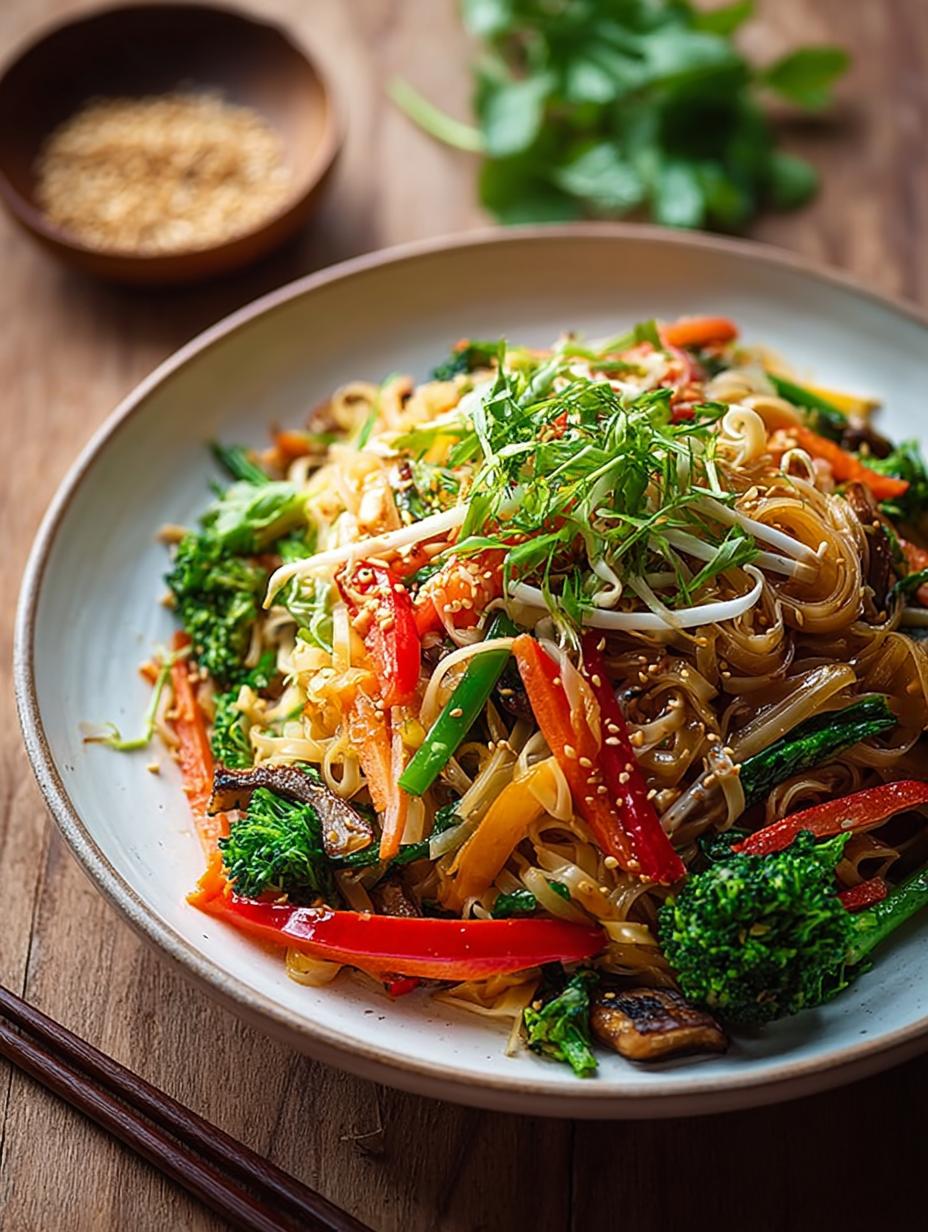
Vegan Pad Thai is my go-to dish when I’m craving a burst of flavor and vibrant colors on my plate. This satisfying plant-based take on the classic Thai stir-fried noodle dish is a delightful blend of wide rice noodles, fresh vegetables, and a tangy tamarind-based sauce. With a quick preparation time, it’s perfect for a wholesome weeknight meal that can be enjoyed gluten-free. Let’s dive into the world of bold flavors and learn how to make this delicious dish!
Why You’ll Love This Vegan Pad Thai
There are countless reasons to adore this Vegan Pad Thai. First, it’s an easy Vegan Pad Thai dish that can be whipped up in just 35 minutes, making it a quick option for busy weeknights. Second, the combination of fresh vegetables, such as broccoli and carrots, ensures you’re getting a healthy dose of nutrients in every bite. Third, this dish is gluten-free, catering to various dietary needs while remaining delicious. Fourth, the creamy Vegan Pad Thai sauce adds a rich depth of flavor that rivals any traditional recipe. Fifth, this dish is versatile; feel free to customize it with your favorite proteins like tofu or chickpeas. Lastly, it’s a fun and interactive way to introduce plant-based meals to your family and friends!
Ingredients for Vegan Pad Thai
Gather these items:
- 200 g / 7 oz wide rice noodles
- 2 spring onions, sliced
- 2 garlic cloves, finely sliced
- 1 hot red chilli, finely sliced
- 2 carrots, shaved into ribbons with a speed peeler
- A large handful of green beans, cut diagonally
- ½ small broccoli, divided into florets
- 1 red pepper, finely sliced
- 5 tbsp tamarind sauce
- 1 tbsp tamari / soy sauce
- 2 tbsp vegan fish sauce or more tamari / soy sauce
- 2-3 tbsp maple syrup, adjust to taste
- 2 tbsp peanut oil (or other high smoke point oil)
- ¼ cup roasted & unsalted peanuts, pounded in a pestle & mortar
- ½ cup mung bean sprouts
- Fresh coriander, to garnish
How to Make Vegan Pad Thai Step-by-Step
- Step 1: Soak the rice noodles according to the packet instructions, but do not cook them fully as they will be stir-fried later. While soaking, lift the lid occasionally to stir gently to prevent clumping and sticking. Drain and set aside. Optionally toss a little oil through noodles to avoid sticking.
- Step 2: In a small bowl, combine tamarind sauce, tamari or soy sauce, vegan fish sauce (or additional tamari), and maple syrup. Start with less tamarind if using concentrated shop-bought paste and adjust taste.
- Step 3: Heat 1 tablespoon of oil in a wok or large frying pan over high heat until nearly smoking. Add sliced spring onions, garlic, and chilli and stir-fry constantly until the onions soften and garlic is fragrant. Remove and set aside, leaving the oil in the wok.
- Step 4: Add another tablespoon of oil to the same wok without washing. Add vegetables in sequence with a minute or two between additions: broccoli florets, green beans, red pepper slices, and carrot ribbons. Stir-fry until vegetables are cooked but still crisp. Transfer to a plate.
- Step 5: Pour the prepared sauce into the wok, add the drained noodles and gently separate any clumps by stirring. Return the cooked aromatics and vegetables to the wok, mixing everything thoroughly.
- Step 6: Stir-fry everything together for 1-2 minutes to allow the flavors to meld and the noodles to absorb the sauce.
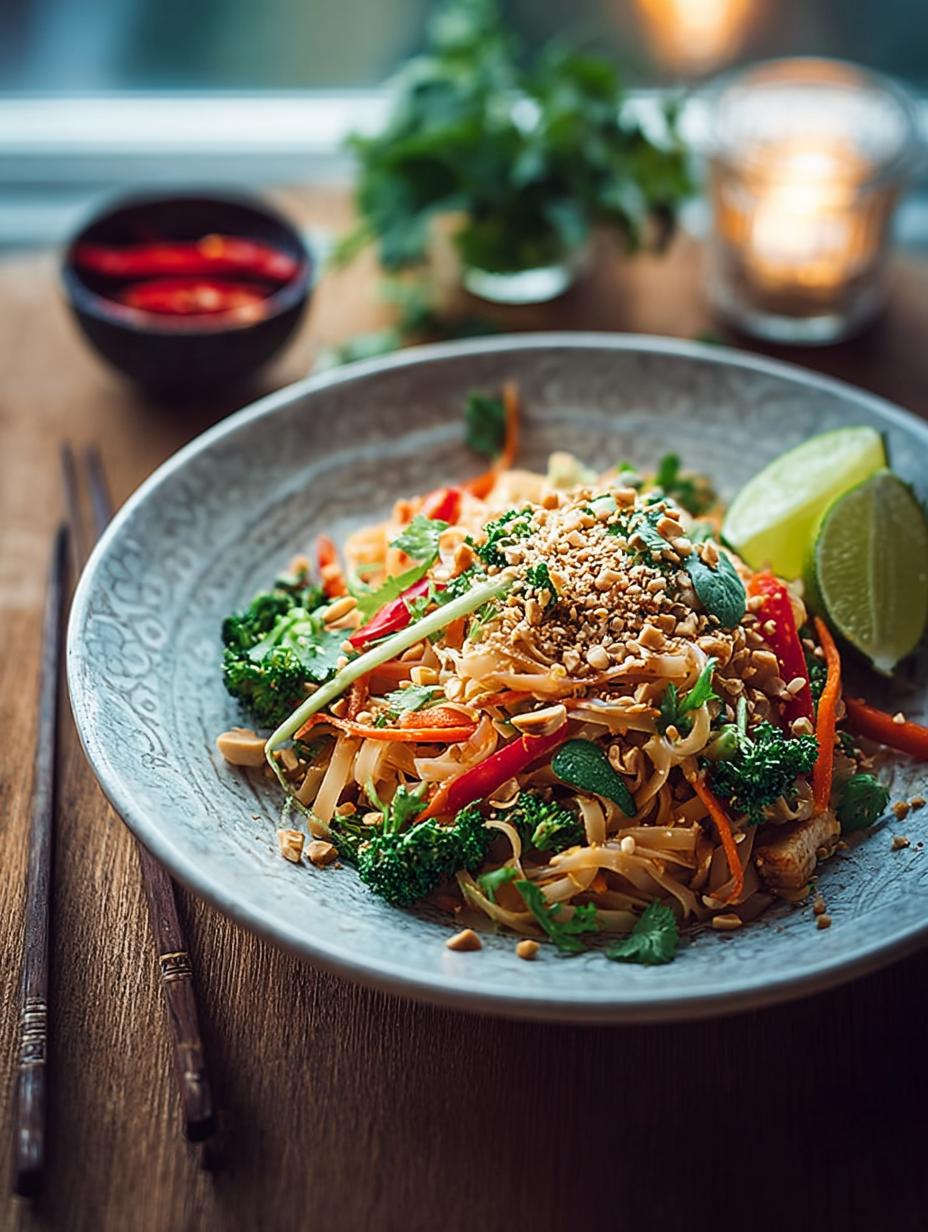
- Step 7: Divide the pad thai between 2-3 plates. Garnish generously with mung bean sprouts, crushed peanuts, and fresh coriander. Serve with lime wedges on the side if desired.
Pro Tips for the Perfect Vegan Pad Thai
Keep these in mind:
- For best results, use fresh, high-quality ingredients to truly capture the traditional flavors of this dish.
- Adjust the sweetness of the sauce with maple syrup to fit your personal taste.
- Don’t skip the peanuts; they add a delightful crunch that enhances the overall texture.
- For a spicy kick, add extra red chili or a sprinkle of chili flakes before serving.
Best Ways to Serve Vegan Pad Thai
When it comes to serving, there are many delightful options for your Vegan Pad Thai. Pair it with a refreshing cucumber salad for a light meal or enjoy it with a side of spring rolls for a complete Thai dining experience. You can also serve it with lime wedges, which add a zesty kick and complement the rich flavors of the dish beautifully.
How to Store and Reheat Vegan Pad Thai
To store your Vegan Pad Thai, keep it in an airtight container in the refrigerator for up to 3 days. When reheating, add a splash of water or vegetable broth to help revive the noodles. Heat in a skillet over medium heat or in the microwave until warmed through. This dish is great for meal prep, making it easy to enjoy a quick Vegan Pad Thai dinner throughout the week.
Frequently Asked Questions About Vegan Pad Thai
What’s the secret to perfect Vegan Pad Thai?
The secret lies in balancing flavors, especially the sweet, sour, and salty notes in the sauce. Using fresh vegetables and not overcooking the noodles ensures a delightful texture in this Vegan Thai Noodles.
Can I make Vegan Pad Thai ahead of time?
Absolutely! You can prepare the sauce and chop the veggies ahead of time, making it easy to cook the dish quickly when you’re ready to eat. This is a fantastic option for a quick Vegan Pad Thai dinner.
How do I avoid common mistakes with Vegan Pad Thai?
Avoid overcooking the noodles; they should be slightly undercooked before stir-frying. Also, make sure to keep the vegetables crisp for the best texture in this Vegetarian Pad Thai recipe.
Variations of Vegan Pad Thai You Can Try
There are endless ways to customize your Vegan Pad Thai. Here are a few ideas:
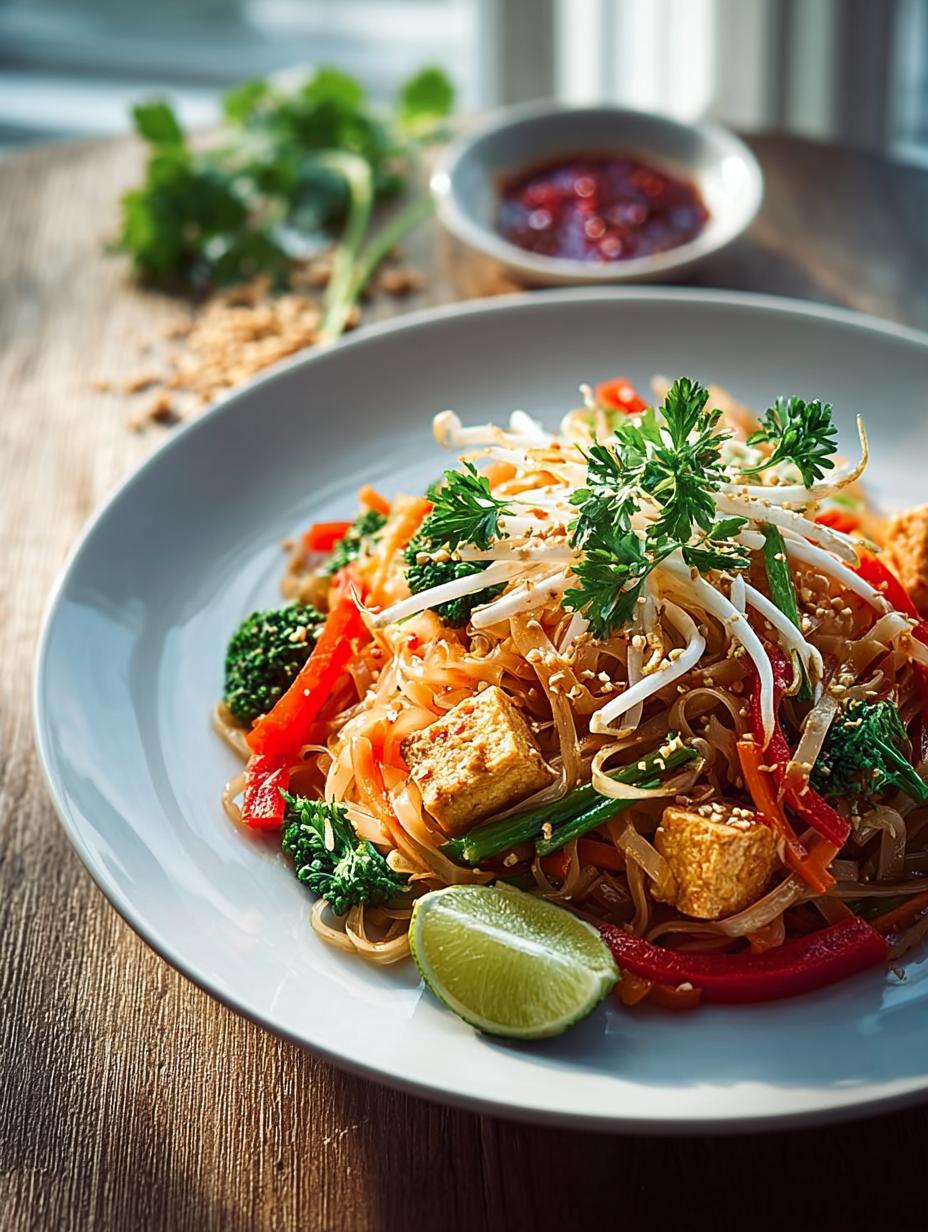
- Add some Vegan Pad Thai with tofu for extra protein and flavor.
- Incorporate other vegetables like bell peppers or snap peas for added crunch.
- For a spicy Vegan Pad Thai recipe, include a dash of sriracha or chili paste to the sauce.
- Experiment with different noodles such as zucchini noodles for a low-calorie Vegan Pad Thai option.
For more delicious plant-based recipes, check out Irresistible Thai Red Curry Kabobs or Heartwarming Tuscan White Bean Recipe. You can also explore Creamy Sausage Potato Chowder for a comforting meal.
Print
Vegan Pad Thai: 7 Reasons to Love this Plant-Based Delight
- Total Time: 35 minutes
- Yield: 2-3 servings 1x
- Diet: Vegan
Description
This vegan pad thai is a flavorful, colorful, and satisfying plant-based take on the classic Thai stir-fried noodle dish.
Ingredients
- 200 g / 7 oz wide rice noodles
- 2 spring onions, sliced
- 2 garlic cloves, finely sliced
- 1 hot red chilli, finely sliced
- 2 carrots, shaved into ribbons with a speed peeler
- A large handful of green beans, cut diagonally
- ½ small broccoli, divided into florets
- 1 red pepper, finely sliced
- 5 tbsp tamarind sauce
- 1 tbsp tamari / soy sauce
- 2 tbsp vegan fish sauce or more tamari / soy sauce
- 2–3 tbsp maple syrup, adjust to taste
- 2 tbsp peanut oil (or other high smoke point oil)
- ¼ cup roasted & unsalted peanuts, pounded in a pestle & mortar
- ½ cup mung bean sprouts
- Fresh coriander, to garnish
Instructions
- Soak the rice noodles according to the packet instructions, but do not cook them fully as they will be stir-fried later. While soaking, lift the lid occasionally to stir gently to prevent clumping and sticking. Drain and set aside. Optionally toss a little oil through noodles to avoid sticking.
- In a small bowl, combine tamarind sauce, tamari or soy sauce, vegan fish sauce (or additional tamari), and maple syrup. Start with less tamarind if using concentrated shop-bought paste and adjust taste.
- Heat 1 tablespoon of oil in a wok or large frying pan over high heat until nearly smoking. Add sliced spring onions, garlic, and chilli and stir-fry constantly until the onions soften and garlic is fragrant. Remove and set aside, leaving the oil in the wok.
- Add another tablespoon of oil to the same wok without washing. Add vegetables in sequence with a minute or two between additions: broccoli florets, green beans, red pepper slices, and carrot ribbons. Stir-fry until vegetables are cooked but still crisp. Transfer to a plate.
- Pour the prepared sauce into the wok, add the drained noodles and gently separate any clumps by stirring. Return the cooked aromatics and vegetables to the wok, mixing everything thoroughly.
- Stir-fry everything together for 1-2 minutes to allow the flavors to meld and the noodles to absorb the sauce.
- Divide the pad thai between 2-3 plates. Garnish generously with mung bean sprouts, crushed peanuts, and fresh coriander. Serve with lime wedges on the side if desired.
Notes
- Prep Time: 10 minutes
- Cook Time: 25 minutes
- Category: Main Dish
- Method: Stir-fry
- Cuisine: Thai
Nutrition
- Serving Size: 1 serving
- Calories: 534
- Sugar: 6 g
- Sodium: 600 mg
- Fat: 15.7 g
- Saturated Fat: 2.5 g
- Unsaturated Fat: 12 g
- Trans Fat: 0 g
- Carbohydrates: 88.8 g
- Fiber: 4 g
- Protein: 10.6 g
- Cholesterol: 0 mg

Written by Chef Anna
I'm Anna - a Le Cordon Bleu-trained chef, recipe developer, and the voice behind Chef Johns Gourmet. After a decade in professional kitchens, I now spend my mornings testing recipes and my afternoons writing them down so you can make them perfectly in your own kitchen. Every one of the 1,100+ recipes on this site has been personally cooked, tasted, and refined. I write like I'm standing next to you, walking you through every step. Simple recipes. Bold flavors. Made for real kitchens.