
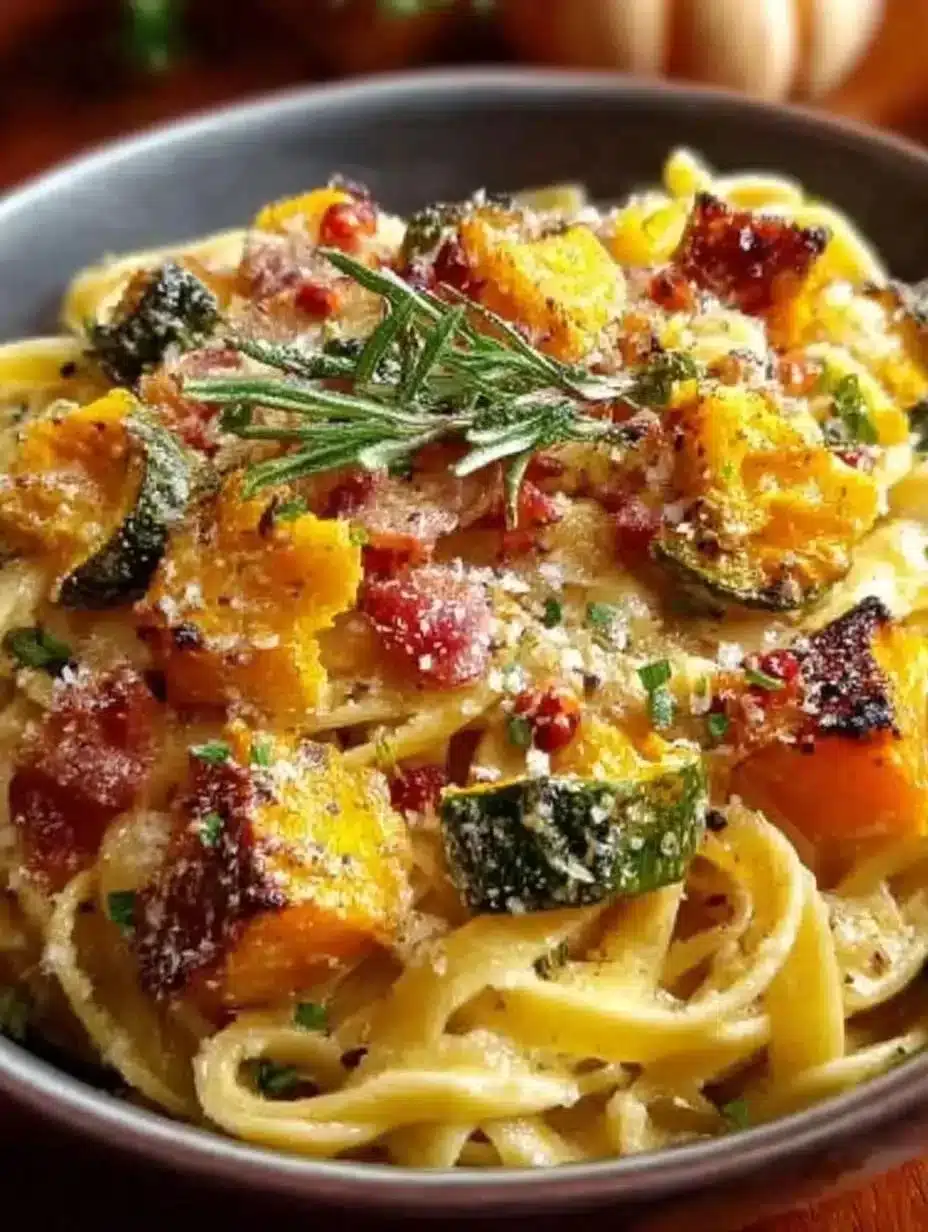
Autumn Sausage Pasta — Cozy Fall One-Pot Dinner
Bright orange roasted squash, browned sweet sausage, and a hit of crisp sage make Autumn Sausage Pasta smell like the season itself. After testing this version eight times and refining the roast-and-sauce steps, I landed on a balance of sweetness, savory fat, and bright acidity that keeps the dish from feeling heavy. I first perfected this approach while staging at a neighborhood Italian bistro where we paired winter squash with sausage for a popular special. This recipe is fast, feeds four, and adapts well to what’s in your pantry, whether you use short pasta or homemade ribbons. Read on for exact measurements, timing cues, and the small techniques that make it reliably creamy and saucy every time.
Why This Recipe Works
- Roasting the squash concentrates sugars and adds a caramelized edge that plays against the sausage fat.
- Browning the sausage first builds browned bits (fond) that deepen the sauce flavor when deglazed with wine or stock.
- A splash of pasta water emulsifies the sauce, turning simple cream or stock into a silky coating without extra heaviness.
- Fresh sage leaves fried briefly in butter release oil that perfumes the entire dish; don’t skip this step.
- Short pasta (penne, rigatoni) traps cubes of squash in each bite, ensuring balanced texture.
Ingredients Breakdown
- Pasta — 400 g (14 oz) short pasta such as penne or rigatoni. The ridges hold sauce and squash. Use a slightly smaller shape (e.g., 350 g / 12 oz) if you prefer a denser sauce-to-pasta ratio.
- Butternut squash — 600 g (1 lb 5 oz), peeled and cut into 2 cm (3/4-inch) cubes. Roasting concentrates sweetness. For a swap, use kabocha (see substitutions).
- Sweet Italian sausage — 450 g (1 lb), casings removed. Sausage brings spice and fat; for milder flavor, choose sweet fennel sausage.
- Onion — 1 medium (150 g / 5.3 oz), finely chopped. Adds savory backbone.
- Garlic — 3 cloves, minced. Adds aromatic punch.
- Fresh sage — 12–16 leaves. Frying the leaves briefly in butter releases their flavor; dried sage won’t match this intensity.
- White wine or chicken stock — 120 ml (1/2 cup). Wine adds brightness; use stock if you prefer no alcohol.
- Heavy cream — 120 ml (1/2 cup). Creates silkiness. For lighter option use 240 ml (1 cup) whole milk plus 1 tsp cornstarch.
- Parmesan cheese — 60 g (1/2 cup), finely grated. Adds umami and salt.
- Olive oil and unsalted butter — for roasting and finishing.
- Salt & black pepper — taste and adjust. Use Diamond Crystal kosher salt if possible; if you use Morton’s, halve the quantity because it’s denser.
- Optional: red pepper flakes for heat, lemon zest for brightness.
Note on substitutions: You can try Greek yogurt instead of cream for tang, but the sauce will be less glossy and more tangy. If using pre-shredded Parmesan, note it often contains anti-caking agents that can affect melt — freshly grated is best.
Essential Equipment
- Baking sheet with rim (quarter-sheet or 30 x 40 cm / 12 x 16 in) for roasting squash.
- Large skillet or sauté pan with lid, 28–30 cm (11–12 in), to brown sausage and toss pasta.
- Large pot for boiling pasta.
- Spider or slotted spoon for transferring roasted squash.
- Microplane or fine grater for cheese.
- If you don’t have a rimmed baking sheet, roast squash in a shallow ovenproof dish; spread pieces in a single layer to encourage caramelization.
Step-by-Step Instructions
Makes 4 servings | Prep time 20 minutes | Cook time 25 minutes | Inactive time None | Total time 45 minutes
Step 1: Roast the Squash
Preheat the oven to 220°C (425°F). Toss 600 g (1 lb 5 oz) cubed butternut with 2 tbsp (30 ml) olive oil and 1/2 tsp salt on a rimmed baking sheet. Roast until caramelized at the edges and tender, about 20–25 minutes, turning once at 12 minutes; squash should be fork-tender and golden.
Step 2: Brown the Sausage
While squash roasts, heat a large skillet over medium-high and add 1 tbsp (15 ml) olive oil. Crumble 450 g (1 lb) sweet Italian sausage into the pan and brown, stirring, for 5–7 minutes until deeply browned and cooked through; the pieces should have crisp edges and an internal temperature of 74°C (165°F). Transfer sausage to a bowl, leaving fat in the pan.
Step 3: Build the Sauce Base
Reduce heat to medium, add 1 tbsp (14 g) unsalted butter and the chopped onion (150 g / 5.3 oz). Sauté until translucent and fragrant, about 4–5 minutes. Add 3 minced garlic cloves and cook 30–45 seconds. Deglaze with 120 ml (1/2 cup) white wine or chicken stock, scraping up browned bits, and simmer 2 minutes to reduce slightly.
Step 4: Combine Pasta and Sauce
Bring a large pot of salted water to a rolling boil and cook 400 g (14 oz) pasta until al dente, following package minus 1 minute, usually 8–10 minutes depending on shape. Reserve 240 ml (1 cup) pasta cooking water, then drain pasta. Return drained pasta to the pot or toss directly in the skillet with the sauce.
Step 5: Finish the Sauce
To the skillet, add 120 ml (1/2 cup) heavy cream, 60 g (1/2 cup) grated Parmesan, the browned sausage, and roasted squash. Toss with 120–180 ml (1/2–3/4 cup) reserved pasta water until the sauce is glossy and coats the pasta, about 1–2 minutes. Do not overmix — stop as soon as the sauce comes together.
Step 6: Crisp the Sage and Serve
In a small pan, melt 1 tbsp (14 g) butter over medium and fry 12–16 sage leaves for 20–30 seconds until crisp; drain on paper towel. Toss the pasta with lemon zest (optional), season to taste, and top with fried sage and more Parmesan. Serve hot.
Expert Tips & Pro Techniques
- Prevent soggy squash: roast in a single layer at high heat (220°C / 425°F) so pieces caramelize rather than steam.
- Common mistake and fix: if your sauce is thin, don’t add more cream — simmer briefly and add a splash of reserved pasta water plus 1 tbsp grated Parmesan to thicken and bind. If it’s too thick, add hot pasta water 1 tbsp at a time.
- Make-ahead: roast the squash and brown the sausage up to 48 hours in advance; refrigerate separately. Reheat together quickly in the skillet and finish with cream and pasta for a near-fresh result.
- Professional shortcut for home: use reserved pasta water like a restaurant — its starch helps emulsify the sauce and gives restaurant-like gloss without extra fat.
- Texture contrast: save a few roasted squash cubes and some extra crisped sausage to sprinkle on top for interest.
- Knife skills tip: cut squash into uniform 2 cm (3/4-inch) cubes for even roasting time.
Storage & Reheating
- Refrigerator: Store cooled pasta in an airtight container for up to 3 days. Keep roasted squash and sausage separate if possible to preserve texture.
- Freezer: This dish freezes okay but cream can separate; for best results, freeze the components separately. Freeze cooked sausage and roasted squash in airtight containers for up to 3 months. Thaw overnight in fridge.
- Reheating: Reheat gently on the stove over low heat with a splash of water or broth, stirring until warm. Or reheat in a 175°C (350°F) oven for 10–12 minutes in an ovenproof dish covered with foil. Avoid microwaving when possible — it can make the cream separate and the squash mushy.
Variations & Substitutions
- Gluten-Free Version: Use 400 g (14 oz) certified 1:1 gluten-free pasta. Cook according to package instructions and reduce finishing water slightly. Texture may be softer; serve immediately.
- Spicy Version: Swap sweet sausage for hot Italian sausage (450 g / 1 lb). Reduce added red pepper flakes. Everything else stays the same.
- Vegetarian Swap: Replace sausage with 1 can (240 g / 8.5 oz) of cooked chickpeas tossed in 1 tbsp smoked paprika and pan-roasted for 6–8 minutes. Use vegetable stock for deglazing and the same cream finish.
- Butternut alternative: For a nuttier flavor, substitute kabocha or acorn squash but roast time may change by 5–10 minutes.
- Lighter sauce: Use 240 ml (1 cup) whole milk plus 1 tsp cornstarch whisked in; cook until thickened by 2–3 minutes. Flavor will be less rich but lighter.
Serving Suggestions & Pairings
- A crisp green salad with lemon vinaigrette brightens the meal — serve with shaved Parmesan on top. Pair with our Chicken Pesto Pasta for a contrasting herb-forward main if you’re hosting a buffet.
- Roasted Brussels sprouts or sautéed garlic greens complement the sweet squash. For an autumn spread, include our Autumn Harvest Beef Stew recipe as a hearty second for large gatherings.
- Wine pairing: an unoaked Chardonnay or a light Sangiovese works well; both cut through the sausage fat and echo the squash sweetness.
- For a cold lunch, toss leftover pasta with a drizzle of olive oil and fresh herbs — it holds up well.
Nutrition Information
Per serving (1 1/4 cups); recipe makes 4 servings.
- Calories: 610 kcal
- Total Fat: 30 g
- Saturated Fat: 12 g
- Cholesterol: 95 mg
- Sodium: 820 mg
- Total Carbohydrates: 58 g
- Dietary Fiber: 5 g
- Sugars: 7 g
- Protein: 24 g
Nutrition values are estimates. Actual values may vary based on specific ingredients and preparation methods.
Frequently Asked Questions
Q: Why did my pasta sauce separate or look greasy?
A: If the sauce separates it likely overheated or lacked enough emulsifier. Turn heat to low and whisk in reserved hot pasta water 1 tbsp at a time and 1 tbsp grated Parmesan until glossy. Avoid boiling the cream.
Q: Can I make this without eggs?
A: Yes. Most dried pastas contain no eggs; simply use a labeled egg-free pasta. The recipe’s sauce doesn’t rely on eggs, so the dish works well for egg-free cooks.
Q: Can I double this recipe for a crowd?
A: Yes, you can double ingredients and use two large pans or work in batches. Keep roasting squash in a single layer; if your oven is crowded, roast in two sheets and rotate for even browning.
Q: Can I prepare this the night before?
A: Absolutely. Roast the squash and brown the sausage the night before, store separately in the fridge, and finish the sauce and pasta just before serving for best texture.
Q: How long does this keep in the fridge?
A: Stored in an airtight container, it keeps 3 days. Keep squash and sausage separate from pasta if you want the best texture on reheating.
Q: My squash burned on the edges but stayed firm — what went wrong?
A: You likely had pieces that were too small or the pan too crowded. Cut cubes to a uniform 2 cm (3/4-inch) and arrange in a single layer. If edges brown too fast, lower oven to 200°C (400°F) and add 2–3 minutes to roast time.
Q: What if I don’t have fresh sage?
A: Dried sage is much more concentrated and loses some brightness. Use 1/3 tsp dried sage stirred into the skillet with the onions, but expect a different, less vibrant flavor.
Conclusion
This Autumn Sausage Pasta balances roast-sweet squash, savory browned sausage, and a silky, emulsified sauce for a simple weeknight winner. For more seasonal pasta ideas and inspiration on pairing sausage with roasted vegetables, see Autumn Dinner with Sausage, Pasta, Brussels Sprouts and Butternut … and this cozy take on squash and sausage from Butternut Squash, Sage & Sausage Pasta – All Types of Bowls. Enjoy — and if you try the make-ahead trick, it will be your new go-to for busy evenings.
PrintAutumn Sausage Pasta
- Total Time: 45 minutes
- Yield: 4 servings 1x
- Diet: Non-Vegetarian
Description
A cozy fall one-pot dinner featuring roasted butternut squash, sweet Italian sausage, and crispy sage for a comforting meal.
Ingredients
- 400 g (14 oz) short pasta (penne or rigatoni)
- 600 g (1 lb 5 oz) butternut squash, peeled and cut into 2 cm cubes
- 450 g (1 lb) sweet Italian sausage, casings removed
- 1 medium onion (150 g / 5.3 oz), finely chopped
- 3 cloves garlic, minced
- 12–16 fresh sage leaves
- 120 ml (1/2 cup) white wine or chicken stock
- 120 ml (1/2 cup) heavy cream
- 60 g (1/2 cup) grated Parmesan cheese
- Olive oil and unsalted butter (for roasting and finishing)
- Salt and black pepper to taste
- Optional: red pepper flakes, lemon zest
Instructions
- Preheat the oven to 220°C (425°F). Toss squash with olive oil and salt, roast for 20-25 minutes.
- While the squash roasts, heat olive oil in a skillet, crumble sausage and brown for 5-7 minutes.
- Reduce heat, add butter and onion, sauté until translucent, then add garlic and deglaze with wine or stock.
- Bring a large pot of salted water to boil, cook pasta until al dente, reserving pasta water, then drain pasta.
- Add heavy cream, Parmesan, sausage, and roasted squash to the skillet, tossing with reserved pasta water until sauce is glossy.
- In a small pan, melt butter and fry sage leaves until crisp, then drain on paper towel. Serve pasta topped with fried sage and more Parmesan.
Notes
Make ahead by roasting squash and browning sausage 48 hours in advance. Store separately for better texture when reheating.
- Prep Time: 20 minutes
- Cook Time: 25 minutes
- Category: Main Course
- Method: Baking
- Cuisine: Italian
Nutrition
- Serving Size: 1 serving
- Calories: 610 kcal
- Sugar: 7 g
- Sodium: 820 mg
- Fat: 30 g
- Saturated Fat: 12 g
- Unsaturated Fat: 18 g
- Trans Fat: 0 g
- Carbohydrates: 58 g
- Fiber: 5 g
- Protein: 24 g
- Cholesterol: 95 mg

Written by Chef Anna
I'm Anna - a Le Cordon Bleu-trained chef, recipe developer, and the voice behind Chef Johns Gourmet. After a decade in professional kitchens, I now spend my mornings testing recipes and my afternoons writing them down so you can make them perfectly in your own kitchen. Every one of the 1,100+ recipes on this site has been personally cooked, tasted, and refined. I write like I'm standing next to you, walking you through every step. Simple recipes. Bold flavors. Made for real kitchens.