
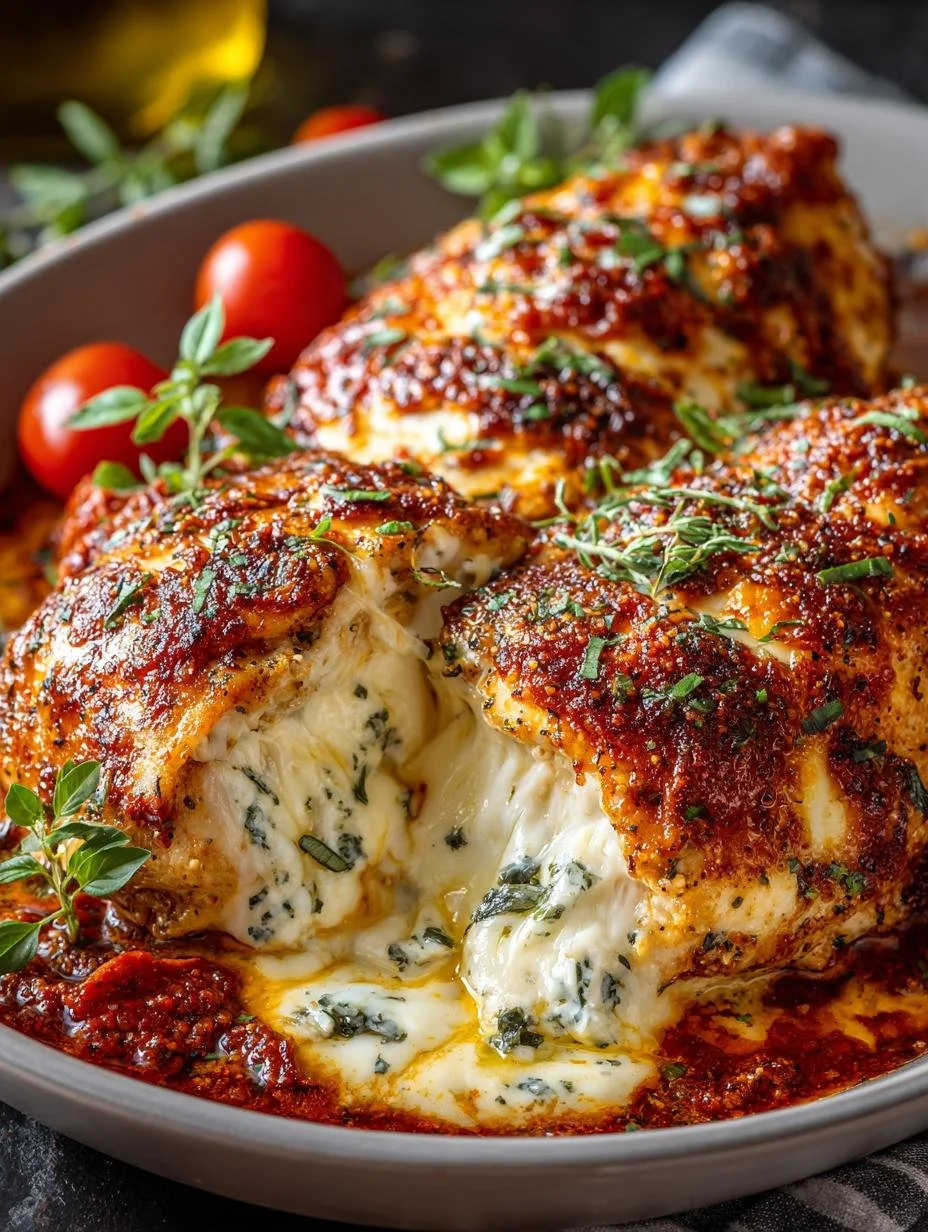
Traditional Cheesy Mozzarella Chicken Bake guide
If you love warm, bubbling cheese over juicy chicken, this guide will take you from curious beginner to confident cook in one reassuring sweep. In the next pages you’ll get a clear, practical pathway through ingredients, technique, troubleshooting, and creative variations so your Cheesy Mozzarella Chicken Bake becomes a repeatable family favorite.
You’ll gain: a foundational understanding of why each step matters, tools and substitutions that save time and money, a step-by-step recipe with time estimates, advanced tips to lift flavor and texture, and a compact quick-reference to return to when you need results fast.
For extra context while you read, you may notice parallels with other comfort-bake techniques such as the baked garlic chicken meatloaf technique, which shares ideas about seasoning and moisture control.
Background & Context
The dish we call a Cheesy Mozzarella Chicken Bake is part of a broader family of oven-baked chicken casseroles that pair a tender protein with a melty topping to create a comforting single-dish meal. When people ask about the "Authentic Cheesy Mozzarella Chicken Bake origin," the honest answer is that it’s an evolution rather than a single birthplace.
Baked, cheese-topped chicken likely grew from European gratin and casserole traditions, then adapted in home kitchens across America and the Mediterranean to emphasize simple, accessible ingredients. The "Classic Cheesy Mozzarella Chicken Bake history" is therefore one of practical home cooking: chicken, pantry staples, and cheese combined for ease and satisfaction.
These recipes have real-world relevance: they scale easily, travel well as leftovers, and suit busy schedules. This adaptability is why the form persists in family cookbooks and weeknight rotation. If you want to explore variations rooted in different flavor traditions, look at the way the buffalo chicken twice-baked variation rethinks the same bake format with a spicy sauce and different cheese choices.
Personal note: in my experience, the most memorable iterations come from small adjustments—switching herbs, brining briefly, or toasting breadcrumbs—rather than dramatic reinventions. That’s the core appeal of a "Traditional Cheesy Mozzarella Chicken Bake guide": small, intentional choices produce reliably great results.
Why This Approach Works
This guide emphasizes technique over exact replication. Here’s why that matters.
- Predictability: Understanding moisture control, heat, and cheese behavior lets you reproduce results across ovens and ingredient brands.
- Accessibility: Ingredients are common and budget-friendly, and most steps use standard home-kitchen tools.
- Flexibility: Once you grasp the structure—seasoned chicken, a binding sauce, and a melty topping—you can adapt it to dietary needs and regional flavors.
- Efficiency: The method minimizes active hands-on time while maximizing flavor development, ideal for weeknight cooking or small gatherings.
Common doubts addressed:
- “Will the chicken dry out?” Not if you control sear, bake time, and sauce moisture—this guide explains each.
- “Is mozzarella the only cheese?” No. Mozzarella provides stretch and mildness; alternatives and blends are covered below.
- “Does it need breadcrumbs?” Optional. Breadcrumbs add texture and absorb excess moisture, but you can skip them for lower-carb versions.
Core Concepts Explained
Break the dish into three essential components: the chicken, the binding/sauce, and the topping.
Protein (chicken)
- Options: boneless skinless breasts, thighs, or bone-in pieces.
- Key idea: uniform thickness ensures even cooking. Pound breasts, or choose evenly sized thighs.
- Example: A 6–8 oz breast pounded to ½ inch cooks similarly to other pieces; adjust bake time for thickness.
Binding / Sauce
- Purpose: adds moisture, flavor, and a medium for cheese to adhere.
- Types: tomato-based (marinara), cream-based (garlic cream, Alfredo), or lighter options (salsa, pesto).
- Simplification: A jarred marinara thinned with a splash of chicken stock works well when time is tight.
Cheese / Topping
- Mozzarella: mild, melts evenly, gives stretch.
- Blends: add Parmesan for sharpness, provolone for depth, or fontina for creaminess.
- Textural enhancers: toasted breadcrumbs, crushed crackers, or panko give a crunchy contrast.
Alternatives and substitutions:
- Dairy-free: use a plant-based mozzarella and an extra layer of flavor (smoked paprika, miso) to compensate.
- Low-sodium: rinse canned tomatoes, use low-salt stock, and taste as you go rather than salting heavily up front.
Tools, Resources, or Foundations
Essentials:
- Oven-safe baking dish (9×13 or equivalent)
- Meat thermometer (probe type preferred)
- Skillet for searing (cast iron ideal)
- Sharp knife and cutting board
Optional enhancements:
- Kitchen torch for spot browning
- Rack to elevate chicken (keeps underside crisper)
- Microplane for fresh cheese or zest
Budget-friendly / beginner alternatives:
- If you don’t have a skillet, you can sear chicken in the oven by broiling briefly to get color.
- Pre-shredded mozzarella saves time but melts slightly differently; freshly grated cheese often melts creamier.
For inspiration on how other single-dish bakes use flavor layering and convenience methods, consider adapting techniques used in a Cheesy Baja chicken method—it’s a good source for thinking about spice blends and assembly.
Usefulness commentary:
- The right tools shorten the learning curve. A meat thermometer is the single most effective investment for consistent roast results.
Step-by-Step Process
Below is a flexible, reliably repeatable process. Time estimates assume four 6–8 oz chicken breasts.
Estimated total time: 45–60 minutes (including 10–15 minutes active prep, 25–35 minutes cooking).
Ingredients (baseline)
- 4 boneless skinless chicken breasts (pounded to ½ inch)
- Salt and pepper
- 1–2 tbsp olive oil or butter
- 1.5–2 cups marinara or chosen sauce
- 2 cups shredded fresh mozzarella
- ½ cup grated Parmesan (optional)
- Fresh basil or parsley for finishing
Step 1 — Prep (10–15 minutes)
- Pat chicken dry and season both sides with salt and pepper.
- Preheat oven to 400°F (205°C).
- If using thick breasts, pound to even thickness.
Step 2 — Sear (optional but recommended; 6–8 minutes)
- Heat skillet over medium-high with oil.
- Sear chicken 2–3 minutes per side until golden; internal temp will continue rising in the oven.
- Transfer to the baking dish.
Why sear? It develops flavor through the Maillard reaction and helps seal surface proteins so juices are better retained during baking.
Step 3 — Sauce and assembly (5 minutes)
- Spoon sauce over and around each piece of chicken. Don’t drown the dish—aim for a coating that keeps the chicken moist.
- Sprinkle mozzarella evenly, then Parmesan and breadcrumbs if using.
Step 4 — Bake (20–25 minutes)
- Bake uncovered at 400°F until chicken reaches 160–165°F and cheese is bubbly and lightly golden.
- Broil 1–2 minutes if you want extra browning; watch closely to avoid burning.
Step 5 — Rest & finish (5 minutes)
- Let rest 5 minutes to allow juices to redistribute.
- Finish with fresh herbs and a drizzle of good olive oil.
H3 — Time and temperature notes
- Thinner pieces (½ inch): 18–22 minutes.
- Thicker breasts (1 inch): 25–30 minutes.
- Bone-in pieces: add 10–15 minutes; check temperature near the bone.
Common mistakes + how to avoid them
- Overcrowding the pan → cook in batches or use a larger dish.
- Too much sauce → use less, or drain excess at the end.
- Not testing temp → use a thermometer, not assumptions.
Pro tips
- Under-seasoning early is common; taste your sauce and adjust before assembly.
- Add a small pat of butter under the cheese for extra silkiness.
- For crispier edges, bake in a dish set on a preheated baking sheet.
For a make-ahead, low-effort approach that embraces flavorful sauces and short active time, see the chicken tzatziki dump bake approach—it shares useful ideas about assembly and resting.
Expert Techniques & Insights
- Salt timing: Salt early on thicker cuts to help with seasoning penetration; for quick-cooked breasts, salt just before searing to avoid drawing out moisture.
- Layering flavor: Add a thin smear of Dijon or roasted garlic under the cheese for subtle complexity.
- Cheese management: Mix 80% mozzarella with 20% aged cheese (Parmesan or pecorino) for a balance of meltiness and savory punch.
- Texture contrast: For crunch, add a panko-lemon-parmesan topping finished under the broiler for one minute.
- Moisture control: If sauce is very watery, simmer it briefly to concentrate flavor before using.
Lessons learned: trust the thermometer, and don’t skip rest time. Those two habits transform average bakes into reliably juicy dishes.
Variations & Adaptations
This format supports many directions.
- Mediterranean: Use marinara, add olives, artichoke hearts, and finish with feta and oregano.
- Creamy garlic: Replace marinara with a light garlic cream sauce and use fontina with mozzarella.
- Low-carb: Skip breadcrumbs and serve over sautéed greens or cauliflower rice.
- Spicy: Mix hot honey or crushed red pepper into the sauce for a sweet-heat profile.
- Meal-prep: Portion into individual containers; hold off on reheating cheese until service to prevent rubberiness.
Skill-level adaptations:
- Beginner: Use pre-shredded cheese and jarred sauce; focus on searing and timing.
- Intermediate: Make a simple homemade marinara and freshly shred cheese.
- Advanced: Brine the chicken briefly, confit garlic for the sauce, or finish with a compound herb butter.
For another creative adaptation that blends bold flavors into the bake format, look at the dump bake chicken tzatziki adaptation—it’s a good example of how different sauces change the role of cheese.
Analysis & Benefits Breakdown
Below is a compact comparative view of different choices and their effects.
| Choice | Strengths | Limitations | Best use |
|—|—:|—|—|
| Mozzarella-only | Melty, stretchy, mild | Can be bland alone | Classic, family-friendly |
| Mozzarella + Parmesan | Balanced melt and sharpness | Slightly costlier | Best all-around |
| Marinara base | Bright acidity, pairs with cheese | Can make dish wetter | Traditional Italian-style |
| Cream base | Luxurious mouthfeel | Heavier, less bright | Comfort, winter evenings |
| Panko topping | Crisp contrast | Can dry surface if overdone | Adds texture balance |
Comparative insights:
- For weeknight wins, mozzarella plus a good marinara balances convenience and flavor.
- For dinner-party impression, brine and sear, then use a mixed-cheese topping and a breadcrumb crust.
Considerations:
- Nutritional profile varies widely by cheese and sauce choice.
- Oven performance affects browning; calibrate your temperature based on an oven thermometer.
Preparation, Retention & Long-Term Use
Preparing effectively:
- Do mise en place: shred cheese, measure sauce, and flatten chicken before you start heating the oven.
- Make sauce ahead: marinara or garlic cream improves after a few hours in the fridge.
Retention & reuse strategies:
- Leftovers keep 3–4 days refrigerated in an airtight container.
- Reheat at 350°F covered for 10–15 minutes to avoid overcooking; finish uncovered to revive a crisp topping.
Freezing:
- Freeze in a shallow, airtight container for up to 2 months. Thaw in the refrigerator overnight before reheating.
- Note: cheese texture changes after freezing; consider adding a small fresh sprinkle of mozzarella before reheating.
Longevity of skills:
- The techniques here—heat control, seasoning, cheese management—transfer to other bakes and gratins. You’ll use them again in casseroles, stuffed vegetables, and baked pasta.
Troubleshooting & Common Problems
Problem: Dry, stringy chicken
- Cause: Overcooking or very lean breasts without protection.
- Solution: Use a thermometer and remove at 160–162°F; rest to reach 165°F. Brine or add a light sauce layer before baking.
Problem: Soggy topping, no crunch
- Cause: Excess sugary or watery sauce; too much coverage of cheese.
- Solution: Use less sauce, drain excess before serving, or add a breadcrumb topping and brief broil to crisp.
Problem: Cheese won’t brown
- Cause: High moisture, low sugar content in cheese, or oven broiler not used.
- Solution: Sprinkle a small amount of grated Parmesan or use broiler for 1–2 minutes.
Problem: Sauce tastes flat
- Cause: Under-seasoned or diluted sauce.
- Solution: Simmer to reduce and concentrate, then adjust salt, acid (vinegar/lemon), and herbs.
Problem: Over-browned edges, undercooked center
- Cause: Oven hot spots, thin edges or uneven thickness.
- Solution: Rotate dish halfway through, use a meat thermometer, and pound chicken to even thickness before searing.
FAQ Section
Q: Can I use frozen chicken?
A: Yes—thaw fully in the refrigerator before cooking for even heat penetration. Cooking from frozen leads to uneven texture.
Q: Is shredded pre-packaged mozzarella acceptable?
A: It works well for convenience, but freshly shredded melts creamier because pre-shredded contains anti-caking agents.
Q: What internal temperature should I target?
A: Remove chicken at 160–162°F; resting brings it to 165°F. This prevents overcooking while ensuring safety.
Q: Can I make this dairy-free?
A: Substitute plant-based mozzarella and boost umami with miso, smoked paprika, or nutritional yeast to compensate for lost dairy flavor.
Q: How do I prevent watery leftovers when reheating?
A: Reheat uncovered in a moderate oven to evaporate excess moisture and revive texture.
Q: What side dishes pair best?
A: Light salads, roasted vegetables, garlic bread, or simple pasta complement the richness without competing.
Q: Can I double the recipe for a crowd?
A: Yes—use a larger pan or multiple pans, and be mindful of bake time (larger batches may need a few extra minutes).
Q: Is brining necessary?
A: Not necessary, but a short salt brine (15–30 minutes) improves juiciness for thicker breasts.
Related Topics & Next Steps
If this guide sparked your curiosity, extend your skills with:
- Homemade marinara and infused tomato sauces
- Brining and dry-brining techniques for poultry
- Cheese blending and how aging affects flavor
- Oven calibration and use of thermometers for precision
Complementary recipes and formats to explore include stuffed chicken breasts, baked pasta bakes, and regional cheese-focused casseroles.
Quick Reference Summary
- Prep: 10–15 minutes; bake: 20–30 minutes.
- Temperature: 400°F (205°C); remove at 160–162°F and rest to 165°F.
- Key steps: season → sear → sauce → cheese → bake → rest.
- Cheese tip: 80% mozzarella + 20% aged cheese = best balance.
- Texture fix: add panko and broil briefly for crunch.
Bookmark this section for rapid recall when you’re in the kitchen.
Conclusion
You now have a full, practical roadmap for making a Traditional Cheesy Mozzarella Chicken Bake guide that’s both reliable and adaptable. Whether you stick to a Classic Cheesy Mozzarella Chicken Bake history-inspired approach with marinara and straight mozzarella, or experiment with cream sauces and crisp toppings, the fundamentals—moisture management, heat control, and thoughtful seasoning—will carry you to consistent results.
For additional recipe inspiration and variations to try alongside what you learned here, check out this practical take on a Cheesy Mozzarella Chicken Bake • Salt & Lavender and this comforting version of a Chicken Mozzarella Bake – Cooking For My Soul. These examples offer different sauce and topping choices you can adapt into your next bake.
If you’d like, I can convert this guide into a reusable system prompt, adapt it for technical recipe tutorials, or create a content evaluation checklist based on the framework used here. Which would help you most next?
Print
Traditional Cheesy Mozzarella Chicken Bake
- Total Time: 45 minutes
- Yield: 4 servings 1x
- Diet: Gluten-Free
Description
A comforting baked dish featuring juicy chicken topped with melting mozzarella cheese, perfect for family dinners.
Ingredients
- 4 boneless skinless chicken breasts (pounded to ½ inch)
- Salt and pepper to taste
- 1–2 tbsp olive oil or butter
- 1.5–2 cups marinara or chosen sauce
- 2 cups shredded fresh mozzarella
- ½ cup grated Parmesan (optional)
- Fresh basil or parsley for finishing
Instructions
- Pat chicken dry and season both sides with salt and pepper.
- Preheat oven to 400°F (205°C).
- If using thick breasts, pound to even thickness.
- Heat skillet over medium-high with oil and sear chicken for 2–3 minutes per side until golden. Transfer to the baking dish.
- Spoon sauce over chicken, then sprinkle mozzarella, Parmesan, and breadcrumbs (if using) on top.
- Bake uncovered for 20–25 minutes until chicken reaches 160–165°F and cheese is bubbly and lightly golden.
- Let rest for 5 minutes, then finish with fresh herbs and a drizzle of olive oil.
Notes
For crispy topping, consider adding panko breadcrumbs and broiling briefly. This dish pairs well with light salads or roasted vegetables.
- Prep Time: 15 minutes
- Cook Time: 25 minutes
- Category: Main Course
- Method: Baking
- Cuisine: Italian
Nutrition
- Serving Size: 1 serving
- Calories: 350
- Sugar: 5g
- Sodium: 400mg
- Fat: 12g
- Saturated Fat: 4g
- Unsaturated Fat: 6g
- Trans Fat: 0g
- Carbohydrates: 45g
- Fiber: 3g
- Protein: 15g
- Cholesterol: 30mg

Written by Chef Anna
I'm Anna - a Le Cordon Bleu-trained chef, recipe developer, and the voice behind Chef Johns Gourmet. After a decade in professional kitchens, I now spend my mornings testing recipes and my afternoons writing them down so you can make them perfectly in your own kitchen. Every one of the 1,100+ recipes on this site has been personally cooked, tasted, and refined. I write like I'm standing next to you, walking you through every step. Simple recipes. Bold flavors. Made for real kitchens.