Updated April 04, 2026 · Tested & verified by Chef John
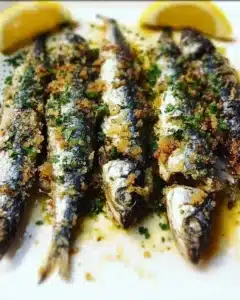
Crispy Spanish fried sardines (boquerones fritos) are fresh sardines dredged in seasoned flour and fried in hot olive oil until golden and shatteringly crisp — ready in under 20 minutes. This iconic Andalusian tapas dish is one of the simplest and most satisfying ways to cook fresh sardines, delivering a crunchy exterior with tender, flaky fish inside.
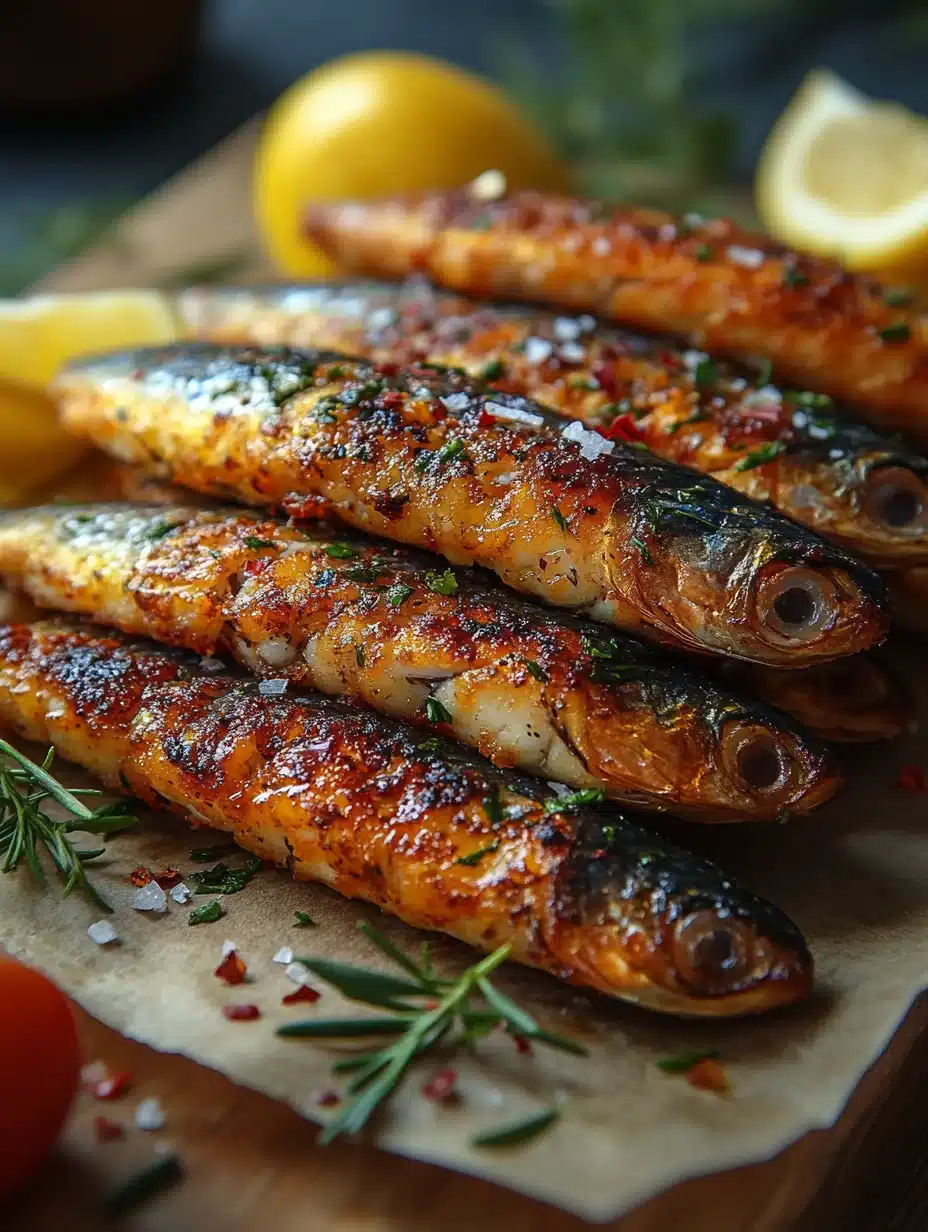
Walk into any chiringuito (beach bar) along the coast of Málaga or Cádiz and you will find these crispy little fish piled high on paper-lined plates. The technique is beautifully minimal: clean, season, dredge, and fry. No batter, no breadcrumbs — just a light coat of seasoned flour that crisps up perfectly in hot olive oil. In Spain, this is considered the gold standard for fried fish.
“The secret to perfect boquerones fritos is dry fish, hot oil, and absolutely no hesitation when it hits the pan.” — Chef John
Crispy Spanish Fried Sardines — Quick Reference
Why This Crispy Spanish Fried Sardines Recipe Works
- Authentic Andalusian technique — flour-only dredge (no batter) creates a lighter, crispier result than breadcrumb coatings
- 5 ingredients, 20 minutes — one of the fastest and most impressive seafood dishes you can make at home
- Nutrient powerhouse — sardines are loaded with omega-3 fatty acids, calcium (you eat the bones!), vitamin D, and protein
- Budget-friendly — fresh sardines cost $3–5 per pound, making this one of the most affordable seafood dishes
- Impressive presentation — serve piled on a platter with lemon and aioli for instant tapas-bar vibes
“Sardines are the most underrated fish in American home cooking. They are sustainable, incredibly nutritious, and when fried properly, they are absolutely addictive.” — Chef John
The Food Science Behind Perfect Fried Sardines
Understanding the science transforms your results from good to exceptional:
- Maillard reaction + flour proteins — At 350–375 °F (175–190 °C), amino acids in the flour react with natural sugars to create that signature golden-brown crust and complex savory flavor. The thin flour coat means this reaction happens fast and evenly.
- Moisture barrier principle — Patting sardines completely dry before dredging is critical. Surface moisture creates steam that pushes the flour coating away from the fish, resulting in a soggy (not crispy) exterior. Dry fish = maximum crispiness.
- Olive oil smoke point — Regular olive oil (not extra virgin) has a smoke point of ~465 °F (240 °C), well above frying temperature. It adds subtle fruity flavor while handling the heat — this is why every Spanish cook fries fish in olive oil, never vegetable oil.
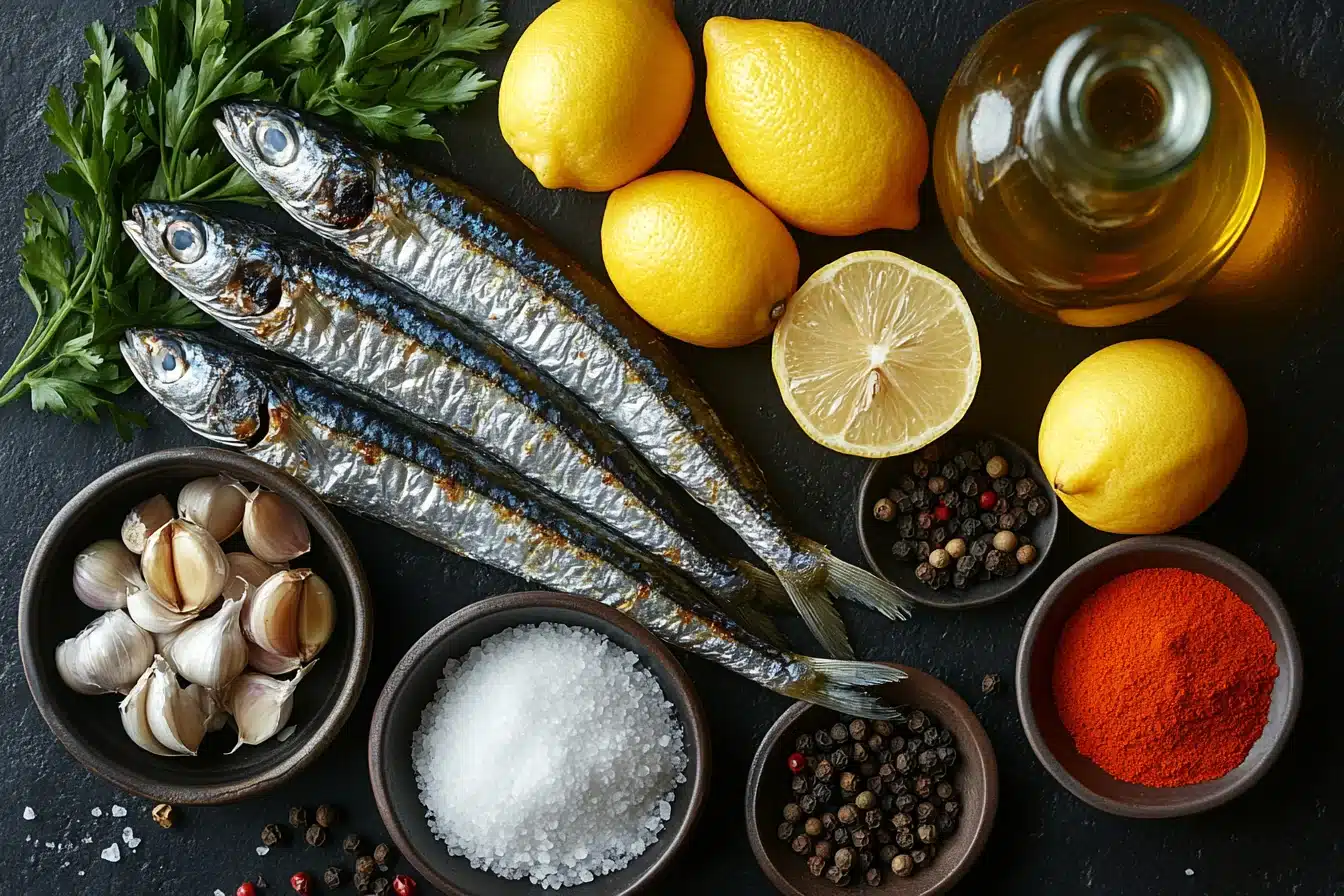
Ingredients for Crispy Spanish Fried Sardines
Essential Equipment
Dietary Substitutions & Variations
How to Make Crispy Spanish Fried Sardines (Step-by-Step)
Step 1: Clean and Prepare the Sardines
Rinse fresh sardines under cold water. Using your thumb, gently push along the belly to remove the innards (or ask your fishmonger to do this). Remove the head if preferred, though many Spanish cooks leave them on for presentation. Rinse the cavity clean and pat the sardines completely dry with paper towels — this is the single most important step for achieving maximum crispiness. Any surface moisture will steam instead of fry.
Step 2: Season the Flour Dredge
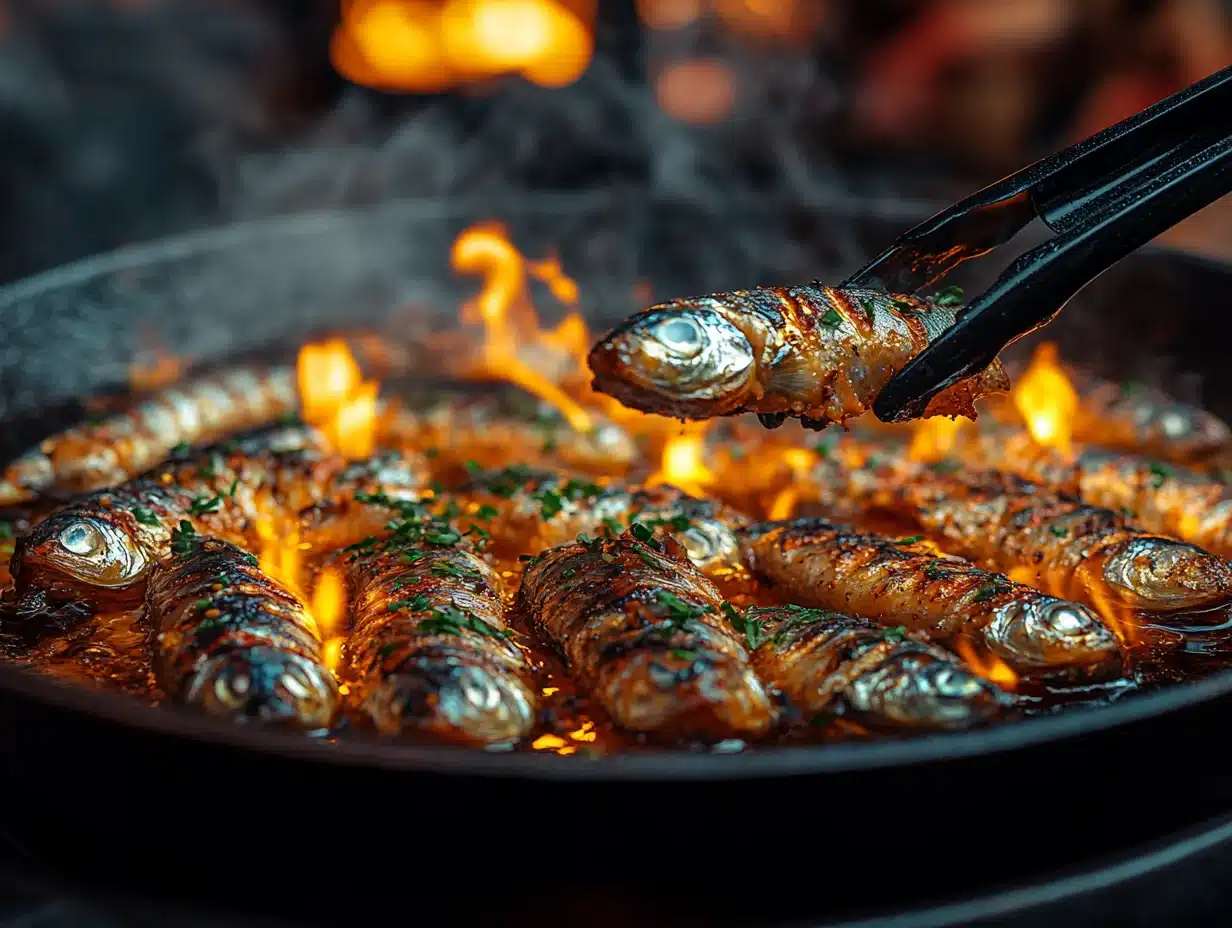
In a shallow dish, whisk together 1 cup all-purpose flour, 1½ tsp fine sea salt, ½ tsp black pepper, 1 tsp smoked paprika (pimentón), and ½ tsp garlic powder. The smoked paprika is what gives these their signature Spanish character — it adds a subtle smoky warmth that regular paprika cannot match. Mix thoroughly so every sardine gets evenly seasoned.
Step 3: Dredge the Sardines
Working one at a time, press each sardine into the flour mixture, flip, and coat all sides including inside the cavity. Shake off excess flour — you want a thin, even coating, not a thick layer. The goal is a whisper-thin coat that will crisp into a delicate shell. Set dredged sardines on a wire rack while you heat the oil. Pro tip: dredge right before frying; if the flour sits too long, it absorbs moisture and gets gummy.
Step 4: Heat the Olive Oil
Pour 2 cups of regular olive oil into a heavy 12-inch skillet or deep fryer. Heat to 360 °F (182 °C) — use a thermometer. The temperature is critical: too low (below 340 °F) and the sardines absorb oil and turn greasy; too high (above 380 °F) and the exterior burns before the fish cooks through. In Spain, olive oil is the only acceptable frying fat for pescaíto frito — it adds subtle fruity depth that vegetable oil cannot replicate.
Step 5: Fry in Batches
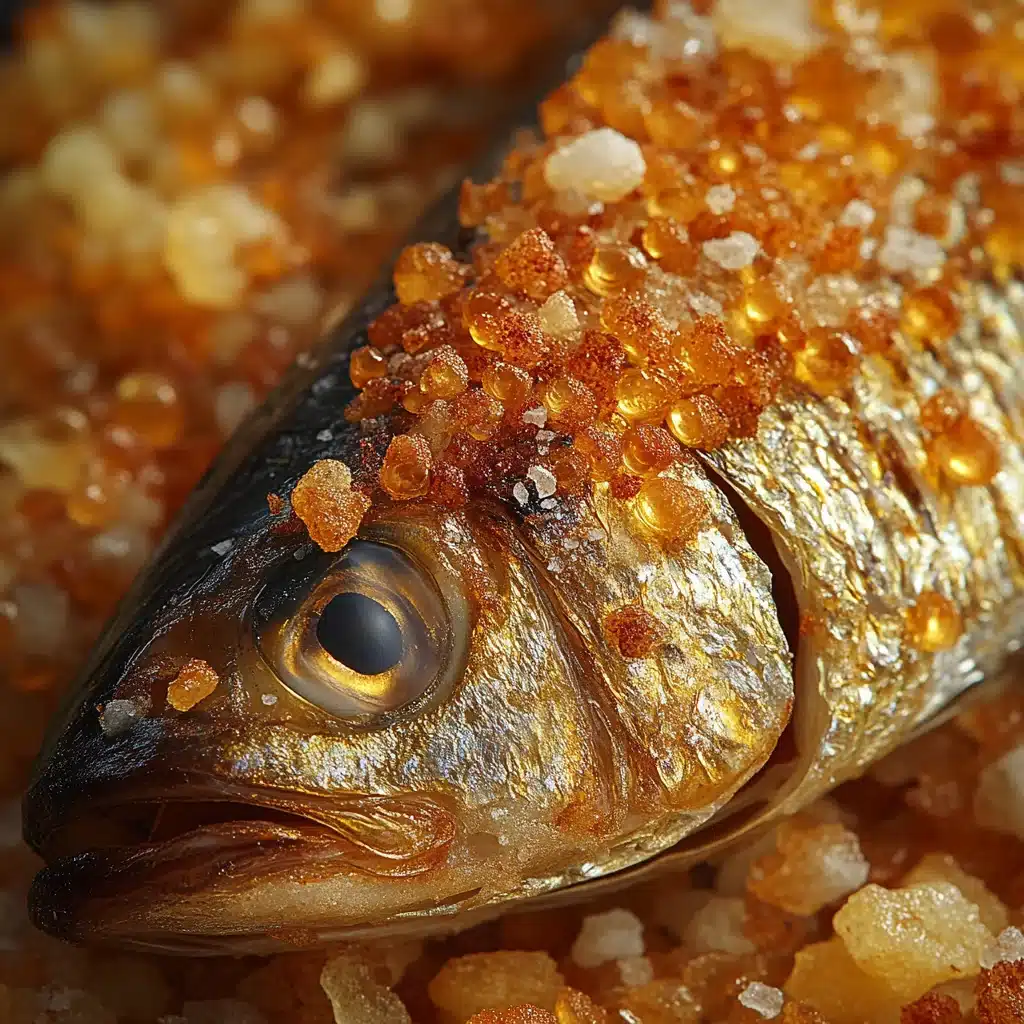
Carefully lower 4-5 sardines into the hot oil using a spider strainer. Do not overcrowd the pan — this drops the oil temperature and creates steaming instead of frying. Fry for 2–3 minutes per side until deep golden brown and the skin is crispy and blistered. Total frying time is 4–6 minutes per batch depending on size. The sardines will float when nearly done — that is your visual cue.
Step 6: Drain and Season Immediately
Transfer fried sardines to a wire cooling rack set over a sheet pan — never drain on paper towels, which trap steam and make the bottom soggy. Immediately sprinkle with a light pinch of flaky sea salt while the oil is still glistening (salt sticks better to hot, slightly oily surfaces). Let the oil return to 360 °F before frying the next batch.
Step 7: Serve Immediately
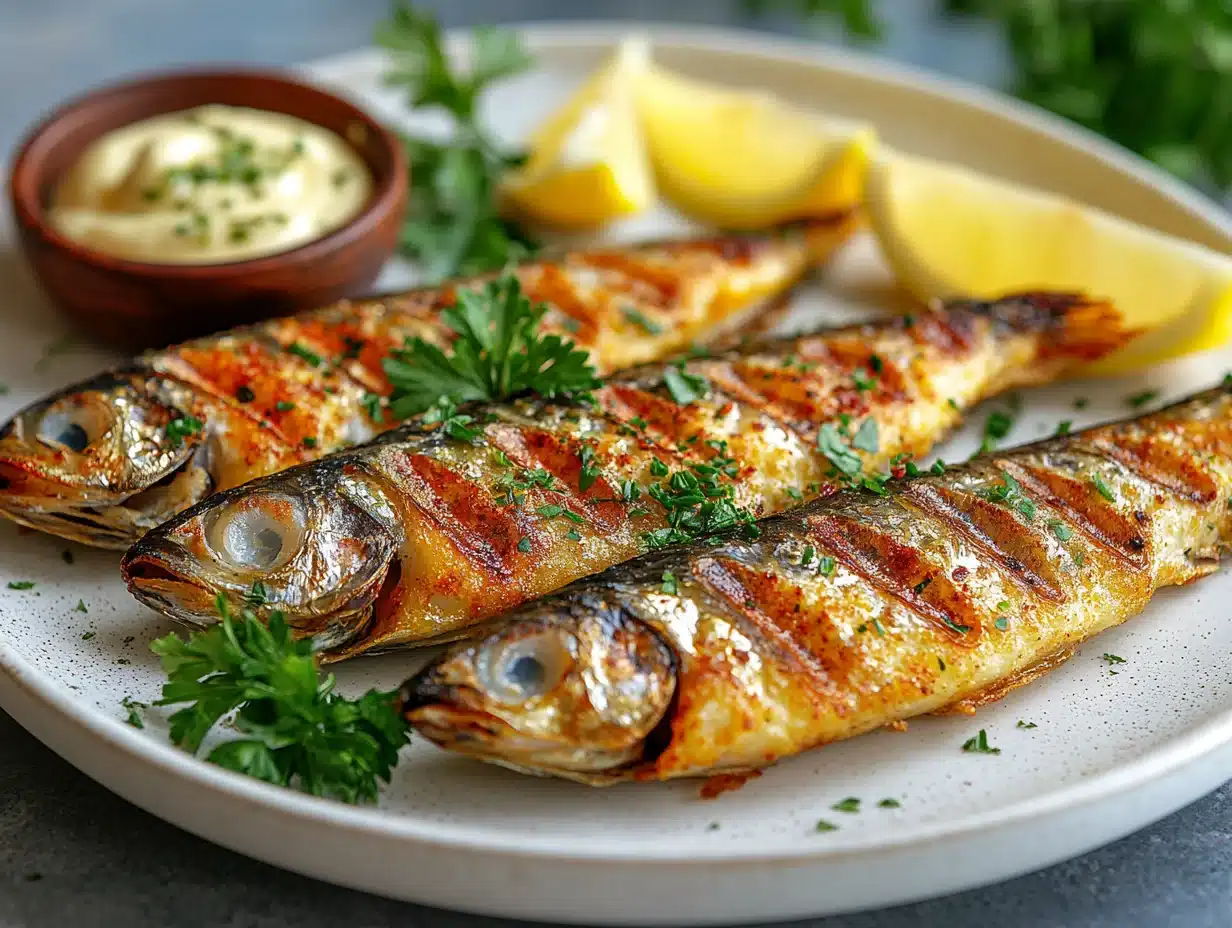
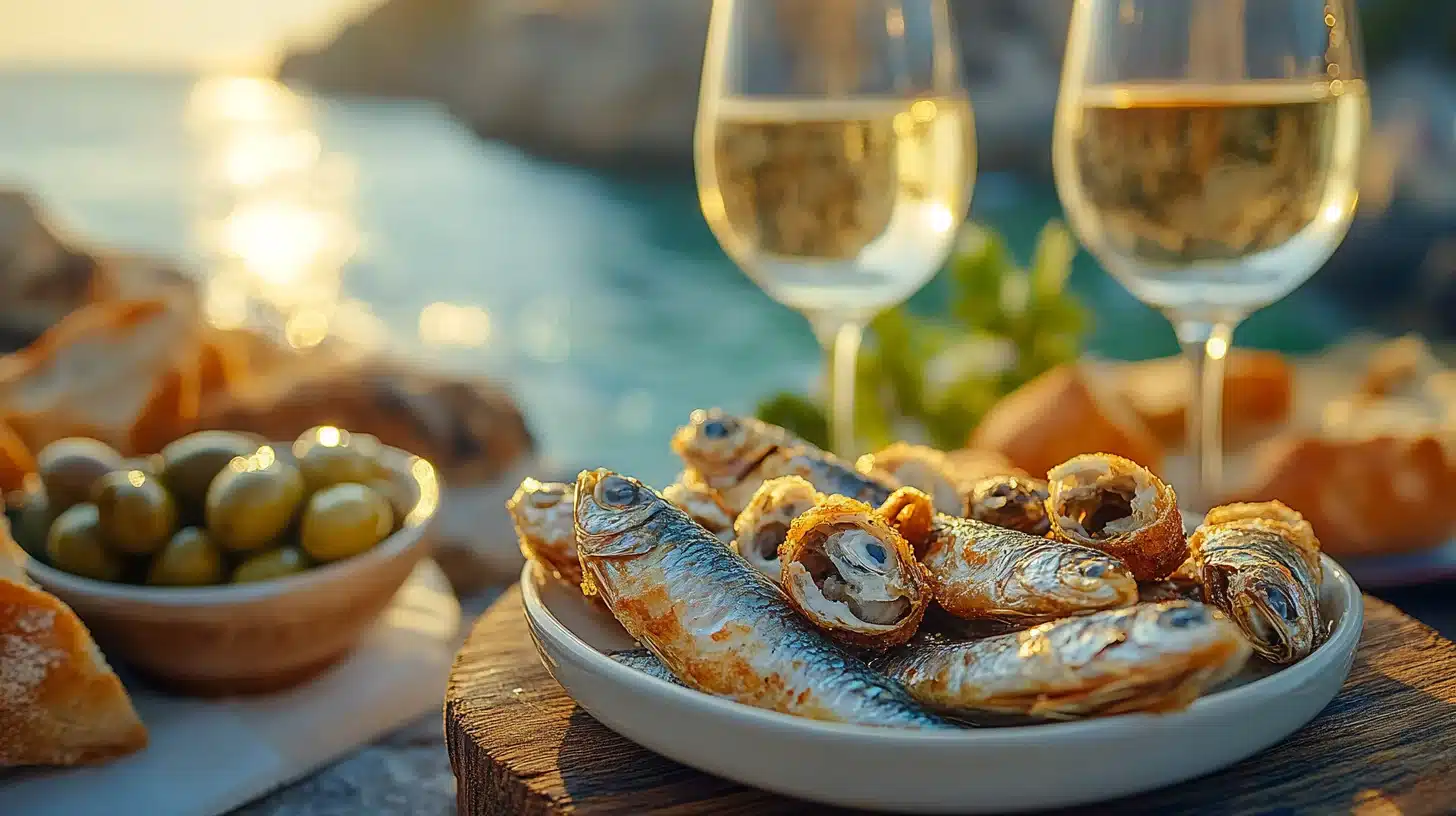
Pile the sardines on a warm platter — traditional Spanish style is a casual mountain of fish on butcher paper. Surround with lemon wedges, scatter fresh parsley on top, and serve with tartar sauce or garlic aioli. These are best eaten within 5 minutes of frying while the coating is at peak crispiness. In Spain, fried sardines are always served with cold beer or crisp white Albariño wine.
Expert Tips for the Crispiest Fried Sardines
- Temperature is everything — Maintain 360 °F (182 °C) between batches. A cheap clip-on thermometer pays for itself in one use. If oil drops below 340 °F, wait before adding more fish.
- Dry, dry, dry — Pat sardines with paper towels at least twice. If you see any moisture pooling after 2 minutes, pat again. This single step makes the difference between crispy and soggy.
- No double-dipping — Once dredged, sardines go directly into oil. Never re-dip or the coating becomes heavy and uneven.
- Wire rack is non-negotiable — Paper towels are the enemy of crispy fried food. A wire rack allows air to circulate under the fish, keeping all sides crispy.
- Small sardines are better — Fish under 6 inches (15 cm) fry faster and more evenly. The bones become soft enough to eat, adding calcium.
- Don’t skip the smoked paprika — Pimentón de la Vera (Spanish smoked paprika) is what makes this dish authentically Spanish. Regular paprika or cayenne are poor substitutes.
- Reuse the oil — Strain and store olive oil in a dark bottle after frying. It can be reused 2-3 times for more fish dishes — each use adds flavor.
What Should You Serve with Crispy Spanish Fried Sardines?
These crispy sardines pair beautifully with both traditional Spanish sides and modern options:
How Can You Customize Fried Sardines? 6 Delicious Variations
How to Store and Reheat Fried Sardines
⚠️ Never reheat in the microwave — it turns the crispy coating into a rubbery, soggy mess. Oven or air fryer only.
Nutrition Information (Per Serving)
Based on 4 servings. Values approximate per USDA FoodData Central for sardines fried in olive oil.
How Much Do Crispy Spanish Fried Sardines Cost to Make?
Troubleshooting: Common Fried Sardine Problems
PrintCrispy Spanish Fried Sardines
- Total Time: 25 minutes
- Yield: 4 servings
Description
Authentic boquerones fritos — crispy Spanish fried sardines with a light, shattery coating. A classic tapa in under 20 minutes.
Ingredients
Instructions
- Clean and Prepare the Sardines — Rinse fresh sardines under cold water. Using your thumb, gently push along the belly to remove the innards (or ask your fishmonger to do this). Remove the head if preferred, though many Spanish cooks leave them on for presentation. Rinse the cavity clean and pat the sardines completely dry with paper towels — this is the single most important step for achieving maximum crispiness. Any surface moisture will steam instead of fry.
- Season the Flour Dredge — In a shallow dish, whisk together 1 cup all-purpose flour, 1½ tsp fine sea salt, ½ tsp black pepper, 1 tsp smoked paprika (pimentón), and ½ tsp garlic powder. The smoked paprika is what gives these their signature Spanish character — it adds a subtle smoky warmth that regular paprika cannot match. Mix thoroughly so every sardine gets evenly seasoned.
- Dredge the Sardines — Working one at a time, press each sardine into the flour mixture, flip, and coat all sides including inside the cavity. Shake off excess flour — you want a thin, even coating, not a thick layer. The goal is a whisper-thin coat that will crisp into a delicate shell. Set dredged sardines on a wire rack while you heat the oil. Pro tip: dredge right before frying; if the flour sits too long, it absorbs moisture and gets gummy.
- Heat the Olive Oil — Pour 2 cups of regular olive oil into a heavy 12-inch skillet or deep fryer. Heat to 360 °F (182 °C) — use a thermometer. The temperature is critical: too low (below 340 °F) and the sardines absorb oil and turn greasy; too high (above 380 °F) and the exterior burns before the fish cooks through. In Spain, olive oil is the only acceptable frying fat for pescaíto frito — it adds subtle fruity depth that vegetable oil cannot replicate.
- Fry in Batches — Carefully lower 4-5 sardines into the hot oil using a spider strainer. Do not overcrowd the pan — this drops the oil temperature and creates steaming instead of frying. Fry for 2–3 minutes per side until deep golden brown and the skin is crispy and blistered. Total frying time is 4–6 minutes per batch depending on size. The sardines will float when nearly done — that is your visual cue.
- Drain and Season Immediately — Transfer fried sardines to a wire cooling rack set over a sheet pan — never drain on paper towels, which trap steam and make the bottom soggy. Immediately sprinkle with a light pinch of flaky sea salt while the oil is still glistening (salt sticks better to hot, slightly oily surfaces). Let the oil return to 360 °F before frying the next batch.
- Serve Immediately — Pile the sardines on a warm platter — traditional Spanish style is a casual mountain of fish on butcher paper. Surround with lemon wedges, scatter fresh parsley on top, and serve with tartar sauce or garlic aioli. These are best eaten within 5 minutes of frying while the coating is at peak crispiness. In Spain, fried sardines are always served with cold beer or crisp white Albariño wine.
- Prep Time: 15 minutes
- Cook Time: 10 minutes
- Category: Appetizer
- Method: Frying
- Cuisine: Spanish
Nutrition
- Serving Size: 1 serving
- Calories: 285
- Sodium: 580 mg
- Fat: 18 g
- Saturated Fat: 3 g
- Carbohydrates: 12 g
- Fiber: 0.5 g
- Protein: 22 g
Frequently Asked Questions About Fried Sardines
The Bottom Line
Crispy Spanish fried sardines are the ultimate proof that the best dishes are often the simplest. Five ingredients, twenty minutes, zero fuss — and you get a platter of golden, shatteringly crispy fish that tastes like a day on the Andalusian coast. Whether you serve them as tapas, a light dinner, or a showstopping appetizer, these sardines deliver on flavor, nutrition, and budget. The flour-only technique is forgiving, the olive oil adds authentic depth, and the whole thing comes together faster than it takes to preheat your oven.
You Might Also Enjoy
- Canned Sardine Fish Cakes — Easy Weeknight Recipe
- Crispy Fried Oysters with Rémoulade
- Best Recipe for Wahoo Fish
- Roasted Salmon & Potatoes Tray Bake
- Crispy Fried Pineapple Rings — Tropical Delight
- Creamy Sun-Dried Tomato Pasta
- Crema Catalana — Spanish Custard Dessert
What Is the Best Oil for Frying Sardines?
The best oil for frying sardines is extra virgin olive oil, which is traditional in Spanish cuisine and adds fruity depth. Light olive oil or sunflower oil work well for a more neutral flavor. Avoid butter (burns too fast) or coconut oil (wrong flavor profile). The oil should reach 350°F–375°F (175°C–190°C) for optimal crispiness without greasiness.
How Do You Get Sardines Extra Crispy?
The secret to extra crispy fried sardines is a three-step technique: First, pat sardines completely dry with paper towels — moisture is the enemy of crispiness. Second, use a seasoned flour coating (flour + smoked paprika + garlic powder + salt). Third, fry in hot oil at 375°F for 2–3 minutes per side without overcrowding the pan. Overcrowding drops the oil temperature and creates steam instead of crispiness.
Can You Eat Fried Sardine Bones?
Yes! When properly fried, sardine bones become completely edible and crunchy. The high heat softens and crisps the small bones, making them an excellent source of calcium. In Spain, eating the whole sardine — head, tail, and bones — is traditional. If you prefer boneless sardines, ask your fishmonger to butterfly and debone them, or use sardine fillets instead.
How Long Do Fried Sardines Last in the Fridge?
Fried sardines last 2–3 days in an airtight container in the refrigerator. Reheat in a 400°F oven for 5–7 minutes to restore crispiness — avoid the microwave, which makes them soggy. For meal prep, store uncoated sardines in the fridge and fry fresh when ready to eat for the best texture.
Are Fried Sardines Healthy?
Fried sardines are surprisingly nutritious. Each serving provides 25g protein, 2.5mg iron, and 350mg calcium (from edible bones). Sardines are one of the richest sources of omega-3 fatty acids (EPA and DHA), which support heart and brain health. While frying adds calories from oil, using olive oil adds healthy monounsaturated fats. Compared to deep-fried fish, pan-frying uses significantly less oil.
🔑 Key Takeaways — Crispy Spanish Fried Sardines
- Fresh is best: Use fresh whole sardines (not canned) for authentic Spanish flavor and maximum crispiness.
- Dry thoroughly: Pat sardines bone-dry before coating — moisture prevents crispy results.
- Hot oil matters: Maintain 350°F–375°F throughout frying; use a thermometer for accuracy.
- Don’t overcrowd: Fry in batches of 3–4 sardines to keep oil temperature stable.
- Season the flour: Smoked paprika + garlic powder in the coating adds authentic Spanish flavor.
- Serve immediately: Fried sardines are best within 5 minutes of cooking, with lemon wedges and aioli.
- Bones are edible: When fried properly, sardine bones become crunchy and provide extra calcium.

Written by Chef Anna
I'm Anna - a Le Cordon Bleu-trained chef, recipe developer, and the voice behind Chef Johns Gourmet. After a decade in professional kitchens, I now spend my mornings testing recipes and my afternoons writing them down so you can make them perfectly in your own kitchen. Every one of the 1,100+ recipes on this site has been personally cooked, tasted, and refined. I write like I'm standing next to you, walking you through every step. Simple recipes. Bold flavors. Made for real kitchens.