
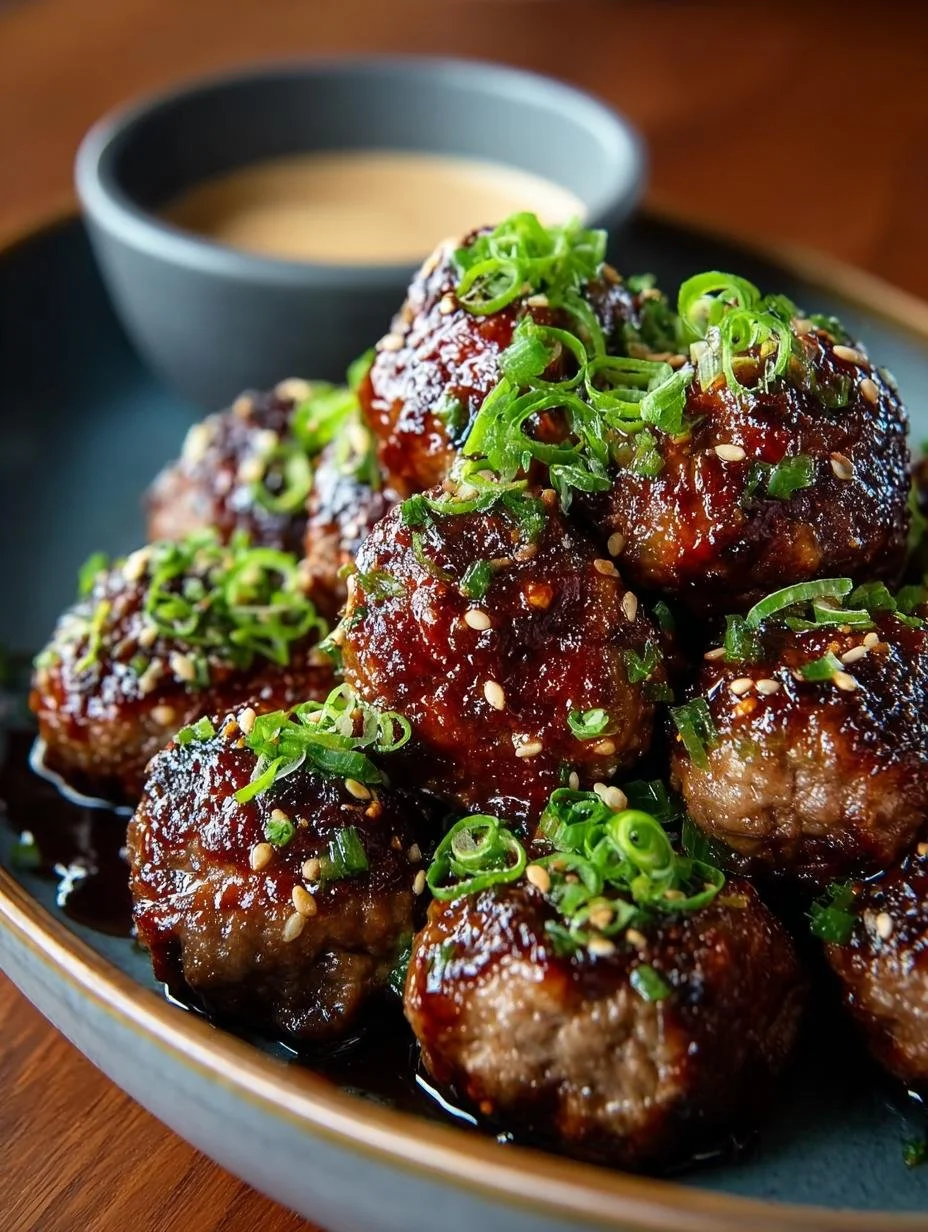
Traditional Korean BBQ Meatballs guide
If you think Korean BBQ is only about short ribs and sizzling grills, think again. This Traditional Korean BBQ Meatballs guide opens a different door: flavorful, portable, and deeply rooted takes on Korean barbecue flavors transformed into meatballs. In this guide you’ll learn the origins, the cooking science, practical step-by-step recipes for multiple skill levels, and how to make these meatballs sing in weeknight dinners or dinner-party spreads.
What you will gain: a clear understanding of what makes these meatballs “Korean” in flavor; reliable methods for preparing them from scratch; beginner-friendly shortcuts; intermediate techniques for texture and balance; and advanced tricks to elevate them to restaurant quality. Save this guide as your go-to reference for Classic Korean BBQ Meatballs history, technique, and creative variations.
For a quick start reference while you read, try adapting a sweet slow-cooker meatball approach for an easy weeknight version like this crockpot peach meatball inspiration: Crockpot BBQ Peach Meatballs.
Background & Context
Classic Korean BBQ Meatballs history is a story of adaptation and flavor translation. Meatballs, in many cultures, are a technique — ground protein bound with flavor and cooked in forms that are convenient and communal.
Korean cuisine emphasizes umami, balance between sweet and salty, and textural contrast. When those principles meet the meatball form, you get meatballs glazed with gochujang and soy-sweetened sauces, studded with scallions and sesame, and sometimes paired with rice, kimchi, or lettuce wraps.
Authentic Korean BBQ Meatballs origin is less about a single historical event and more a modern intersection: home cooks and street food vendors applying Korean BBQ sauces and marinades to ground meat for portability and speed. This hybridization reflects Korea’s contemporary food culture — traditional flavor profiles repurposed into new formats.
If you want a playful fusion reference that blends Korean flavors into hand-held dishes, check this inventive Korean chicken bao note: Irresistible Korean Chicken Bao.
Why This Approach Works
This guide emphasizes technique and reasoning over rote instructions.
- The flavor profile (soy, sesame, garlic, sugar, gochujang) is inherently flexible. Matching balance rather than fixed measures allows you to adapt to ingredient availability.
- Making meatballs instead of marinated cuts shortens cook time and increases surface area, so more caramelization and glaze adhesion occur quickly.
- Binding and moisture strategies (egg, starch, fat) control texture reliably and are transferable across proteins.
Common doubts addressed:
- “Will ground meat lose Korean identity?” No — the essence is in the sauce and aromatics. Use fermented ingredients (soy, gochujang) and aromatics to anchor the flavor.
- “Are these hard to master?” Start simple: pan-fry and glaze. Progress to broiling or grilling for higher heat and smokiness.
For inspiration that explores East-meets-West adaptations, the Korean-Mexican shrimp idea shows how protein swaps and bold sauces expand possibilities: Korean-Mexican Shrimp.
Core Concepts Explained
Breaking Classic Korean BBQ Meatballs down into components makes them repeatable.
- Flavor Base
- Fermented, salty, and sweet: soy sauce + sugar or rice syrup + gochujang for heat and umami.
- Aromatics: garlic, ginger, scallion.
- Acid and brightness: rice vinegar or lemon to cut richness.
- Protein & Fat Ratio
- Ground beef (80/20) provides flavor and fat for moistness.
- Pork adds sweetness; chicken/turkey are lean and require added fat or binders.
- Blended proteins (beef+pork) balance flavor and texture.
- Binders & Texture
- Egg provides cohesion.
- Panko, breadcrumbs, or cooked rice add body without toughness.
- Starch (potato or sweet potato purée) can add tenderness.
- Surface & Finish
- High heat for caramelization (pan-sear, grill, broil).
- Glaze application: brushed and reduced for stickiness.
- Garnishes: sesame seeds, scallions, pickled veg provide contrast.
Substitutions and simplifications:
- No gochujang? Use miso + chili paste or a mix of gochu-garu (Korean chili flakes) and miso.
- No panko? Use crushed crackers or oats for texture.
- No soy? Tamari or coconut aminos work, but adjust sweetness.
For a contrasting lemony meatball idea to learn binder effects, see this meatballs lemon sauce approach: Meatballs with Lemon Sauce.
Tools, Resources, or Foundations
Essentials:
- Sharp knife and cutting board for aromatics.
- Mixing bowl and spoon; if you cook a lot, a stand mixer with paddle helps.
- Cast-iron skillet or nonstick pan for searing.
- Baking sheet for finishing or oven-roasting.
- Instant-read thermometer for doneness.
Optional enhancements:
- Grill or grill pan for smoky char.
- Kitchen torch for localized caramelization.
- Food processor for finer mince or to incorporate vegetables.
Budget-friendly alternatives:
- Hand-chopped aromatics if you don’t have a food processor.
- Use a baking sheet and oven broil instead of a grill.
- Store-bought gochujang is affordable and transformative; a little goes a long way.
Additional savory reference combining BBQ styles in slow-cooker format: Crockpot Pineapple BBQ Chicken.
Step-by-Step Process
Below is a reliable, adaptable method. Time estimates assume batches of 24 meatballs.
- Mise en place (15–20 minutes)
- Mince garlic and ginger finely.
- Chop scallions; reserve a small amount for garnish.
- Measure sauce ingredients.
- Mix & Form (10–15 minutes)
- Combine ground meat with aromatics, binders, and half the sauce.
- Gently mix until just combined — do not overwork.
- Form into uniform balls (20–30 g each) for even cooking.
- Cook (20–30 minutes depending on method)
- Pan-sear in batches until browned, then finish in oven or skillet over medium heat with glaze.
- Or grill over medium-high for char, finishing with a brush of glaze.
- Glaze & Finish (5–10 minutes)
- Warm the remaining sauce and reduce until glossy.
- Toss or brush the meatballs, garnish, and serve.
Common mistakes + how to avoid them:
- Overmixing: leads to dense meatballs. Mix until cohesive then stop.
- Under-seasoning: taste the mix by pan-frying a small patty.
- Glazing too early: sugar in the glaze can burn; apply near the end and reduce low and slow.
H3: Beginner-friendly pan-fry method
- Heat 2 tbsp oil in a skillet on medium-high.
- Add meatballs without crowding; sear 2–3 minutes per side.
- Reduce heat to medium-low, cover, and cook 6–8 minutes.
- Toss in warm glaze and cook 1–2 minutes.
H3: Intermediate grilling method
- Preheat grill to medium-high and oil grates.
- Grill meatballs on skewers or in a grill basket for 8–10 minutes, turning.
- Finish with glaze and a 1-minute char.
H3: Advanced two-step sear + oven-roast
- Sear quickly on very hot cast iron to develop crust.
- Transfer to a 400°F oven and roast until internal temp 155–160°F.
- Rest 5 minutes; glaze to finish.
Pro tips:
- Use a small ice-water bowl and wet your hands to form balls cleanly.
- Freeze a few extras raw on a sheet tray, then bag for quick future meals.
- Balance sweetness to your taste; gochujang contributes heat and umami, so reduce added sugar accordingly.
For a weeknight bowl pairing, these Korean BBQ meatballs go great over a simple rice bowl idea like this: Korean-Mexican Shrimp (use the rice concept rather than the protein).
Expert Techniques & Insights
Once you’re comfortable, experiment with these refinements.
- Temperature control: resting meatballs after cooking improves juiciness. Carryover cooking raises internal temp 3–5°F.
- Textural layering: add finely diced water chestnuts or mushrooms to introduce crunch or juiciness without changing flavor.
- Smoking: briefly cold-smoke before searing to impart a subtle smoke that mimics grill flavors if you lack a grill.
- Sauce chemistry: reduce a sauce to concentrate flavors, then finish with a bit of neutral butter to smooth and glisten.
Lessons from experience:
- Balancing salt and acid is more important than hotness. A touch of rice vinegar brightens without overwhelming.
- Toast sesame seeds and use toasted sesame oil sparingly; its flavor is potent.
- If using lean ground poultry, incorporate grated onion or some pork fat to keep moisture.
Variations & Adaptations
These meatballs are adaptable across contexts.
- Vegetarian adaptation: use mashed chickpeas + grated tofu + miso for umami; binder with ground oats.
- Korean fusion bowl: serve over rice with quick-pickled cucumber, gochujang mayo, and kimchi.
- Party skewers: make golf-ball size meatballs, glaze, and serve with toothpicks and sesame leaf for wrapping.
- Low-carb: serve over shredded cabbage or lettuce wraps.
Skill-level adaptations:
- Beginner: use pan-fry + store-bought glaze.
- Intermediate: make glaze from scratch and bake.
- Advanced: hand-chop fats, cold-smoke, and finish with torched glaze.
If you want to see how Korean BBQ flavors pair with rice-centered presentations, this bowl recipe is a good practical cross-check: Crockpot inspiration for saucy meatballs over rice.
Analysis & Benefits Breakdown
This section compares methods and outcomes to help you choose reliably.
| Goal | Best method | Strengths | Limitations |
|—|—:|—|—|
| Fast weeknight dinner | Pan-fry + quick glaze | Speed, depth of flavor | Slightly less smoky |
| Smoky, charred flavor | Grill | Authentic BBQ char | Weather and equipment dependent |
| Large batch for serving | Oven-roast on sheet | Even cooking, scalable | Less searing crust |
| Health-conscious | Bake or poach, lean protein | Lower fat | Less caramelization |
Strengths:
- High flavor density from glaze adherence.
- Portable and portionable for gatherings.
- Scalable for meal prep.
Limitations:
- Glazes high in sugar can burn; careful heat control needed.
- Lean proteins require technique to avoid dryness.
Considerations:
- Adjust internal temperatures for safety: 160°F for ground red meat, 165°F for poultry.
- Balance between moisture and binder determines chewiness versus tenderness.
Preparation, Retention & Long-Term Use
Preparing effectively:
- Make a double batch of raw meatballs and freeze in single layers on a sheet tray. Transfer to bags once solid.
- Prepare a concentrated glaze and freeze in ice cube trays for single-use portions.
Retention strategies:
- Store cooked meatballs with a splash of sauce to prevent drying.
- Reheat gently in a covered pan with a few tablespoons of water or stock, then re-glaze.
Longevity of skills:
- Once you understand the flavor matrix (ferment/salt + sweet + acid + heat + aromatics), you can translate it to other formats: sliders, meatloaf, stuffed peppers.
- Texture lessons (binders, fat ratio) are broadly applicable across global meatball traditions.
Troubleshooting & Common Problems
Problem: Meatballs are dry and crumbly.
- Cause: Too lean meat or overcooking.
- Solution: Add fattier meat or 1–2 tbsp oil; reduce cooking time and rest. Add moisture-rich fillers like grated onion.
Problem: Sauce tastes too sweet or flat.
- Cause: Excess sugar, lack of acid.
- Solution: Add rice vinegar or a squeeze of lemon and a pinch of salt to balance.
Problem: Glaze burns during cooking.
- Cause: High sugar content exposed to high direct heat.
- Solution: Lower heat, brush glaze at the end, or finish under broiler 30–60 seconds.
Problem: Meatballs fall apart while cooking.
- Cause: Not enough binder or not cooled before glazing.
- Solution: Use egg/panko, chill briefly, and don’t move them until they form a crust.
Problem: Texture is tough.
- Cause: Overmixing and compacting.
- Solution: Mix gently and handle as little as possible.
Problem: Lack of “Korean” flavor identity.
- Cause: Not using fermented components.
- Solution: Include gochujang, doenjang (or miso), soy sauce, and toasted sesame in the recipe.
FAQ
Q: Can I make these gluten-free?
A: Yes. Use gluten-free panko or crushed rice crackers and substitute tamari or coconut aminos for soy sauce.
Q: How do I scale the recipe for catering?
A: Multiply proportional ingredient ratios; form balls consistently and bake on sheet pans. Keep glaze in a warm slow-cooker for serving.
Q: What’s the best way to reheat without losing texture?
A: Reheat gently on low in a covered skillet with a splash of liquid; re-glaze at the end for shine.
Q: Can I use ground chicken or turkey?
A: Absolutely. Add a bit of oil or fattier meat and extra aromatics to compensate for leanness.
Q: How do I make a sticky glaze?
A: Reduce sauce until thick and glossy, add a small knob of butter or neutral oil at the end for sheen, and toss hot meatballs in it.
Q: Are these meatballs spicy?
A: They can be. Control heat by the amount of gochujang or chili flakes used. Gochujang also adds sweetness and umami, so taste as you go.
Q: Can I make them ahead?
A: Yes. Make meatballs, freeze before cooking, then bake or pan-sear from frozen with a slightly longer cook time. Store cooked meatballs in sauce for up to 4 days.
Q: What side dishes pair best?
A: Steamed rice, quick-pickled cucumbers, kimchi, sautéed greens, or a crisp lettuce leaf for wrapping.
Related Topics & Next Steps
Expand your skill set by exploring:
- Korean banchan (side dish) recipes to create a full spread.
- Techniques for fermenting gochujang or making quick kimchi.
- Grilling skills: mastering indirect vs direct heat and managing flare-ups.
- Cross-cultural adaptations: try pairing these meatballs with Mediterranean grains or Mexican salsas.
If you enjoyed experimenting with flavor integrations, try this shrimp adaptation to practice spice balance and searing techniques: Korean-Mexican Shrimp.
Quick Reference Summary
- Flavor pillars: fermented (gochujang/soy), sweet, acid, aromatics.
- Basic binder: 1 egg + 1/2–3/4 cup panko per 1.5 lb meat.
- Cooking options: pan-sear, grill, oven-roast.
- Internal temps: 160°F (beef/pork), 165°F (poultry).
- Finish: Reduce glaze until glossy; apply at end to avoid burning.
- Storage: Freeze raw or cooked; reheat gently and re-glaze.
Conclusion
You now have a practical, layered approach to making Traditional Korean BBQ Meatballs that respects Classic Korean BBQ Meatballs history while giving you adaptable techniques for today’s kitchens. Try the foundational method first, then iterate with proteins, smoking, and garnish to make the recipe your own.
For a ready-to-follow recipe that uses classic Asian pantry ingredients and a simple method, see this Korean Barbecue-Style Meatballs Recipe. If you prefer a bowl approach with rice and toppings, this Korean BBQ Meatballs over Rice – Spoon Fork Bacon guide shows a delicious serving option.
Print
Traditional Korean BBQ Meatballs
- Total Time: 50 minutes
- Yield: 4 servings 1x
- Diet: Protein-rich
Description
Flavorful and portable Korean BBQ meatballs glazed with gochujang and soy sauce, perfect for weeknight dinners or dinner parties.
Ingredients
- 1.5 lbs ground beef (80/20 blend)
- 1 egg
- 1/2 – 3/4 cup panko breadcrumbs
- 4 cloves garlic, minced
- 1 inch ginger, minced
- 3 scallions, chopped (reserve some for garnish)
- 1/4 cup soy sauce
- 2 tbsp sugar or rice syrup
- 2 tbsp gochujang
- Sesame seeds for garnish
- Oil for cooking
Instructions
- Prepare the mise en place by mincing garlic and ginger, and chopping scallions.
- In a mixing bowl, combine ground meat with garlic, ginger, scallions, egg, panko, and half of the soy sauce and gochujang. Mix until just combined.
- Form the mixture into uniform meatballs, about 20-30 grams each.
- Heat oil in a skillet over medium-high heat, pan-sear meatballs for 2-3 minutes on each side until browned.
- Reduce heat to medium-low, cover, and cook for an additional 6-8 minutes.
- Warm the remaining soy sauce and gochujang mixture, reduce until glossy.
- Toss meatballs in the glaze, garnish with sesame seeds and chopped scallions, then serve.
Notes
For variation, try blending different proteins or adjusting spices according to preference. For a smoky flavor, use a grill or broil for the final steps.
- Prep Time: 20 minutes
- Cook Time: 30 minutes
- Category: Main Course
- Method: Pan-frying
- Cuisine: Korean
Nutrition
- Serving Size: 4 meatballs
- Calories: 300
- Sugar: 6g
- Sodium: 600mg
- Fat: 18g
- Saturated Fat: 7g
- Unsaturated Fat: 9g
- Trans Fat: 0g
- Carbohydrates: 20g
- Fiber: 1g
- Protein: 20g
- Cholesterol: 70mg