

Introduction
If you love the bright, minty snap of peppermint bark and the creamy, melt-in-your-mouth luxury of fudge, you’re in the right place. This Traditional Peppermint Bark Fudge guide will take you from curious beginner to confident maker, with explanations that stick and techniques you can reuse.
By the end of this guide you’ll know the origins of the recipe, the science behind a smooth fudge, how to troubleshoot issues, and advanced variations that lift your peppermint bark fudge from "good" to "memorable." Expect clear step-by-step instruction, time estimates, and practical tips you can apply immediately. If you like bark-style treats, you might also enjoy this frozen bark variation as a related inspiration: Frozen Yogurt Bark.
What you’ll gain:
- A working understanding of ingredients and why they behave the way they do.
- A reproducible, classic recipe you can adapt.
- Tools to diagnose and fix common fudge problems.
- Creative variations for holidays, gifts, and events.
Let’s build from the roots up so your peppermint bark fudge is reliable and delicious every time.
Background & Context
Understanding Classic Peppermint Bark Fudge history helps you appreciate why the recipe is structured the way it is.
Peppermint bark itself is a fairly modern confection, popularized in the late 20th century as a seasonal treat: layers of dark and white chocolate studded with crushed peppermint. Fudge has even older roots — an American-born confection from the 19th century that evolved from caramels and boiled sweets. Combining these two results in a textural and flavor contrast that feels both nostalgic and modern.
The Authentic Peppermint Bark Fudge origin is a blend of traditions: the layered, crushed- peppermint motif of bark and the sugar-chemistry of classic fudge. The result is familiar — the peppermint-snap of crushed candy and the creamy cushion of fudgy base.
Culturally, peppermint bark fudge is a holiday staple but it translates easily to other occasions. Its compact, sliceable format makes it perfect for gifting, bake sales, and cookie exchanges. For context on how mint pairs work across confections, see this mint-chocolate bark example: Grasshopper Mint Chocolate Bark.
My observation after years of teaching and recipe testing: people underestimate the value of small technique changes — controlled heat, accurate timing, and the right candy thermometer make all the difference. This guide emphasizes those pragmatic skills.
Why This Approach Works
This guide focuses on reproducibility, not just a single recipe. Here’s why:
- Chemistry-first reasoning: Knowing why sugar crystallizes or why fat separation happens reduces trial-and-error.
- Layered skill development: You learn simple foundations, then build to more complex techniques (tempering, flavor balancing).
- Practical substitutions: You get accessible alternatives for every ingredient and tool so you can adapt to pantry constraints.
Addressing common doubts:
- "Is fudge hard?" — No, if you respect temperature and timing. This guide shows how to control both.
- "Do I need special tools?" — A few tools help, but there are budget-friendly alternatives listed below.
- "Will it still taste good if I skip tempering?" — Yes for many styles; tempering mainly affects shine and snap.
This approach works because it aligns technique to predictable outcomes. You’ll know what to tweak next time because you’ll understand the why, not just the how.
Core Concepts Explained
Breaking peppermint bark fudge into logical components makes the recipe easier to master. Think of it as three interacting systems: base fudge, chocolate layering, and peppermint topping.
- Base fudge (structure and mouthfeel)
- Core idea: a stable emulsion of fat, sugar, milk solids, and sometimes butter.
- Ingredients: sweetened condensed milk + white chocolate is a classic shortcut for reliable, creamy texture. If you prefer a cook-from-scratch method, a sugar–cream–butter cook with a thermometer works too.
- Example: Using sweetened condensed milk reduces the risk of grainy sugar crystallization because sugars are inverted and stabilized.
- Chocolate layers (contrast and appearance)
- Core idea: contrasting dark and white chocolate layers create visual and textural interest.
- White chocolate is softer, providing a cushion for crushed peppermint. Dark or semisweet chocolate gives depth and a firmer layer if tempered.
- Tip: Reserve high-quality couverture if you want the best texture and flavor.
- Peppermint topping (flavor and crunch)
- Core idea: fresh peppermint candies or crushed candy canes offer aroma, cooling menthol, and crunch.
- Fine grind gives a dusting that integrates into each bite; larger shards add crunch and visual appeal.
- Alternative: Use peppermint extract for flavor without crunch, or confectory-style peppermint patties for a different mouthfeel — see this example for inspiration: Peppermint Patties.
Substitutions and simplifications:
- Dairy-free: Use full-fat coconut milk + dairy-free chocolate.
- Sugar-free: Use specially formulated sugar-free chocolate and condensed milk alternatives (results vary).
- Vegan: Use vegan white chocolate (made from cocoa butter and sugar) and a condensed coconut alternative.
Understanding these components lets you adapt the recipe intentionally.
Tools, Resources, or Foundations
Essentials:
- Heavy-bottomed saucepan (to reduce scorching).
- Heatproof bowl for a double-boiler or microwave melting.
- Candy thermometer (probe style preferred) — accuracy helps with cook-from-scratch fudge.
- 8×8 or 9×9 inch pan lined with parchment for easy removal.
- Sharp knife for clean slices and a spatula or bench scraper for smoothing.
Optional enhancements:
- Offset spatula for leveling.
- Silicone mat for cooling if you plan to work on slabs.
- Stand mixer or handheld mixer for certain fudge styles requiring aeration.
- Decorative molds if making shapes.
Budget-friendly alternatives:
- If you lack a candy thermometer, use the cold-water soft-ball test (less precise).
- Replace an offset spatula with the back of a spoon or bench scraper.
Useful references: if you enjoy exploring flavor pairings and drinks to match your sweets, you may like this peppermint cocktail idea: Peppermint White Russian.
Brief commentary on usefulness:
- A good thermometer and a heavy saucepan give the highest return on investment. They reduce guesswork and repeated batches.
Step-by-Step Process
Below is a reliable, beginner-friendly method (sweetened condensed milk shortcut) followed by an optional cook-from-scratch alternative for advanced cooks.
Estimated time:
- Prep: 15 minutes
- Assembly + melting: 20–30 minutes
- Chill: 2–4 hours (minimum)
- Total active time: ~45 minutes
Ingredients (classic shortcut version):
- 12 oz white chocolate chips or chopped white chocolate
- 14 oz can sweetened condensed milk
- 1 tsp vanilla extract
- 1/4 tsp peppermint extract (adjust to taste)
- 1 cup semisweet or dark chocolate chips (for layer)
- 1/2 cup crushed candy canes or peppermints (reserve some for top)
Yield: ~16 squares.
Step 1 — Prep (10 minutes)
- Line an 8×8 pan with parchment, leaving an overhang for removal.
- Measure and chop chocolate if not using chips.
- Lightly crush peppermints — place in a heavy zip-top bag and gently bash with a rolling pin; keep some larger shards for visual contrast.
Common mistakes:
- Skipping parchment — leads to sticking and messy slicing.
- Crushing peppermint too fine — it can bleed color into white chocolate.
Step 2 — Make the white fudge base (15–20 minutes)
- In a heatproof bowl, combine white chocolate and sweetened condensed milk.
- Melt gently over a double boiler or in 20–30 second bursts in the microwave, stirring between each burst until smooth.
- Stir in vanilla and peppermint extract to taste.
- Pour into prepared pan and smooth to an even layer (use offset spatula).
- Chill until slightly set — about 20–30 minutes — but not completely firm.
Pro tip: Gently warm the bowl before pouring to help the layer even out; a few seconds in the microwave helps but avoid overheating.
Step 3 — Add dark chocolate contrast (optional)
- Melt the semisweet/dark chocolate in the same way.
- Allow it to cool slightly (so it doesn’t melt the white layer), then gently spread over the semi-set white layer.
- If you prefer a marbled look, drizzle and swirl the dark chocolate; for a classic bark look, keep it smooth.
Step 4 — Apply peppermint topping (5 minutes)
- Immediately after spreading (while still tacky), sprinkle crushed peppermint across the top.
- Press lightly so shards adhere.
Step 5 — Chill and set (2–4 hours)
- Transfer to refrigerator until fully set.
- Remove from pan using parchment overhang and slice with a warm, dry knife for cleaner edges.
H3 — Cook-from-scratch fudge (advanced)
- Ingredients: sugar, heavy cream, butter, vanilla, chocolate.
- Bring sugar, cream, and butter to a boil, then cook to soft-ball stage (234–240°F / 112–115°C).
- Cool slightly, beat to desired consistency with chocolate and flavoring, then layer and top as above.
- Time: add ~30–45 minutes active time. Requires a candy thermometer and some experience to avoid graininess.
Common mistakes + how to avoid them
- Grainy fudge: caused by premature crystallization. Avoid stirring once the syrup reaches target temperature during the cook-from-scratch method. Use sweetened condensed milk shortcut for reliability.
- Separated/greasy texture: often due to overheating chocolate. Melt gently and avoid overheating above ~115°F for white chocolate.
- Soggy top or bleeding colors: too-fine peppermint dust can release color. Use larger shards and wait for layers to cool slightly before topping.
Pro tips
- Use high-quality chocolate — flavor and mouthfeel will shine.
- Avoid refrigeration for extended periods (beyond a week) as fudge can dry out; store airtight at cool room temp or short-term refrigeration.
- Warm the knife under hot water and dry it between cuts for cleaner slices.
Expert Techniques & Insights
Once you’ve mastered the basics, these techniques will elevate your results.
Tempering for shine and snap
- For the dark chocolate layer, tempering will improve stability and give a crisp snap.
- Simple temper: melt 2/3 of chocolate to 45°C (113°F), add remaining chocolate to bring temperature down to 27–28°C (80–82°F), then rewarm to 31–32°C (88–90°F).
- Why it helps: tempered chocolate has stable cocoa butter crystals that set with a glossy finish and firm snap.
Controlling peppermint moisture
- Peppermint candies can be hygroscopic (absorb water) and cause bleeding. Use room-temp, fully dry shards.
- For long-term stability, consider lightly toasting peppermint shards on a baking sheet at 200°F for a few minutes to reduce surface moisture — test a small amount first to avoid flavor loss.
Using a thin sugar syrup to bind shards
- If shards won’t adhere, brush a thin sugar syrup or a little melted white chocolate over the set layer before sprinkling. This acts like an edible glue.
Layering artistry
- For a marbled effect, use a skewer to swirl dark and white layers before topping.
- For clean, distinct layers, allow each layer to be semi-set in the fridge before applying the next.
Lessons from experience
- Small temperature swings ruin texture more often than ingredient inaccuracies.
- Rushing the chill step often leads to warping or uneven setting.
- Keep records: note exact temps, brands of chocolate, and yields for repeatable success.
Variations & Adaptations
Peppermint bark fudge is flexible. Here are adaptations by context and skill.
Different contexts or use cases
- Gift boxes: cut into small squares and wrap in cellophane with a ribbon.
- Party platters: alternate with plain fudge and dark chocolate squares.
- Cookie exchange: make themed tags and include one small slice per bag.
Skill-level adaptations
- Beginner: use sweetened condensed milk + chips and skip tempering.
- Intermediate: add a thin tempered dark layer for contrast.
- Advanced: make a cook-from-scratch base, temper chocolates, and create multi-flavor layers (e.g., espresso, peppermint, and sea salt).
Cultural or practical flexibility
- Replace peppermint with crushed gingerbread or toffee for non-holiday versions.
- Infuse the base with citrus zest for a winter-citrus twist.
For flavor mashups, see marshmallow-swirl fudge ideas to blend textures: Marshmallow Swirl Fudge.
Analysis & Benefits Breakdown
A quick comparative breakdown helps you choose the right approach.
| Component | Shortcut Method (Condensed Milk) | Cook-from-Scratch | Tempered Chocolate Layer |
|—|—:|—:|—:|
| Reliability | High | Medium (requires control) | High for appearance |
| Time | Low active time | Higher active time | Adds complexity |
| Equipment needed | Minimal | Candy thermometer | Tempering tools/technique |
| Texture | Creamy, stable | Can be denser | Crisp snap from top layer |
| Best for | Beginners, gifts | Candy enthusiasts | Professional presentation |
Strengths, limitations, considerations:
- Shortcut method: strength is reliability; limitation is less control over sugar crystallization mechanics.
- Cook-from-scratch: strength is full control over texture; limitation is higher skill requirement and risk of graininess.
- Tempered chocolate: strength is professional finish; limitation is extra time and skill.
This table clarifies trade-offs so you can pick the approach that fits your goals.
Preparation, Retention & Long-Term Use
How to prepare effectively:
- Read the recipe fully first, then set up mise en place: chop chocolates, measure extracts, and line your pan.
- Pre-crush peppermint and store in a dry container to avoid moisture.
Storage and retention:
- Store fudge in an airtight container at cool room temperature for up to 2 weeks.
- Refrigeration extends shelf life to ~3 weeks but can dry the texture. Let refrigerated fudge sit at room temperature 15–20 minutes before serving for better mouthfeel.
- For longer storage, freeze wrapped squares in layers separated by parchment for up to 3 months. Thaw slowly in the refrigerator then bring to room temp.
Longevity of skill:
- The core techniques (melting chocolate gently, understanding candy temperature, layering) are transferable to many other confections, so the time you spend learning this recipe is compounding.
Troubleshooting & Common Problems
Problem → Cause → Solution
Grainy or sandy fudge → Sugar crystallized during cooking or cooling → Use sweetened condensed milk method; if cooking, avoid stirring during cooling and ensure proper temperature control. Reheat gently and add a little corn syrup to re-melt and smooth if needed.
Separated, greasy texture → Chocolate overheated or fat separated → Gently reheat with a little cream or condensed milk and whisk to re-emulsify; avoid overheating next time.
Topping bleeding / color transfer → Peppermint crushed too fine or moist → Use larger shards; dry peppermint before using. Sprinkle just as surface becomes tacky, not on hot melted layers.
Too soft at room temperature → High proportion of fats with low melting points (white chocolate varies) → Use higher-quality white chocolate with more cocoa butter, chill slightly longer before slicing, and store in a cool room.
White layer cracking when cut → Over-chilled or too firm contrast between layers → Let fudge sit at room temperature for 10–20 minutes before slicing; use a warm knife.
Chocolate bloom or dull appearance → Improper tempering or long-term temperature fluctuation → Temper dark chocolate for shine; store in consistent cool environment.
These fixes address the majority of issues and bring reassurance: most problems have predictable causes.
FAQ
Q1: Can I use store-bought candy canes or should I buy baking peppermint?
A1: Store-bought candy canes work fine. Crush to desired size and dry them if they seem moist. Baking peppermint (confectionery candies) often has less moisture and is preferred for appearance.
Q2: Do I have to temper chocolate?
A2: No for the base or quick method. Tempering is optional and mainly improves the appearance and snap of the dark chocolate layer.
Q3: How do I prevent white chocolate from seizing?
A3: Melt slowly, avoid water contact, and use gentle heat. Adding a small amount of fat (butter or cream) can rescue slightly seized chocolate.
Q4: Can I make this nut-free or gluten-free?
A4: Yes, basic peppermint bark fudge is naturally gluten-free and nut-free when you avoid cross-contamination and nut inclusions.
Q5: What’s the best chocolate to use?
A5: Use chocolate with a higher cocoa butter content for better mouthfeel. For white chocolate, avoid compound coatings with vegetable fats if you want a rich, creamy result.
Q6: Can I use flavored extracts (e.g., orange) instead of peppermint?
A6: Yes — replace peppermint extract with other extracts, and swap crushed peppermint for complementary toppings.
Q7: How do I get clean slices for gifting?
A7: Use a large, sharp knife warmed under hot water and wiped dry between cuts; chill fudge so it firms but isn’t rock-hard.
Q8: Is the condensed milk method healthier?
A8: It’s not healthier — condensed milk is high in sugar. The method is about reliability and simplicity rather than health benefits.
Related Topics & Next Steps
After mastering peppermint bark fudge, relevant extensions include:
- Learning chocolate tempering for truffles and dipped confections.
- Making layered bars with different flavor profiles (espresso, citrus, or caramel).
- Practicing candy sugar work if you want pullable or molded candies.
Complementary guides or skills:
- Cookie and pastry pairing for holiday boxes.
- Basic sugar chemistry: soft-ball, firm-ball, and hard-crack stages.
- Fancy gift-wrapping and presentation for edible gifts.
Try cross-referencing other bark-style sweets for inspiration, like this frozen yogurt bark mentioned earlier or experimenting with peppermint patty concepts.
Quick Reference Summary
- Base method: white chocolate + sweetened condensed milk = dependable.
- Time: ~45 minutes active; 2–4 hours chilling.
- Key tools: heavy pan, heatproof bowl, parchment, candy thermometer (optional but helpful).
- Common problems: graininess (temperature/stirring), greasiness (overheat), bleeding (moist peppermint).
- Store: airtight at cool room temp up to 2 weeks; freeze up to 3 months.
Bullet recap:
- Prep: measure and line pan.
- Melt white chocolate gently, add condensed milk and flavor.
- Pour, semi-set, add dark chocolate layer, sprinkle peppermint.
- Chill, slice with warm knife.
Conclusion
You’ve now got a complete Traditional Peppermint Bark Fudge guide: history, practical steps, troubleshooting, and ways to advance your technique. With this foundation you can create reliable, beautiful peppermint bark fudge that’s perfect for gifting, selling, or enjoying at home.
For two well-tested external recipes to compare technique and presentation, see Sugar Spun Run’s take on peppermint bark fudge: Peppermint Bark Fudge – Sugar Spun Run, and a classic recipe from Sally’s Baking that offers useful variations: Peppermint Bark Fudge Recipe – Sally’s Baking.
If you’d like, I can convert this into a reusable system prompt, adapt it for a technical tutorial format, or create a content checklist based on this framework. Which would be most helpful next?
Print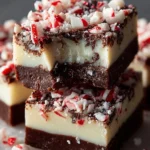
Traditional Peppermint Bark Fudge
- Total Time: 45 minutes
- Yield: 16 squares 1x
- Diet: Vegetarian
Description
A delicious combination of creamy fudge and crunchy peppermint, perfect for gifting or holiday treats.
Ingredients
- 12 oz white chocolate chips or chopped white chocolate
- 14 oz can sweetened condensed milk
- 1 tsp vanilla extract
- 1/4 tsp peppermint extract (adjust to taste)
- 1 cup semisweet or dark chocolate chips (for layer)
- 1/2 cup crushed candy canes or peppermints (reserve some for topping)
Instructions
- Line an 8×8 pan with parchment, leaving an overhang for removal. Measure and chop chocolate if not using chips. Lightly crush peppermints in a heavy zip-top bag and reserve some larger shards.
- In a heatproof bowl, combine white chocolate and sweetened condensed milk. Melt gently over a double boiler or in the microwave until smooth. Stir in vanilla and peppermint extract. Pour into prepared pan and smooth to an even layer.
- Chill until slightly set, about 20–30 minutes.
- Melt semisweet/dark chocolate and allow it to cool slightly, then gently spread over the semi-set white layer.
- Immediately after spreading, sprinkle crushed peppermint across the top and press lightly to adhere.
- Transfer to refrigerator until fully set. Remove from pan using parchment overhang and slice with a warm, dry knife.
Notes
Store fudge in an airtight container at cool room temperature for up to 2 weeks. For longer storage, freeze wrapped squares for up to 3 months.
- Prep Time: 15 minutes
- Cook Time: 30 minutes
- Category: Dessert
- Method: No-Bake
- Cuisine: American
Nutrition
- Serving Size: 1 square
- Calories: 250
- Sugar: 27g
- Sodium: 120mg
- Fat: 12g
- Saturated Fat: 7g
- Unsaturated Fat: 3g
- Trans Fat: 0g
- Carbohydrates: 32g
- Fiber: 1g
- Protein: 3g
- Cholesterol: 15mg