Texas Roadhouse Rolls — Buttery Copycat Recipe That’s Even Better
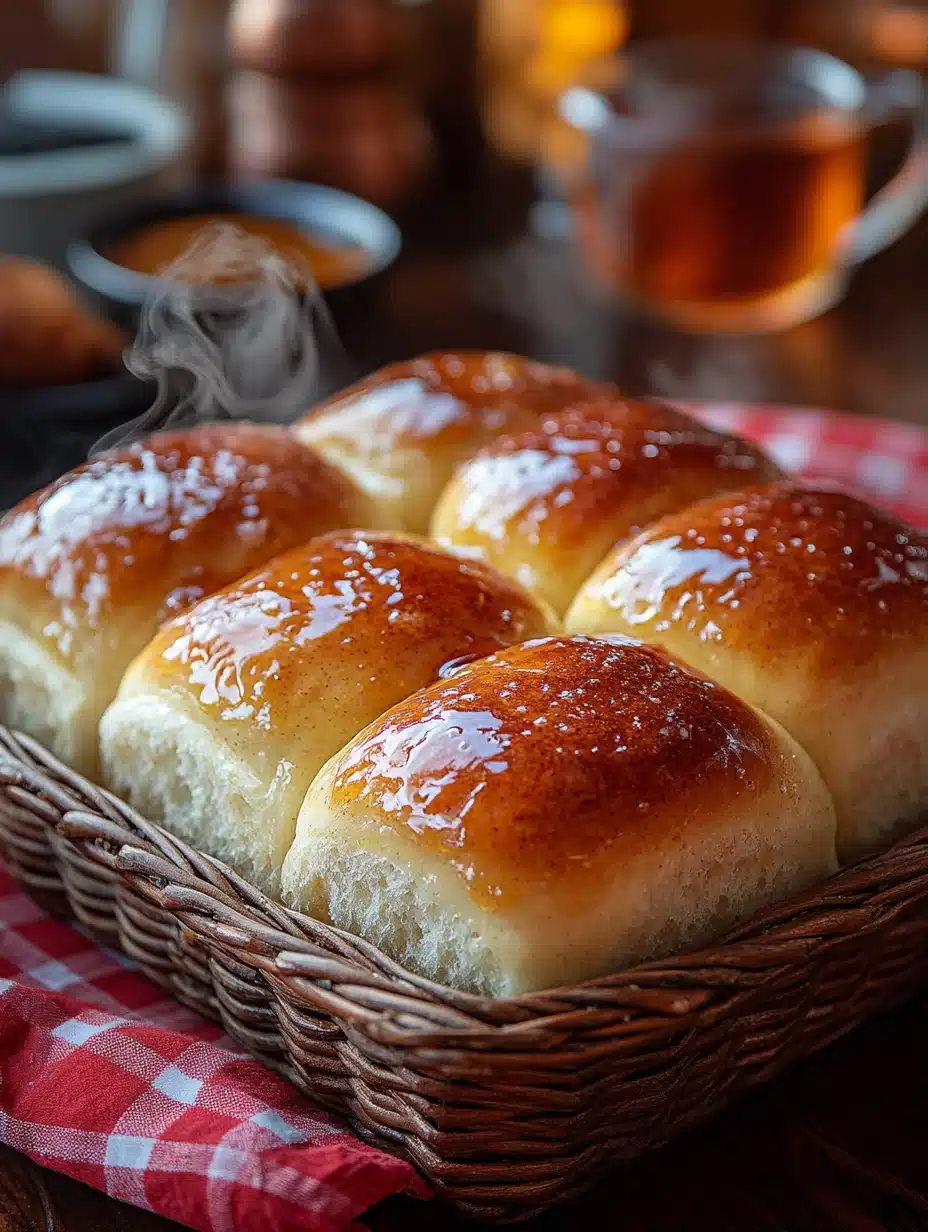
If you’ve ever been to Texas Roadhouse, you know the rolls are the real star of the show — pillowy soft, slightly sweet, honey-butter glazed, and served warm from the oven with that iconic cinnamon butter. This copycat recipe nails every detail, from the cloud-like texture to the addictive sweetness, and many people who’ve made it say it’s actually better than the restaurant version because you get them straight from the oven.
These rolls have a devoted following for good reason: they’re the perfect balance of bread and dessert, soft enough to tear apart with your fingers, and absolutely irresistible when slathered with homemade cinnamon honey butter. This guide covers the proven recipe, expert tips for the fluffiest texture, troubleshooting common problems, and creative ways to use the dough beyond classic dinner rolls.
Key Takeaways
- Pillowy-soft texture: Milk + butter + egg create an enriched dough that stays soft for days
- Active dry yeast: Proofed in warm milk (105–110°F) for guaranteed rise
- Cinnamon honey butter: The signature finishing touch that makes these rolls unforgettable
- Make-ahead friendly: Shape rolls the night before, refrigerate, bake morning of
- Freezer-friendly: Baked rolls freeze 2 months; unbaked dough freezes 1 month
- Yield: 16 large rolls from one batch — perfect for families and gatherings
Texas Roadhouse Rolls Nutrition Facts per Roll
| Nutrient | Per Roll (plain) | With Cinnamon Butter | % Daily Value |
|---|---|---|---|
| Calories | 185 kcal | 235 kcal | 12% |
| Protein | 5g | 5g | 10% |
| Total Fat | 5g | 9g | 12% |
| Carbohydrates | 30g | 33g | 11% |
| Sugar | 6g | 10g | — |
| Fiber | 1g | 1g | 4% |
| Sodium | 170mg | 200mg | 9% |
| Cholesterol | 25mg | 35mg | 8% |
What Makes Texas Roadhouse Rolls So Soft?
The secret to their cloud-like texture is three enrichment ingredients working together: butter (fat coats gluten strands, making them tender), milk (adds protein and sugars that brown beautifully), and egg (provides structure while adding richness). Unlike lean bread doughs (flour, water, yeast, salt), enriched doughs produce a softer, more cake-like crumb that stays fresh longer because the fat slows staling.
Does the Type of Flour Matter for Soft Rolls?
Yes — use all-purpose flour (10–12% protein), not bread flour. Bread flour has too much protein (12–14%), which creates excessive gluten and makes rolls chewy rather than pillowy. If your rolls consistently turn out tough, your flour protein might be too high. King Arthur all-purpose (11.7%) works perfectly; if using a lower-protein brand like White Lily, add an extra tablespoon or two of flour to compensate.
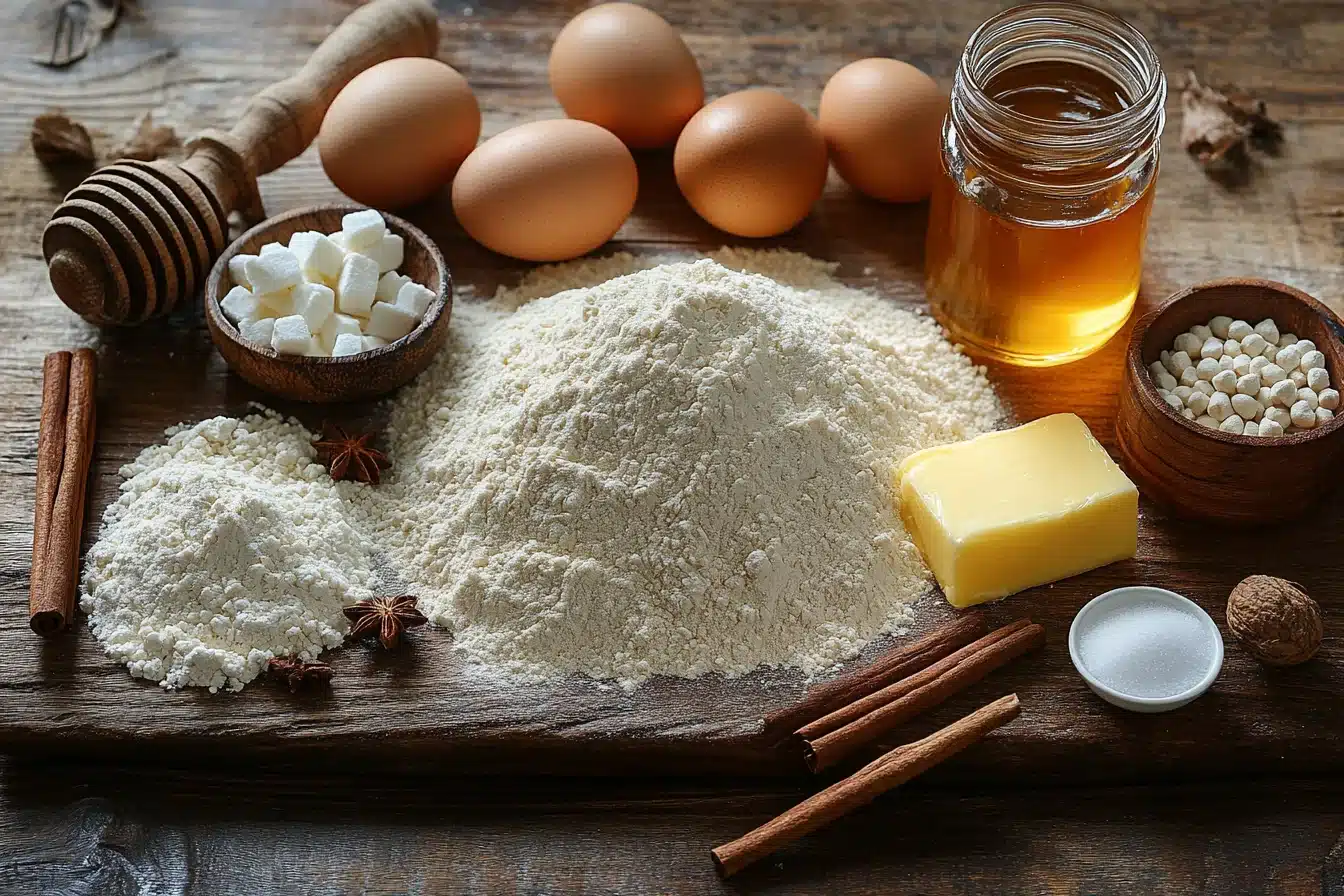
Essential Ingredients for Texas Roadhouse Rolls
| Ingredient | Amount | Purpose | Critical Notes |
|---|---|---|---|
| All-purpose flour | 4 cups (512g) | Structure | Spoon and level; don’t pack |
| Whole milk | 1 cup, warmed (105–110°F) | Moisture, tenderness | Not skim — fat matters |
| Active dry yeast | 2¼ tsp (1 packet) | Leavening | Proof in milk first |
| Unsalted butter | ¼ cup (4 tbsp), melted | Tenderness, flavor | Plus extra for brushing |
| Granulated sugar | ¼ cup | Sweetness, feeds yeast | Slightly sweet is the signature |
| Honey | 2 tbsp | Moisture retention, flavor | Keeps rolls soft longer |
| Large egg | 1, room temperature | Structure, richness | Cold egg slows yeast |
| Salt | 1 tsp | Flavor, gluten strength | Don’t skip — bland without it |
Cinnamon Honey Butter Recipe
| Ingredient | Amount | Notes |
|---|---|---|
| Salted butter, softened | ½ cup (1 stick) | Must be room temperature |
| Honey | ¼ cup | Use quality honey for best flavor |
| Powdered sugar | ½ cup | Creates the signature sweetness |
| Ground cinnamon | 1 tsp | Adds warmth without overpowering |
Whip all ingredients together with a hand mixer until light and fluffy (about 2 minutes). This compound butter can be made up to a week ahead and stored in the refrigerator. Bring to room temperature before serving for the best spreadable consistency. The combination of honey, powdered sugar, and cinnamon is what gives Texas Roadhouse their signature table experience. Pair these rolls with a hearty main like our crock pot pot roast for the ultimate comfort dinner.
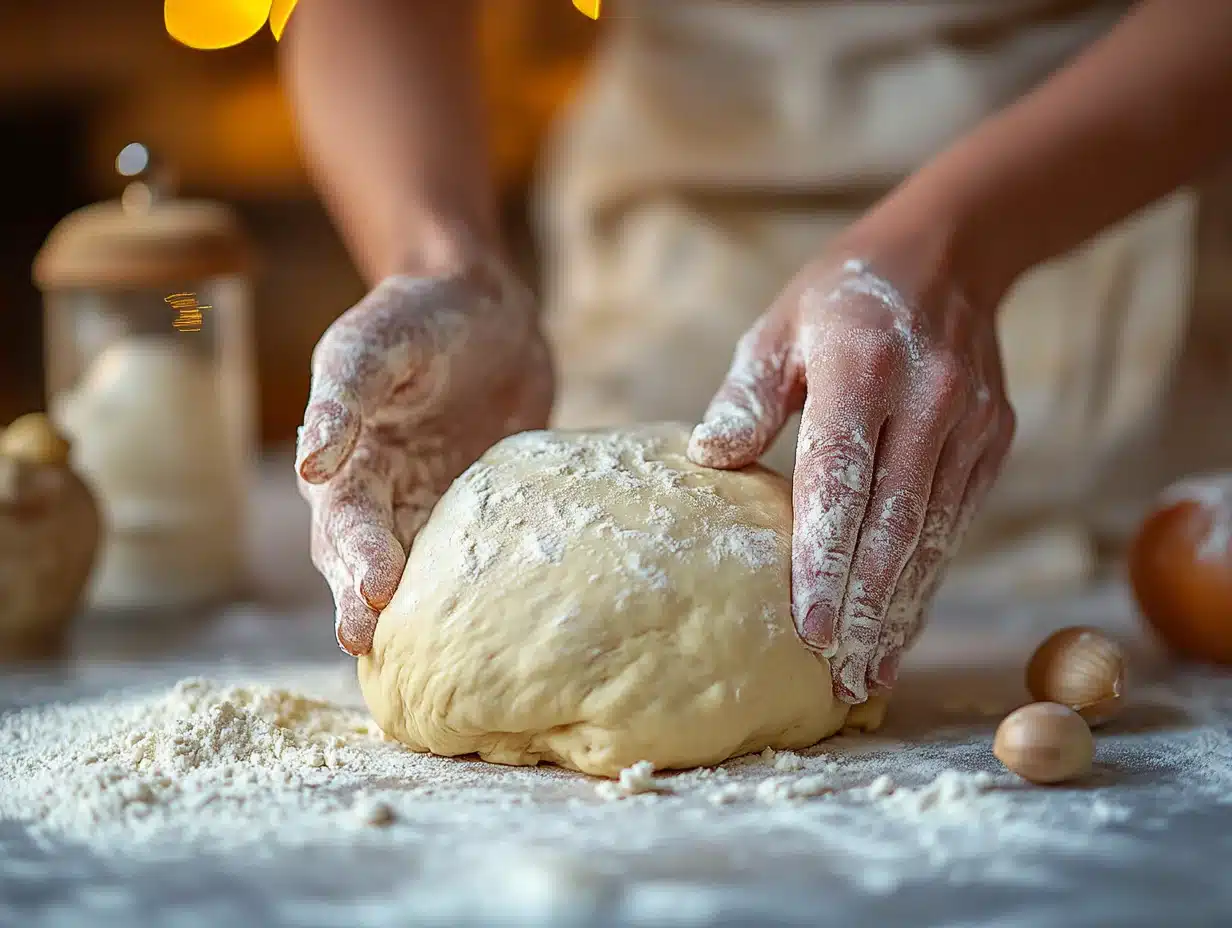
Step-by-Step: How to Make Texas Roadhouse Rolls
Step 1: Activate the Yeast (10 Minutes)
Warm the milk to 105–110°F (use a thermometer — too hot kills yeast, too cold won’t activate it). Stir in the sugar and sprinkle yeast over the surface. Let sit 5–10 minutes until frothy and bubbly. If it doesn’t foam, your yeast is dead — start with fresh yeast.
Step 2: Mix the Dough (5 Minutes)
To the yeast mixture, add melted butter (cooled slightly), honey, egg, and salt. Whisk to combine. Add flour one cup at a time, stirring with a wooden spoon until a shaggy dough forms. The dough should be slightly sticky — resist the urge to add too much flour, which makes rolls dense.
Step 3: Knead (8–10 Minutes)
Turn dough onto a lightly floured surface and knead 8–10 minutes until smooth and elastic. The dough should bounce back when poked. Alternatively, use a stand mixer with the dough hook on medium-low speed for 6–7 minutes. The dough will be soft, slightly tacky, but not sticking to your hands.
Step 4: First Rise (1 Hour)
Place dough in a lightly oiled bowl, cover with plastic wrap or a damp towel, and let rise in a warm spot until doubled in size — about 1 hour. A good spot: inside the oven with just the light on (creates ~80°F). Don’t rush this — proper rising develops flavor and texture.
Step 5: Shape the Rolls (10 Minutes)
Punch down the risen dough to deflate. Divide into 16 equal pieces (about 2.5 oz each). Roll each piece into a smooth ball by tucking the edges underneath and rolling between your cupped hands on an unfloured surface. The friction helps create surface tension for a smooth top. Place in a greased 9×13 pan (4 rows of 4), leaving about ½ inch between each ball.
Step 6: Second Rise (30–45 Minutes)
Cover the pan and let rolls rise until puffy and touching each other — about 30–45 minutes. They should look pillowy and jiggle slightly when the pan is gently shaken. This second rise is when the signature softness develops.
Step 7: Bake (15–18 Minutes)
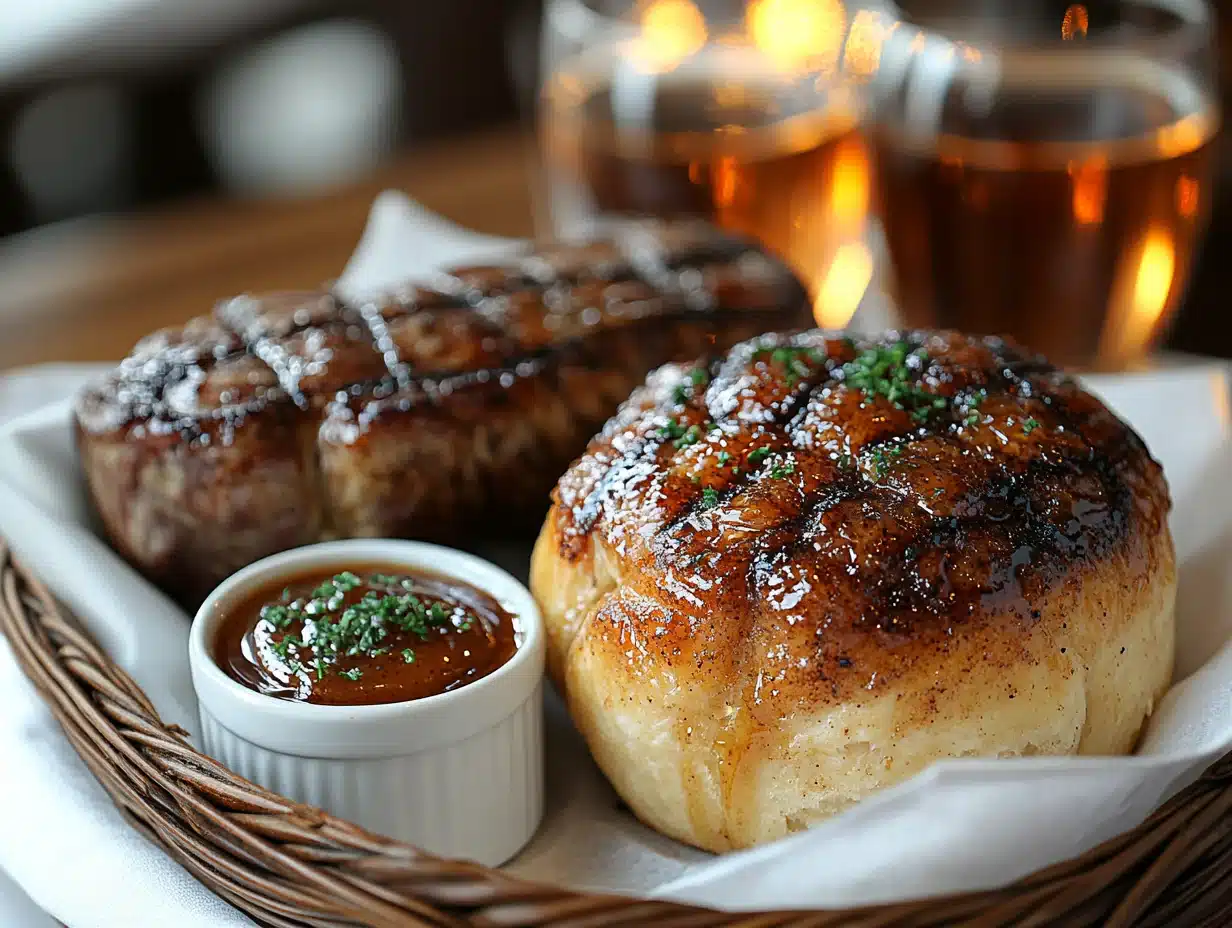
Bake at 350°F for 15–18 minutes until the tops are golden brown. The internal temperature should reach 190°F if you’re checking with a thermometer. Immediately brush hot rolls with melted butter — this is the restaurant secret for that glossy, irresistible finish.
Common Texas Roadhouse Roll Problems and Fixes
| Problem | Cause | Fix |
|---|---|---|
| Rolls are dense and heavy | Too much flour or under-proofed | Measure flour by weight; allow full rise time |
| Rolls didn’t rise | Dead yeast or liquid too hot | Check yeast expiration; use 105-110°F milk |
| Rolls are dry | Overbaked or too much flour | Remove when just golden; check at 15 min |
| Rolls spread flat instead of rising up | Dough too wet or over-proofed | Add flour 1 tbsp at a time; don’t over-rise |
| Tops brown too fast | Oven too hot or rack too high | Use oven thermometer; bake on middle rack |
| Rolls are tough/chewy | Over-kneaded or bread flour used | Knead only until smooth; use AP flour |
| Uneven size | Eyeballing portions | Weigh dough; divide into 16 equal pieces |
How to Make Texas Roadhouse Rolls Ahead of Time?
Overnight Refrigerator Method
After shaping rolls in the pan, cover tightly with plastic wrap and refrigerate for up to 18 hours. The next day, remove from the fridge and let the rolls come to room temperature and finish rising — about 1–1.5 hours on the counter until puffy. Then bake as directed. This method actually develops better flavor because the slow, cold fermentation allows more complex flavors to develop in the dough. This make-ahead strategy is perfect when you’re already busy preparing main dishes like our baked halibut or hosting a dinner party.
Freezing Baked Rolls
Cool completely, then wrap tightly in plastic wrap and aluminum foil. Freeze up to 2 months. To reheat: thaw at room temperature for 2 hours, then warm in a 300°F oven for 5–8 minutes. Brush with butter again after warming for that fresh-baked taste.
Freezing Unbaked Dough
Shape rolls and flash-freeze on a baking sheet for 2 hours. Transfer frozen balls to a freezer bag — they keep for 1 month. To bake: place frozen rolls in a greased pan, cover, and thaw/rise overnight in the fridge. Then proceed with the second rise at room temperature and bake as normal.
5 Creative Variations on Texas Roadhouse Rolls
Can You Make Garlic Parmesan Dinner Rolls Instead?
Replace the cinnamon honey butter with garlic butter: melt ¼ cup butter with 3 minced garlic cloves, brush on hot rolls, and sprinkle with grated Parmesan and dried parsley. These savory rolls are incredible alongside soup, pasta, or our fan favorite pizza sauce for dipping.
How to Make Slider Buns From This Dough?
Divide the dough into 24 smaller pieces instead of 16. Shape into balls and place in a greased sheet pan. Bake at 350°F for 12–14 minutes. These mini rolls make the perfect slider buns for pulled pork, burgers, or even serving alongside our smoked chicken drumsticks with a mini sandwich station.
Chocolate Cinnamon Sweet Rolls
Roll the dough into a rectangle, spread with Nutella or chocolate hazelnut spread, sprinkle with cinnamon sugar, roll up, slice into rounds, and bake in a round pan. Drizzle with cream cheese glaze. For even more chocolate indulgence, serve next to our chocolate banana cake for an all-out dessert table.
Everything Bagel Dinner Rolls
Before baking, brush tops with egg wash and sprinkle with everything bagel seasoning (sesame seeds, poppy seeds, dried garlic, dried onion, flaky salt). The savory crunch on top of the soft, sweet roll creates an addictive contrast.
Cheesy Stuffed Rolls
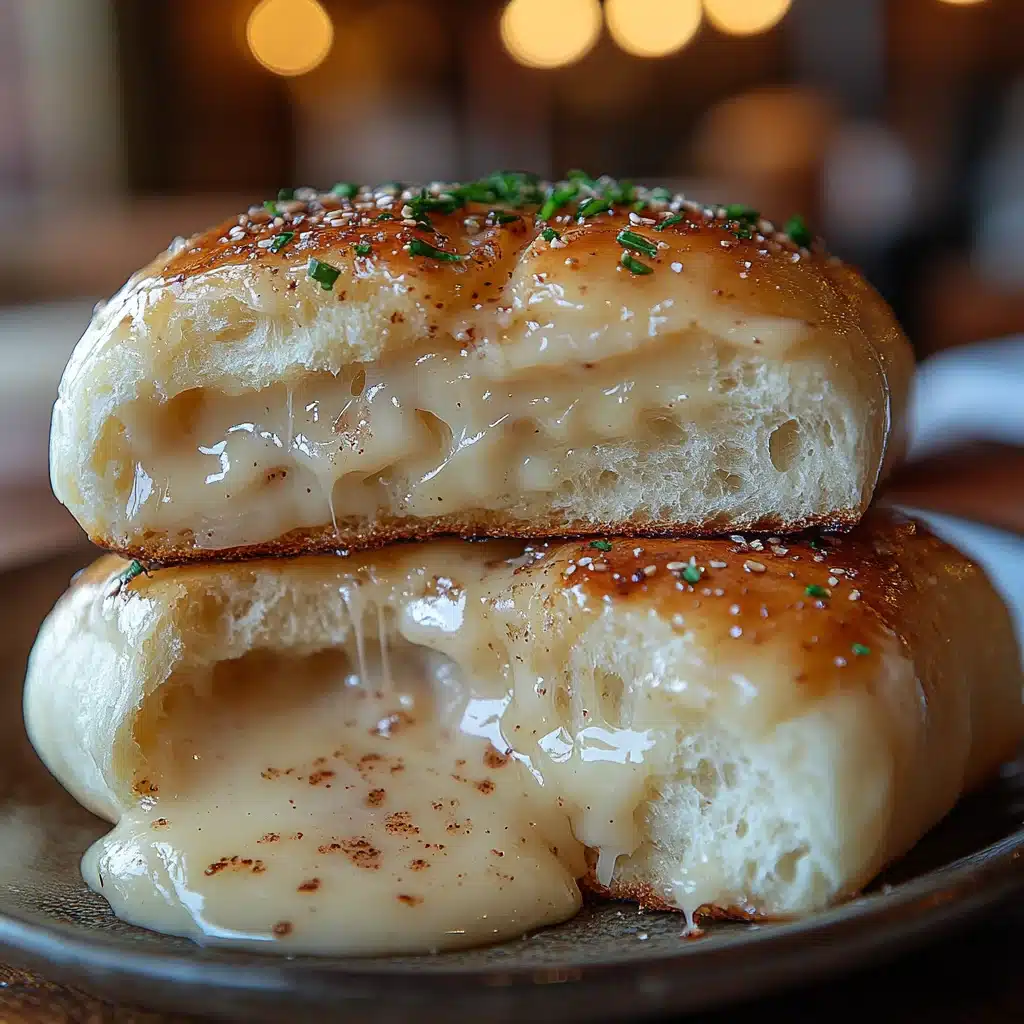
When shaping each ball, press flat, place a cube of mozzarella or cream cheese in the center, and pinch the dough closed around it. Place seam-side down in the pan. The melted cheese center is a delightful surprise. For a BBQ-themed dinner, serve these with beef tallow fries with furikake for the ultimate indulgent spread.
How to Store Texas Roadhouse Rolls?
| Method | Duration | Reheating | Quality Notes |
|---|---|---|---|
| Room temperature (in sealed bag) | 2–3 days | 10 sec microwave or 5 min at 300°F | Best texture days 1–2 |
| Refrigerator | 5 days | Must reheat — cold rolls are dense | Staling slowed but texture suffers |
| Freezer (baked) | 2 months | Thaw + 5 min at 300°F | Brush with butter after reheating |
| Freezer (unbaked dough) | 1 month | Thaw overnight in fridge, rise, bake | Nearly as good as fresh |
How Many Rolls Per Person Should You Make?
The honest answer — more than you think. Texas Roadhouse serves unlimited rolls for a reason. Plan for 2–3 rolls per person for a regular dinner, 3–4 for holidays or gatherings where these are a highlight. One batch of 16 rolls comfortably serves 5–6 people. If you’re feeding a crowd, double the recipe and use two 9×13 pans.
Scaling the Recipe
- Half batch: 8 rolls — use an 8×8 or 9-inch round pan. Reduce all ingredients by half.
- Double batch: 32 rolls — two 9×13 pans. May need to bake in shifts or use two oven racks (rotate pans halfway through).
- Triple batch (holiday): 48 rolls — make in three separate bowls rather than tripling in one. Large batches are hard to knead evenly.
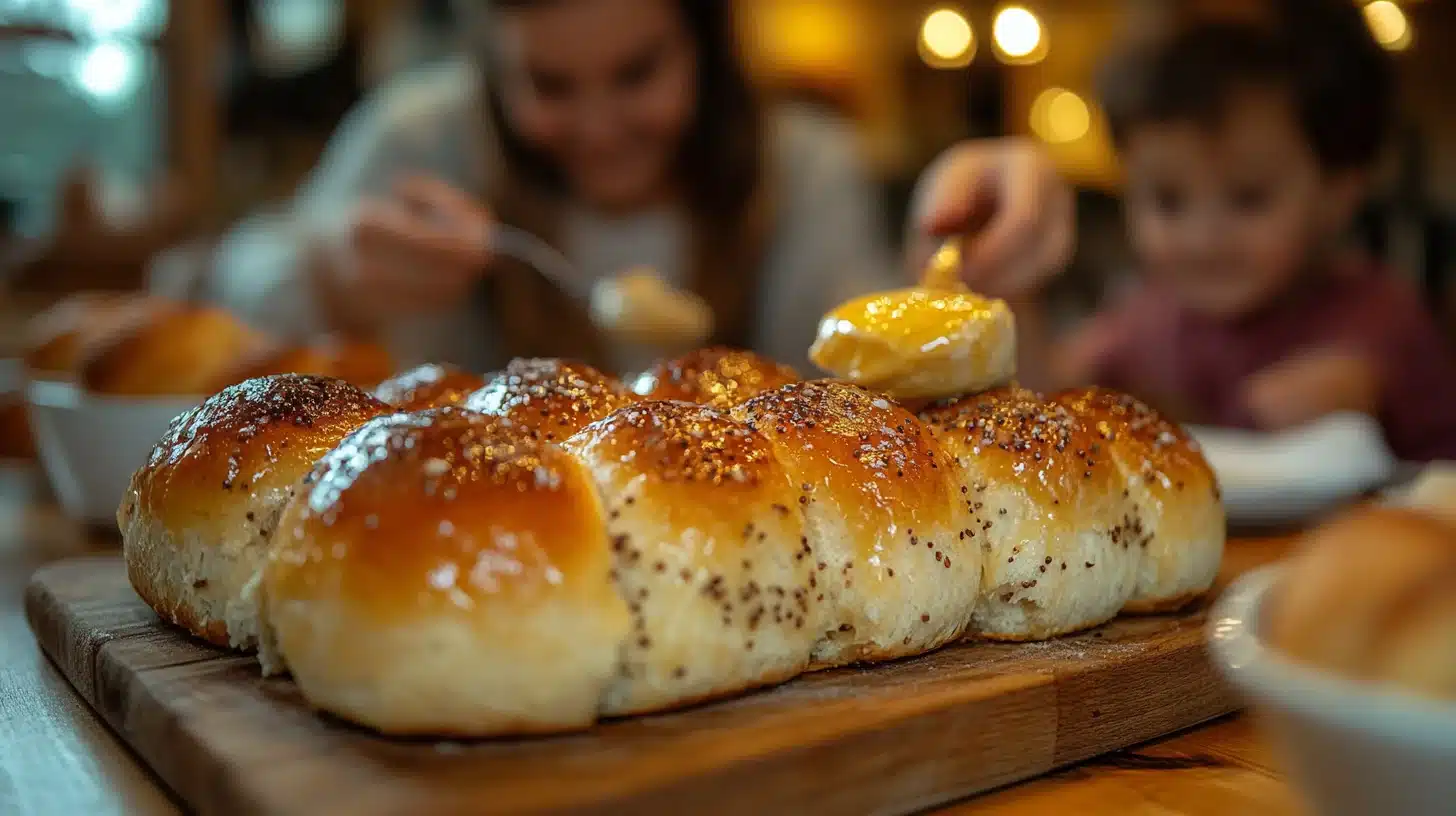
Texas Roadhouse Rolls
- Total Time: 2 hours
- Yield: 18 rolls 1x
- Diet: Vegetarian
Description
Soft, buttery Texas Roadhouse rolls copycat recipe with cinnamon honey butter. Fluffy homemade dinner rolls just like the restaurant.
Ingredients
- Structure 4 cups (512g)
- Moisture, tenderness 1 cup, warmed (105–110°F)
- Leavening 2¼ tsp (1 packet)
- Tenderness, flavor ¼ cup (4 tbsp), melted
- Sweetness, feeds yeast ¼ cup
- Moisture retention, flavor 2 tbsp
- Structure, richness 1, room temperature
- Flavor, gluten strength 1 tsp
Instructions
- Activate the Yeast (10 Minutes) — Warm the milk to 105–110°F (use a thermometer — too hot kills yeast, too cold won’t activate it). Stir in the sugar and sprinkle yeast over the surface. Let sit 5–10 minutes until frothy and bubbly. If it doesn’t foam, your yeast is dead — start with fresh yeast.
- Mix the Dough (5 Minutes) — To the yeast mixture, add melted butter (cooled slightly), honey, egg, and salt. Whisk to combine. Add flour one cup at a time, stirring with a wooden spoon until a shaggy dough forms. The dough should be slightly sticky — resist the urge to add too much flour, which makes rolls dense.
- Knead (8–10 Minutes) — Turn dough onto a lightly floured surface and knead 8–10 minutes until smooth and elastic. The dough should bounce back when poked. Alternatively, use a stand mixer with the dough hook on medium-low speed for 6–7 minutes. The dough will be soft, slightly tacky, but not sticking to your hands.
- First Rise (1 Hour) — Place dough in a lightly oiled bowl, cover with plastic wrap or a damp towel, and let rise in a warm spot until doubled in size — about 1 hour. A good spot: inside the oven with just the light on (creates ~80°F). Don’t rush this — proper rising develops flavor and texture.
- Shape the Rolls (10 Minutes) — Punch down the risen dough to deflate. Divide into 16 equal pieces (about 2.5 oz each). Roll each piece into a smooth ball by tucking the edges underneath and rolling between your cupped hands on an unfloured surface. The friction helps create surface tension for a smooth top. Place in a greased 9×13 pan (4 rows of 4), leaving about ½ inch between each ball.
- Second Rise (30–45 Minutes) — Cover the pan and let rolls rise until puffy and touching each other — about 30–45 minutes. They should look pillowy and jiggle slightly when the pan is gently shaken. This second rise is when the signature softness develops.
- Bake (15–18 Minutes) — Bake at 350°F for 15–18 minutes until the tops are golden brown. The internal temperature should reach 190°F if you’re checking with a thermometer. Immediately brush hot rolls with melted butter — this is the restaurant secret for that glossy, irresistible finish.
- Prep Time: 20 minutes
- Cook Time: 15 minutes
- Category: Bread
- Method: Baking
- Cuisine: American
Nutrition
- Serving Size: 1 serving
- Calories: 185
- Sugar: 6g
- Sodium: 170mg
- Fat: 5g
- Carbohydrates: 30g
- Fiber: 1g
- Protein: 5g
- Cholesterol: 25mg
Frequently Asked Questions About Texas Roadhouse Rolls
Can You Make Texas Roadhouse Rolls Without a Stand Mixer?
Absolutely — the original recipe was designed for hand kneading. Mix with a wooden spoon until a shaggy dough forms, then turn out onto a lightly floured surface and knead 8–10 minutes. Hand-knead produces excellent results; the dough is enriched enough that it’s not overly stiff or tiring to work with.
Why Are My Texas Roadhouse Rolls Not as Sweet as the Restaurant?
The restaurant uses a generous amount of sugar in the dough AND brushes with honey butter immediately after baking. Make sure you’re (1) using the full ¼ cup sugar and 2 tbsp honey in the dough, and (2) brushing generously with melted butter while hot. The cinnamon honey butter on the side adds even more sweetness.
What Temperature Should Milk Be for Yeast?
105–110°F for active dry yeast (which needs proofing). For instant/rapid-rise yeast, you can use slightly warmer liquid (120–130°F) and skip the proofing step. Above 140°F kills yeast — always use a thermometer rather than guessing.
Can You Use Instant Yeast Instead of Active Dry?
Yes — use the same amount but skip the proofing step. Add instant yeast directly to the flour, then add warm milk (120–130°F). Instant yeast also produces a slightly faster rise. The rolls taste identical either way.
How Do You Know When Rolls Are Done Without a Thermometer?
The tops should be golden brown (not pale, not dark). Tap the top of a roll — it should sound slightly hollow. If you pull them apart gently, the interior should look cooked through with no dense, doughy center. When in doubt, err on the side of lighter color — you can always put them back for 2–3 minutes.
What Is the Best Pan for Texas Roadhouse Rolls?
A 9×13 metal baking pan produces the most even results and allows rolls to push against each other while rising, creating those pull-apart edges. Glass pans work but conduct heat differently — reduce temperature by 25°F. Cast iron skillets create amazing bottom crust but can overbrown. For truly uniform rolls, a half-sheet pan with more spacing makes individual rolls rather than pull-apart.
Can You Make These Rolls Gluten-Free?
It’s challenging because gluten creates the structure that makes these rolls soft and pull-apart. A 1:1 gluten-free flour blend (like Bob’s Red Mill) plus ½ teaspoon xanthan gum produces acceptable results, but the texture will be slightly different — more crumbly and less fluffy. Add an extra egg for binding.
Why Do My Rolls Stick to the Pan?
Ensure you generously grease the pan with butter or cooking spray. Parchment paper on the bottom is extra insurance. If rolls do stick, place a warm damp towel under the pan for 5 minutes — the steam loosens them. Don’t use too much sugar directly on the pan bottom (it caramelizes and sticks).
How Long Can Dough Rise Before It Over-Proofs?
At room temperature, dough typically over-proofs after 2–3 hours (double the normal rise time). Over-proofed dough produces flat, dense rolls with a beer-like smell. If you think your dough has over-proofed, gently punch it down and reshape — it may recover for an adequate (though not perfect) second rise.
Can You Make Texas Roadhouse Rolls in a Bread Machine?
Use the bread machine’s dough cycle only to mix and handle the first rise. Then remove the dough, shape by hand, let rise in a pan, and bake in a conventional oven. The bread machine cannot replicate the shaped, close-together baking that creates the signature pull-apart texture.
What Side Dishes Go Best With These Rolls?
Texas Roadhouse serves them as a starter, but at home they shine alongside rich main dishes. They’re spectacular with our crock pot pot roast (use the rolls to soak up the gravy), baked halibut with lemon butter, or any soup or stew. The slight sweetness also pairs well with spicy dishes — the cinnamon butter helps cool the heat.

Written by Chef Anna
I'm Anna - a Le Cordon Bleu-trained chef, recipe developer, and the voice behind Chef Johns Gourmet. After a decade in professional kitchens, I now spend my mornings testing recipes and my afternoons writing them down so you can make them perfectly in your own kitchen. Every one of the 1,100+ recipes on this site has been personally cooked, tasted, and refined. I write like I'm standing next to you, walking you through every step. Simple recipes. Bold flavors. Made for real kitchens.