
Introduction
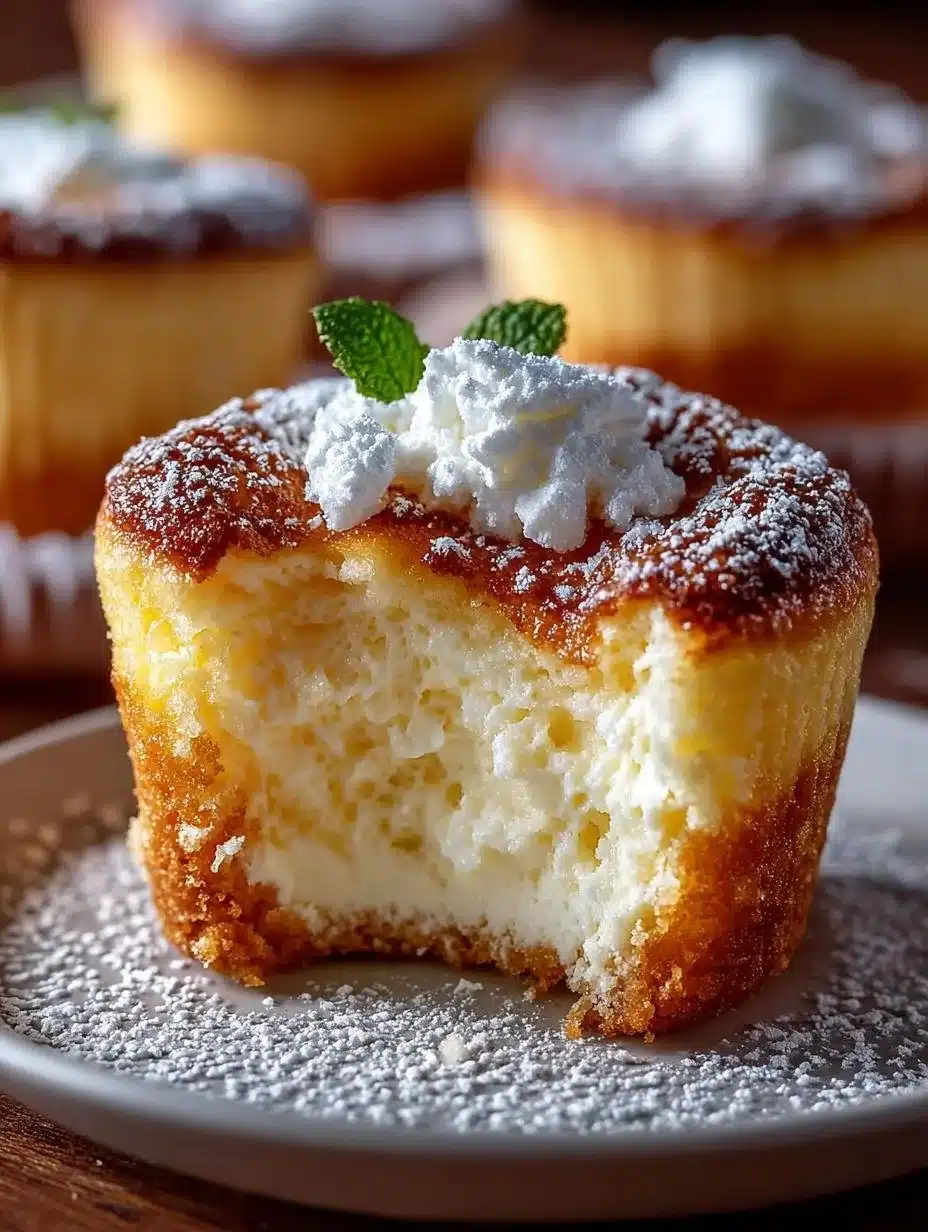
If you’ve ever bitten into a dessert that felt like a cloud and wondered how it was made, this guide is for you. In this Traditional Fluffy Japanese Cotton Cheesecake Cupcakes guide, you’ll learn everything from the cake’s origins to a complete, testable recipe and advanced techniques that lift your bakes from “good” to “remarkable.”
By the end of this guide you will be able to:
- Understand the science behind the signature cloud-like texture.
- Follow a detailed step-by-step recipe for Japanese cotton cheesecake cupcakes.
- Troubleshoot common problems and adapt the method for different skill levels and flavors.
- Confidently experiment with variations while preserving the delicate structure.
If you appreciate delicate textures in desserts, similar sensibilities appear in other treats like rose pistachio cheesecake ice cream, and those parallels will help you understand technique choices later.
Background & Context
Japanese cotton cheesecake sits at the intersection of Japanese baking preferences and Western ingredients. It’s lighter and airier than classic New York-style cheesecake, favoring whipped egg whites and reduced fat for a soufflé-like lift.
Origins and history
- The cake traces back to post-war Japan when Western-style desserts were being adapted with Japanese techniques.
- Bakers adopted the classic cheesecake flavor—cream cheese, sugar, eggs—but replaced dense structures with Japanese meringue techniques to create a softer, cottony crumb.
- When served in individual portions as cupcakes, they become versatile for cafés, bake sales, and home gatherings.
Cultural and practical relevance
- Its lightness pairs well with tea and balances the richer tastes of traditional desserts.
- Because each cupcake bakes evenly and is portion-controlled, they became popular for casual hospitality and gifting.
A personal observation: once you start making these, you’ll notice the same attention to texture in other Japanese confections. For example, variations like banana pudding cheesecake show a similar priority for balance—texture first, then flavor.
If you want a concise origin reference, think of this as a Japanese reinterpretation of cheesecake using European meringue technique combined with the Japanese taste for delicate textures.
Why This Approach Works
The method used for fluffy Japanese cotton cheesecake cupcakes intentionally separates and treats ingredients to maximize aeration and stability.
Clear benefits
- Light, cloud-like texture: achieved by folding meringue into a custard base.
- Predictable portion size: cupcakes bake uniformly, making quality control easier.
- Versatility: you can flavor the custard base with citrus, chocolate, or extracts without compromising structure.
Scientific reasoning—why the techniques matter
- Beating egg whites incorporates air, forming a foam stabilized by proteins and sugar.
- Folding meringue into a denser batter distributes air without deflating it.
- Gentle heat (often a water bath in full-size cakes) helps coagulate eggs slowly, preserving volume. In cupcakes, oven steam and lower oven temperatures perform a similar role.
Addressing common doubts
- “Is this just a soufflé?” No. It’s a hybrid: cream cheese gives tang and richness, while the meringue provides lift.
- “Is it hard to make?” Not if you follow the steps. The method is more about patience and technique than expensive ingredients.
For a quick comparison of different portioned cheesecakes and their structure, consider how presentation and bakeware influence outcome—similar ideas appear in guides for cheesecake cups, which share principles but differ in technique.
Core Concepts Explained
To master these cupcakes, break the recipe into logical components and understand each one’s role.
- Cream cheese custard base
- Ingredients: cream cheese, egg yolks, sugar, milk, vanilla, and a small amount of butter or flour/cornstarch sometimes.
- Purpose: provides flavor, fat, and body; sets as eggs coagulate during baking.
- Meringue (beaten egg whites + sugar)
- Types: French (sugar added while whipping), Swiss (heated sugar and whites), Italian (sugar cooked into syrup and poured into whipping whites).
- Purpose: traps air to create lift and lightness.
- Folding technique
- Gentle folding preserves air bubbles. Use wide, slow strokes and rotate the bowl.
- Start by lightening the custard with a small amount of meringue, then fold in the rest in 2–3 additions.
- Temperature and equipment
- Lower oven temperatures prevent rapid coagulation, which would squeeze out moisture and collapse the structure.
- Oven steam helps maintain a tender, moist crumb.
Alternatives and substitutions
- Cheese: full-fat cream cheese is best for flavor and stability; mascarpone or Neufchâtel can work but will change texture.
- Eggs: large eggs are standard; small or extra-large eggs will require small adjustments.
- Flour: a little cake flour or cornstarch helps stabilize the custard; gluten-free substitutes require more adjustment.
If you plan to present these in mini formats or different shapes, the technical foundations remain the same as seen in mini-bake guides like Christmas cheesecake bites.
Tools, Resources, or Foundations
Essentials
- Electric mixer (stand or handheld) capable of whipping meringue to soft/firm peaks.
- Mixing bowls: one large metal or glass for whites, one for custard.
- Cupcake pan and paper liners or parchment molds.
- Spatula for folding (silicone is ideal).
Optional enhancements
- Sifter for powdered sugar or flour to avoid clumps.
- Instant-read thermometer for checking oven and sugar syrup temperatures.
- Cooling racks and an oven-safe tray for gentle handling.
Budget-friendly or beginner alternatives
- Whisking by hand is possible but exhausting and inconsistent; use warmth and steady motion if you must.
- Use common pantry substitutes like cornstarch for cake flour, but reduce amounts slightly.
Brief commentary on usefulness
- A stand mixer speeds consistency and frees your hands for other tasks.
- A thermometer helps with Italian meringue, but for French meringue (simple sugar plus whites), visual cues (glossy whites, soft/firm peak) are enough.
For inspiration on adapting baking equipment to flavor profiles, consider references such as maple bourbon cheesecake where equipment choices impacted the final presentation.
Step-by-Step Process
Below is a practical, time-estimated process for making about 12 cupcakes. Times are approximate.
Prep (15–20 minutes)
- Bring cream cheese to room temperature for at least 30–60 minutes earlier.
- Preheat oven to 320°F (160°C).
- Line a 12-cup muffin pan with paper liners and prepare a shallow pan of hot water if you want a slight steam bath effect.
Ingredients (for 12 cupcakes)
- 250 g (8.8 oz) cream cheese, room temperature
- 40 g (3 tbsp) unsalted butter, room temperature
- 80 g (1/3 cup + 2 tbsp) granulated sugar, divided
- 6 large eggs, separated
- 60 ml (1/4 cup) milk
- 20 g (3 tbsp) cake flour or sifted all-purpose flour
- 10 g (1 tbsp) cornstarch (optional)
- 1 tsp vanilla extract
- A pinch of salt
Timing: 10–15 minutes active prep; 20–25 minutes bake; 30 minutes cooling.
Step 1 — Make the cream cheese base (H3)
- Beat cream cheese and butter until smooth and lump-free (2–3 minutes).
- Add yolks one at a time, beating gently.
- Sift in flour and cornstarch, then add milk and vanilla. Mix to a smooth, pourable custard.
Step 2 — Make the meringue (H3)
- Clean and dry mixing bowl thoroughly.
- Whip egg whites with salt until foamy, then gradually add half the sugar until soft peaks.
- Add remaining sugar and whip to glossy medium-firm peaks (about 3–5 minutes on medium-high).
Step 3 — Combine (H3)
- Fold a small spoonful of meringue into the custard to lighten it.
- Gently fold in the remaining meringue in two additions with wide strokes, preserving volume.
- Avoid overmixing—stop when streaks disappear.
Step 4 — Fill and bake (H3)
- Fill liners 2/3 full. Tap the tray gently to eliminate large air pockets.
- Bake at 320°F (160°C) for 18–22 minutes until golden and slightly jiggly in the center.
- If using a water bath, place the cupcake pan on a larger tray and add hot water until it comes halfway up the cupcake pan’s sides.
Step 5 — Cool (H3)
- Immediately remove from oven and cool on a rack for 10 minutes.
- Transfer cupcakes from liners to cool completely to room temperature—this helps prevent condensation and sogginess.
Common mistakes + how to avoid them
- Overbeating meringue: peaks that are too stiff can deflate when folded. Stop at glossy medium-firm peaks.
- Underbeating whites: low volume leads to dense cupcakes. Whites should hold shape.
- Overmixing: destroys air pockets. Use slow, deliberate folding strokes.
- Baking too hot: causes rapid set of outer structure, collapsing the center. Monitor oven temp with an oven thermometer.
Pro tips
- Age egg whites: letting whites sit uncovered in the fridge for a few hours sometimes improves whipping. Bring to room temp before whipping.
- Use room temperature cream cheese to avoid lumps.
- For a shinier top, brush with melted apricot jam after cooling.
Expert Techniques & Insights
Once you’ve mastered the basic method, these techniques refine texture and consistency.
Italian meringue upgrade
- Italian meringue (pouring a hot sugar syrup into whipped whites) produces a more stable foam that resists weeping and can be safer in warmer kitchens.
- Use a candy thermometer: boil sugar to 240°F (115°C) for a soft-ball stage.
Steam and humidity control
- Slight oven humidity prevents drying; a pan of hot water beneath the cupcake tray helps.
- In very dry ovens, brush tops with a thin syrup to prevent cracks.
Flavor layering without structural compromise
- Fold in finely grated citrus zest or emulsions into the yolk mixture. Avoid adding liquid extracts directly to meringue.
- If adding cocoa or melted chocolate, cool chocolate slightly to prevent melting the meringue during folding.
Efficiency tips
- Multitask: while meringue whips, prepare liners and pre-measure dry ingredients.
- Use a piping bag to portion batter for uniform cupcakes.
Lessons from experience
- Consistency matters more than intuition. If your cupcakes dome unevenly, check oven calibration and mixing times.
- Small changes (egg size, humidity) can produce different outcomes—track your experiments in a baking journal.
Variations & Adaptations
Different contexts and skill levels call for different approaches.
Flavor variations
- Citrus: lemon or yuzu zest in the custard.
- Chocolate: fold in 10–15 g of sifted cocoa with the flour.
- Matcha: replace part of the flour with high-quality matcha powder for color and flavor.
Texture adaptations
- Denser version: reduce meringue volume by 20–30% and increase yolk ratio.
- Extra airy (advanced): use Italian meringue and a water bath for gentler setting.
Presentation variations
- Mini cupcakes: reduce baking time to 10–14 minutes.
- Topped: lightly dust powdered sugar or pipe stabilized whipped cream just before serving.
Skill-level adaptations
- Beginner: use French meringue and follow the basic method.
- Intermediate: add a water bath or steam pan for consistent humidity.
- Advanced: switch to Italian meringue and add flavor-infused sugar syrups.
Cross-cultural adaptations
- Reduce sugar and balance with tangy fruit for palates that prefer less sweetness.
- Pair with green tea or miso caramel for savory-sweet contrasts.
For reference on adapting cupcakes into different serving formats, guides such as Christmas cheesecake bites illustrate similar scaling concepts.
Analysis & Benefits Breakdown
Here’s a compact table comparing classic cheesecake cupcakes to other cheesecake styles.
| Feature | Classic New York Cheesecake | Fluffy Japanese Cotton Cheesecake Cupcakes | Cheesecake Cups (small) |
|—|—:|—:|—:|
| Texture | Dense, creamy | Light, airy, cloud-like | Varies—can be creamy or layered |
| Main leavening | None (dense set) | Meringue aeration | Depends on recipe |
| Serving | Sliced | Individual | Individual |
| Bake technique | High temp, longer bake | Low temp, meringue incorporation | Varied |
| Difficulty | Moderate | Moderate (technique-sensitive) | Easy–moderate |
Strengths, limitations, and considerations
- Strengths: delicate mouthfeel, visually elegant, portion control.
- Limitations: technique-sensitive; less forgiving than dense cheesecakes.
- Considerations: ingredient quality (cream cheese, eggs) significantly affects result.
This analysis helps prioritize what to practice: meringue consistency and gentle folding.
Preparation, Retention & Long-Term Use
How to prepare effectively
- Mise en place: weigh ingredients, prepare liners, set up mixer and spatulas.
- Temperature control: bring cream cheese and eggs to room temperature in advance.
Retention or reuse strategies
- Recipe note-taking: record oven times, batch size, humidity, and egg sizes.
- Make-ahead: cupcakes keep well refrigerated for 2–3 days in an airtight container.
- Freeze: freeze unfrosted cupcakes wrapped tightly for up to 1 month; thaw in the refrigerator before serving.
Longevity of skills
- The meringue and folding skills you practice here are transferable to soufflés, chiffon cakes, and certain mousses.
- As you master foam handling, your confidence in delicate bakes increases quickly.
Troubleshooting & Common Problems
Problem → Cause → Solution
- Cupcakes collapsed in center
- Cause: Overwhipped then deflated meringue, or oven too hot/rapid temperature change.
- Solution: Stop whipping at medium-firm peaks; fold gently. Reduce oven temp by 10–15°F and avoid abrupt cooling.
- Lumpy cream cheese base
- Cause: Cold cream cheese or overmixing leading to clumps.
- Solution: Bring cream cheese to room temp and beat thoroughly at low speed; strain if necessary.
- Weeping or liquid on top after cooling
- Cause: Underbaked center or excess sugar syrup on top.
- Solution: Test center with a gentle jiggle for 5–10 seconds. For syrupy tops, cool fully and refrigerate uncovered briefly to set.
- Meringue won’t form peaks
- Cause: Bowl or whisk not clean or presence of fat.
- Solution: Ensure bowls are clean and dry. Avoid any yolk contamination.
- Cracked tops
- Cause: Oven too hot or overwhipped whites causing large air bubbles.
- Solution: Lower oven temp; tap pan to remove large bubbles before baking.
If you encounter persistent issues, log variables and repeat with small adjustments—small tweaks often solve big problems.
FAQ Section
Q1: Are these cupcakes the same as a cheesecake or a soufflé?
- Answer: They’re a hybrid—cheesecake flavor with soufflé-like lift from meringue.
Q2: Can I use low-fat cream cheese?
- Answer: You can, but texture and flavor will be less rich and may affect setting.
Q3: How do I store them?
- Answer: Refrigerate in an airtight container for up to 3 days. For longer storage, freeze unfrosted.
Q4: Can I make the batter the night before?
- Answer: Not recommended—the meringue will lose stability. Assemble and bake same day.
Q5: What’s the key to consistent rise?
- Answer: Properly whipped whites and gentle folding; uniform oven temperature is also crucial.
Q6: Can I add fruit into the batter?
- Answer: Small amounts of finely chopped, drained fruit can work; avoid wet fruit that adds moisture.
Q7: Why did my cupcakes sink after cooling?
- Answer: Likely overbeaten then deflated meringue or underbaking. Reduce mixing aggression and increase bake time slightly.
Q8: Is this recipe suitable for large parties?
- Answer: Yes—scale the recipe and bake in batches. Consistency in ingredient temperatures and timing becomes more important.
Related Topics & Next Steps
After mastering these cupcakes, natural extensions include:
- Full-size Japanese cotton cheesecake for special occasions.
- Savory-sweet pairings—learn about miso caramel or matcha glaze.
- Other light-foam techniques: French macarons, chiffon cakes, and mousses.
If you want to expand into creative presentations, look into pairing textures—crunchy crumb bases or fruit gels—for contrast.
Quick Reference Summary
- Core method: cream cheese custard + meringue → gentle folding → low-temp bake.
- Essentials: room-temperature cream cheese, properly whipped whites, gentle folding technique.
- Time: ~15 minutes prep, 18–25 minutes bake, 30 minutes cooling.
- Storage: refrigerate 2–3 days; freeze unfrosted up to 1 month.
- Troubleshoot: check meringue stability, oven temp, and folding method.
Bookmark this section for a quick refresher before each bake.
Conclusion
You’ve now got a complete Traditional Fluffy Japanese Cotton Cheesecake Cupcakes guide—from origins and core concepts to an actionable recipe, troubleshooting, and advanced techniques. If you want to experiment with mini formats, see this helpful example for a slightly different presentation with the Mini Japanese Cotton Cheesecake – INDY ASSA. For another tested recipe and inspiration on cupcake-specific approaches, check out this practical take on Japanese Cotton Cheesecake Cupcakes – Gourmet Martha.
If you’d like, I can convert this guide into a reusable system prompt, adapt it to a technical tutorial version, or create a content evaluation checklist based on the structure used here.
Print
Traditional Fluffy Japanese Cotton Cheesecake Cupcakes
- Total Time: 45 minutes
- Yield: 12 servings 1x
- Diet: Vegetarian
Description
Delicate and airy Japanese cotton cheesecake cupcakes, perfect for tea or home gatherings.
Ingredients
- 250 g (8.8 oz) cream cheese, room temperature
- 40 g (3 tbsp) unsalted butter, room temperature
- 80 g (1/3 cup + 2 tbsp) granulated sugar, divided
- 6 large eggs, separated
- 60 ml (1/4 cup) milk
- 20 g (3 tbsp) cake flour or sifted all-purpose flour
- 10 g (1 tbsp) cornstarch (optional)
- 1 tsp vanilla extract
- A pinch of salt
Instructions
- Preheat oven to 320°F (160°C) and line a 12-cup muffin pan with paper liners.
- Beat cream cheese and butter until smooth; add egg yolks one at a time, then sift in flour and cornstarch, mixing until custard is smooth.
- Clean and dry the bowl, then whip egg whites with salt until foamy; gradually add half the sugar until soft peaks, then add remaining sugar and whip to glossy medium-firm peaks.
- Fold a small spoonful of meringue into the custard to lighten it, then gently fold in the remaining meringue in two additions.
- Fill liners 2/3 full and bake for 18–22 minutes until golden and slightly jiggly in the center.
- Cool in the pan for 10 minutes, then transfer to a rack to cool completely.
Notes
For a shinier top, brush with melted apricot jam after cooling. Ensure cream cheese is at room temperature to avoid lumps.
- Prep Time: 20 minutes
- Cook Time: 25 minutes
- Category: Dessert
- Method: Baking
- Cuisine: Japanese
Nutrition
- Serving Size: 1 cupcake
- Calories: 180
- Sugar: 14g
- Sodium: 120mg
- Fat: 9g
- Saturated Fat: 5g
- Unsaturated Fat: 4g
- Trans Fat: 0g
- Carbohydrates: 19g
- Fiber: 0g
- Protein: 4g
- Cholesterol: 80mg

Written by Chef Anna
I'm Anna - a Le Cordon Bleu-trained chef, recipe developer, and the voice behind Chef Johns Gourmet. After a decade in professional kitchens, I now spend my mornings testing recipes and my afternoons writing them down so you can make them perfectly in your own kitchen. Every one of the 1,100+ recipes on this site has been personally cooked, tasted, and refined. I write like I'm standing next to you, walking you through every step. Simple recipes. Bold flavors. Made for real kitchens.