
Key Takeaways
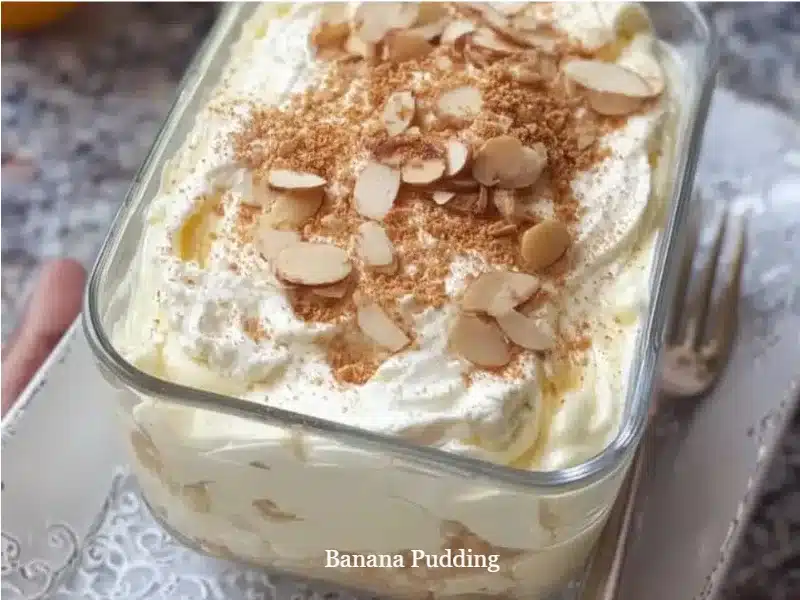
- Classic banana pudding layers vanilla wafers, fresh ripe bananas, silky vanilla custard, and pillowy whipped cream into a Southern dessert that disappears at every gathering.
- The secret to authentic flavor is homemade vanilla custard made from scratch — boxed pudding mix tastes acceptable, but real custard with egg yolks delivers genuine restaurant quality.
- Banana ripeness matters: use just-yellow bananas with light brown speckles — green bananas are starchy, while overly brown ones turn mushy and gray when assembled.
- Allow 4-6 hours of refrigeration (overnight is ideal) before serving so the wafers soften into cake-like layers and flavors meld throughout the dessert.
- Brushing banana slices with fresh lemon juice prevents browning and keeps the dessert visually beautiful for serving up to 24 hours later.
- Pair with our peanut butter cup mousse or cottage cheese chocolate mousse for a stunning dessert flight.
Why Classic Banana Pudding Endures as Southern Royalty
Few desserts hold the cultural weight in American Southern cooking that banana pudding does. It appears at church potlucks, family reunions, holiday dinners, summer cookouts, and casual Sunday suppers with equal celebration. Walk into any meat-and-three diner across Tennessee, Georgia, or the Carolinas and you’ll find banana pudding on the dessert menu — often listed without description because everyone already knows what to expect: layers of tender vanilla wafers, slices of perfectly ripe banana, creamy custard, and clouds of whipped topping.
The dessert’s enduring appeal comes from its near-universal nostalgia. For generations of Americans, banana pudding tastes like grandmother’s kitchen. It’s affordable, makes ahead beautifully for crowds, requires no fancy equipment, and produces a generous quantity from simple pantry ingredients. The contrast of textures — silky custard, soft cake-like wafers, cool firm banana slices, and airy whipped cream — creates an eating experience that feels indulgent without requiring sophistication.
Modern home cooks often default to box-mix shortcuts and frozen whipped topping, and those versions are perfectly fine. But the original from-scratch method takes only 15 extra minutes of active work and produces something noticeably superior in flavor, texture, and craftsmanship. Once you’ve tasted real custard against bananas and vanilla wafers, the boxed version feels distinctly second-tier. The same upgrade-your-classics philosophy elevates our favorite carrot cake recipe beyond what packaged mixes can achieve.
(adsbygoogle = window.adsbygoogle || []).push({});
| Style | Custard Source | Wafer Type | Topping | Difficulty |
|---|---|---|---|---|
| Classic Southern (this recipe) | Homemade from scratch | Nilla Wafers | Fresh whipped cream | Easy-Moderate |
| Magnolia Bakery NYC | Pudding mix + condensed milk | Nilla Wafers | Whipped cream | Very Easy |
| Quick Shortcut | Boxed pudding mix | Nilla Wafers | Cool Whip | Very Easy |
| No-Bake Trifle | Pudding mix + cream cheese | Vanilla wafers | Cool Whip | Easy |
| Meringue-Topped Old School | Homemade custard | Nilla Wafers | Browned meringue | Moderate |
| Decadent Chocolate Twist | Chocolate custard | Chocolate wafers | Whipped cream | Moderate |
| Healthy Lighter Version | Greek yogurt + pudding | Graham crackers | Light whipped topping | Easy |
| High-Protein Twist | Cottage cheese + protein | Vanilla wafers | Greek yogurt cream | Easy |
Essential Ingredients for Authentic Banana Pudding
The beauty of banana pudding is its ingredient simplicity — six core components combine into something far greater than their sum. Choosing each one wisely is the difference between forgettable and unforgettable. Here’s what to use and why every choice matters.
Bananas are obviously the star. Choose just-yellow bananas with light freckling for ideal sweetness and structure. Underripe bananas (green-tinged) are starchy and bland. Overly ripe bananas (heavy spotting or brown peels) turn mushy and brown the dessert visually. The ideal banana flexes slightly but stays firm under gentle pressure. You’ll need 4-5 medium bananas for an 8×8 pan or 9×13 trifle dish.
Vanilla wafers traditionally means Nabisco’s Nilla Wafers, the gold standard since 1898. Their slightly crisp texture and concentrated vanilla flavor soften beautifully into cake-like layers when refrigerated with custard. Generic vanilla wafers work but are typically softer to start, so they may turn mushy faster. For a premium upgrade, consider Pepperidge Farm Bordeaux cookies — slightly more sophisticated flavor — or homemade vanilla wafers if you’re ambitious.
Whole milk and heavy cream form the base of authentic custard. Skim or 2% milk produces a thinner, less luxurious custard. The fat in whole milk provides body and silky mouthfeel. Heavy cream (added at the end) creates richness and ensures the custard sets to perfect consistency. Avoid ultra-pasteurized cream when possible — it can resist whipping properly. The same dairy quality matters in our healthy cottage cheese pancakes.
Egg yolks (not whole eggs) are the custard’s thickening superpower. Whites would dilute the richness and make the custard rubbery rather than silky. Save whites for meringue topping (an authentic old-school option) or freeze for future use. Use room-temperature yolks — cold yolks can cause uneven thickening.
Pure vanilla extract is non-negotiable. Imitation vanilla tastes synthetic and one-dimensional. Pure Madagascar bourbon vanilla extract delivers the warm, complex flavor that defines great vanilla custard. For a luxury version, scrape the seeds from half a fresh vanilla bean directly into the milk before heating.
| Ingredient | Amount | Role | Substitution |
|---|---|---|---|
| Ripe but firm bananas | 4-5 medium | Star fruit, layers | Plantains (denser texture) |
| Vanilla wafers (Nilla) | 11 oz box (about 60) | Cake-like layers | Pepperidge Farm Bordeaux |
| Whole milk | 2 cups | Custard base | Half-and-half (richer) |
| Heavy cream (custard) | 1/2 cup | Body, richness | More whole milk |
| Granulated sugar | 3/4 cup | Sweetness | Reduce to 1/2 cup if preferred |
| Cornstarch | 1/4 cup | Thickening agent | 3 tbsp flour (slightly different) |
| Egg yolks | 4 large | Richness, color, thickening | None (essential) |
| Salted butter | 2 tbsp | Silky finish | Unsalted + pinch salt |
| Pure vanilla extract | 2 tsp | Aromatic depth | Vanilla bean paste |
| Heavy cream (topping) | 2 cups | Whipped cream layer | Cool Whip (8 oz) |
| Powdered sugar | 1/4 cup | Sweetens whipped cream | Granulated (less smooth) |
| Lemon juice | 1 tbsp | Prevents banana browning | Pineapple juice |
Step-by-Step: How to Make Classic Banana Pudding
Step 1: Make the Vanilla Custard Base
In a medium saucepan, whisk together the granulated sugar and cornstarch until uniform — eliminates lumps later. Slowly whisk in the cold milk and heavy cream until smooth. Add the egg yolks and whisk thoroughly to combine. Place over medium heat and cook, whisking constantly, for 8-10 minutes until the mixture thickens and starts to bubble gently. The custard should coat the back of a spoon and hold a clear line when you drag your finger through it.
Step 2: Finish the Custard
Once thickened, remove from heat immediately. Stir in the butter and vanilla extract until the butter melts completely. Strain through a fine-mesh sieve into a clean bowl to catch any cooked egg bits — this guarantees silky-smooth custard. Press a piece of plastic wrap directly onto the surface to prevent skin formation. Refrigerate for 30-45 minutes until cool but still pourable. This patience makes layering easy.
Step 3: Slice the Bananas
While custard cools, slice bananas into 1/4-inch rounds. Toss gently with lemon juice in a wide bowl to coat — this prevents browning during assembly and storage. Don’t slice ahead of time; bananas brown rapidly when exposed to air even with lemon juice. Aim to slice within 10-15 minutes of layering.
Step 4: Whip the Cream Topping
In a chilled bowl with chilled beaters (this matters), whip the 2 cups of heavy cream on medium-high speed until soft peaks form. Add the powdered sugar and continue whipping until stiff peaks form and the cream holds its shape when the beaters lift. Avoid over-whipping into butter territory. If your kitchen is warm, place the bowl over an ice bath to keep cream cold.
Step 5: Layer in the Dish
Use a 9×13 baking dish or a clear trifle bowl (the trifle bowl shows off the layers beautifully). Start with a single layer of vanilla wafers covering the bottom. Top with a layer of banana slices, then spread one-third of the custard over. Repeat: wafers, bananas, custard. End with a third layer of wafers and bananas, then top with the remaining custard. Spread whipped cream evenly across the top. Garnish with crumbled wafer pieces and a few extra banana slices for presentation.
Step 6: Refrigerate and Rest
Cover the dish loosely with plastic wrap (don’t press onto whipped cream) and refrigerate for at least 4 hours, ideally overnight. This rest is transformational — the wafers soften from cookies into cake-like layers, the custard sets, and flavors meld into the harmonious whole that defines classic banana pudding. Don’t skip or shorten this step.
The Magic of Layering Technique
How you layer the components affects both flavor distribution and visual presentation. The traditional Southern approach uses three full layers of wafers, bananas, and custard — this ensures every spoonful contains all elements in balance. Skimping on layers creates uneven dessert where some bites are mostly custard and others mostly cake. The same layering principle drives the success of our delicious vegetable lasagna.
For trifle bowls, lean into the visual drama. Press wafer pieces against the glass walls so they’re visible from the side. Use the most photogenic banana slices on the perimeter where they’ll show. Reserve a few perfect wafers and banana coins for the top garnish — this final detail signals “homemade with love” rather than thrown-together.
For 9×13 baking dishes, focus on smooth, even layers. Spread custard with an offset spatula for clean edges. The whipped cream layer should swoop into peaks for visual texture. A dusting of crushed wafer crumbs across the top adds finishing elegance and signals the dessert’s identity at first glance.
Make-Ahead and Storage Strategy
How Far Ahead Can I Make This?
Banana pudding is genuinely better made ahead. Assemble up to 24 hours before serving for ideal texture — wafers fully soften, custard sets perfectly, flavors meld. Beyond 24 hours, bananas may discolor and wafers can turn mushy. The lemon juice helps but isn’t permanent magic.
Best Way to Store Leftovers?
Cover tightly with plastic wrap and refrigerate up to 3 days. Quality declines noticeably after day 2 as bananas brown and wafers over-soften, but flavor remains delicious. For longer storage, plan to make smaller batches more frequently rather than freezing.
Can I Freeze Banana Pudding?
Honestly, no. Bananas turn mushy, custard separates, and the textural magic that defines this dessert is lost. If freezing is essential, freeze the custard alone (without bananas or wafers) for up to 1 month. Thaw overnight, then assemble fresh.
How Do I Transport It Without Damage?
Use a deep dish with a tight-fitting lid. Place the dish in a cooler with ice packs underneath if traveling more than 30 minutes. Garnish with extra wafers and bananas just before serving rather than during transport — they take damage easily.
Variations and Creative Twists
Once you’ve mastered the classic, branch out into variations that respect the base recipe while adding personality. These versions all preserve the soul of banana pudding while introducing creative new dimensions.
Caramel Banana Pudding: Drizzle warm salted caramel sauce between layers and over the whipped cream. The buttery caramel complements bananas beautifully and adds visual gold-tone elegance.
Peanut Butter Banana Pudding: Whisk 1/3 cup creamy peanut butter into the warm custard until smooth. Layer with chocolate wafers instead of vanilla. The flavor combination is reminiscent of Reese’s cups in dessert form. Pairs beautifully with our peanut butter energy bites.
Chocolate-Topped Version: Add a final layer of chocolate ganache (chocolate chips melted with hot cream 1:1) over the custard before topping with whipped cream. Stunning visual contrast and decadent flavor.
Tropical Twist: Add layers of pineapple chunks alongside bananas. Replace half the vanilla extract with coconut extract. Garnish with toasted coconut. This version transports the dessert to the Caribbean.
Choosing the Perfect Banana for Pudding
The ripeness stage of your banana directly determines the quality of the final dessert. Bananas continue to ripen even after picking, transforming starch into sugar as they age. The sweet spot for banana pudding falls in a narrow window — too underripe and they’re starchy and bland, too ripe and they turn mushy and gray when layered with custard. Master this single decision and your banana pudding instantly elevates. Same banana-quality logic governs our fluffy 3-ingredient banana pancakes and creamy banana pudding.
| Ripeness Stage | Peel Color | Texture | Sweetness | Use For Pudding? |
|---|---|---|---|---|
| Green-tipped | Yellow with green ends | Very firm | Low, starchy | No – too underripe |
| Just Yellow | All yellow, no spots | Firm | Mild | Acceptable |
| Light Speckle | Yellow + small brown dots | Slightly soft | Sweet | ★★★★★ Perfect |
| Heavy Speckle | Yellow + many dots | Soft | Very sweet | Last call – acceptable |
| Mostly Brown | Brown patches dominant | Very soft | Intense banana | No – mushy and gray |
| Black Peel | Black or near-black | Mushy throughout | Concentrated | No – use for banana bread |
Troubleshooting Banana Pudding Problems
Banana pudding has only a handful of components, so when something goes wrong, the cause is usually identifiable and fixable. This troubleshooting guide covers the most common issues home cooks encounter and exactly how to solve each one — so your next batch is flawless.
| Problem | Most Likely Cause | Fix Next Time |
|---|---|---|
| Custard turned out lumpy | Eggs cooked too fast or no constant whisking | Whisk continuously, lower heat slightly, strain finished custard |
| Pudding too thin/runny | Custard undercooked or insufficient cornstarch | Cook until coats spoon firmly, use full 1/4 cup cornstarch |
| Bananas turned brown/gray | Insufficient lemon juice or sliced too early | Toss generously in lemon, slice immediately before layering |
| Wafers are soggy mush | Refrigerated longer than 24 hours | Serve within 24 hours, or use sturdier cookies |
| Wafers stayed too crisp | Insufficient resting time before serving | Refrigerate at least 4 hours, ideally overnight |
| Whipped cream watery/weeping | Underwhipped or kitchen too warm | Whip to stiff peaks, add 1 tbsp cornstarch as stabilizer |
| Custard tastes eggy | Used whole eggs or didn’t strain | Use only yolks, always strain finished custard |
| Custard formed skin on top | Cooled uncovered | Press plastic wrap directly on surface during cooling |
| Bland, flat flavor | Skipped salt or used imitation vanilla | Add pinch of salt to custard, use pure vanilla extract |
| Layers slid apart when scooped | Custard too thin or insufficient setting time | Thicker custard + minimum 4 hour rest |
Serving Suggestions and Presentation Tips
Beautiful presentation transforms banana pudding from comforting potluck dish to dinner party showstopper. The choice of serving vessel makes the biggest impact on visual drama. A clear glass trifle bowl displays the layers beautifully — pressing wafers and bananas against the glass walls creates that magazine-photo look. Individual mason jars or stemless wine glasses for personal servings feel restaurant-elevated. A vintage Pyrex 9×13 dish brings homey charm to family gatherings. The same presentation thinking elevates our cottage cheese chocolate mousse.
Garnishes are where personality shines. Crumble extra wafers across the top in irregular pieces (not crushed dust) for textural contrast. Place a few perfect banana coins in a decorative pattern, brushed with lemon to keep them yellow. A drizzle of caramel sauce in zigzag patterns adds visual gold-tone luxury. Fresh mint leaves provide green color contrast that photographs beautifully. For showstopper presentation, pipe the whipped cream in decorative rosettes using a star tip rather than smooth spreading.
For dessert spreads, banana pudding pairs beautifully with our peanut butter cup mousse, no-bake chocolate protein bars, and lemon bars. Together they create a varied dessert tray with different flavor profiles, textures, and color palettes — something for every guest’s preference.
| Vessel | Serves | Visual Impact | Best For |
|---|---|---|---|
| 9×13 baking dish | 12 | Homey, classic | Family gatherings, potlucks |
| 3-quart trifle bowl | 12 | Layers visible, dramatic | Dinner parties, holidays |
| 8-inch square dish | 6-8 | Casual, simple | Smaller households |
| Individual mason jars | 1 each | Charming, portable | Picnics, gifts, kids |
| Stemless wine glasses | 1 each | Elegant, restaurant-style | Dinner parties, dates |
| Vintage Pyrex dish | 12 | Nostalgic, traditional | Family reunions |
| Glass storage container | 6-8 | Practical for transport | Office potlucks |
| Cocktail coupe glasses | 1 each | Vintage glamour | Cocktail parties |
Frequently Asked Questions About Banana Pudding
Can I use boxed pudding mix instead of homemade custard?
Yes — Magnolia Bakery’s famous version uses pudding mix combined with sweetened condensed milk. The texture is slightly different from homemade (more uniformly smooth, less complex), but it’s a popular shortcut that produces excellent results in 10 minutes of active prep time.
Why are my bananas turning brown so fast?
Air exposure causes browning. The lemon juice slows but doesn’t prevent it. Make sure bananas are fully coated, layer immediately after slicing, and serve within 24 hours of assembly. Adding a thin custard layer over each banana layer creates a barrier that helps significantly.
Can I make this gluten-free?
Yes. Use gluten-free vanilla wafers (Schar makes excellent ones, as does Glutino). Verify your cornstarch and vanilla are gluten-free (most are). The result is virtually indistinguishable from the original.
How do I know when the custard is done cooking?
Three signs: (1) the mixture coats the back of a spoon and a finger drag holds a clear line, (2) it just barely starts bubbling at the edges, and (3) it reaches 170-175°F if you have a thermometer. Don’t boil hard — that scrambles the eggs.
What if my custard turns out lumpy?
Strain it through a fine-mesh sieve immediately. This catches all lumps and produces silky-smooth custard. For prevention next time, whisk constantly during cooking and add cold milk slowly to the cornstarch mixture.
Can kids help make this dessert?
Absolutely — it’s perfect for kid involvement. Kids can layer the wafers, slice bananas with a butter knife under supervision, and dollop the whipped cream. The cooking custard is the only adult-only step due to hot stove use.
What size dish should I use?
A standard 9×13 baking dish or a 3-quart trifle bowl both work perfectly and yield 12 servings. For smaller gatherings, halve the recipe and use an 8×8 pan or a smaller trifle bowl. Individual servings in mason jars or glass cups are stunning for parties.
Why does my whipped cream become liquid by serving time?
Cream wasn’t whipped to stiff peaks, kitchen too warm, or cream wasn’t ultra-fresh. Stabilize by adding 1 tablespoon of cornstarch or instant pudding mix to the cream while whipping — this prevents weeping for up to 48 hours.
Can I add nuts or other crunch?
Yes — chopped toasted pecans or walnuts between layers add wonderful texture. Toffee bits work beautifully with the bananas. Crushed graham cracker can replace some wafers for textural variety. Keep crunchy add-ins to a minimum so the soft, creamy profile remains dominant.
What’s the difference between banana pudding and banana cream pie?
Pie has a baked or graham crust and is typically less wet, while pudding layers softened wafers throughout the dessert and is significantly creamier. Pie is sliceable; pudding is scoopable. Both delicious, but very different eating experiences.
{
“@context”: “https://schema.org”,
“@type”: “FAQPage”,
“mainEntity”: [
{“@type”: “Question”, “name”: “Can I use boxed pudding mix instead of homemade custard?”, “acceptedAnswer”: {“@type”: “Answer”, “text”: “Yes. Magnolia Bakery uses pudding mix + sweetened condensed milk. Slightly different texture but excellent shortcut.”}},
{“@type”: “Question”, “name”: “Why are my bananas turning brown so fast?”, “acceptedAnswer”: {“@type”: “Answer”, “text”: “Air exposure. Coat fully with lemon juice, layer immediately after slicing, serve within 24 hours. Custard barrier helps.”}},
{“@type”: “Question”, “name”: “Can I make this gluten-free?”, “acceptedAnswer”: {“@type”: “Answer”, “text”: “Yes. Use Schar or Glutino GF vanilla wafers. Verify cornstarch and vanilla are GF. Indistinguishable from original.”}},
{“@type”: “Question”, “name”: “How do I know when the custard is done?”, “acceptedAnswer”: {“@type”: “Answer”, “text”: “Coats spoon, finger drag holds line, just bubbling at edges, 170-175°F. Don’t boil hard.”}},
{“@type”: “Question”, “name”: “What if my custard turns out lumpy?”, “acceptedAnswer”: {“@type”: “Answer”, “text”: “Strain through fine-mesh sieve immediately. Prevent by whisking constantly and adding cold milk slowly to cornstarch.”}},
{“@type”: “Question”, “name”: “Can kids help make this dessert?”, “acceptedAnswer”: {“@type”: “Answer”, “text”: “Yes. Kids can layer wafers, slice bananas under supervision, dollop whipped cream. Custard cooking is adult only.”}},
{“@type”: “Question”, “name”: “What size dish should I use?”, “acceptedAnswer”: {“@type”: “Answer”, “text”: “9×13 baking dish or 3-quart trifle bowl, 12 servings. Halve for 8×8 pan. Mason jars for individual servings.”}},
{“@type”: “Question”, “name”: “Why does my whipped cream become liquid?”, “acceptedAnswer”: {“@type”: “Answer”, “text”: “Underwhipped, kitchen warm, or stale cream. Stabilize with 1 tbsp cornstarch or instant pudding mix.”}},
{“@type”: “Question”, “name”: “Can I add nuts or other crunch?”, “acceptedAnswer”: {“@type”: “Answer”, “text”: “Yes. Toasted pecans, walnuts, toffee bits, graham crackers. Keep crunchy add-ins minimal so creamy profile dominates.”}},
{“@type”: “Question”, “name”: “Difference between banana pudding and banana cream pie?”, “acceptedAnswer”: {“@type”: “Answer”, “text”: “Pie has baked crust, less wet. Pudding layers softened wafers, much creamier. Pie sliceable, pudding scoopable.”}}
]
}
{
“@context”: “https://schema.org”,
“@type”: “HowTo”,
“name”: “How to Make Classic Banana Pudding”,
“description”: “Southern-style layered banana pudding with homemade vanilla custard, wafers, and whipped cream.”,
“totalTime”: “PT4H30M”,
“estimatedCost”: {“@type”: “MonetaryAmount”, “currency”: “USD”, “value”: “12”},
“step”: [
{“@type”: “HowToStep”, “position”: 1, “name”: “Make Custard Base”, “text”: “Whisk sugar and cornstarch in saucepan. Add milk, cream, egg yolks. Cook 8-10 min, whisking constantly, until thickened.”},
{“@type”: “HowToStep”, “position”: 2, “name”: “Finish Custard”, “text”: “Off heat, stir in butter and vanilla. Strain through sieve. Press plastic on surface. Cool 30-45 min.”},
{“@type”: “HowToStep”, “position”: 3, “name”: “Slice Bananas”, “text”: “Slice 4-5 bananas into 1/4-inch rounds. Toss with lemon juice.”},
{“@type”: “HowToStep”, “position”: 4, “name”: “Whip Cream”, “text”: “Whip 2 cups cold heavy cream to soft peaks. Add powdered sugar, beat to stiff peaks.”},
{“@type”: “HowToStep”, “position”: 5, “name”: “Layer”, “text”: “Wafers, bananas, custard. Repeat 3x. Top with whipped cream. Garnish with wafers and bananas.”},
{“@type”: “HowToStep”, “position”: 6, “name”: “Refrigerate”, “text”: “Cover loosely. Refrigerate 4 hours minimum, overnight ideal. Wafers soften, flavors meld.”}
]
}
{
“@context”: “https://schema.org”,
“@type”: “Article”,
“headline”: “Classic Banana Pudding: Southern-Style Layered Dessert with Vanilla Wafers”,
“description”: “Authentic Southern banana pudding with homemade vanilla custard, fresh bananas, vanilla wafers, and whipped cream.”,
“author”: {“@type”: “Person”, “name”: “Chef Anna”},
“publisher”: {“@type”: “Organization”, “name”: “Chef Johns Gourmet”},
“datePublished”: “2024-11-12”,
“dateModified”: “2026-04-17”
}
Classic Banana Pudding
- Total Time: 270 minutes
- Yield: 12 servings 1x
- Diet: Vegetarian
Description
A beloved Southern dessert featuring layers of vanilla wafers, ripe bananas, homemade vanilla custard, and whipped cream.
Ingredients
- 4–5 medium ripe bananas
- 11 oz box Nilla Wafers (about 60 wafers)
- 2 cups whole milk
- 1/2 cup heavy cream (for custard)
- 3/4 cup granulated sugar
- 1/4 cup cornstarch
- 4 large egg yolks
- 2 tbsp salted butter
- 2 tsp pure vanilla extract
- 2 cups heavy cream (for topping)
- 1/4 cup powdered sugar
- 1 tbsp lemon juice
Instructions
- Whisk sugar and cornstarch in a medium saucepan. Slowly whisk in milk and cream.
- Add egg yolks and cook over medium heat, whisking constantly, for 8-10 minutes until thickened.
- Remove from heat, stir in butter and vanilla, and strain through a fine-mesh sieve into a bowl.
- Cool the custard by pressing plastic wrap onto the surface, refrigerate for 30-45 minutes.
- Slice bananas into 1/4-inch rounds and toss with lemon juice to prevent browning.
- Whip 2 cups of cold heavy cream until soft peaks form, then add powdered sugar and continue whipping until stiff peaks form.
- Layer the dish starting with vanilla wafers, followed by bananas, and custard—repeat the layers and finish with whipped cream.
- Cover loosely with plastic wrap and refrigerate for at least 4 hours, ideally overnight before serving.
Notes
Use just-yellow bananas with light brown speckles for the best flavor and texture. Allowing the pudding to rest helps the wafers absorb moisture and soften.
- Prep Time: 15 minutes
- Cook Time: 15 minutes
- Category: Dessert
- Method: Refrigeration and Cooking
- Cuisine: Southern
Nutrition
- Serving Size: 1 serving
- Calories: 350
- Sugar: 25g
- Sodium: 200mg
- Fat: 16g
- Saturated Fat: 10g
- Unsaturated Fat: 5g
- Trans Fat: 0g
- Carbohydrates: 45g
- Fiber: 2g
- Protein: 5g
- Cholesterol: 200mg

Written by Chef Anna
I'm Anna - a Le Cordon Bleu-trained chef, recipe developer, and the voice behind Chef Johns Gourmet. After a decade in professional kitchens, I now spend my mornings testing recipes and my afternoons writing them down so you can make them perfectly in your own kitchen. Every one of the 1,100+ recipes on this site has been personally cooked, tasted, and refined. I write like I'm standing next to you, walking you through every step. Simple recipes. Bold flavors. Made for real kitchens.