
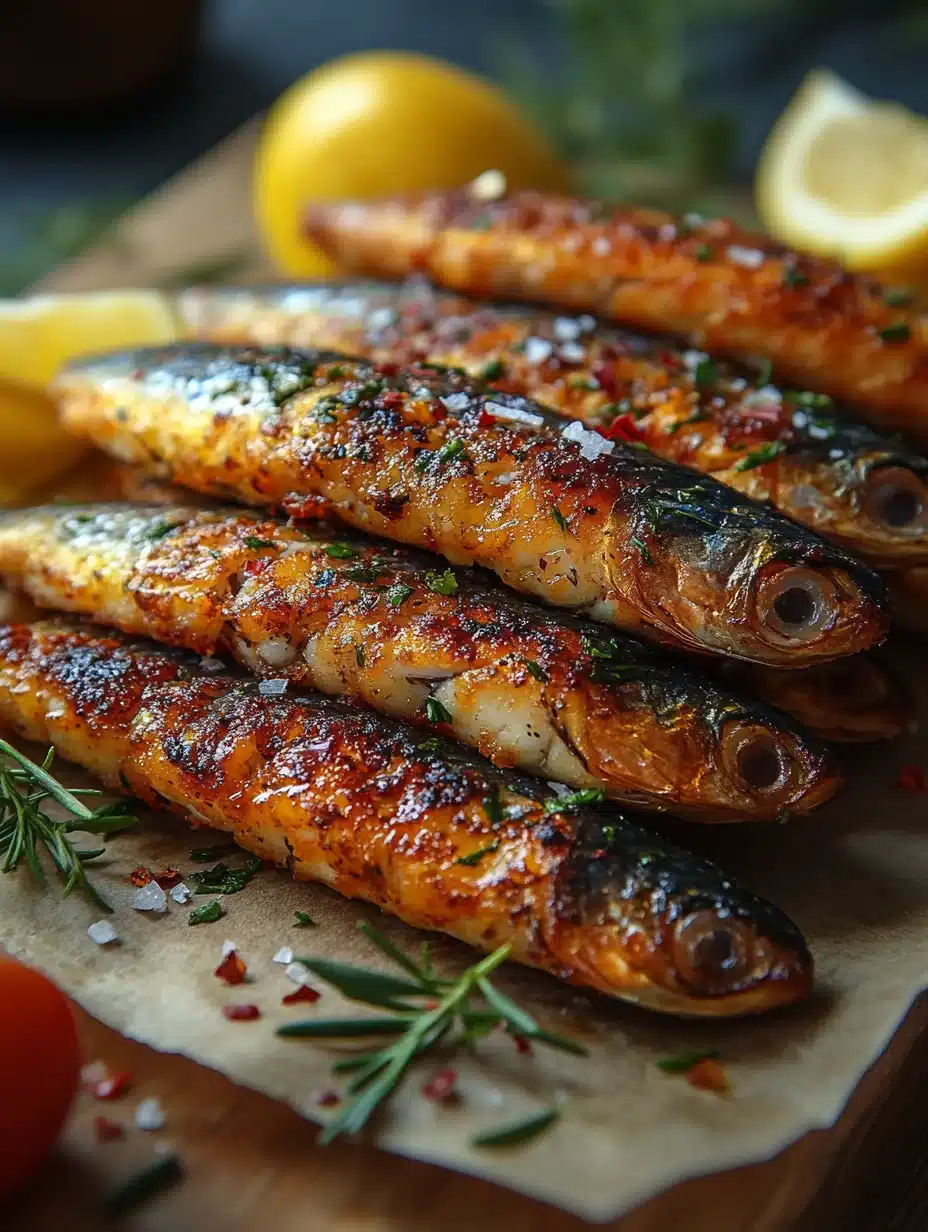
Key Takeaways
- Spanish fried sardines (boquerones fritos) are one of Spain’s most iconic tapas — fresh sardines coated in seasoned flour and fried until shatteringly crispy in hot olive oil.
- The entire recipe takes under 20 minutes from prep to plate, making it one of the fastest and most impressive seafood dishes you can serve.
- The secret to perfectly crispy sardines is dry fish + hot oil — patting the sardines completely dry and using oil at 375°F prevents sogginess and guarantees a golden crust.
- Fresh sardines are among the most nutritious fish on the planet, packed with omega-3 fatty acids, calcium, vitamin D, and protein at a fraction of the cost of salmon.
- Serve with a squeeze of fresh lemon, sea salt, and crusty bread for the authentic Andalusian experience — or go bold with a shakshuka for a Mediterranean feast.
- This recipe works beautifully with fresh anchovies, smelts, or whitebait as substitutes when sardines are unavailable.
Why Spanish Fried Sardines Are the Ultimate Tapas Dish
Walk into any beachside chiringuito on the Costa del Sol and you will find Spanish fried sardines on every table. These crispy, golden beauties are the soul of Spanish coastal cooking — impossibly simple, devastatingly delicious, and deeply satisfying in a way that complicated dishes rarely achieve. The Spanish call them boquerones fritos or sardinas fritas, and they have been a cornerstone of Andalusian cuisine for centuries.
What makes Spanish fried sardines extraordinary is the contrast between the shatteringly crispy flour coating and the moist, tender fish inside. Unlike heavy beer-battered fish, the Spanish approach uses nothing more than seasoned flour to create an ultra-thin, crunchy shell that lets the natural flavor of the sardine shine through. The result is lighter, more elegant, and infinitely more addictive than any fish-and-chips style preparation.
Sardines are also one of the most sustainable seafood choices you can make. They are abundant, reproduce quickly, and are low on the food chain, meaning they accumulate far fewer heavy metals and toxins than larger predatory fish like tuna or swordfish. According to NOAA, Pacific sardine populations are among the most responsibly managed fisheries in the world. Choosing sardines is both a delicious and environmentally conscious decision.
| Feature | Spanish Sardinas Fritas | British Fish & Chips | Japanese Tempura |
|---|---|---|---|
| Coating | Seasoned flour only | Beer batter | Light tempura batter |
| Oil | Olive oil | Vegetable oil | Sesame/vegetable blend |
| Cooking Time | 2-3 minutes | 8-10 minutes | 2-3 minutes |
| Texture | Thin, shatteringly crispy | Thick, puffy, soft | Lacy, delicate, light |
| Fish Used | Whole small fish | Large fillets (cod, haddock) | Shrimp, vegetables, fish slices |
| Calories per serving | ~280 | ~550 | ~320 |
| Prep Time | 5 minutes | 20 minutes | 15 minutes |
| Served With | Lemon + sea salt | Malt vinegar + mushy peas | Tentsuyu dipping sauce |
Essential Ingredients for Authentic Spanish Fried Sardines
The beauty of this recipe lies in its radical simplicity. You need only a handful of quality ingredients, and the technique does all the work. Fresh sardines are the star — look for fish with bright, clear eyes, firm flesh, and a clean ocean smell. Avoid sardines that smell fishy or have dull, sunken eyes, as these are past their prime. Most fishmongers will clean and butterfly them for you if you ask.
Fresh sardines should be 4 to 6 inches long for the ideal ratio of crispy coating to tender flesh. Larger sardines work but take longer to cook through, and very small ones (under 3 inches) can overcook in seconds. If fresh sardines are unavailable, fresh anchovies (boquerones) or smelts are excellent substitutes that cook identically.
Extra virgin olive oil is traditional and non-negotiable for authentic flavor. Spanish cooks fry in olive oil despite its lower smoke point because it adds a distinct fruity, peppery flavor that vegetable oils cannot replicate. Use a good quality but not premium EVOO — save your expensive finishing oils for drizzling. A lighter olive oil or olive oil blend works well for frying and is more economical for larger batches.
| Ingredient | Amount | Purpose | Substitution |
|---|---|---|---|
| Fresh sardines | 1 lb (about 12) | Star protein | Fresh anchovies, smelts, whitebait |
| All-purpose flour | 1 cup | Crispy coating | Chickpea flour (gluten-free) |
| Fine sea salt | 1 tsp | Seasoning | Kosher salt (use 1.5 tsp) |
| Smoked paprika | 1/2 tsp | Color + Spanish flavor | Sweet paprika |
| Black pepper | 1/4 tsp | Heat + aroma | White pepper |
| Garlic powder | 1/4 tsp | Savory depth | Onion powder |
| Olive oil | 2 cups (for frying) | Frying medium + flavor | Light olive oil blend |
| Lemons | 2, cut in wedges | Acidity + freshness | Lime wedges |
| Fresh parsley | 2 tbsp chopped | Garnish + color | Fresh cilantro |
| Flaky sea salt | For finishing | Texture + salt hit | Maldon salt |
How to Make Spanish Fried Sardines Step by Step
Step 1: Clean and Prepare the Sardines
If your sardines are not already cleaned, remove the scales by rubbing them gently under cold running water from tail to head. Cut off the heads, slit the belly, and remove the guts. For butterflied sardines, open the belly fully, press the fish flat, and pull out the backbone from tail to head — it should come away cleanly in one piece. Rinse thoroughly and pat completely dry with paper towels. Dryness is the single most important factor for achieving crispy fried sardines.
Step 2: Season the Flour
In a wide shallow bowl or plate, whisk together 1 cup all-purpose flour, 1 teaspoon fine sea salt, 1/2 teaspoon smoked paprika, 1/4 teaspoon black pepper, and 1/4 teaspoon garlic powder. The smoked paprika adds a subtle Spanish character and helps the coating develop a beautiful golden-amber color. Some Spanish cooks add a pinch of cayenne for gentle heat.
Step 3: Heat the Olive Oil
Pour 2 cups of olive oil into a deep skillet or heavy-bottomed pot. Heat over medium-high until the oil reaches 375°F — use a deep-fry thermometer for accuracy. If you do not have a thermometer, drop a pinch of flour into the oil; it should sizzle immediately and float to the surface. Oil that is too cool produces greasy, soggy fish; oil that is too hot burns the coating before the fish cooks through.
Step 4: Dredge the Sardines
Working with one sardine at a time, press both sides firmly into the seasoned flour, ensuring complete coverage including the tail and any crevices. Shake off excess flour vigorously — too much coating becomes gummy and thick instead of light and crispy. The ideal coating is a thin, even dusting. Line the dredged sardines on a plate without stacking to prevent the flour from getting damp.
Step 5: Fry Until Golden and Crispy
Carefully lower 3 to 4 sardines into the hot oil. Do not crowd the pan — overcrowding drops the oil temperature dramatically and results in steaming rather than frying. Fry for 2 to 3 minutes, turning once halfway through, until the sardines are deep golden brown and the coating is visibly crispy. The flesh should be opaque and flake easily. Transfer to a wire rack over a sheet pan, never to paper towels which trap steam and soften the crust.
Step 6: Season and Serve Immediately
Sprinkle the hot sardines immediately with flaky sea salt and a generous squeeze of fresh lemon juice. The salt adheres best to hot, slightly oily surfaces, and the lemon’s acidity cuts through the richness perfectly. Garnish with chopped fresh parsley and serve on a warm platter with extra lemon wedges. Spanish fried sardines must be eaten within minutes of cooking — they lose their magical crispness rapidly as they cool.
What Makes Authentic Boquerones Fritos Different from Regular Fried Fish?
The distinction between Spanish boquerones fritos and generic fried fish goes far beyond the species of fish used. In Spain, the frying technique is an art form refined over centuries of coastal cooking tradition. The flour-only coating is deliberate — it creates maximum surface crunch while being almost invisible, so the fish itself remains the star. There is no heavy batter masking the delicate sardine flavor.
The use of olive oil for frying is another crucial difference. Most cultures fry in neutral oils, but the Spanish insist on olive oil because it infuses each sardine with a warm, fruity undertone that complements the fish’s natural brininess. The slightly lower smoke point of olive oil actually works in favor of small fish that cook in under 3 minutes — the oil imparts flavor without burning because the cooking time is so brief.
True boquerones fritos are also about size and presentation. Spanish cooks prefer small, whole sardines served head-on with tails intact. Eating them with your fingers, picking up the whole fish by the tail and biting off pieces, is part of the cultural experience. This communal, informal eating style is central to tapas culture and transforms a simple fried fish into a social event. Pair them with a refreshing strawberry spinach salad for color contrast and nutritional balance.
| Oil Temp | Result | Cooking Time | Best For |
|---|---|---|---|
| 325°F (too low) | Greasy, soggy, oil-soaked | 5-6 min | Not recommended |
| 350°F (low) | Crispy but slightly oily | 3-4 min | Larger sardines (6+ inches) |
| 375°F (ideal) | Perfectly crispy, golden, light | 2-3 min | Standard sardines (4-6 inches) |
| 400°F (high) | Very crispy but risk of burning | 1.5-2 min | Tiny whitebait/smelts only |
| 425°F+ (too high) | Burnt outside, raw inside | Under 1 min | Not recommended |
Health Benefits of Eating Sardines Regularly
Sardines are one of the most nutrient-dense foods on the planet, and nutritional science consistently ranks them among the top superfoods. A single 3.5-ounce serving of sardines provides over 60% of your daily protein needs, 100% of your vitamin B12, and more than 30% of your calcium — all for roughly 200 calories. When you eat whole small sardines including the soft bones, you get a calcium boost that rivals drinking a glass of milk.
The omega-3 fatty acid content of sardines is exceptional. EPA and DHA omega-3s reduce inflammation, support brain function, and lower the risk of heart disease. According to the American Heart Association, eating fatty fish like sardines at least twice per week significantly reduces cardiovascular mortality. Sardines provide these benefits without the mercury concerns associated with larger fish — their position at the bottom of the food chain means they accumulate minimal contaminants.
Sardines are also one of very few food sources of vitamin D, a nutrient that most people are deficient in. A single serving provides roughly 40% of the daily recommended intake. Combined with their high selenium content (a powerful antioxidant), sardines support immune function, thyroid health, and bone density. For anyone building a healthy dinner routine, adding sardines once or twice a week is one of the smartest nutritional moves you can make.
| Nutrient | Amount | % Daily Value | Benefits |
|---|---|---|---|
| Calories | 208 | ~10% | Moderate energy density |
| Protein | 24.6g | 49% | Muscle repair, satiety |
| Omega-3 (EPA+DHA) | 1,480mg | N/A | Heart, brain, anti-inflammatory |
| Calcium | 382mg | 29% | Bone strength (from edible bones) |
| Vitamin D | 272 IU | 34% | Immune function, mood |
| Vitamin B12 | 8.9mcg | 371% | Energy, nerve function |
| Selenium | 52.7mcg | 96% | Antioxidant, thyroid |
| Iron | 2.9mg | 16% | Oxygen transport |
| Phosphorus | 490mg | 39% | Bone + teeth health |
How to Select and Store Fresh Sardines
Buying the freshest sardines possible is the single most important step in making great boquerones fritos. Fresh sardines have a remarkably short shelf life — they begin to deteriorate within hours of being caught if not properly iced. At the fish counter, look for sardines with bright, clear, bulging eyes (never cloudy or sunken), shiny metallic skin that reflects light, and firm flesh that springs back when gently pressed. The gills should be bright red, not brown or gray.
The smell test is the most reliable indicator of freshness. Fresh sardines should smell like clean ocean water — briny, mineral, and slightly sweet. Any hint of ammonia, sourness, or strong “fishiness” means the sardines are past their prime. Do not buy sardines that have been sitting in liquid or have slimy surfaces. A trusted fishmonger who handles sardines properly is worth their weight in gold.
Store fresh sardines on ice in the coldest part of your refrigerator and cook them the same day you buy them. If you must wait, place them in a single layer on a bed of crushed ice in a perforated container set over a bowl to catch melt water, and use within 24 hours. For longer storage, sardines freeze well — lay them in a single layer on a sheet pan, freeze until solid, then vacuum-seal or wrap tightly. Frozen sardines maintain excellent quality for up to 3 months. You can pair a sardine dinner with crispy garlic bread for soaking up the olive oil.
Best Accompaniments and Serving Suggestions
In Spain, fried sardines are typically served as part of a tapas spread alongside other small dishes. The classic accompaniments are beautifully simple: thick slices of rustic bread for soaking up the flavored olive oil, a bowl of marcona almonds, marinated olives, and a crisp glass of fino sherry or cold beer. This combination of textures and flavors defines the Andalusian dining experience at its finest.
For a more substantial meal, build a Mediterranean platter around the sardines. Add a sheet pan of shrimp fajitas for variety, a simple tomato and onion salad dressed with olive oil and sherry vinegar, and patatas bravas (crispy fried potatoes with spicy tomato sauce). This combination provides protein from two sources, plenty of vegetables, and an array of textures from crispy to creamy.
Fried sardines also work brilliantly as a protein component in composed salads, stuffed into warm pita bread with tahini sauce, or piled onto crostini with a smear of roasted red pepper spread. For a fusion approach, serve them Vietnamese-style with rice paper, fresh herbs, pickled vegetables, and nuoc cham dipping sauce. The versatile, robust flavor of fried sardines adapts to nearly any cuisine. Try them alongside garlic butter pasta for surf-and-turf Mediterranean style.
Can You Make Fried Sardines with Canned Sardines?
While canned sardines are a pantry staple worth celebrating on their own merits, they are not suitable for this Spanish fried preparation. Canned sardines have already been cooked during the canning process, and their soft, oil-packed texture falls apart when dredged in flour and fried. The result is mushy, overcooked fish with a coating that slides off — nothing like the crispy perfection of freshly fried sardines.
However, canned sardines can be used in other delicious preparations. Mash them with cream cheese, lemon juice, and capers for an outstanding sardine dip. Toss them into pasta with garlic, chili flakes, and cherry tomatoes for a 15-minute dinner. Lay them on toast with sliced avocado and pickled onions for sardine toast that rivals any avocado toast. These preparations celebrate the soft, rich texture of canned sardines rather than fighting against it.
If fresh sardines are genuinely unavailable, fresh anchovies are the closest substitute for this recipe. They are the same family of small, oily fish and cook identically. Small smelts, young herring, or whitebait (tiny juvenile fish) also work excellently. The key is using fresh, raw, small fish — the flour coating and quick-fry technique are designed specifically for delicate, thin-fleshed fish that cook in minutes. Larger fish like mackerel need different techniques entirely, more like this copycat salmon recipe.
Common Mistakes When Frying Sardines and How to Fix Them
Why Are My Fried Sardines Soggy Instead of Crispy?
Soggy sardines are almost always caused by one of three things: insufficient drying before dredging, oil temperature too low, or overcrowding the pan. Pat each sardine bone-dry with paper towels — the surface should feel completely dry to the touch. Verify your oil is at 375°F with a thermometer. And never fry more than 3-4 sardines at once in a standard skillet. Each of these factors independently causes sogginess, and together they guarantee it.
How Do You Prevent the Coating from Falling Off?
The flour coating detaches when sardines are wet or when the oil is not hot enough to create an immediate seal. After dredging, shake off all excess flour — a thin, even coating adheres far better than a thick, clumpy one. Let the dredged sardines rest on a wire rack for 2 minutes before frying. This brief rest period allows the flour to hydrate slightly and form a paste that bonds to the fish surface. Also avoid moving the sardines during the first minute of frying.
What If My Sardines Taste Too Fishy?
An overly fishy taste means the sardines were not fresh enough. For future reference, buy only same-day caught or properly iced sardines. If you already have sardines with a stronger flavor, soak them in ice-cold milk for 30 minutes before cooking. The casein proteins in milk bind to the trimethylamine compounds responsible for fishy odors and pull them away from the flesh. Rinse thoroughly and pat dry after soaking. A generous squeeze of lemon at serving also helps mask any residual fishiness.
How Do You Dispose of Frying Oil After Cooking Sardines?
Never pour used frying oil down the drain — it solidifies and causes plumbing blockages. Let the oil cool completely, then strain through a fine-mesh sieve or cheesecloth to remove food particles. Oil used for frying fish should not be reused for other purposes as it retains fish flavors. Pour the cooled, strained oil into a sealed container and dispose in your regular trash, or check if your local recycling center accepts used cooking oil for biofuel conversion.
Spanish Fried Sardines for Special Occasions
Fried sardines make a spectacular appetizer for dinner parties because they look impressive yet require almost no preparation. Set up a frying station just before guests arrive and fry small batches to order — sardines take only 2-3 minutes and are best eaten immediately. The sizzling sounds and incredible aroma create an interactive cooking experience that guests love.
For a tapas party theme, serve fried sardines alongside 4-5 other small plates: marinated olives, manchego cheese with quince paste, pan con tomate (tomato bread), and spicy beef cucumber salad for a cross-cultural twist. Set everything on a large wooden board and let guests help themselves. This informal, communal style of eating encourages conversation and turns dinner into an event.
During summer, fried sardines are perfect for outdoor gatherings. Spanish beach restaurants grill and fry sardines over open fires called espetos, but a portable butane burner or outdoor propane stove works perfectly for frying. The outdoor setting eliminates any concern about frying odors in the kitchen, and there is something fundamentally right about eating fresh fried fish outdoors with a cold drink in hand. Add lemon bars for a bright citrus dessert to close the meal.
| Detail | Info |
|---|---|
| Total Time | 20 minutes |
| Servings | 3-4 tapas or 2 mains |
| Difficulty | Easy |
| Key Ingredient | Fresh sardines (1 lb) |
| Frying Oil | Extra virgin olive oil, 375°F |
| Coating | Seasoned flour (paprika, garlic) |
| Fry Time | 2-3 minutes per batch |
| Best Served | Immediately with lemon + sea salt |
Frequently Asked Questions About Spanish Fried Sardines
How do you clean sardines for frying?
Remove scales under running water by rubbing from tail to head. Cut off the head, slit the belly, remove the guts. For butterfly style, press open and remove the backbone from tail to head. Rinse thoroughly and pat completely dry with paper towels — this step is critical for crispy results.
Do you eat the bones in fried sardines?
Yes, the small pin bones in sardines become soft and completely edible when fried. They are an excellent source of calcium. If you butterfly the sardines and remove the main backbone, the remaining small bones are barely noticeable and crunch pleasantly. Children and those sensitive to bones can eat butterflied sardines with confidence.
What oil is best for frying sardines?
Extra virgin olive oil is traditional and provides the best flavor for authentic Spanish fried sardines. Light olive oil or an olive oil blend is more economical for larger batches. Avocado oil works well at higher temperatures. Avoid canola or vegetable oil — they produce a noticeably different, less flavorful result that lacks the authentic Mediterranean character.
How long do you fry sardines?
Fry at 375°F for 2 to 3 minutes total, turning once halfway through. The sardines are done when they are deep golden brown and the coating is visibly crispy. Larger sardines may need an extra 30-60 seconds. Do not overcook — sardines dry out quickly and become tough and chewy if fried too long.
Can you fry sardines without flour?
Yes, but the texture will be different. Flourless fried sardines develop a crispy skin but lack the crunchy coating that makes the Spanish version special. If avoiding gluten, chickpea flour (gram flour) is an excellent substitute that creates an even crispier coating than wheat flour and adds a subtle nutty flavor popular in many Mediterranean cuisines.
What do Spanish fried sardines taste like?
They taste like the ocean in the best possible way — briny, mineral-rich, and slightly sweet with a clean fish flavor that is much milder than most people expect. The flour coating adds a savory crunch, the olive oil contributes a fruity warmth, and the lemon squeeze provides bright acidity. The overall effect is remarkably addictive and far more refined than the sardine’s humble reputation suggests.
Are fried sardines healthy?
Surprisingly yes. Despite being fried, sardines absorb very little oil due to their quick cooking time and the thin flour coating. A serving provides excellent protein, omega-3 fatty acids, calcium, vitamin D, and B12. At roughly 280 calories per serving with the coating, they are significantly lower in calories than most fried fish preparations and offer substantially more nutritional value.
Can you make fried sardines ahead of time?
Fried sardines are best eaten within 5 minutes of cooking. They cannot be successfully made ahead — the crispy coating softens rapidly as the fish cools and releases steam. For parties, fry in small batches to order. If you must hold them briefly, place on a wire rack in a 250°F oven for up to 10 minutes, but quality declines noticeably even in that short window.
How many sardines per person for a tapas portion?
For a tapas serving, plan 3 to 4 sardines per person. As a main course, serve 6 to 8 sardines per person with sides. One pound of whole sardines yields approximately 12 fish, enough for 3-4 tapas portions or 2 main course servings. Scale up generously for parties — sardines disappear fast once people start eating.
What drinks pair best with fried sardines?
Fino or manzanilla sherry is the classic Spanish pairing — the bone-dry, saline character mirrors the fish beautifully. A crisp Albariño or Verdejo white wine also pairs excellently. For beer lovers, a cold Spanish lager or a dry pilsner complements the crispy, salty sardines perfectly. Avoid tannic red wines or oaky whites, which clash with the delicate fish flavor.

Written by Chef Anna
I'm Anna - a Le Cordon Bleu-trained chef, recipe developer, and the voice behind Chef Johns Gourmet. After a decade in professional kitchens, I now spend my mornings testing recipes and my afternoons writing them down so you can make them perfectly in your own kitchen. Every one of the 1,100+ recipes on this site has been personally cooked, tasted, and refined. I write like I'm standing next to you, walking you through every step. Simple recipes. Bold flavors. Made for real kitchens.