
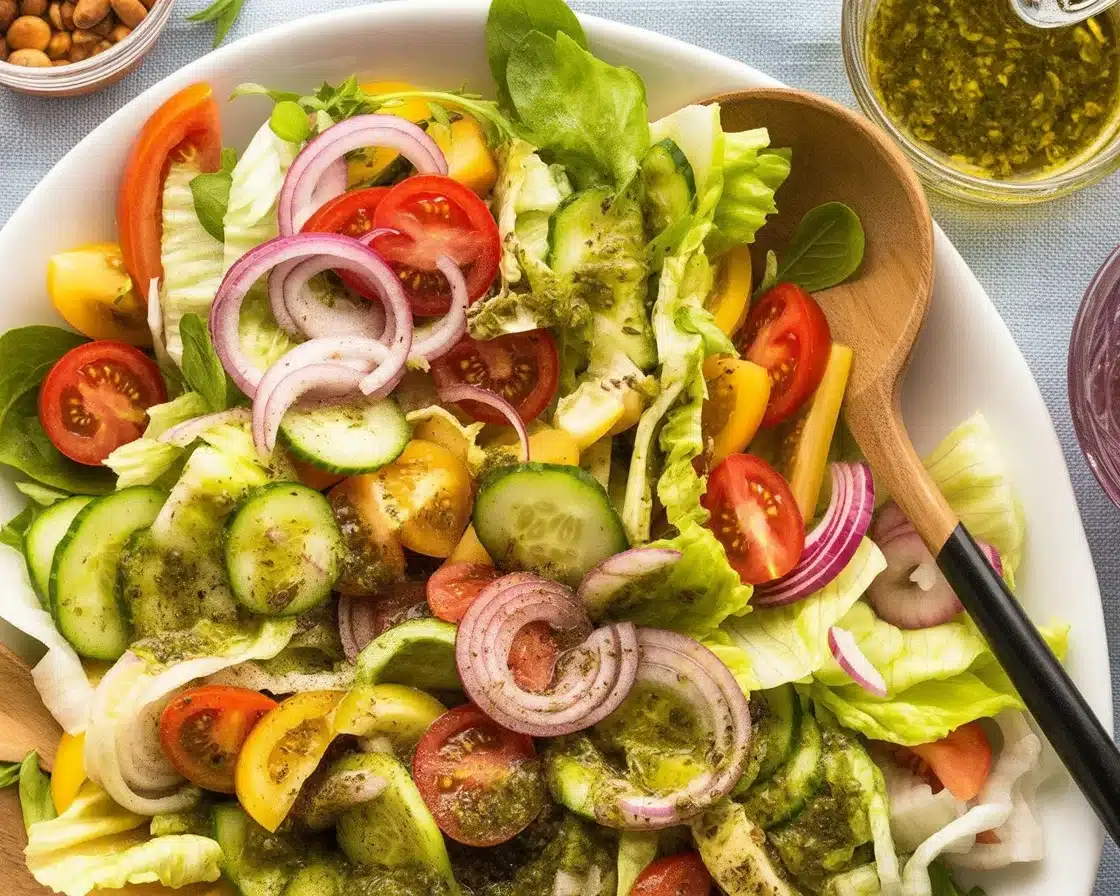
Summer Salad Recipes — 15 Fresh, Tasty Twists for Hot Days
When the temperature climbs above 80°F, the last thing you want is to spend an hour over a hot stove. That’s where summer salads come in — cool, refreshing, endlessly customizable, and often ready in under 20 minutes. From classic crock pot pot roast sides to creative grain bowls, summer salads can be light snacks or full, satisfying meals.
This guide covers 15 creative summer salad variations, complete with nutritional breakdowns, dressing pairings, seasonal ingredient charts, and expert prep tips that will transform your warm-weather cooking game.
Key Takeaways
- 15 creative variations: From Mediterranean grain bowls to tropical fruit salads — something for every palate
- Under 20 minutes: Most recipes need zero cooking and minimal prep time
- Meal prep friendly: Store dressing separately for up to 5 days of fresh meals
- Protein-packed options: Add grilled chicken, shrimp, or chickpeas for a complete dinner
- Seasonal ingredient guide: Charts showing peak freshness for every summer produce item
Summer Salad Nutrition Facts per Serving
| Nutrient | Amount | % Daily Value |
|---|---|---|
| Calories | 285 kcal | 14% |
| Protein | 12g | 24% |
| Carbohydrates | 28g | 9% |
| Fiber | 6g | 24% |
| Fat | 15g | 19% |
| Vitamin C | 45mg | 50% |
| Iron | 2.5mg | 14% |
What Makes a Great Summer Salad?
A truly outstanding summer salad balances four key elements: crisp freshness, satisfying texture contrast, bright acidity, and seasonal produce at peak ripeness. Unlike winter salads that rely on hearty grains and roasted vegetables, summer versions celebrate raw ingredients — juicy tomatoes, snappy cucumbers, sweet stone fruits, and fragrant herbs straight from the garden. The dressing should complement, not overpower, letting each ingredient shine. If you enjoy bold flavors, try pairing your salad with our smoked chicken drumsticks for a complete summer meal.
What Are the Best Greens for Summer Salads?
Not all greens perform equally in the heat. Romaine and little gem lettuce hold up beautifully — their sturdy leaves stay crisp even when dressed ahead of time. Arugula adds a peppery bite that pairs wonderfully with stone fruits and goat cheese. For grain-based salads, skip the greens entirely and let farro, quinoa, or chocolate banana cake take center stage. Avoid delicate greens like mâche or butter lettuce for outdoor events — they wilt within minutes in direct sunlight.
How Do You Keep Summer Salad Crispy All Day?
The golden rule: always dress at the last possible moment. For picnics and potlucks, transport dressing in a separate mason jar. Layer heartier ingredients (grains, beans, roasted vegetables) at the bottom of your container and delicate greens on top. Ice packs underneath the bowl work wonders at outdoor BBQs. For make-ahead meals, massaged kale and cabbage-based slaws actually improve with time — the acid softens the tough fibers while maintaining crunch.
15 Popular Types of Summer Salads
| Salad Type | Key Ingredients | Prep Time | Best For |
|---|---|---|---|
| Classic Caesar | Romaine, parmesan, croutons | 10 min | BBQ side dish |
| Greek Salad | Cucumber, tomato, feta, olives | 12 min | Light lunch |
| Watermelon Feta | Watermelon, feta, mint, lime | 8 min | Pool party |
| Caprese | Mozzarella, tomato, basil | 5 min | Appetizer |
| Southwest Black Bean | Black beans, corn, avocado | 15 min | Meal prep |
| Asian Sesame Slaw | Cabbage, carrots, edamame | 12 min | Potluck |
| Mediterranean Quinoa | Quinoa, chickpeas, cucumber | 20 min | Work lunch |
| Strawberry Spinach | Spinach, strawberries, pecans | 8 min | Brunch |
| Thai Mango | Mango, cabbage, peanuts, lime | 15 min | Dinner party |
| Cobb Salad | Chicken, bacon, egg, avocado | 18 min | Full dinner |
| Peach Burrata | Peaches, burrata, prosciutto | 7 min | Date night |
| Corn & Avocado | Grilled corn, avocado, cilantro | 15 min | Taco Tuesday |
| Fattoush | Pita chips, cucumber, sumac | 12 min | Middle Eastern night |
| Niçoise | Tuna, green beans, olives, egg | 20 min | French bistro |
| Berry Walnut | Mixed berries, walnuts, goat cheese | 8 min | Summer dessert |
Each of these salad styles brings something unique to the table. The key is matching the right salad to the right occasion — a hearty Cobb works as a standalone dinner, while a simple Caprese shines as an elegant appetizer alongside homemade pizza sauce.
Easy Mediterranean Summer Salad Recipe Step-by-Step
Step 1: Prep the Base (5 Minutes)
Cook 1 cup of quinoa according to package directions and spread on a sheet pan to cool quickly. While waiting, dice 2 Persian cucumbers, halve 1 cup cherry tomatoes, and thinly slice half a red onion. Drain and rinse one can of chickpeas. The key to a great grain salad is ensuring the quinoa is completely cooled before combining — warm grains will wilt your herbs and make everything soggy.
Step 2: Build the Flavor Layers (3 Minutes)
Crumble 4 oz of feta cheese over the cooled quinoa. Add 1/3 cup Kalamata olives (halved), 2 tablespoons capers, and a generous handful of chopped fresh parsley and mint. The combination of salty feta, briny olives, and fresh herbs creates the classic Mediterranean flavor profile that makes this salad irresistible. For extra protein, add leftover Texas Roadhouse rolls.
Step 3: Make the Lemon Herb Dressing (2 Minutes)
Whisk together 3 tablespoons extra virgin olive oil, juice of 1 large lemon, 1 minced garlic clove, 1 teaspoon dried oregano, and salt and pepper to taste. For a creamier version, add 2 tablespoons tahini — it transforms a simple vinaigrette into a rich, nutty dressing that clings to every grain.
Step 4: Toss and Season (1 Minute)
Pour the dressing over the salad and toss gently with two forks (not a spoon, which crushes the chickpeas). Taste and adjust — usually needs another pinch of salt and squeeze of lemon. Let it sit for 10 minutes if possible; the flavors meld beautifully as the quinoa absorbs the dressing.
Step 5: Serve or Store
Serve immediately topped with a drizzle of olive oil and extra crumbled feta, or store in airtight containers for up to 4 days. This salad actually tastes better the next day as the flavors develop overnight in the fridge.
Seasonal Produce Calendar for Summer Salads
| Month | Peak Produce | Best Salad Pairing |
|---|---|---|
| June | Strawberries, snap peas, radishes | Strawberry Spinach Salad |
| July | Tomatoes, corn, peaches, blueberries | Peach Burrata or Caprese |
| August | Watermelon, figs, peppers, zucchini | Watermelon Feta or Fattoush |
| September | Apples, pears, grapes, butternut squash | Harvest Apple Walnut |
Shopping for produce at its peak isn’t just about flavor — it’s significantly cheaper too. In-season tomatoes cost roughly 60% less than their January counterparts and deliver vastly superior taste.
Creative Salad Dressing Recipes
| Dressing | Ingredients | Best Paired With | Prep Time |
|---|---|---|---|
| Classic Balsamic Vinaigrette | Balsamic vinegar, olive oil, Dijon, honey | Caprese, Berry Walnut | 2 min |
| Lemon Tahini | Tahini, lemon, garlic, water | Mediterranean Quinoa, Fattoush | 3 min |
| Cilantro Lime | Cilantro, lime, jalapeño, olive oil | Southwest Black Bean, Corn Avocado | 3 min |
| Ginger Sesame | Soy sauce, sesame oil, rice vinegar, ginger | Asian Slaw, Thai Mango | 3 min |
| Creamy Avocado Ranch | Avocado, buttermilk, dill, garlic | Cobb, Southwest | 5 min |
| Greek Yogurt Caesar | Greek yogurt, anchovy paste, parmesan, lemon | Classic Caesar | 4 min |
Homemade dressings take 2-5 minutes and taste dramatically better than bottled versions. Make a double batch on Sunday and you’re set for the week. For more condiment ideas, check our baked halibut.
How to Meal Prep Summer Salads for the Week?
Meal prepping salads requires a slightly different strategy than other meal prep. The secret is the mason jar layering method: dressing goes on the bottom, followed by hearty ingredients (grains, beans, roasted vegetables), then softer items (cheese, avocado), and greens on top. Invert to serve. This keeps everything fresh for 4-5 days. Grain-based and cabbage slaw salads are the best candidates for extended meal prep since they don’t wilt.
Which Summer Salads Last Longest in the Fridge?
Grain-based salads (quinoa, farro, pasta salad) last 4-5 days. Cabbage slaws improve over 2-3 days as the dressing tenderizes the fibers. Leafy green salads should be consumed within 1-2 days. Avoid preppping salads with avocado more than 1 day ahead — a squeeze of lime helps but won’t prevent browning entirely.
Can You Add Protein to Make Summer Salad a Full Meal?
Absolutely — and you should! A salad without protein is a side dish, not a meal. The best protein additions for summer salads include:
- Grilled chicken breast (25g protein per 4oz) — season with lemon pepper, slice thin
- Pan-seared shrimp (20g protein per 4oz) — cook just 2 minutes per side, pairs perfectly with our aussie prawn salad
- Chickpeas (15g protein per cup) — rinse canned, or roast with spices for crunch
- Grilled salmon (23g protein per 4oz) — flake over the top while still warm
- Hard-boiled eggs (6g per egg) — classic Niçoise and Cobb addition
- Marinated tofu (10g per 4oz) — press, cube, bake at 400°F for crispy exterior
What Are Common Mistakes When Making Summer Salads?
| Mistake | Why It’s a Problem | The Fix |
|---|---|---|
| Dressing too early | Greens wilt and get soggy | Dress at the last moment or pack separately |
| Not seasoning enough | Bland, lifeless flavors | Season with salt, acid (lemon/vinegar), and herbs |
| Uniform texture | Boring mouthfeel | Mix crunchy (nuts, croutons) with creamy (avocado, cheese) |
| Wet greens | Dressing slides off, pools at bottom | Spin dry thoroughly in a salad spinner |
| Too many ingredients | Muddled flavors, visual chaos | Stick to 5-7 components maximum |
| Forgetting acid | Heavy, flat taste | Always add citrus juice or vinegar for brightness |
How to Store and Transport Summer Salads Safely?
Food safety during summer is critical. Keep salads below 40°F at all times — bacteria multiply rapidly between 40-140°F (the “danger zone”). For outdoor events, place your salad bowl inside a larger bowl filled with ice. Never leave salad out for more than 2 hours (1 hour if above 90°F). Transport in insulated cooler bags with ice packs on top of the containers. For dressings containing dairy or mayonnaise, be especially vigilant about temperature control.
Should You Wash Pre-Washed Salad Greens Again?
The FDA says pre-washed, bagged greens are safe to eat without additional washing. However, if the package doesn’t say “pre-washed” or “ready to eat,” definitely wash them. For loose greens from a farmers market, fill a large bowl with cold water, submerge the greens, swish gently, and lift out — the dirt sinks to the bottom. Repeat 2-3 times until the water runs clear. Always dry thoroughly in a salad spinner to prevent diluting your dressing. Try adding freshly washed greens to a bowl alongside beef tallow fries.
Best Nuts and Seeds for Summer Salad Crunch
Toasted nuts and seeds add essential texture contrast. Toast them in a dry skillet over medium heat for 3-4 minutes, shaking frequently, until fragrant and golden. Slivered almonds are the most versatile, complementing both fruit and savory salads. Pepitas (pumpkin seeds) add beautiful green color and mild flavor. Candied pecans bring sweetness to berry and goat cheese combinations. Sesame seeds are essential for Asian-inspired slaws. Store toasted nuts in an airtight container for up to 2 weeks.
Unique Salad Ingredients Most People Overlook
Beyond the standard lettuce-tomato-cucumber formula, some of the most exciting summer salad ingredients are ones most home cooks overlook entirely. Grilled stone fruits (peaches, nectarines, plums) develop caramelized sweetness that complements salty cheeses beautifully — just halve them, brush with olive oil, and grill for 2 minutes per side. Pickled vegetables add acidity that brightens every bite, and quick-pickled red onions take just 10 minutes to prepare.
Fresh herbs used as greens rather than garnishes — a big handful of basil, mint, or cilantro mixed into your greens creates layers of flavor that dried herbs simply cannot match. Shaved vegetables using a peeler (zucchini ribbons, carrot curls, asparagus shavings) add elegant visual appeal and interesting textures without any cooking. Toasted grains like farro, freekeh, or wheat berries bring satisfying chew and nutty flavor that keeps salads from feeling “too light” for dinner. Try combining these with homemade dressings for truly restaurant-worthy results that will impress every guest at your summer gathering.
Summer Salad Plating and Presentation Guide
The difference between a “sad desk salad” and an Instagram-worthy masterpiece comes down to plating technique. Use a wide, shallow bowl rather than a deep one — it showcases ingredients and prevents everything from sinking into a pile at the bottom. Place your base greens or grains first, then arrange toppings in distinct clusters rather than mixing everything together. This “composed” style lets diners see and appreciate each component individually.
Color contrast is essential — aim for at least 3-4 different colors in every bowl. Green (greens, herbs, avocado), red (tomatoes, radishes, peppers), white (cheese, onion, cauliflower), and something bright like yellow corn or orange carrots create visual excitement that genuinely makes the food taste better. Garnish last: a final sprinkle of flaky salt, fresh herb leaves, a drizzle of high-quality olive oil, or a squeeze of lemon adds that professional finishing touch. Edible flowers (nasturtiums, pansies, borage) are inexpensive at farmers markets and transform any salad into a celebration. For special occasions, serve individual portions in mason jars or coconut bowls for a trendy, portable presentation that your guests can take home.
How to Grow a Summer Salad Garden at Home
The ultimate summer salad hack? Growing your own ingredients. A 4×4 raised bed or even a few large containers on a balcony can produce an astonishing amount of salad ingredients from June through September. Start with cut-and-come-again lettuce mixes — harvest outer leaves and the plant keeps producing for weeks. Cherry tomatoes (Sun Gold variety is the sweetest), cucumbers (bush varieties for small spaces), and herbs (basil, cilantro, mint, dill) require minimal space and provide maximum salad impact. Planting in succession every 2-3 weeks ensures continuous harvest throughout the summer. The flavor difference between a garden tomato picked 5 minutes ago and a supermarket tomato shipped 2,000 miles is genuinely life-changing — once you taste it, there’s no going back. Even the smallest herb garden on a windowsill provides fresh garnishes that elevate any store-bought salad from ordinary to extraordinary.
Summer Salad Wine and Beverage Pairings
The right drink elevates a summer salad from “healthy lunch” to “dining experience.” Crisp white wines — Sauvignon Blanc, Pinot Grigio, or dry Rosé — complement leafy green and citrus-dressed salads beautifully. Their acidity mirrors the vinaigrette, creating harmonious flavor resonance. For grain bowls with bolder flavors (feta, olives, sun-dried tomatoes), an unoaked Chardonnay provides body without overwhelming the fresh ingredients. Non-alcoholic options work equally well: sparkling water with cucumber and mint, fresh-squeezed lemonade with basil, or iced green tea with a honey-ginger syrup. Cold brew coffee pairs surprisingly well with savory salads containing nuts and aged cheese — the coffee’s bitterness cuts through richness and cleanses the palate between bites. For outdoor gatherings, batch-make a large pitcher of sangria or agua fresca that complements your salad’s flavor profile — watermelon agua fresca with a Mexican-style corn salad or white wine sangria with a Mediterranean quinoa bowl creates a cohesive, thoughtful menu that impresses every guest.
Frequently Asked Questions About Summer Salads
What Is the Healthiest Summer Salad?
A Mediterranean quinoa salad with chickpeas, cucumbers, tomatoes, and lemon tahini dressing provides the best nutritional balance — high protein, fiber, healthy fats, and antioxidants. The combination of complete grain protein from quinoa and legume protein from chickpeas delivers all essential amino acids.
How Far Ahead Can You Make Summer Salad?
Grain-based and bean salads can be made 3-4 days ahead. Cabbage slaws improve over 24-48 hours. Leafy green salads should be assembled no more than 2 hours before serving. Always store dressing separately for maximum freshness.
What Goes Well With Summer Salad for Dinner?
Grilled proteins are the classic pairing — think mini pecan pies, lemon herb chicken, or garlic shrimp. Crusty bread or warm flatbread on the side turns any salad into a satisfying dinner. For a Mediterranean spread, add hummus, pita, and marinated olives.
Can You Freeze Summer Salad?
Fresh summer salads should never be frozen — the high water content in greens and vegetables turns to ice crystals that destroy texture completely. Dressings containing olive oil will separate and become grainy after freezing. The one exception: pesto-based dressings freeze beautifully in ice cube trays for up to 3 months.
Why Does My Salad Get Watery at the Bottom?
Tomatoes and cucumbers release water as they sit, especially when salted. Solutions: seed your cucumbers, use cherry tomatoes (halved rather than chopped), and sprinkle a pinch of salt on juicy vegetables 10 minutes before assembling — pat dry with a paper towel to remove excess moisture before adding to the salad.
What Is the Best Oil for Salad Dressing?
Extra virgin olive oil is the gold standard for most dressings — look for cold-pressed, first harvest varieties for the most robust flavor. For Asian-inspired dressings, toasted sesame oil mixed with a neutral oil (avocado or grapeseed) provides the signature nutty aroma without overwhelming bitterness. Walnut oil is excellent for berry and cheese salads.
How Many Calories Are in a Typical Summer Salad?
A vegetable-only salad with vinaigrette runs 150-250 calories. Adding protein (chicken, shrimp, salmon) bumps it to 350-500 calories — a proper meal range. The biggest calorie bombs are creamy dressings (ranch at 140 cal per 2 tbsp) and generous cheese portions. Control these and your salad stays light and healthy.
Is It Better to Tear or Cut Salad Greens?
Tearing is generally preferred — it breaks along the natural cell walls, causing less oxidation and browning. Cut edges from a knife turn brown faster because the blade damages more cells, releasing enzymes that cause discoloration. However, for presentation purposes, a sharp knife on romaine hearts creates beautiful, uniform pieces. The key is using a sharp, non-reactive blade and serving quickly.
What Are the Best Cheeses for Summer Salads?
Feta is the most versatile summer salad cheese — its salty tanginess complements both fruit and vegetables. Goat cheese (chèvre) is the go-to for berry and nut salads. Fresh mozzarella or burrata shine in Caprese-style arrangements. Shaved Parmesan adds umami to Caesar and grain salads. Avoid aged, hard cheeses that don’t crumble well over delicate greens.
How Do You Make a Salad More Filling Without Heavy Ingredients?
Add cooked grains (quinoa, farro, bulgur), legumes (chickpeas, lentils, white beans), or roasted sweet potatoes. These complex carbohydrates provide sustained energy and satiety without the heaviness of excessive cheese or creamy dressings. A tablespoon of hemp seeds or chia seeds adds protein and omega-3s with minimal calories.

Written by Chef Anna
I'm Anna - a Le Cordon Bleu-trained chef, recipe developer, and the voice behind Chef Johns Gourmet. After a decade in professional kitchens, I now spend my mornings testing recipes and my afternoons writing them down so you can make them perfectly in your own kitchen. Every one of the 1,100+ recipes on this site has been personally cooked, tasted, and refined. I write like I'm standing next to you, walking you through every step. Simple recipes. Bold flavors. Made for real kitchens.