
Teriyaki Salmon Noodles: Glazed Salmon over Silky Noodles in 25 Minutes
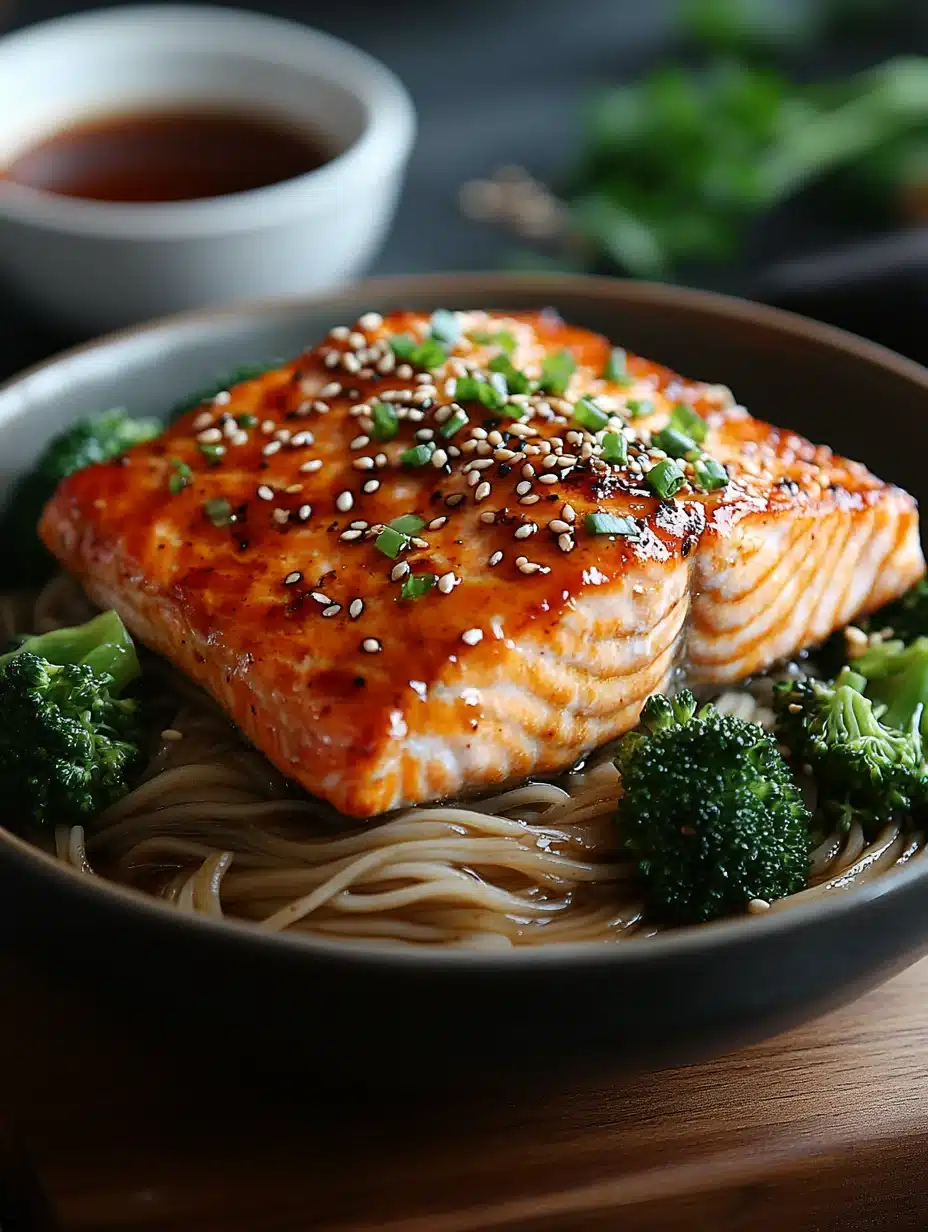
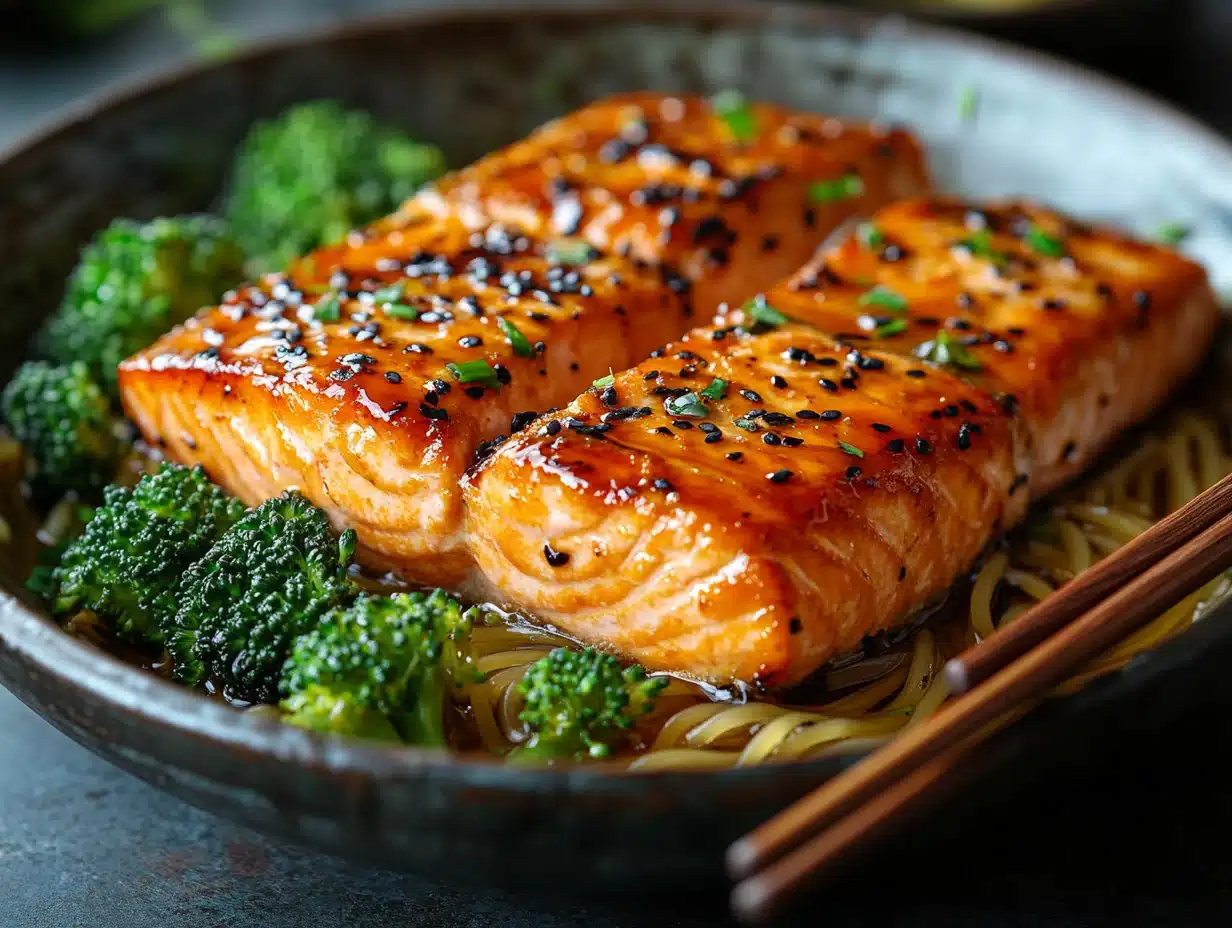
Teriyaki Salmon Noodles deliver sweet-savory glazed salmon over silky noodles with a sauce so good you’ll want to drink it straight from the pan. The salmon gets a crispy skin sear, then a homemade teriyaki glaze that caramelizes into a sticky coat — all tossed with noodles and crunchy vegetables in one pan. Twenty-five minutes, start to finish, and every component comes together while the salmon cooks.
The reason most teriyaki recipes taste flat is bottled sauce. Store-bought teriyaki is loaded with corn syrup and artificial flavors. This homemade version uses real soy sauce, mirin, honey, rice vinegar, and fresh ginger — it takes 2 minutes to whisk and tastes incomparably better. The salmon gets seared skin-side down first (crispy skin is non-negotiable), glazed in the teriyaki, and served over noodles that have soaked up every drop of extra sauce. This is the recipe that convinced me to stop ordering takeout salmon bowls.
Key Takeaways
- 25 minutes total: 10 min prep, 15 min cook — faster than delivery
- Homemade teriyaki: 5 ingredients, no corn syrup, ready in 2 minutes
- Crispy skin salmon: Sear skin-side down first — don’t move it
- One-pan finish: Noodles toss in the same pan with sauce
- 145°F internal temp: FDA safe for salmon, still silky inside
- Meal prep friendly: Stores 3 days, reheat noodles and salmon separately
Why This Teriyaki Salmon Beats Takeout Every Time
Restaurant teriyaki salmon costs $18-25 per serving and arrives lukewarm with soggy noodles. This recipe costs about $6 per serving, takes 25 minutes, and the salmon arrives at your table with crispy skin that shatters when you press a fork into it. The noodles are glossy, not gummy, because they finish cooking in the teriyaki sauce itself — absorbing flavor instead of just sitting under sauce.
The technique matters: sear the salmon without moving it (patience gives you crispy skin), then build the sauce in the same pan using the salmon fond. Those brown bits dissolve into the teriyaki and add an umami depth you cannot get from a bottle. Pair it with our teriyaki chicken for a full teriyaki dinner spread.
Teriyaki Salmon Noodles Nutrition Facts
| Nutrient | Per Serving | Per Batch (4) | % Daily Value |
|---|---|---|---|
| Calories | 485 kcal | 1,940 kcal | 24% |
| Protein | 34g | 136g | 68% |
| Total Fat | 16g | 64g | 21% |
| Saturated Fat | 3g | 12g | 15% |
| Carbohydrates | 52g | 208g | 17% |
| Sugar | 14g | 56g | — |
| Sodium | 780mg | 3,120mg | 34% |
| Omega-3 | 2.2g | 8.8g | — |
Essential Ingredients for Teriyaki Salmon Noodles
| Ingredient | Amount | Purpose | Substitution |
|---|---|---|---|
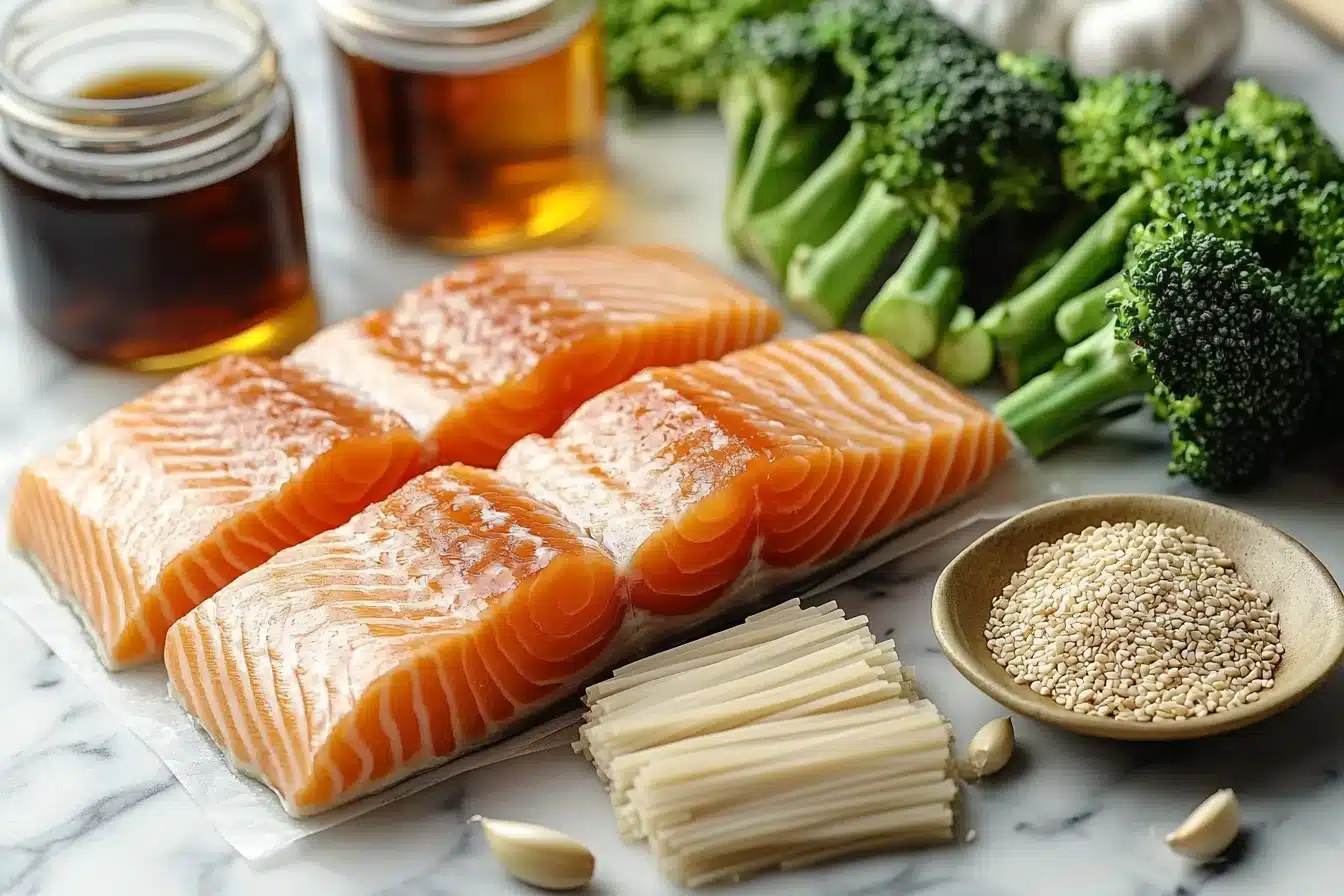
| Salmon fillets (skin-on) | 4 (6 oz each) | Main protein | Skinless works but loses crispy element |
| Soy sauce | ¼ cup | Salt, umami, color | Tamari for gluten-free |
| Mirin | 3 tbsp | Sweet depth, shine | 1 tbsp rice vinegar + 1 tbsp sugar |
| Honey | 2 tbsp | Sweetness, glaze | Brown sugar (slightly different finish) |
| Rice vinegar | 1 tbsp | Brightness, balance | Lime juice |
| Fresh ginger | 1 tbsp, grated | Warmth, aroma | ½ tsp ground ginger |
| Garlic | 3 cloves, minced | Aromatic base | 1 tsp garlic powder |
| Cornstarch | 1 tsp + 1 tbsp water | Thickens glaze | Arrowroot powder |
| Noodles (soba, udon, or ramen) | 12 oz | Base | Spaghetti or rice noodles |
| Sesame oil | 1 tsp | Nutty finish | Skip if unavailable |
| Broccoli florets | 2 cups | Vegetable component | Snap peas or bok choy |
| Green onions + sesame seeds | Garnish | Color, texture | — |
Step-by-Step: How to Make Teriyaki Salmon Noodles
Step 1: Make the Teriyaki Sauce (2 Minutes)
Whisk soy sauce, mirin, honey, rice vinegar, grated ginger, and minced garlic in a small bowl. In a separate tiny bowl, mix cornstarch with water to make a slurry — set both aside. This sauce comes together in 2 minutes and tastes infinitely better than anything from a bottle.
Step 2: Sear the Salmon (7 Minutes)
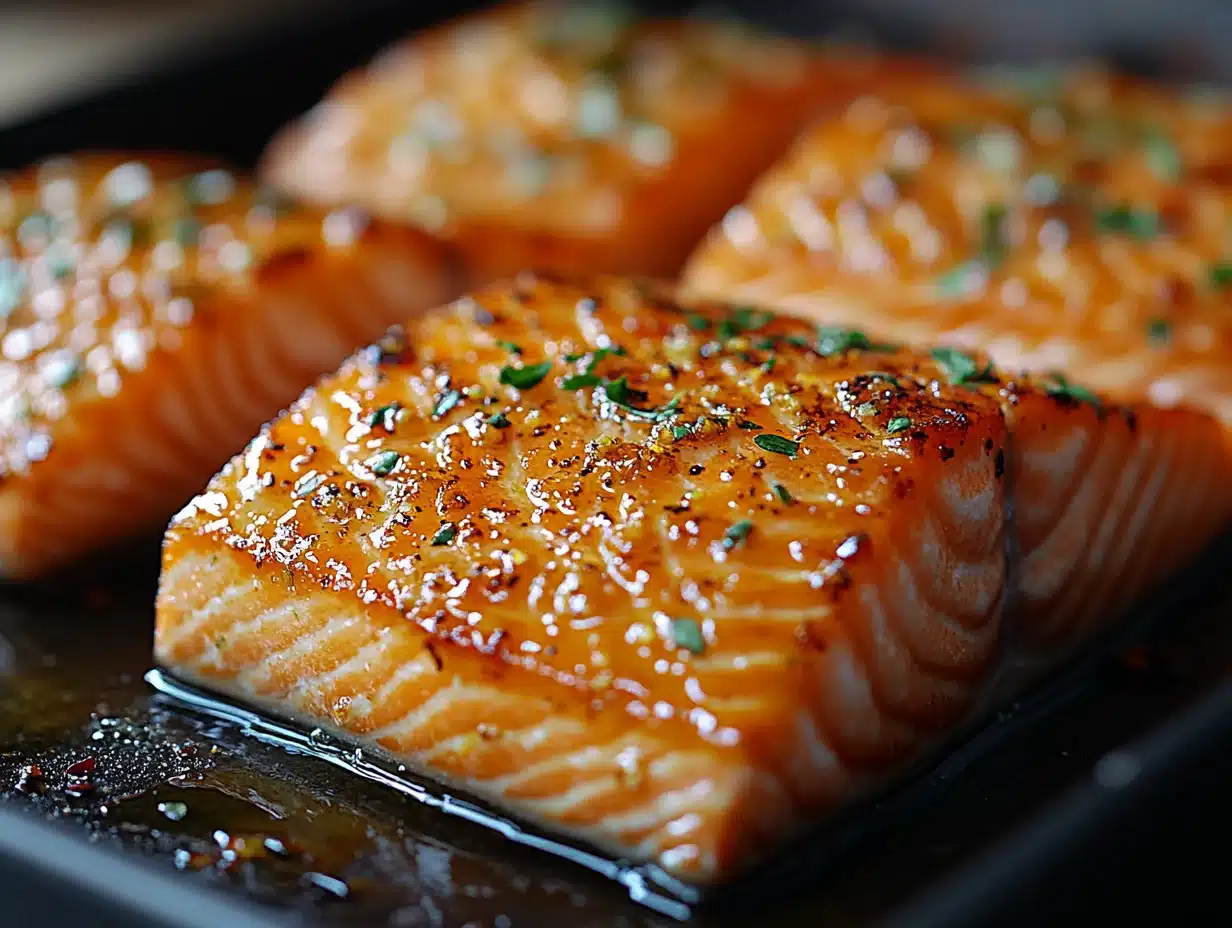
Pat salmon fillets completely dry with paper towels — this is the most important step for crispy skin. Wet skin steams instead of crisping. Heat a tablespoon of neutral oil in a large nonstick skillet over medium-high heat. Place salmon skin-side down and press gently with a spatula for the first 30 seconds to prevent curling. Cook 4 minutes without moving until skin is golden and crispy. Flip and cook 3 minutes more. Remove to a plate — it will finish cooking in the sauce.
Step 3: Cook Noodles and Vegetables (8 Minutes)
While salmon sears, cook noodles according to package directions. Add broccoli florets to the boiling water during the last 2 minutes of cooking. Drain, rinse briefly with cold water to stop cooking, and toss with sesame oil to prevent sticking. Set aside.
Step 4: Build the Glaze (3 Minutes)
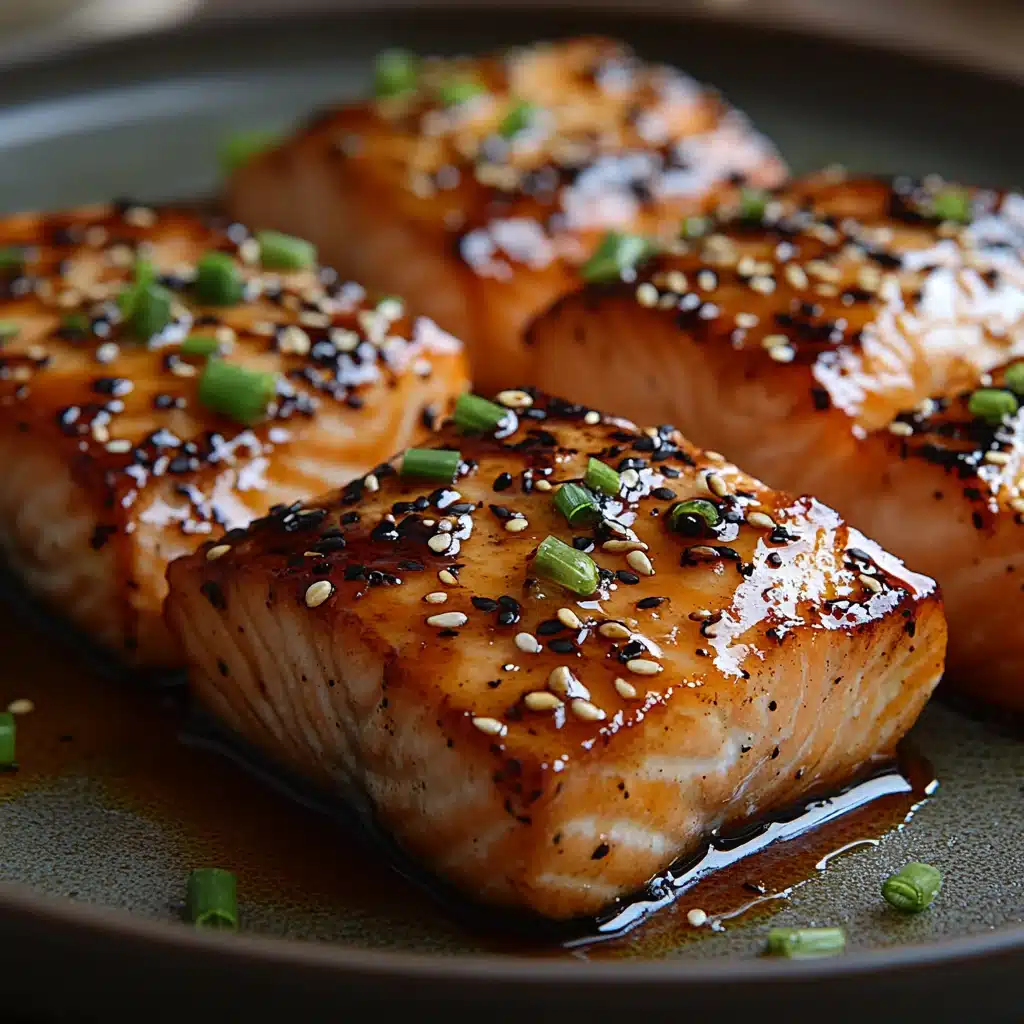
In the same salmon pan (don’t clean it — those brown bits are gold), pour in the teriyaki sauce mixture. Bring to a simmer over medium heat. Add the cornstarch slurry and stir constantly for 60 seconds until the sauce thickens into a glossy glaze that coats the back of a spoon. Return salmon to the pan and spoon glaze over each fillet until coated.
Step 5: Toss and Serve
Add the noodles and broccoli directly to the pan. Toss everything in the remaining glaze until evenly coated. Divide among 4 bowls, place a salmon fillet on top of each, and garnish with sliced green onions and sesame seeds. Serve immediately while the skin is still crispy.
Teriyaki Salmon: Pan vs. Oven vs. Air Fryer
| Method | Time | Result | Best For |
|---|---|---|---|
| Pan-Seared (This Recipe) | 7 min | Crispy skin, caramelized glaze | Best flavor and texture |
| Oven-Baked (425°F) | 12 min | Even cooking, less crispy | Larger batches, hands-off |
| Air Fryer (400°F) | 10 min | Crispy all over, less control | Quick weeknight, low-oil |
| Broiled | 8 min | Charred top, glaze caramelizes fast | Restaurant-style finish |
5 Teriyaki Salmon Noodle Variations
| Variation | Modification | Flavor Profile |
|---|---|---|
| Spicy Teriyaki | Add 1 tbsp sriracha + chili flakes | Sweet-spicy with kick |
| Citrus Teriyaki | Add orange zest + 2 tbsp OJ to sauce | Bright, tangy |
| Sesame Garlic | Extra garlic + 2 tbsp tahini in sauce | Nutty, creamy |
| Pineapple Teriyaki | Add 3 tbsp pineapple juice to sauce | Tropical, sweet |
| Miso Teriyaki | Add 1 tbsp white miso paste | Deep umami, fermented |
How to Store Teriyaki Salmon Noodles
| Method | Duration | Container | Reheating |
|---|---|---|---|
| Refrigerator | 3 days | Salmon and noodles in separate containers | Microwave noodles 2 min, salmon 1 min at 50% power |
| Freezer | 2 months | Freeze salmon separately, noodles in bag | Thaw overnight, reheat skillet |
| Extra sauce only | 2 weeks fridge | Glass jar | Warm in small saucepan |
Expert Tips for Perfect Teriyaki Salmon
Dry the Skin Completely
This is the single most important tip. Wet skin will never crisp — it steams and turns rubbery. Pat each fillet with paper towels on both sides, pressing firmly. Some chefs leave fillets uncovered in the fridge for 30 minutes before cooking to dry the skin even more. The crispier the skin, the better the dish.
Don’t Move the Salmon
When the fillet hits the hot pan, leave it alone for 4 full minutes. Moving it breaks the forming crust and tears the skin. Press gently with a spatula only during the first 30 seconds to flatten any curling. After that, hands off until you flip.
Sauce Thickness Controls Everything
The cornstarch slurry is your safety net. If the sauce seems thin after 60 seconds of simmering, add another teaspoon of cornstarch mixed with water. The sauce should coat the back of a spoon thickly — if it runs right off, it needs more time or more cornstarch. Too thin = watery noodles.
Teriyaki Salmon Noodles
- Total Time: 25 minutes
- Yield: 4 servings 1x
Description
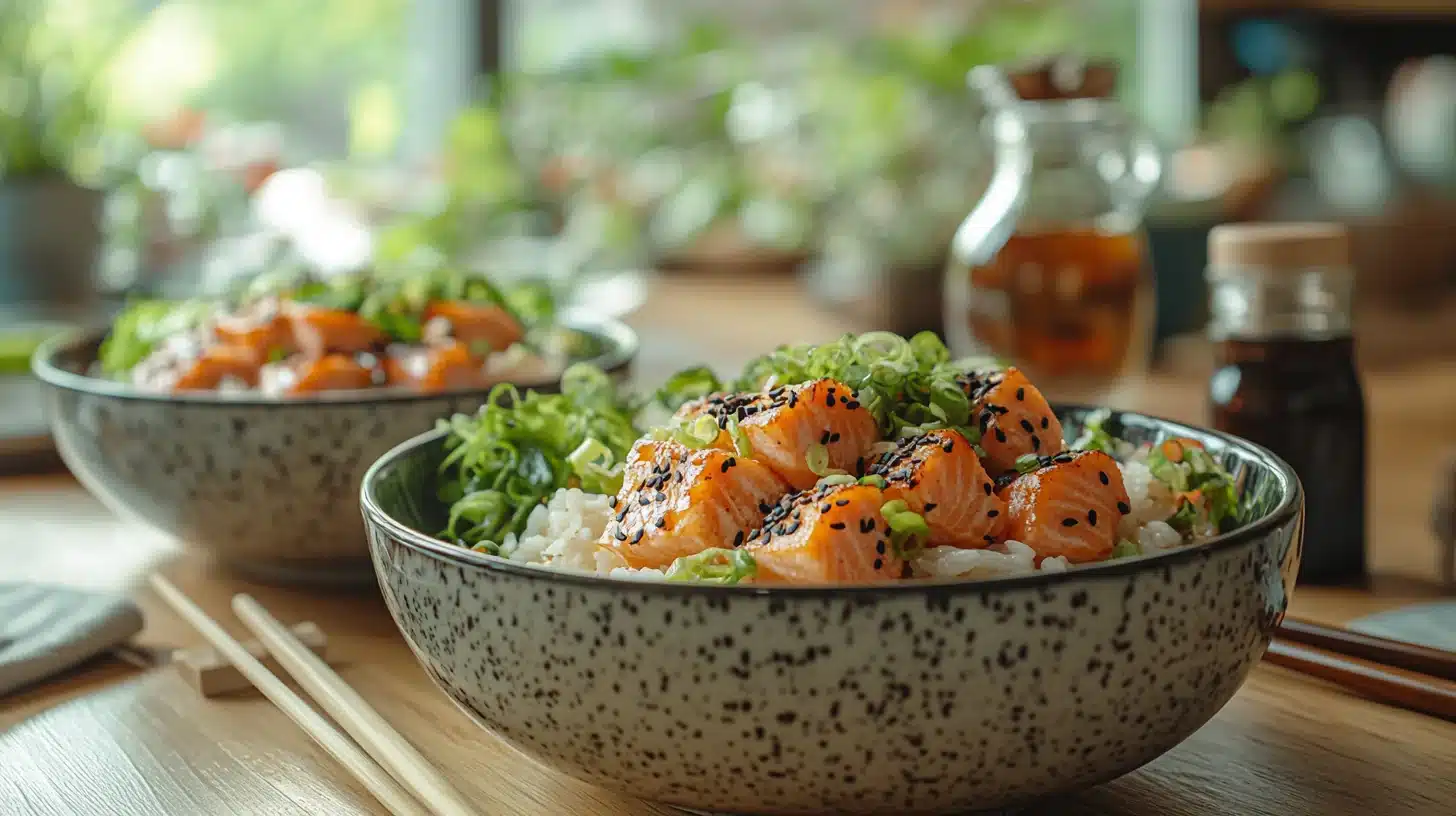
Glazed teriyaki salmon served over stir-fried noodles with crisp vegetables. A restaurant-quality dinner ready in 25 minutes.
Ingredients
- 4 (6 oz each) Salmon fillets (skin-on)
- ¼ cup Soy sauce
- 3 tbsp Mirin
- 2 tbsp Honey
- 1 tbsp Rice vinegar
- 1 tbsp, grated Fresh ginger
- 3 cloves, minced Garlic
- 1 tsp + 1 tbsp water Cornstarch
- 12 oz Noodles (soba, udon, or ramen)
- 1 tsp Sesame oil
- 2 cups Broccoli florets
- Garnish Green onions + sesame seeds
Instructions
- Make the Teriyaki Sauce (2 Minutes) — Whisk soy sauce, mirin, honey, rice vinegar, grated ginger, and minced garlic in a small bowl. In a separate tiny bowl, mix cornstarch with water to make a slurry — set both aside. This sauce comes together in 2 minutes and tastes infinitely better than anything from a bottle.
- Sear the Salmon (7 Minutes) — Pat salmon fillets completely dry with paper towels — this is the most important step for crispy skin. Wet skin steams instead of crisping. Heat a tablespoon of neutral oil in a large nonstick skillet over medium-high heat. Place salmon skin-side down and press gently with a spatula for the first 30 seconds to prevent curling. Cook 4 minutes without moving until skin is golden and crispy. Flip and cook 3 minutes more. Remove to a plate — it will finish cooking in the sauce.
- Cook Noodles and Vegetables (8 Minutes) — While salmon sears, cook noodles according to package directions. Add broccoli florets to the boiling water during the last 2 minutes of cooking. Drain, rinse briefly with cold water to stop cooking, and toss with sesame oil to prevent sticking. Set aside.
- Build the Glaze (3 Minutes) — In the same salmon pan (don’t clean it — those brown bits are gold), pour in the teriyaki sauce mixture. Bring to a simmer over medium heat. Add the cornstarch slurry and stir constantly for 60 seconds until the sauce thickens into a glossy glaze that coats the back of a spoon. Return salmon to the pan and spoon glaze over each fillet until coated.
- Toss and Serve — Add the noodles and broccoli directly to the pan. Toss everything in the remaining glaze until evenly coated. Divide among 4 bowls, place a salmon fillet on top of each, and garnish with sliced green onions and sesame seeds. Serve immediately while the skin is still crispy.
- Prep Time: 10 minutes
- Cook Time: 15 minutes
- Category: Main Course
- Method: Stovetop
- Cuisine: Japanese-Inspired
Nutrition
- Serving Size: 1 serving
- Calories: 485
- Sugar: 14g
- Sodium: 780mg
- Fat: 16g
- Saturated Fat: 3g
- Carbohydrates: 52g
- Protein: 34g
Frequently Asked Questions
Can I use frozen salmon for this recipe?
Yes, but thaw it completely first — overnight in the fridge is best. Never sear frozen salmon. The moisture from ice crystals prevents crispy skin and causes oil splatter. Pat thawed fillets extra dry before cooking.
What noodles work best for teriyaki salmon?
Soba noodles are my first choice — their buckwheat flavor pairs perfectly with teriyaki. Udon gives a chewier texture, ramen is more delicate. Even spaghetti works in a pinch — the sauce doesn’t know the difference.
Can I make this without mirin?
Yes — substitute with 1 tablespoon rice vinegar mixed with 1 tablespoon sugar. It approximates mirin’s sweet-tangy flavor. Dry sherry also works. Don’t skip the sweetness entirely or the sauce will taste flat and too salty.
How do I know when salmon is done?
Internal temperature of 145°F is FDA-recommended. For medium-rare (which many prefer), pull at 125°F — it’ll carry over to 130°F while resting. The flesh should flake easily with a fork but still be slightly translucent in the center.
Why did my teriyaki sauce burn?
Too much heat. Honey and mirin both contain sugars that caramelize quickly. Keep the sauce at a gentle simmer, never a rolling boil. If it starts smoking, pull the pan off heat immediately and add a splash of water to cool it down.
Can I use this teriyaki sauce on other proteins?
Absolutely — it works on chicken, shrimp, tofu, and steak. The sauce recipe makes enough for any protein. Try it on our honey garlic chicken for a teriyaki twist.
Recipe by Anna — Le Cordon Bleu-trained chef and recipe developer at Chef Johns Gourmet. This teriyaki salmon has been tested across dozens of batches to nail the glaze consistency and salmon doneness.

Written by Chef Anna
I'm Anna - a Le Cordon Bleu-trained chef, recipe developer, and the voice behind Chef Johns Gourmet. After a decade in professional kitchens, I now spend my mornings testing recipes and my afternoons writing them down so you can make them perfectly in your own kitchen. Every one of the 1,100+ recipes on this site has been personally cooked, tasted, and refined. I write like I'm standing next to you, walking you through every step. Simple recipes. Bold flavors. Made for real kitchens.