
Breakfast Rolls: Flaky Make-Ahead Morning Buns
The first bite is buttery and warm, with thin, flaky layers that melt on the tongue — this is why these breakfast rolls become a morning ritual. I developed this version during my time in pastry kitchens and refined it over eight full tests, switching flours and resting times until the texture was reliably tender. The method uses a short, cool rise and a simple folding technique that produces layers without laminated dough. If you want reliable, make-ahead rolls that reheat beautifully, start here and follow the timing. For another fun savory morning option, try the bacon-weave breakfast sandwich linked below as a complementary idea.
Why This Recipe Works
- A cool, short rise strengthens gluten without overworking the dough, creating tender chew and height.
- Butter folding (a simplified lamination) creates thin layers without the time of classic puff pastry.
- Slightly higher hydration keeps the crumb soft and prevents dryness after reheating.
- Resting the shaped rolls in the fridge overnight deepens flavor through slow fermentation.
- Baking at a steady 190°C (375°F) gives even browning while preserving a soft interior.
Ingredients Breakdown
- 500 g (4 cups) all-purpose flour — Provides structure. Use a high-protein flour (11–12% protein) for a slightly stronger dough. If you use a very low-protein flour, the rolls will be softer but may spread more.
- 10 g (2 tsp) fine sea salt — Balances flavor and strengthens gluten. If using Morton’s kosher salt, use 1½ tsp.
- 50 g (¼ cup + 2 tbsp) granulated sugar — Adds light browning and a hint of sweetness. Reduce to 30 g for less-sweet rolls.
- 7 g (2¼ tsp) instant yeast — Reliable rise without proofing. If using active dry yeast, proof it in 60 ml (¼ cup) warm water at 38°C (100°F) for 5–7 minutes.
- 240 ml (1 cup) whole milk, warmed to 32–38°C (90–100°F) — Hydrates and softens the crumb. Non-dairy milks work but flavor and browning change.
- 1 large egg (about 50 g) at room temperature — Enriches and binds. For an eggless version, see Variations.
- 60 g (4 tbsp) unsalted butter, softened — Adds richness to the dough.
- 120 g (½ cup) cold unsalted butter for folding — Chilled, sliced into 6–8 slices. This creates the flaky layers. Do not use margarine; results differ.
- 1 egg + 1 tbsp water for egg wash — Gives glossy, brown tops. Use milk for a softer sheen.
Substitutions with impact warnings: You can use Greek yogurt in place of half the milk for tang and tenderness, but the crumb will be denser. For a dairy-free version, replace butter with a firm block plant-based butter; layers will be slightly less flaky.
Essential Equipment
- Stand mixer with dough hook (recommended) or a bowl for hand-kneading. Mixing by hand takes 10–15 minutes more.
- Rolling pin — For folding the butter into layers.
- 23 x 33 cm (9 x 13 inch) baking pan or two 20 x 20 cm (8 x 8 inch) square pans — The dough volume needs this size so rolls bake evenly.
- Pastry brush for egg wash.
- Instant-read thermometer — To check dough temperature and final internal doneness (roll centers should register ~95–99°F / 35–37°C after rising; baked rolls are done at 90°C / 195°F internal).
- Bench scraper (helpful) — To handle dough and turn folded dough cleanly.
If you don’t have a stand mixer, knead by hand on a lightly floured surface for 8–10 minutes until smooth and slightly tacky.
Prep time is about 25 minutes active, cook time 18 minutes, and inactive time (rises and fridge rest) about 1 hour 30 minutes, making total time roughly 2 hours 13 minutes. This recipe yields 12 rolls (1 roll per serving).
Step 1: Combine the dry ingredients
In the bowl of a stand mixer, whisk 500 g (4 cups) all-purpose flour, 10 g (2 tsp) salt, 50 g (¼ cup + 2 tbsp) sugar, and 7 g (2¼ tsp) instant yeast for 10 seconds. If using a whisk, do the same in a mixing bowl. Mixing briefly distributes the yeast and salt evenly.
Step 2: Add milk and egg, then mix into a shaggy dough
Warm 240 ml (1 cup) whole milk to 32–38°C (90–100°F) and beat in 1 large egg. With the mixer on low, pour the liquid into the dry mix and stir until a shaggy dough forms, about 1–2 minutes. Stop when the flour is hydrated; the dough will be slightly sticky.
Step 3: Knead and incorporate softened butter
Add 60 g (4 tbsp) softened butter and knead on medium speed for 6–8 minutes, or knead by hand for 8–10 minutes, until the dough is smooth and elastic. The dough should pass the windowpane test or stretch thin without tearing. Do not over-knead; stop when the dough springs back slightly.
Step 4: First rise — short, warm proof
Shape the dough into a ball, place it in a lightly oiled bowl, cover, and let rise at 24–26°C (75–78°F) until it’s about 1.5 times its original size, about 45–60 minutes. The dough should feel airy and slightly jiggly to the touch.
Step 5: Prepare the cold butter and roll out dough
Slice 120 g (½ cup) cold butter into thin slabs and stack them between parchment; pound into a 20 x 10 cm (8 x 4 inch) rectangle. On a lightly floured surface, roll the dough into a 30 x 20 cm (12 x 8 inch) rectangle. Place the butter rectangle on two-thirds of the dough and fold the unbuttered third over, then fold the remaining third on top (a simple envelope fold). Chill 15 minutes if butter softens.
Step 6: Fold and shape layers
Roll the folded dough to 30 x 20 cm (12 x 8 inch) again and perform one more double fold (turn and fold like a book). Roll to 30 x 25 cm (12 x 10 inch), then tightly roll up from the long edge into a log. Cut into 12 equal pieces (each about 2.5 cm / 1 inch thick) and place cut-side up in a greased 23 x 33 cm (9 x 13 inch) pan. Be gentle to keep the layers intact.
Step 7: Cold rest (make-ahead)
Cover the pan with plastic and refrigerate for at least 2 hours or overnight — this is the key make-ahead step. The cold rest slows fermentation and firms the butter so layers stay distinct. If baking same day, let the shaped rolls proof at 24–26°C (75–78°F) for 45–60 minutes until puffy.
Step 8: Egg wash and bake
Preheat the oven to 190°C (375°F). Brush the rolls with an egg wash made from 1 egg + 1 tbsp water. Bake for 16–18 minutes until golden brown and internal temperature reads 90°C (195°F). Cool in the pan 10 minutes, then transfer to a wire rack. Serve warm.
Expert Tips & Pro Techniques
- Chill the butter and dough between folds; warm butter will smear and ruin layers.
- Common mistake: overworking the dough — it makes rolls tough. Knead until smooth, then stop.
- For a shinier finish without an egg, brush with warm honey diluted 1:1 with water after baking.
- Make-ahead: Shape and refrigerate overnight, then bake straight from the fridge; add 3–5 minutes to the bake if needed.
- Home pro trick: Use a bench scraper to cut the log cleanly — twisting will compress layers.
- To boost flavor, add 1 tsp vanilla and ½ tsp finely grated lemon zest to the dough for sweet rolls.
Storage & Reheating
- Refrigerator: Store cooled rolls in an airtight container or wrapped in foil for up to 4 days. Reheat before serving.
- Freezer: Freeze individual rolls wrapped tightly in plastic and placed in a freezer bag for up to 2 months. Thaw in the fridge overnight, then reheat.
- Reheating: Reheat in a 175°C (350°F) oven for 8–10 minutes for a warm, crisp exterior. Avoid microwaving — it makes the crust soggy.
Variations & Substitutions
- Sweet Cinnamon Rolls: After rolling the dough, brush 30 g (2 tbsp) melted butter, sprinkle 80 g (⅓ cup + 1 tbsp) brown sugar and 2 tbsp cinnamon, then roll and slice. Baking time unchanged.
- Savory Cheese & Herb Rolls: Fold 60 g (¾ cup) grated sharp cheddar and 2 tbsp chopped chives into the dough before shaping. Use the same bake time. This yields robust savory breakfast rolls.
- Gluten-Free Version: Replace flour with 500 g (4 cups) commercial 1:1 GF blend plus ½ tsp xanthan gum. Dough will be stickier; chill before shaping and add 5–7 extra minutes to bake.
- Eggless/Dairy-Free: Replace the egg with 60 ml (¼ cup) aquafaba and the butter with a firm plant-based butter (same weights). Texture is slightly less layered; proofing time may be longer by 10–15 minutes.
Serving Suggestions & Pairings
- Serve with softened butter and honey or jam for a classic breakfast.
- Pair with a strong coffee or a citrusy tea to cut the richness.
- For a savory spread, serve with scrambled eggs and smoked salmon.
- Try alongside our Breakfast Pancake Poppers for a fun brunch platter.
Nutrition Information
Serving Size: 1 roll — Makes 12 rolls. Per serving (estimate):
- Calories: 320 kcal
- Total Fat: 14 g
- Saturated Fat: 8 g
- Cholesterol: 65 mg
- Sodium: 280 mg
- Total Carbohydrates: 39 g
- Dietary Fiber: 1.5 g
- Sugars: 6 g
- Protein: 6 g
Nutrition values are estimates. Actual values may vary based on specific ingredients and preparation methods.
Frequently Asked Questions
Q: Why did my rolls turn out dense instead of light?
A: Dense rolls usually mean underproofing or over-kneading. Ensure the first rise reaches about 1.5x size and stop kneading when the dough is smooth and slightly tacky.
Q: Can I make these without eggs?
A: Yes. Use 60 ml (¼ cup) aquafaba or a commercial egg replacer. Expect slightly different browning and texture.
Q: Can I double this recipe for a crowd?
A: Yes. Double all ingredients and split the dough into two pans. Proof times may increase slightly; monitor for puffy, domed rolls.
Q: Can I prepare the rolls the night before?
A: Absolutely. Shape the rolls, cover, and refrigerate overnight. Bake straight from the fridge in the morning; add 3–5 minutes to the bake time if needed.
Q: How long will these keep in the fridge?
A: Stored airtight, they keep 3–4 days. Reheat in a 175°C (350°F) oven for best texture.
Q: My butter melted during folding — what went wrong?
A: The butter was too warm. Chill the butter and dough between folds and work quickly so the butter stays cold and forms layers.
Q: Are these rolls suitable for lunchboxes?
A: Yes. Let them cool completely, then wrap individually and refrigerate. Reheat before eating for the best texture.
Conclusion
These breakfast rolls are designed to be forgiving yet yield reliable layers and a soft crumb thanks to the short cool rest and folding method. If you want a different take or inspiration, this Breakfast Rolls – Dance Around the Kitchen recipe shows another classic approach, and this Breakfast rolls – Food52 page offers useful variations to explore. For a savory morning sandwich pairing, consider the bacon weave idea linked earlier in the article.
Print
Breakfast Rolls: Flaky Make-Ahead Morning Buns
- Total Time: 135 minutes
- Yield: 12 rolls 1x
- Diet: Vegetarian
Description
Buttery and warm breakfast rolls with thin, flaky layers that are perfect for make-ahead mornings.
Ingredients
- 500 g (4 cups) all-purpose flour
- 10 g (2 tsp) fine sea salt
- 50 g (¼ cup + 2 tbsp) granulated sugar
- 7 g (2¼ tsp) instant yeast
- 240 ml (1 cup) whole milk, warmed
- 1 large egg (about 50 g) at room temperature
- 60 g (4 tbsp) unsalted butter, softened
- 120 g (½ cup) cold unsalted butter for folding
- 1 egg + 1 tbsp water for egg wash
Instructions
- In a bowl, whisk flour, salt, sugar, and yeast for 10 seconds.
- Warm milk to 32–38°C (90–100°F), beat in the egg, and mix into dry ingredients until shaggy dough forms.
- Add softened butter, knead for 6–8 minutes until smooth and elastic.
- Let rise in a lightly oiled bowl until 1.5 times its size, about 45–60 minutes.
- Prepare cold butter and roll out dough; fold with butter and chill if necessary.
- Roll and cut into 12 equal pieces, then place cut-side up in greased pan.
- Cover and refrigerate for at least 2 hours or overnight.
- Preheat oven to 190°C (375°F), brush with egg wash, and bake for 16–18 minutes until golden brown.
Notes
Chill butter between folds for flaky layers. Store in an airtight container; reheating improves texture.
- Prep Time: 25 minutes
- Cook Time: 18 minutes
- Category: Breakfast
- Method: Baking
- Cuisine: American
Nutrition
- Serving Size: 1 roll
- Calories: 320
- Sugar: 6g
- Sodium: 280mg
- Fat: 14g
- Saturated Fat: 8g
- Unsaturated Fat: 6g
- Trans Fat: 0g
- Carbohydrates: 39g
- Fiber: 1.5g
- Protein: 6g
- Cholesterol: 65mg
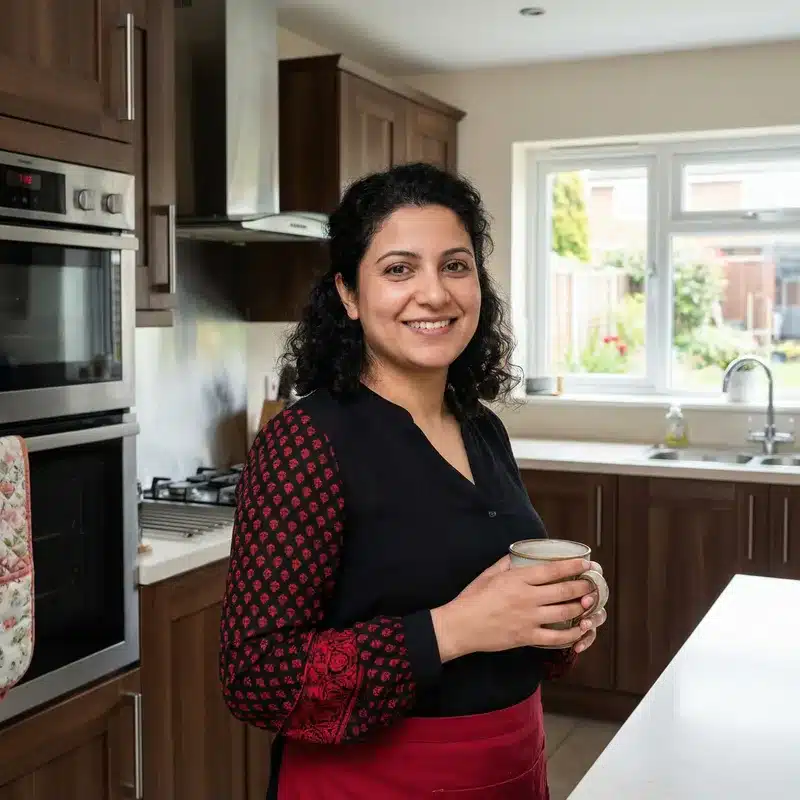
Written by Chef Anna
I'm Anna - a Le Cordon Bleu-trained chef, recipe developer, and the voice behind Chef Johns Gourmet. After a decade in professional kitchens, I now spend my mornings testing recipes and my afternoons writing them down so you can make them perfectly in your own kitchen. Every one of the 1,100+ recipes on this site has been personally cooked, tasted, and refined. I write like I'm standing next to you, walking you through every step. Simple recipes. Bold flavors. Made for real kitchens.