
No-Bake Matcha Balls — Healthy Vegan Energy Bites Recipe
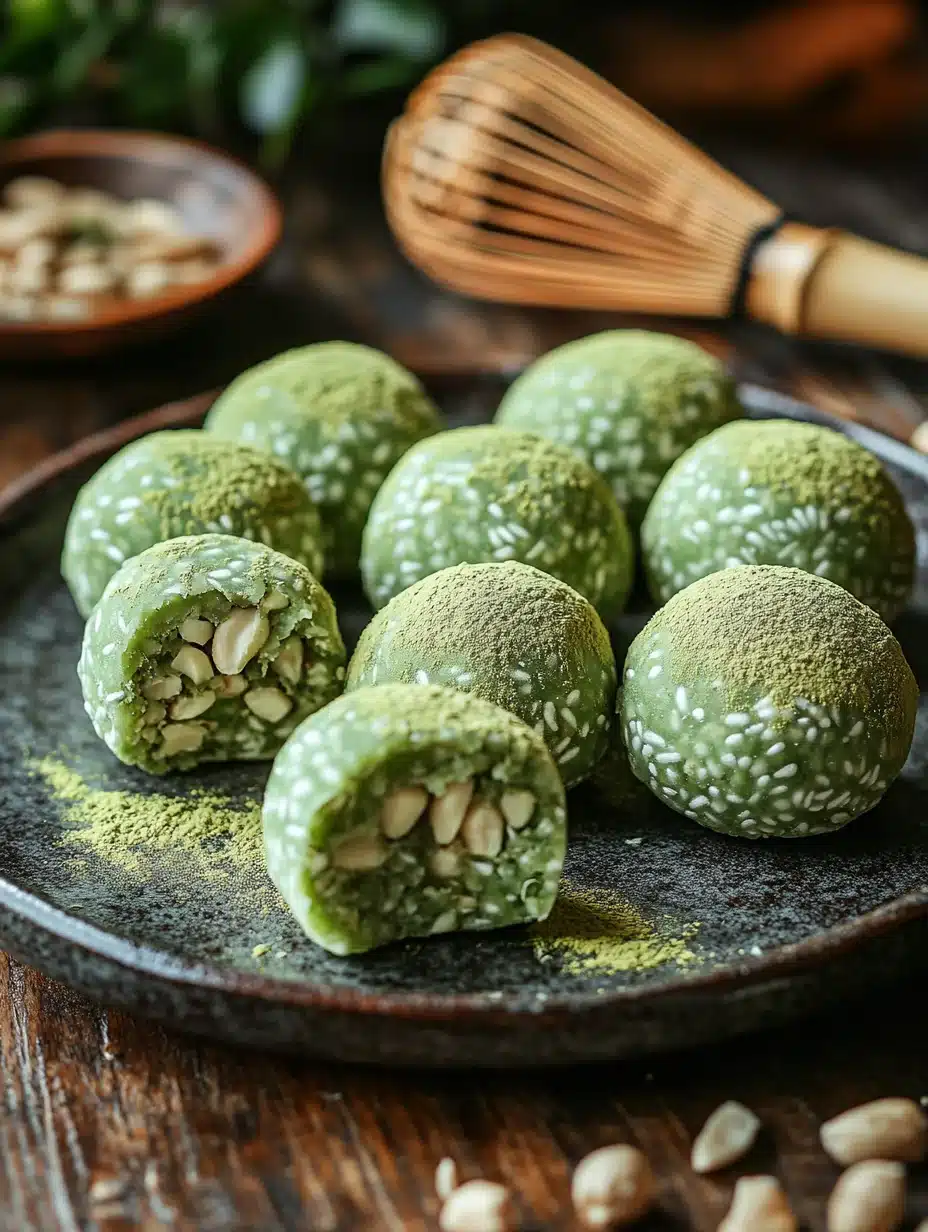
No-bake matcha balls are the energy bite that Japan meets meal prep. Fifteen minutes of mixing and rolling gives you 20 vibrant green bites infused with ceremonial-grade matcha, creamy cashew butter, hearty oats, and a subtle coconut sweetness. Each bite delivers 10 grams of plant-based protein plus the calm, focused energy that only matcha’s unique L-theanine and caffeine combination can provide — no jitters, no crash.
These matcha balls work because cashew butter creates a naturally smooth, mild-flavored base that lets the matcha flavor sing without competing nut intensity. The oats provide slow-burning complex carbs, shredded coconut adds texture and healthy MCTs, and maple syrup binds everything while keeping the recipe 100% vegan. Whether you’re a matcha devotee looking for a new way to get your daily fix, a meal prepper who wants variety beyond chocolate, or someone curious about plant-based energy snacks, these balls deliver on every level. This guide covers matcha science, grade selection, 8 flavor variations, and troubleshooting for perfect green bites every time.
Key Takeaways
- 10g plant protein per serving: Cashew butter + oats deliver complete amino acids without any animal products
- Calm energy, no crash: Matcha’s L-theanine + caffeine combo provides 4–6 hours of focused energy
- 15 minutes, 100% vegan: Mix, roll, chill — no oven, no dairy, no eggs, no compromise
- 20 bites per batch: One session = snacks for the whole week at about 80 cents per serving
- Ceremonial-grade matcha: The quality of your matcha determines everything — don’t use cooking grade
- Freezer-stable 2 months: Batch-make and freeze for instant matcha energy any time
No-Bake Matcha Ball Nutrition Facts
| Nutrient | Per Serving (2 Balls) | Green Tea Latte Equiv. | % Daily Value |
|---|---|---|---|
| Calories | 185 kcal | 240 kcal | 9% |
| Protein | 10g | 8g | 20% |
| Total Fat | 8g | 7g | 10% |
| Carbohydrates | 22g | 34g | 8% |
| Sugar | 6g | 28g | — |
| Fiber | 3g | 0g | 11% |
| Caffeine | ~35mg | ~55mg | — |
| L-Theanine | ~25mg | ~20mg | — |
Why Matcha Energy Bites Beat Matcha Lattes?
If you love matcha, you’re probably buying $6 matcha lattes or making them at home with oat milk. Matcha balls give you the same ceremonial-grade matcha experience in a portable, protein-packed format with a fraction of the sugar:
- 78% less sugar: 6g vs. 28g in a sweetened matcha latte — you taste the matcha, not the sugar
- 25% more protein: 10g vs. 8g, and the protein comes from whole food (cashew butter + oats)
- Zero dairy needed: Completely plant-based without any milk, cream, or milk alternatives
- Portable energy: Pop 2 bites before a meeting, workout, or commute — no cup required
- Cost savings: ~$0.80/serving vs. $6.00 for a café matcha latte
The Matcha L-Theanine Advantage
Unlike coffee’s jittery caffeine hit, matcha delivers caffeine bound to L-theanine — an amino acid that promotes alpha brain wave activity. The result is a calm, focused alertness that lasts 4–6 hours without the spike-and-crash cycle. Energy bites extend this effect even further because the slow-digesting oats and fats moderate caffeine absorption. You get sustained energy from both the matcha and the macronutrients. For a caffeine-forward version, pair these with our protein coffee for the ultimate focused morning.
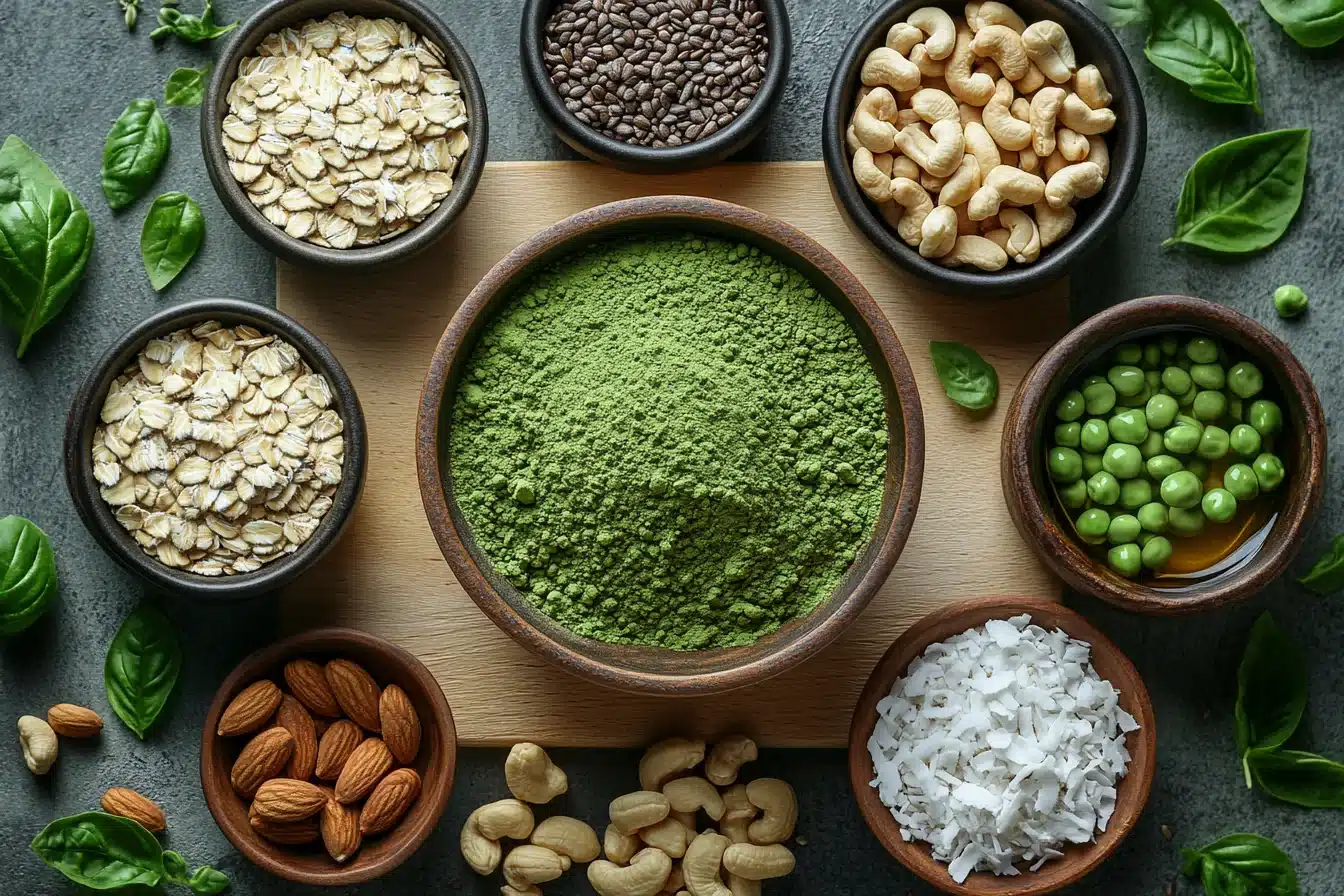
Essential Ingredients for No-Bake Matcha Balls
| Ingredient | Amount | Purpose | Tips & Substitutions |
|---|---|---|---|
| Rolled oats | 1½ cups | Structure + slow carbs | Old-fashioned (NOT instant); GF oats for celiac |
| Cashew butter | ½ cup | Binding + mild flavor + protein | Drippy consistency; almond butter also works |
| Ceremonial-grade matcha | 2 tsp | Flavor + caffeine + antioxidants | DO NOT use cooking-grade — bitter, dull color |
| Maple syrup | 3 tbsp | Vegan sweetener + binding | Agave works but maple complements matcha better |
| Shredded coconut | ½ cup | Texture + MCT fats + tropical flavor | Unsweetened; plus extra for rolling |
| Vanilla extract | 1 tsp | Flavor bridge | Rounds matcha’s grassiness into smooth sweetness |
| Salt | ¼ tsp | Flavor enhancer | Draws out matcha’s umami and sweetness |
| White chocolate chips (opt.) | ¼ cup | Sweet contrast to earthy matcha | Vegan white chips for strict plant-based |
Why Ceremonial-Grade Matcha Matters
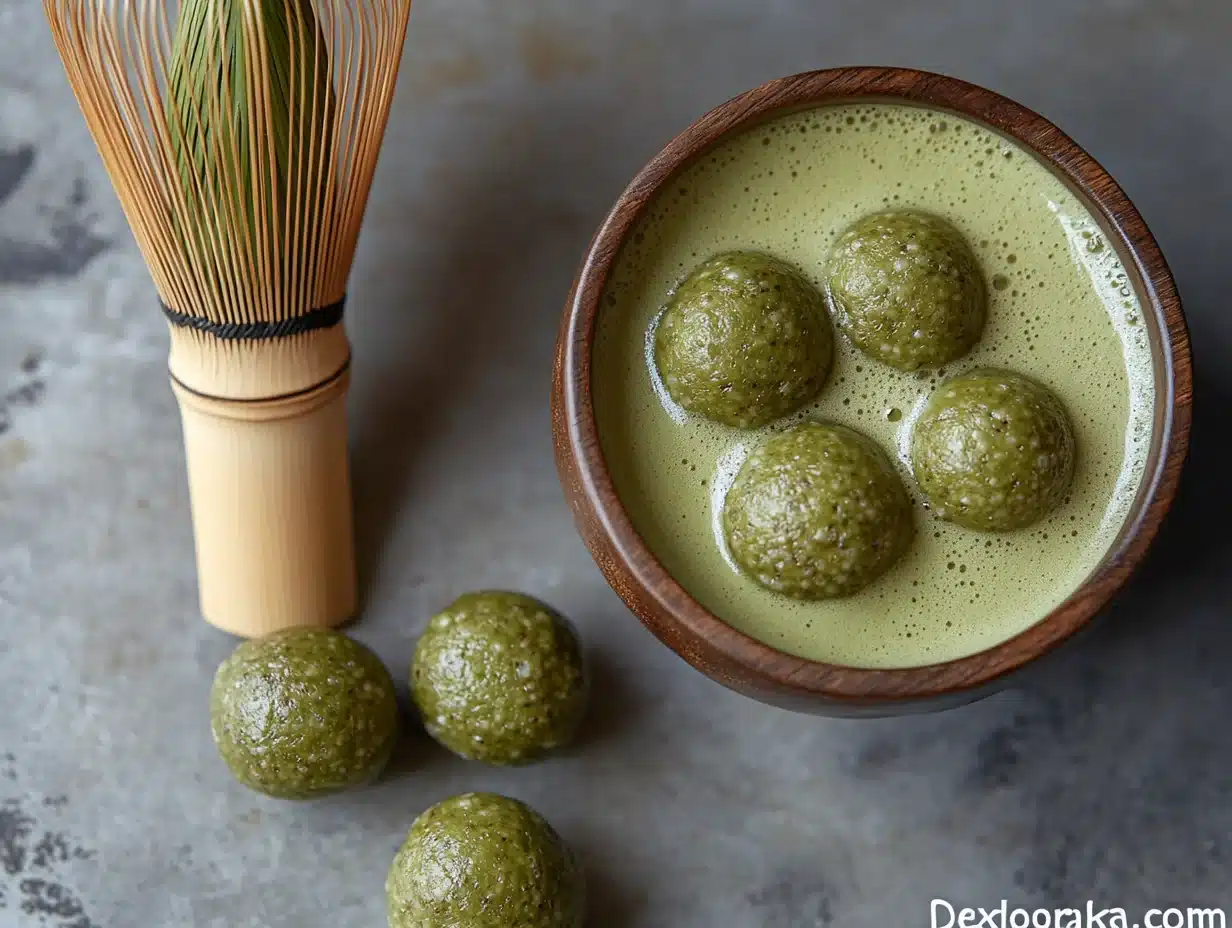
In energy bites, the matcha quality difference is stark and unmistakable. Ceremonial-grade matcha is stone-ground from shade-grown first-harvest tea leaves, producing a vibrant jade-green powder with a sweet, umami-forward flavor. Cooking-grade matcha uses later-harvest leaves, resulting in a dull yellow-green powder that tastes bitter and astringent. Since energy bites aren’t baked (no heat to mellow bitterness), the matcha flavor comes through raw and unmasked. Ceremonial-grade produces bites that taste smooth, sweet, and pleasantly earthy. Cooking-grade produces bites that taste like grass clippings. The price difference is about $0.15 per batch — absolutely worth it.
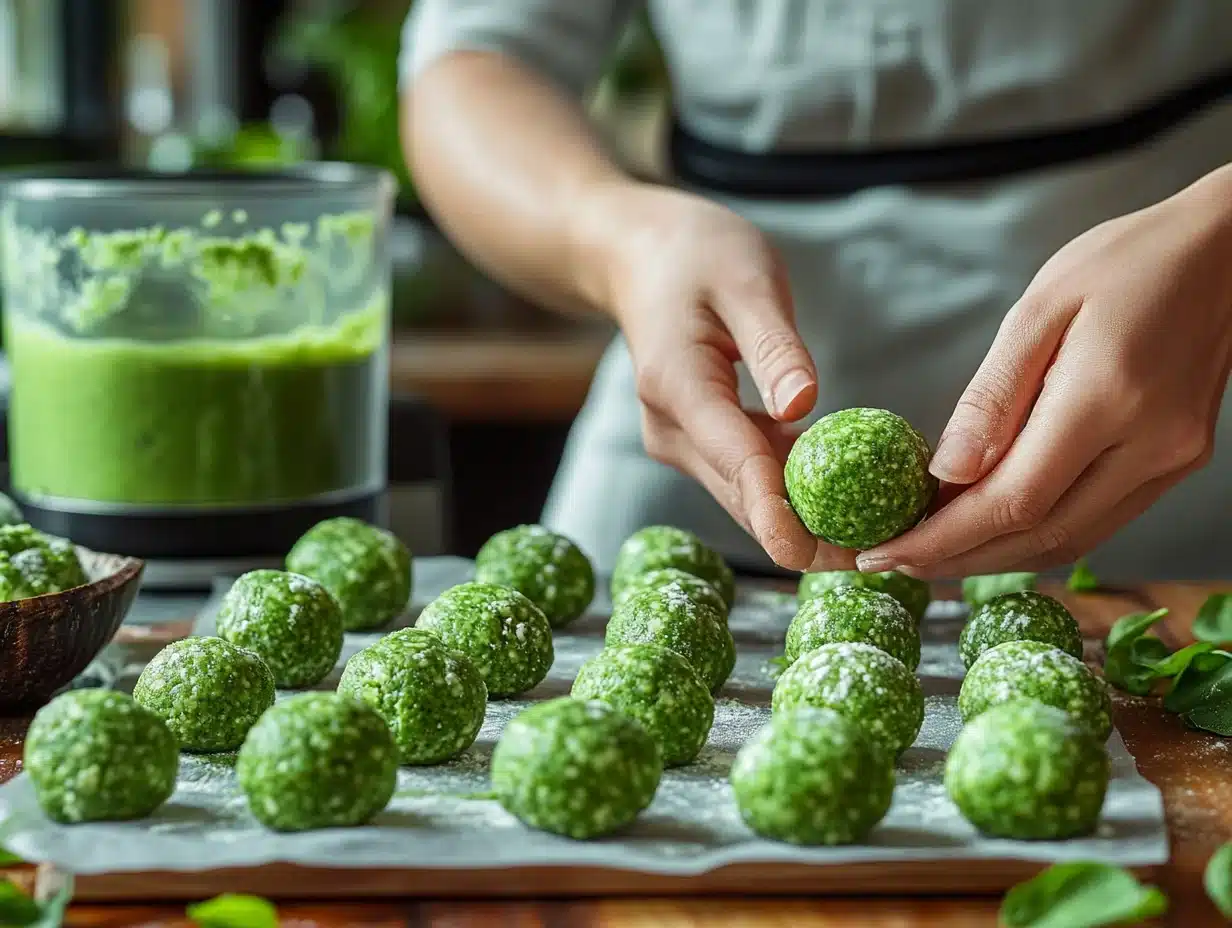
Step-by-Step: How to Make No-Bake Matcha Balls
Step 1: Sift the Matcha (1 Minute)
Push matcha powder through a fine-mesh strainer into a small bowl. This breaks up clumps that would create bitter green pockets in the finished bites. Ceremonial-grade matcha is fine enough to sift easily; if clumps persist, use a small whisk in the strainer.
Step 2: Combine Dry Ingredients (2 Minutes)
In a large bowl, stir together rolled oats, sifted matcha, shredded coconut, white chocolate chips (if using), and salt. Use a fork to distribute the matcha evenly — you should see a uniform light green tint throughout the oats.
Step 3: Add Wet Ingredients (3 Minutes)
Add cashew butter, maple syrup, and vanilla extract. Stir vigorously with a spatula until a sticky, uniform green dough forms. The dough should hold together when squeezed between your fingers. If too dry, add 1 teaspoon maple syrup at a time. If too sticky, add 2 tablespoons more oats.
Step 4: Roll and Coat (5 Minutes)
Use a tablespoon scoop to portion equal amounts. Roll between your palms — wet your hands slightly to prevent sticking. Place extra shredded coconut (or sifted matcha) on a small plate. Roll each ball in the coating for a beautiful green-and-white presentation. You should get 20 balls.
Step 5: Chill, Store, Enjoy
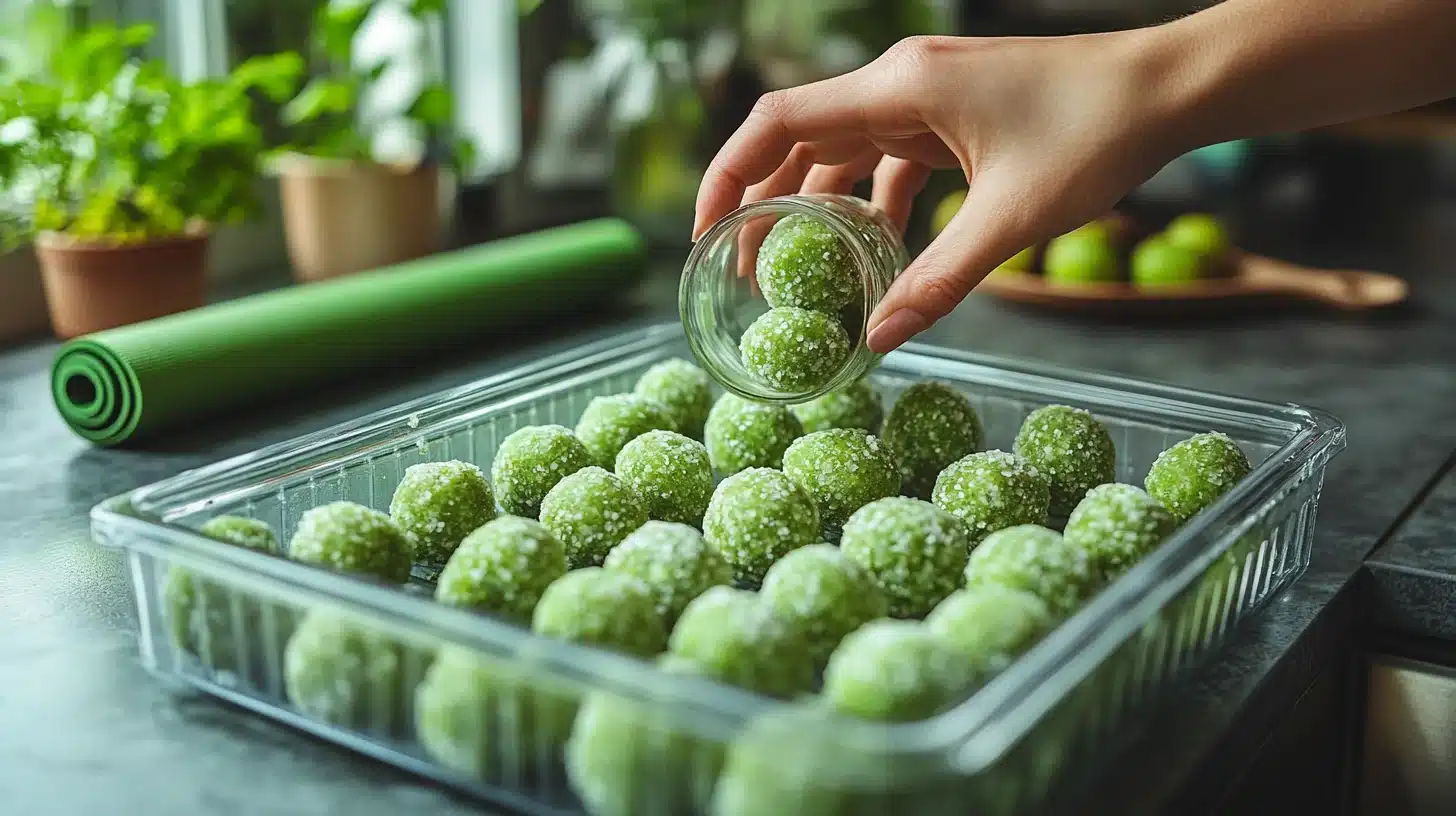
Refrigerate on a parchment-lined plate for 30 minutes minimum. Transfer to an airtight container with parchment between layers. Refrigerate up to 10 days or freeze up to 2 months. They’re best chilled — firm, chewy, with a concentrated matcha flavor that intensifies after 24 hours as the flavors meld.
8 No-Bake Matcha Ball Flavor Variations
1. Classic Coconut Matcha (This Recipe)
The base recipe — earthy matcha with tropical coconut sweetness and silky cashew butter. Roll in extra coconut for a snowy look. The simplest and most elegant version.
2. Matcha White Chocolate Chip
Increase white chocolate chips to ½ cup. The creamy white chocolate is matcha’s best friend — sweet, milky richness against earthy green tea. This version disappears fastest from any batch.
3. Matcha Lemon
Add zest of one lemon and 1 tablespoon lemon juice. The citrus brightness cuts through matcha’s earthiness, creating a refreshing, spa-like flavor. Roll in lemon zest mixed with coconut.
4. Matcha Pistachio
Replace cashew butter with pistachio butter (or process raw pistachios into paste). Add ¼ cup chopped pistachios. Double green — the pistachio and matcha create an intensely nutty, earthy experience.
5. Matcha Ginger
Add 1 teaspoon ground ginger and 2 tablespoons finely chopped crystallized ginger. The warming spice pairs exceptionally well with matcha’s cool earthiness. A perfect fall and winter variation.
6. Matcha Blueberry
Fold in ¼ cup freeze-dried blueberry pieces. The tartness balances matcha’s sweetness and adds a purple-green color contrast. Antioxidant powerhouse — matcha EGCG plus blueberry anthocyanins.
7. Matcha Mint
Add ½ teaspoon peppermint extract. Roll in crushed dark chocolate. A grasshopper-meets-green-tea experience that’s refreshing and indulgent. Great summer variation.
8. Matcha Tahini
Replace cashew butter with tahini for a sesame-forward twist. The tahini’s nutty bitterness complements matcha’s earthiness in an unexpectedly harmonious way. Popular in Japanese-inspired desserts.
Matcha Grade Comparison for Energy Bites
| Grade | Color | Flavor | Price/30g | Best For |
|---|---|---|---|---|
| Ceremonial ★ | Vibrant jade green | Sweet, umami, smooth | $15–30 | Energy bites, lattes, drinking |
| Premium | Bright green | Slightly bitter, still sweet | $10–15 | Acceptable for bites if budget limited |
| Culinary/Cooking | Yellow-green, dull | Bitter, astringent, flat | $5–10 | Baking only (heat mellows bitterness) |
| Industrial | Olive/brown tint | Very bitter | Under $5 | Avoid entirely — no flavor benefit |
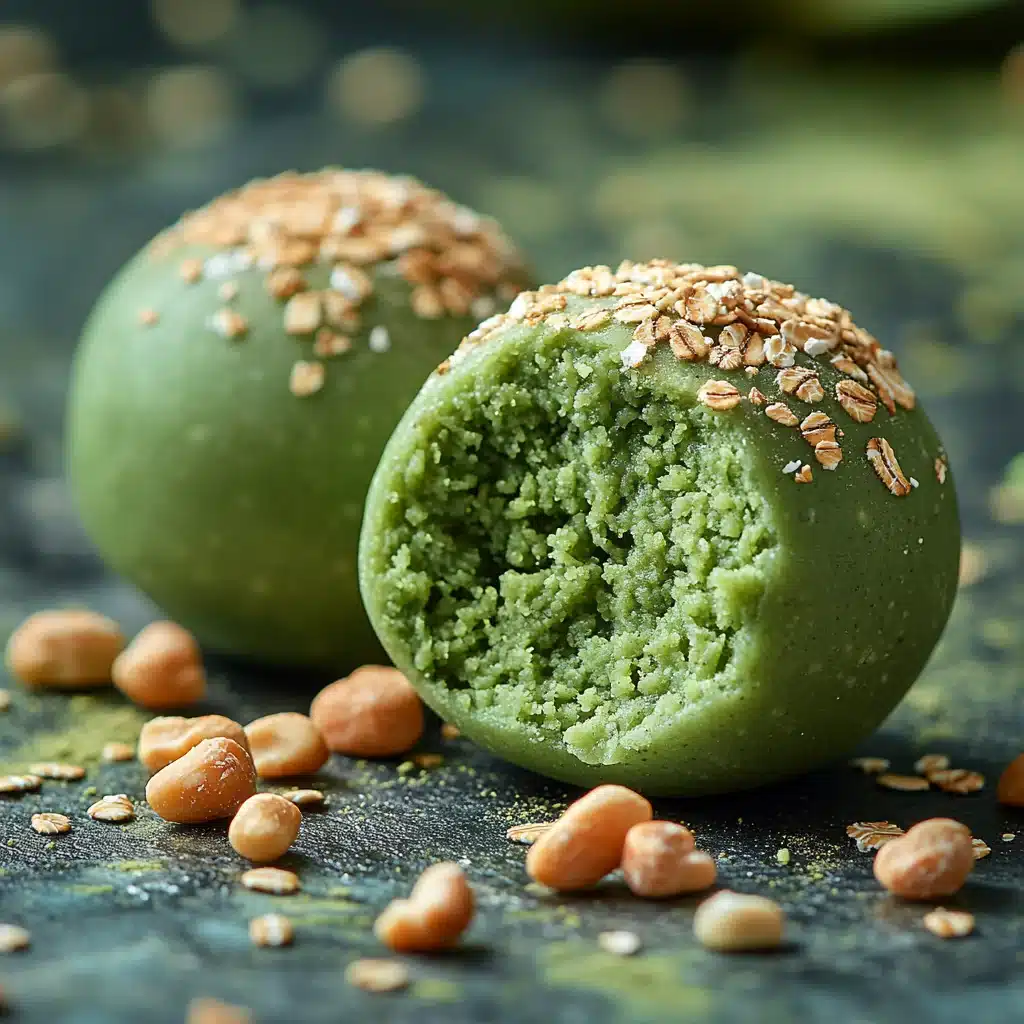
Common No-Bake Matcha Ball Mistakes and How to Fix Them
Mistake: Bites Taste Bitter
Cause: Cooking-grade matcha, or too much matcha relative to sweetener. Fix: Switch to ceremonial-grade. If already made, drizzle extra maple syrup over the batch. For future batches, ensure you’re using only 2 teaspoons per recipe — more is not better with matcha.
Mistake: Green Color Looks Dull
Cause: Lower-grade matcha or exposure to sunlight during storage. Fix: Always store matcha in an opaque, airtight container in the fridge. Once opened, ceremonial-grade matcha loses vibrancy within 2–3 months. Fresh, properly stored matcha produces electric green bites.
Mistake: Bites Won’t Hold Together
Cause: Cashew butter not drippy enough or not enough maple syrup. Fix: Microwave cashew butter for 15 seconds to loosen it. Add 1 tablespoon more maple syrup. Also ensure you’re pressing firmly when rolling — gentle rolling produces fragile bites.
Mistake: Matcha Flavor Is Barely Noticeable
Cause: Matcha was not sifted (clumps settle instead of distributing), or strong competing flavors overpower it. Fix: Always sift matcha first. Use mild cashew butter (not strong PB). The matcha flavor also intensifies after 24 hours in the fridge as the powder fully hydrates.
What to Pair With No-Bake Matcha Balls?
- Morning ritual: 2 matcha balls + hot matcha latte — double matcha for ultimate calm focus
- Pre-yoga: 2 balls 30 minutes before class — light, energizing, won’t sit heavy during flows
- Afternoon pick-me-up: 2 balls + sparkling water with lemon — refreshing energy without coffee
- Dessert plate: Arrange with dark chocolate bark and PB energy bites for a tri-color snack board
- Post-workout: 3 balls + strawberry peach smoothie for complete recovery
- Gift box: Package 12 in a clear bag with ribbon — elegant homemade gift
- Study fuel: L-theanine promotes focus — 2 balls during study sessions sustain concentration for hours
- Travel snack: Pack 6 in a ziplock for flights — compact, mess-free, no refrigeration needed for 6 hours
How to Store No-Bake Matcha Balls?
| Method | Container | Duration | Color & Flavor Notes |
|---|---|---|---|
| Counter | Airtight, away from light | 2 days max | Color fades in sunlight; flavor stable |
| Refrigerator ★ | Opaque container + parchment | 10 days | Best texture; color stays vibrant if sealed |
| Freezer | Single layer in freezer bag | 2 months | Color preserved frozen; thaw 10 min |
Matcha Balls for Every Occasion
These versatile bites fit seamlessly into multiple contexts. For bridal or baby showers, the jade-green color is stunning on a dessert table — arrange on a white platter with edible flowers. For holiday gifting, layer in a mason jar with parchment separators and attach a hand-written tag — a thoughtful, homemade gift that impresses. For kids, rename them “Hulk Balls” or “Dinosaur Eggs” and watch them devour something packed with antioxidants. For fitness clients, these are the go-to recommendation for plant-based energy that doesn’t require refrigeration during short sessions. Our no-bake chocolate protein bars make a great pairing for variety in a meal prep container alongside these matcha balls.
How to Source and Store Matcha Powder for Best Results
The quality of your matcha determines the success of these energy bites more than any other single ingredient. Here’s what matters when buying and storing matcha powder for energy bite recipes.
Where to Buy Quality Matcha
Japanese matcha from the Uji, Nishio, or Kagoshima regions consistently produces the highest quality ceremonial-grade powder. Trusted brands include Ippodo, Encha, Jade Leaf, and DoMatcha. Avoid any matcha that doesn’t specify Japanese origin — Chinese matcha is a different cultivar with less L-theanine and a notably different flavor profile. Online specialty tea shops generally offer better quality than grocery store brands, which are often mislabeled cooking-grade sold at ceremonial-grade prices.
Storage Rules for Maximum Freshness
Once opened, matcha is extremely sensitive to light, heat, air, and moisture. Store in the original sealed tin (or transfer to an opaque airtight container) inside the refrigerator or freezer. Never store on the counter — UV light degrades catechins and causes the vibrant green to fade to olive-brown within two weeks. A sealed, refrigerated tin of ceremonial-grade matcha maintains peak quality for 4–6 weeks after opening. Buying in small quantities (30g tins) ensures you always use it before oxidation takes hold.
How to Test Matcha Quality at Home
Three quick tests: (1) Color — quality matcha is vivid jade green; dull olive or yellow means low grade or oxidized. (2) Smell — good matcha smells sweet and vegetal, almost creamy; bad matcha smells bitter or like hay. (3) Texture — rub between fingers; ceremonial-grade feels like cornstarch (ultra-fine, 5–10 microns); cooking-grade feels gritty. If your matcha fails any test, it’s cooking grade regardless of the label — save it for baked goods where heat masks the flavor.
No-Bake Matcha Balls for Meal Prep and Batch Cooking
Weekly Batch Strategy
Make one batch of 20 matcha balls every Sunday. Store 14 in the fridge for weekday snacking (2 per day) and freeze 6 for emergency stash. After 3 weeks, you’ll have 18 frozen bites in reserve. This rotating system means you always have fresh refrigerated bites plus a frozen backup without ever spending more than 15 minutes per week on production. Pair with a batch of PB energy bites for two-flavor variety from a single meal prep session.
Travel and Commute Protocol
Matcha balls survive 4–6 hours at room temperature without quality loss. For international flights, pack 8 balls in a rigid container in your carry-on — they pass through TSA without issues (solid food, no liquid). For road trips, a small insulated bag with one ice pack keeps them perfectly firm for 12+ hours. They’re the ideal travel snack: compact, mess-free, protein-rich, naturally caffeinated, and they won’t melt or leak. For longer trips, our cottage cheese banana pudding also travels well in insulated containers for variety.
The Antioxidant Power of Matcha Energy Bites
Matcha is the single highest antioxidant food per gram on the ORAC (Oxygen Radical Absorbance Capacity) scale — 1,384 ORAC units per gram, which is 137 times the antioxidant concentration of regular brewed green tea and 10 times more than standard blueberries by weight. The key compound is EGCG (epigallocatechin gallate), a catechin linked to reduced inflammation, improved fat metabolism, and enhanced cognitive function in dozens of peer-reviewed studies.
| Antioxidant Source | ORAC per Gram | Compared to Matcha |
|---|---|---|
| Matcha ★ | 1,384 | Baseline |
| Goji Berries | 253 | 5.5× less |
| Dark Chocolate | 228 | 6× less |
| Blueberries | 93 | 15× less |
| Brewed Green Tea | 10 | 137× less |
Because matcha is whole-leaf powder rather than brewed tea, you consume the entire leaf and all its nutrients. In energy bites, the matcha is consumed raw and unheated, preserving 100% of the heat-sensitive catechins that would partially degrade during brewing at high temperatures. This makes no-bake matcha balls one of the most efficient delivery systems for matcha’s health benefits — you get full antioxidant potency, combined with fiber from oats, healthy fats from cashew butter, and slow-release energy from complex carbohydrates. It’s a nutrient-dense package that no matcha latte, smoothie, or baked good can fully replicate because none of those formats preserve raw matcha in a matrix of slow-digesting whole foods.
No-Bake Matcha Balls
Total Time: 45 minutes
Yield: 20 balls 1x
Diet: Vegan, Gluten-Free
Description
Healthy vegan matcha energy balls with cashews, oats, and coconut. Packed with antioxidants and ready in 15 minutes flat.
Ingredients
Scale
- Structure + slow carbs 1½ cups
- Binding + mild flavor + protein ½ cup
- Flavor + caffeine + antioxidants 2 tsp
- Vegan sweetener + binding 3 tbsp
- Texture + MCT fats + tropical flavor ½ cup
- Flavor bridge 1 tsp
- Flavor enhancer ¼ tsp
- Sweet contrast to earthy matcha ¼ cup
Instructions
- Sift the Matcha (1 Minute) — Push matcha powder through a fine-mesh strainer into a small bowl. This breaks up clumps that would create bitter green pockets in the finished bites. Ceremonial-grade matcha is fine enough to sift easily; if clumps persist, use a small whisk in the strainer.
- Combine Dry Ingredients (2 Minutes) — In a large bowl, stir together rolled oats, sifted matcha, shredded coconut, white chocolate chips (if using), and salt. Use a fork to distribute the matcha evenly — you should see a uniform light green tint throughout the oats.
- Add Wet Ingredients (3 Minutes) — Add cashew butter, maple syrup, and vanilla extract. Stir vigorously with a spatula until a sticky, uniform green dough forms. The dough should hold together when squeezed between your fingers. If too dry, add 1 teaspoon maple syrup at a time. If too sticky, add 2 tablespoons more oats.
- Roll and Coat (5 Minutes) — Use a tablespoon scoop to portion equal amounts. Roll between your palms — wet your hands slightly to prevent sticking. Place extra shredded coconut (or sifted matcha) on a small plate. Roll each ball in the coating for a beautiful green-and-white presentation. You should get 20 balls.
- Chill, Store, Enjoy — Refrigerate on a parchment-lined plate for 30 minutes minimum. Transfer to an airtight container with parchment between layers. Refrigerate up to 10 days or freeze up to 2 months. They’re best chilled — firm, chewy, with a concentrated matcha flavor that intensifies after 24 hours as the flavors meld.
- Prep Time: 15 minutes
- Category: Snack
- Method: No-Bake
- Cuisine: Japanese-Inspired
Nutrition
- Serving Size: 1 serving
- Calories: 185
- Sugar: 6g
- Fat: 8g
- Carbohydrates: 22g
- Fiber: 3g
- Protein: 10g
Frequently Asked Questions About No-Bake Matcha Balls
What grade of matcha should I use for energy bites?
Ceremonial-grade or premium-grade matcha. Since energy bites aren’t baked, the matcha flavor is raw and prominent — cooking-grade matcha produces bitter, unpleasant bites. The price difference is roughly $0.15 per batch, making ceremonial-grade the clear choice.
Can I use peanut butter instead of cashew butter?
Yes, but the flavor shifts significantly. Peanut butter’s roasted intensity competes with matcha’s delicate earthiness. If using PB, reduce to ⅓ cup and add 2 tablespoons coconut cream to maintain binding. Cashew or almond butter are preferred because their milder flavors complement rather than overpower the matcha.
How much caffeine is in each matcha ball?
About 17mg per ball (2 teaspoons matcha across 20 balls = ~35mg caffeine per 2-ball serving). That’s roughly equivalent to one-quarter cup of coffee — enough for a gentle energy lift without jitters. The L-theanine in matcha modulates the caffeine, creating a smoother, longer-lasting energy curve.
Why are my matcha balls brown instead of green?
Two possible causes: expired matcha (oxidized) or cooking-grade matcha. Quality ceremonial matcha should be vivid jade green. Once opened, matcha oxidizes and turns brown within 2–3 months. Store matcha sealed, in the fridge, in an opaque container. Buy in small quantities (30g) and use within 6 weeks.
Can I skip the coconut?
Yes — replace with ¼ cup more oats and 2 tablespoons hemp hearts. You’ll lose the tropical flavor and MCT fat benefit, but the bites will still hold together. Without coconut coating, roll in sifted matcha powder or crushed pistachios instead.
Are matcha balls safe during pregnancy?
The caffeine content is very low (~17mg per ball), well within the 200mg daily pregnancy guideline from ACOG. However, consult your healthcare provider as individual sensitivity varies. One to two balls (35mg caffeine) is considerably less caffeine than a single cup of coffee (~95mg).
Do matcha balls taste like grass?
Not with ceremonial-grade matcha. Good matcha tastes sweet, creamy, with umami depth — similar to green tea but richer. The “grassy” taste comes from cooking-grade matcha. Combined with cashew butter and maple syrup, these bites taste sophisticated and subtly sweet, not grassy at all.
Can I add protein powder to matcha balls?
Yes — add one scoop (30g) of vanilla or unflavored plant protein. Increase cashew butter by 1 tablespoon to maintain moisture. This boosts protein to ~15g per serving. Avoid chocolate protein powder — it masks the matcha flavor completely.
How do I make matcha balls nut-free?
Replace cashew butter with sunflower seed butter (SunButter) or tahini. Both provide similar binding and fat content. SunButter’s neutral flavor works well with matcha. Tahini adds a sesame note that’s actually a popular Japanese-inspired combination. Our vegan tofu scramble is another nut-free plant-based recipe if allergies are a concern.
Can I make a double batch?
Absolutely — the recipe scales linearly. Double everything, use a bigger bowl, and expect 40 bites. Rolling takes longer but the mixing time stays the same. Freeze half the batch immediately for later weeks. It’s the most efficient meal prep strategy for matcha lovers.

Written by Chef Anna
I'm Anna - a Le Cordon Bleu-trained chef, recipe developer, and the voice behind Chef Johns Gourmet. After a decade in professional kitchens, I now spend my mornings testing recipes and my afternoons writing them down so you can make them perfectly in your own kitchen. Every one of the 1,100+ recipes on this site has been personally cooked, tasted, and refined. I write like I'm standing next to you, walking you through every step. Simple recipes. Bold flavors. Made for real kitchens.