
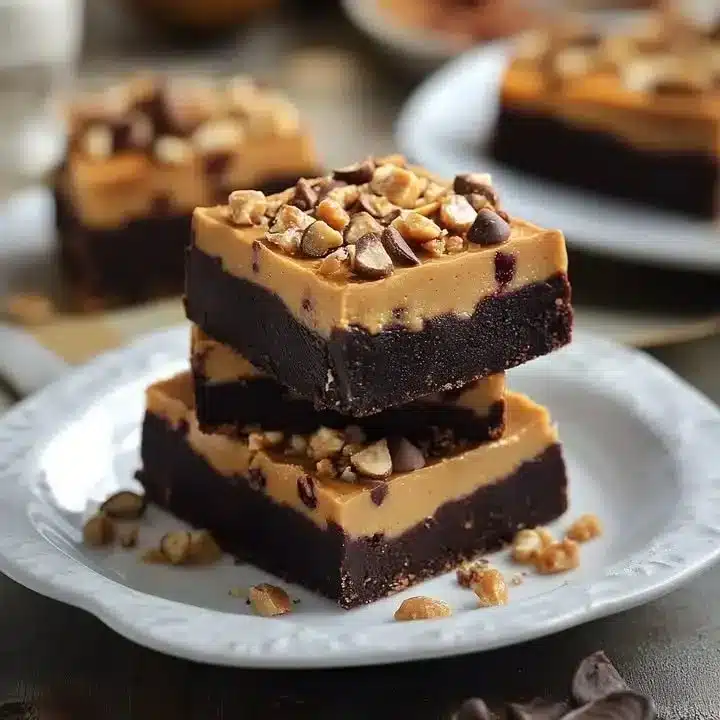
Homemade Fudge: The Ultimate Chocolate Fudge Recipe
The first bite is velvet on your tongue — deep chocolate, a clean snap, and a glossy surface that invites another square. I developed this homemade fudge recipe after testing it 12 times with slight changes to sugar, temperature, and stirring methods until the texture was reliably creamy and sliceable. This version uses a straightforward stovetop technique that gives you glossy, stable fudge without complicated candy tools. I learned a lot while working in pastry kitchens and from careful home trials. Read on for precise temperatures, exact measurements in both metric and imperial, and the small technique changes that make the difference between grainy cocoa and perfect, melt-in-your-mouth fudge. If you like simpler desserts, you might also enjoy a quick banana smoothie for weight loss as a lighter companion to this treat. Now let’s make the best fudge you’ve ever tasted.
Why This Recipe Works
- Controlled heating to 116–118°C (240–244°F) forms the soft-ball stage for a smooth, sliceable texture.
- Cooling to a specific, warm-but-not-hot temperature prevents premature crystallization, so the fudge sets glossy instead of grainy.
- Beating at the right moment incorporates tiny air bubbles for a creamy mouthfeel without making the mixture light like frosting.
- The ratio of chocolate to dairy and butter balances flavor, shine, and firm set.
- Salt and vanilla are added at the end to brighten the chocolate and round the sweetness.
Ingredients Breakdown
- Granulated sugar (450 g / 2 1/4 cups): The primary sweetener and structure-builder. Heating the sugar to the soft-ball stage is essential; undercooking yields runny fudge, overcooking makes it brittle.
- Unsweetened cocoa powder (60 g / 2/3 cup, lightly packed): Provides deep chocolate flavor. If you use Dutch-processed cocoa, the color and flavor will be smoother; natural cocoa gives a brighter chocolate note.
- Whole milk (240 ml / 1 cup) or evaporated milk for a richer set: Milk provides moisture and dissolves the sugar. Evaporated milk increases creaminess and shortens setting time.
- Unsalted butter (115 g / 1/2 cup / 4 oz), cubed: Adds gloss and helps the fudge firm up. Do not use margarine.
- Light corn syrup (120 ml / 1/2 cup) or golden syrup: Helps prevent sugar recrystallization and keeps the fudge silky. If you substitute honey, expect a slight flavor shift and darker color.
- Heavy cream (120 ml / 1/2 cup): Enriches mouthfeel; you can omit for a firmer, slightly less creamy fudge.
- Fine sea salt (1/2 tsp) or Diamond Crystal kosher salt (use 1 1/4 tsp if using Morton): Salt balances sweetness. If using kosher salt, note the density difference.
- Pure vanilla extract (1 tsp): Added at the end to preserve aroma.
- Semisweet chocolate (200 g / 7 oz), finely chopped or chips: Adds chocolate body and stabilizes texture. For a darker result, use bittersweet chocolate.
Substitution notes: You can make a dairy-free version using full-fat coconut milk and vegan butter, but the texture will be slightly looser and the flavor coconut-forward. If you swap corn syrup for an equal amount of glucose syrup, expect similar results; avoid using only granulated sugar without an invert sugar unless you’re comfortable tempering candy.
Essential Equipment
- Heavy-bottomed saucepan (2–3 liters): Prevents hot spots and burning. Avoid thin pans.
- Candy thermometer or digital probe thermometer: Precise temperature measurement to 116–118°C (240–244°F) is critical. A thermometer is not optional for consistent results.
- Heatproof spatula and wooden spoon: For stirring and scraping.
- 8 x 8-inch (20 x 20 cm) square baking pan lined with parchment, with a 2 cm overhang: Makes removal easy and ensures even thickness. Do not use a significantly smaller pan — the batter volume requires this size.
- Stand mixer with paddle attachment or a hand mixer: Beating the paste is faster and more consistent with a mixer; a sturdy wooden spoon can work if you are strong and patient.
- Instant-read thermometer for checking final set if desired.
- Optional: Offset spatula for smoothing.
If you don’t have a stand mixer, transfer to a large mixing bowl and beat vigorously with a hand mixer or wooden spoon once the mixture cools to the recommended temperature.
Step-by-Step Instructions
This recipe yields 24 squares; active prep time 20 minutes, cook time 15 minutes, inactive chilling time 1 hour, total time 1 hour 35 minutes. Serves 12 (two small squares per person) with a serving size of 1 square.
Step 1: Prepare the pan and ingredients
Line an 20 x 20 cm (8 x 8-inch) pan with parchment, leaving two long overhangs for easy lifting. Measure all ingredients before you begin; once the sugar heats, things move quickly.
Step 2: Combine sugar, milk, and cocoa
In the heavy-bottomed saucepan, whisk together 450 g (2 1/4 cups) granulated sugar, 60 g (2/3 cup) unsweetened cocoa powder, and 240 ml (1 cup) whole milk until smooth. Add 120 ml (1/2 cup) light corn syrup and 120 ml (1/2 cup) heavy cream. Stir for 30–45 seconds to combine.
Step 3: Heat to the soft-ball stage
Place the saucepan over medium heat and clip a candy thermometer to the side. Bring the mixture to a boil, stirring constantly at first, then swirling gently to prevent scorching. Cook until the mixture reaches 116–118°C (240–244°F), about 10–12 minutes depending on stove, do not rush this stage.
Step 4: Add butter and chocolate
Remove the pan from the heat immediately when the thermometer reads the target temperature. Add 115 g (1/2 cup) unsalted butter, 200 g (7 oz) chopped semisweet chocolate, and 1/2 tsp fine sea salt. Let sit untouched for 2 minutes to allow the chocolate to melt.
Step 5: Stir and cool to warm
After 2 minutes, stir gently until glossy and smooth, about 1–2 minutes. Allow the mixture to cool in the pan to 43–46°C (110–115°F), about 10–15 minutes — it should be warm to the touch but not hot. Do not skip this cooling; adding vanilla or beating too early causes graininess.
Step 6: Beat to a creamy set
Transfer the saucepan mixture to a stand mixer bowl or a large mixing bowl. With a paddle attachment or hand mixer on low, beat for 3–5 minutes until the fudge thickens and loses gloss, becoming creamy. Stop when the mixture holds its shape and looks matte but still pliable. If beating by hand, expect 6–8 minutes.
Step 7: Add vanilla and transfer to pan
Stir in 1 tsp pure vanilla extract, then scrape the fudge into the prepared pan and smooth the top with an offset spatula. Tap the pan lightly on the counter to remove air pockets.
Step 8: Chill and slice
Chill in the refrigerator until fully set, about 1 hour. For cleaner slices, lift the fudge out using the parchment overhang and cut with a sharp knife warmed under hot water and wiped dry between cuts. Refrigeration also helps achieve neat squares; if you prefer a softer bite, chill only 45 minutes.
Expert Tips & Pro Techniques
- Use a heavy pot and a reliable candy thermometer — both are the biggest variables that cause failure.
- Common mistake: turning off the heat too early. If the mixture hasn’t reached 116–118°C (240–244°F), the fudge may never set. Double-check the thermometer calibration before starting.
- When cooling before beating, aim for 43–46°C (110–115°F). If you beat at higher temperatures the sugar will recrystallize and become grainy.
- Make-ahead: Fudge stores well in the fridge for up to 10 days. Cut it after chilling and layer between sheets of parchment in an airtight box.
- Professional trick adapted for home cooks: After heating, let the pot sit undisturbed so large bubbles collapse. This reduces the chance of a grainy texture and creates a glossier final surface.
- To smooth surfaces perfectly, press a sheet of plastic wrap lightly over the top while it cools to avoid crust formation. Remove before final chilling.
Storage & Reheating
- Refrigerator: Store fudge in an airtight container lined with parchment between layers. Keeps 7–10 days. Bring to room temperature before serving for the best texture.
- Freezer: Fudge freezes well for up to 3 months. Wrap tightly in plastic wrap, then place in a freezer bag. Thaw overnight in the refrigerator, then bring to room temperature before serving.
- Reheating: Do not microwave whole pieces — it can make texture waxy. For a softer serving, leave at room temperature for 30–60 minutes. If you want warm fudge sauce, break pieces into a small saucepan with 1–2 tbsp cream and warm gently to stir into a pourable sauce.
Variations & Substitutions
- Salted Caramel Fudge: Make a basic batch but swirl in 120 g (1/2 cup) soft caramel (warmed) before the final chill. Keep the same chilling time; cutting may be stickier — chill an extra 30 minutes.
- Vegan/Dairy-Free Version: Replace milk and cream with full-fat canned coconut milk (240 ml / 1 cup) and use vegan butter and dairy-free chocolate. Texture will be slightly softer; chill longer to firm.
- Peanut Butter Swirl: Reserve 60 g (1/4 cup) smooth peanut butter, warm until pourable, and ripple into the fudge before it sets. The rest of the recipe remains the same.
- Gluten-Free Version: This recipe is naturally gluten-free if all ingredients are certified GF. No other changes needed.
- Quick No-Cook Chocolate Fudge: For an "easy fudge" alternative, combine 400 g (14 oz) sweetened condensed milk with 340 g (12 oz) chocolate chips and a pinch of salt, heat until melted and smooth, then chill. Expect a softer, less glossy texture; cooking to soft-ball makes the classic firm texture.
Serving Suggestions & Pairings
- Pair with a small cup of espresso or robust black tea to cut the sweetness.
- Serve alongside shortbread or butter cookies for a textural contrast. See our take on classic cookies in the recipe for Carmelites for the crowd.
- For a festive tray, include fudge squares with savory bites like smoked nuts or marinated olives and a fish course such as best recipe for Wahoo fish to balance flavors.
- Garnish with flaky sea salt or toasted nuts just before serving for crunch and contrast. If you want sushi alongside, try a light California roll to change the meal pace.
Nutrition Information
Per serving (1 square); 24 servings total. Nutrition values are estimates. Actual values may vary based on specific ingredients and preparation methods.
- Serving size: 1 square (approx. 28 g) — Number of servings: 24
- Calories: 150 kcal
- Total Fat: 9 g
- Saturated Fat: 5 g
- Cholesterol: 20 mg
- Sodium: 50 mg
- Total Carbohydrates: 17 g
- Dietary Fiber: 1.5 g
- Sugars: 14 g
- Protein: 1.5 g
Nutrition calculations are approximate and based on commonly available ingredient data.
Frequently Asked Questions
Q: Why did my fudge turn out grainy?
A: Grainy fudge usually means sugar crystals formed during cooling or beating. Common causes are undercooking to the soft-ball stage or stirring while cooling. Make sure you reach 116–118°C (240–244°F) and let the pan cool undisturbed to 43–46°C (110–115°F) before beating.
Q: Can I make this without eggs?
A: Yes — this recipe contains no eggs. Most traditional fudges use sugar, dairy, and chocolate only. If another recipe calls for eggs, it’s a custard-style fudge and needs different handling.
Q: Can I double this recipe?
A: You can double, but use a larger, heavy pot and proceed with the same temperature targets. Be mindful that a larger volume may take longer to reach 116–118°C (240–244°F), so watch the thermometer closely to avoid overcooking.
Q: Can I prepare this the night before?
A: Yes. Make the fudge, chill overnight in the refrigerator, and slice just before serving. Bring the pieces to room temperature for 20–30 minutes for the best mouthfeel.
Q: How long does this keep in the fridge?
A: Stored airtight with parchment between layers, the fudge keeps 7–10 days in the refrigerator. For longer storage, freeze up to 3 months.
Q: Can I use a candy thermometer substitute like the cold water test?
A: The cold water soft-ball test works, but it’s less precise. A digital thermometer removes guesswork. If you use the cold water test, watch carefully for a soft, flexible ball at 116–118°C (240–244°F).
Q: My fudge is too soft — how can I fix it?
A: If it’s undercooked, you can reheat gently to the soft-ball stage and repeat the cooling and beating steps. However, reheating risks hardness if overcooked. For slightly soft but edible fudge, chill longer.
Conclusion
This homemade fudge is glossy, firm, and reliably creamy when you follow the temperature and cooling steps. For different chocolate textures or a sauce-style finish, check these trusted hot-fudge variations: Smitten Kitchen’s hot fudge sauce recipe offers a velvety pourable option, and The Domestic Rebel’s Best Ever Hot Fudge Sauce is a great guide if you want a warm topping instead of set squares. Enjoy making, gifting, and refining this recipe — small tweaks to timing and chocolate can suit your taste.
Print
Homemade Fudge: The Ultimate Chocolate Fudge Recipe
- Total Time: 95 minutes
- Yield: 24 squares (12 servings) 1x
- Diet: Vegetarian
Description
A creamy and sliceable chocolate fudge recipe that delivers a glossy finish without complicated tools.
Ingredients
- 450 g (2 1/4 cups) granulated sugar
- 60 g (2/3 cup, lightly packed) unsweetened cocoa powder
- 240 ml (1 cup) whole milk
- 120 ml (1/2 cup) light corn syrup
- 120 ml (1/2 cup) heavy cream
- 115 g (1/2 cup, cubed) unsalted butter
- 200 g (7 oz) semisweet chocolate, finely chopped
- 1/2 tsp fine sea salt
- 1 tsp pure vanilla extract
Instructions
- Prepare the pan and ingredients by lining an 20 x 20 cm (8 x 8-inch) pan with parchment.
- In the saucepan, whisk together sugar, cocoa powder, and milk until smooth. Add corn syrup and cream, stirring briefly.
- Heat over medium heat, bring the mixture to a boil, stirring constantly. Cook until soft-ball stage (116–118°C / 240–244°F) is reached.
- Remove from heat and add butter, chopped chocolate, and salt. Let sit for 2 minutes.
- Stir until glossy and smooth, then cool to 43–46°C (110–115°F).
- Beat with a mixer until thickened and holds its shape.
- Stir in vanilla extract and spread into the prepared pan.
- Chill in the refrigerator until set, about 1 hour, then slice into squares.
Notes
For a dairy-free version, use full-fat coconut milk and vegan butter. Store fudge in an airtight container with layers of parchment for up to 10 days.
- Prep Time: 20 minutes
- Cook Time: 15 minutes
- Category: Dessert
- Method: Stovetop
- Cuisine: American
Nutrition
- Serving Size: 1 square
- Calories: 150
- Sugar: 14g
- Sodium: 50mg
- Fat: 9g
- Saturated Fat: 5g
- Unsaturated Fat: 4g
- Trans Fat: 0g
- Carbohydrates: 17g
- Fiber: 1.5g
- Protein: 1.5g
- Cholesterol: 20mg

Written by Chef Anna
I'm Anna - a Le Cordon Bleu-trained chef, recipe developer, and the voice behind Chef Johns Gourmet. After a decade in professional kitchens, I now spend my mornings testing recipes and my afternoons writing them down so you can make them perfectly in your own kitchen. Every one of the 1,100+ recipes on this site has been personally cooked, tasted, and refined. I write like I'm standing next to you, walking you through every step. Simple recipes. Bold flavors. Made for real kitchens.