
Key Takeaways
- Wahoo fish is a prized white-fleshed game fish (also called ono) with a mild, sweet flavor and meaty texture similar to mahi-mahi but firmer — perfect for pan-searing, grilling, or blackening.
- The best wahoo recipe uses a high-heat sear with simple seasoning to develop a golden crust while keeping the interior just-cooked, tender, and never dry.
- Wahoo’s lean profile (only 1 gram of fat per ounce) means overcooking is the #1 mistake — pull at 130°F internal temperature for moist, flaky results every time.
- A finishing lemon-butter-herb sauce with capers and fresh parsley elevates wahoo from simple weeknight protein to restaurant-quality dinner in under 20 minutes total.
- This fish is excellent for sushi-grade preparations when ultra-fresh — many chefs serve it as crudo, ceviche, or seared-rare with sesame crust.
- Pair with our strawberry spinach salad or sides from our sheet pan shrimp fajitas for a complete seafood dinner.
What Makes Wahoo Fish So Special
Walk into a fish market on any U.S. coast and you’ll see the usual suspects — salmon, cod, tilapia, snapper. But ask the fishmonger what they’d take home for themselves, and “wahoo” comes up surprisingly often. This sleek, fast-swimming pelagic fish (Acanthocybium solandri) is one of the ocean’s best-kept culinary secrets, prized by sport fishermen for its incredible fight and by chefs for its delicate yet substantial flesh.
🎯 Key Takeaways
- Wahoo (ono) has a mild, sweet flavor similar to tuna with firm, flaky white meat.
- Pan-sear in 15 minutes—hot skillet, high-smoke-point oil, flip once.
- Internal temp: 130-135°F for medium (pink center) or 145°F well-done.
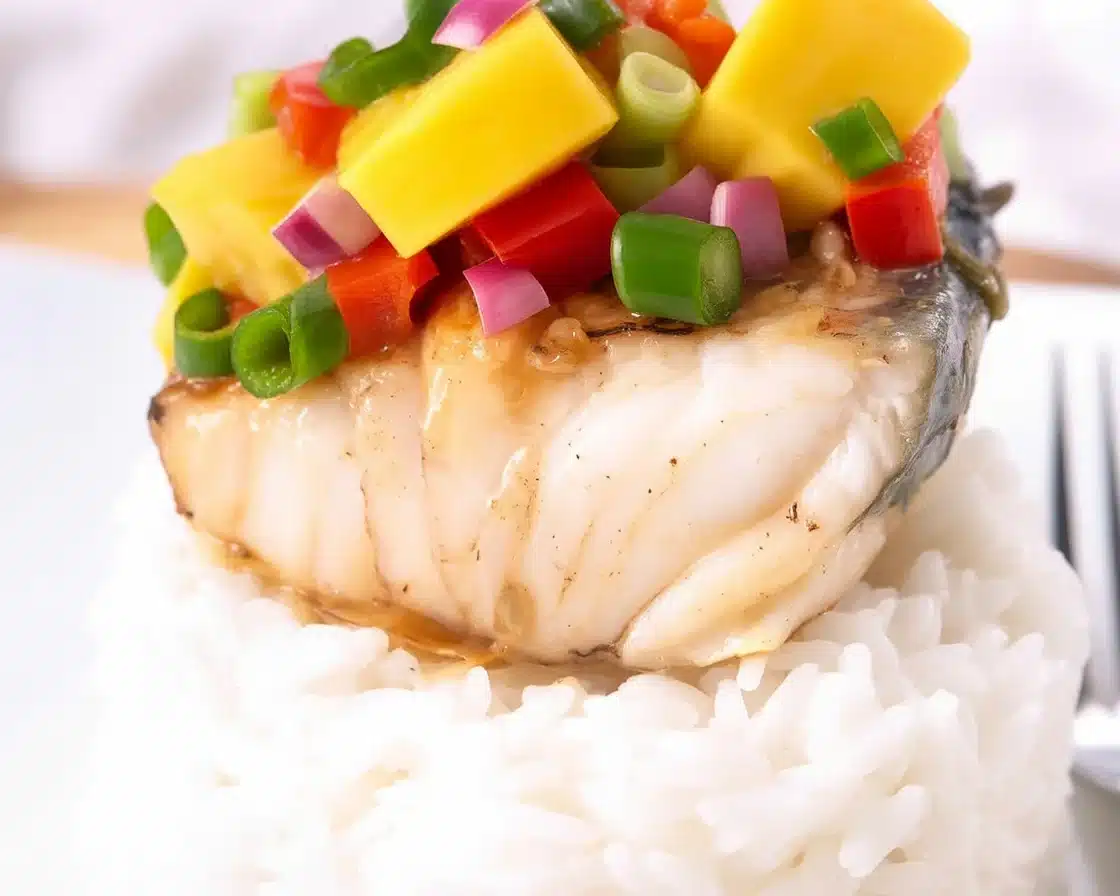
- Pair with lemon butter, mango salsa, or soy-ginger glaze.
- Fresh wahoo should smell ocean-clean with firm, translucent flesh.
Wahoo, called “ono” in Hawaiian (literally meaning “good to eat”), produces firm white meat with a remarkably mild, sweet flavor unlike the strongly-flavored fish many associate with deep-water species. The texture sits beautifully between flaky cod and meaty swordfish — substantial enough to handle high-heat cooking methods like searing and grilling, yet delicate enough to absorb subtle seasonings without being overwhelmed. This makes wahoo extraordinarily versatile, working equally well in elegant white-tablecloth presentations and casual fish tacos.
The fish’s lean profile (about 99 calories and just 1 gram of fat per 3-ounce serving) makes it a nutritional standout. It delivers 21 grams of high-quality protein, plus selenium, B12, and niacin in significant amounts. Unlike fattier fish like salmon, wahoo doesn’t carry a strong “fishy” flavor that can be polarizing — it tastes clean, sweet, and almost shellfish-like in its delicacy. The challenge with wahoo is exactly the same trait that makes it special: leanness means it dries out fast if overcooked. Master the timing and you’ve unlocked one of the ocean’s most rewarding fish.
| Attribute | Wahoo (Ono) | Mahi-Mahi | Tuna | Swordfish |
|---|---|---|---|---|
| Flavor | Mild, sweet | Mild, slightly sweet | Rich, meaty | Mild, meaty |
| Texture | Firm, flaky | Firm, flaky | Dense, steak-like | Very firm, dense |
| Fat content (per 3 oz) | 1g | 1.5g | 5g | 4.5g |
| Calories (per 3 oz) | 99 | 92 | 110 | 132 |
| Best cooking method | Sear, grill, raw | Sear, grill | Sear, raw | Grill, sear |
| Mercury level | Moderate | Low-Moderate | High (ahi/yellowfin) | High |
| Sustainability | Generally good | Variable | Variable by species | Variable |
| Price (per lb) | $15-25 | $12-18 | $15-30+ | $18-25 |
How to Buy Quality Wahoo
Quality wahoo can be found at fishmongers, high-end grocery seafood counters, online seafood retailers, and direct from sport fishermen in coastal areas. The fish is typically sold as steaks (cut perpendicular to the spine, 3/4 to 1 inch thick) or fillets. Steaks are easier to cook evenly because of their uniform thickness; fillets work great for tacos and ceviche where the flesh will be flaked or chopped.
Visual cues for fresh wahoo: The flesh should be pale pink to nearly white, with a slight translucence and a clean, ocean-like smell — never fishy or ammonia-tinged. The surface should look glossy and moist, not dry or matte. If the fish is bagged, look for minimal liquid in the bag (excess liquid signals frozen-thawed cycles or aging product). Press gently — fresh wahoo springs back; older fish leaves a slight indent.
Frozen wahoo is often higher quality than “fresh” supermarket fish. Most wahoo is flash-frozen at sea within hours of being caught, preserving peak quality. If you have access to FAS (frozen-at-sea) wahoo from reputable retailers like Seabear, Fulton Fish Market, or Vital Choice, this is often the best option for inland cooks. Thaw overnight in the refrigerator before cooking. The same fresh-vs-frozen wisdom applies to seafood used in our teriyaki salmon noodles.
| Quality Indicator | What to Look For | Red Flags | Storage |
|---|---|---|---|
| Color | Pale pink to white, glossy | Brown edges, dull surface | Use within 2 days fresh |
| Smell | Clean ocean, slight sweetness | Ammonia, fishy, sour | Cook same day if possible |
| Texture | Firm, springs back when pressed | Mushy, holds finger indent | Refrigerate at 32-38°F |
| Liquid in package | Minimal, clear | Pooled, cloudy, pink | Use immediately |
| Cut style | Steaks for searing, fillets for tacos | Inconsistent thickness | Wrap tightly in plastic |
| Origin | Hawaii, Atlantic, Caribbean | Unknown source | Frozen lasts 3 months |
| Sustainability label | MSC certified or US-caught | No certification info | Check Seafood Watch |
| Sushi-grade | Specifically labeled, frozen at -4°F | Generic “fresh” label | Use within 24 hours |
Step-by-Step: How to Pan-Sear Wahoo
Step 1: Prepare the Fish
Remove wahoo steaks from refrigerator 15-20 minutes before cooking. Room-temperature fish cooks more evenly than cold fish, which can develop overdone exterior before the center warms through. Pat completely dry with paper towels — this is the single most important step for getting good sear. Moisture creates steam, steam prevents browning, and a pale wahoo steak misses what makes pan-seared fish special.
Step 2: Season Generously
Sprinkle both sides liberally with kosher salt (about 3/4 teaspoon per 6-ounce steak), freshly cracked black pepper, and a light dusting of paprika or smoked paprika for color. For flavor variations, add 1/4 teaspoon garlic powder, 1/4 teaspoon onion powder, or a pinch of cayenne. Press seasonings gently into the flesh. Let rest for 5 minutes while you heat the pan.
Step 3: Heat the Pan Properly
Place a cast-iron or heavy stainless steel skillet over medium-high heat for 3-4 minutes until genuinely hot. Test with a drop of water — it should sizzle and evaporate within 1-2 seconds. Add 2 tablespoons of high-smoke-point oil (avocado, grapeseed, or refined olive oil — never extra-virgin which smokes too soon). Swirl to coat. The oil should shimmer but not smoke heavily.
Step 4: Sear the Wahoo
Place the steaks in the pan and don’t touch them. Cook undisturbed for 3 minutes — the crust forms from this contact with hot pan and oil. After 3 minutes, gently lift one corner with a thin fish spatula. If it releases easily, flip. If it sticks, wait 30 more seconds and try again. Cook the second side for 2-3 minutes until just barely cooked through. Internal temperature should reach 130-135°F at the thickest part.
Step 5: Make the Lemon Butter Sauce
Remove fish to a warm plate. Reduce heat to medium. Add 3 tablespoons butter, 2 cloves minced garlic, 1 tablespoon capers (drained), and the juice of 1 lemon to the same pan. Cook 30-60 seconds until butter melts and garlic is fragrant. Stir in 2 tablespoons fresh chopped parsley. Spoon sauce over wahoo and serve immediately. The fond from searing fish into this sauce is what makes restaurants taste like restaurants. The same principle elevates our honey garlic chicken breast and balsamic baked chicken breast.
Top Wahoo Cooking Methods Beyond Searing
While pan-searing produces arguably the best wahoo presentation, this versatile fish shines through several other cooking techniques. Each method emphasizes different aspects of wahoo’s flavor and texture, allowing you to keep this special fish interesting across countless meals.
Grilling works beautifully thanks to wahoo’s firm structure. Brush steaks with oil, season generously, and grill over medium-high heat for 3-4 minutes per side until lightly charred. The smoky notes complement wahoo’s mild sweetness perfectly. Always cook with skin-on if available — protects from sticking and adds flavor. Pair grilled wahoo with our perfect garlic bread for the ultimate summer dinner.
Blackening creates Cajun-style wahoo with a spicy spice crust. Coat steaks heavily in blackening seasoning (paprika, cayenne, garlic powder, onion powder, oregano, thyme, salt, pepper). Sear in a smoking-hot cast iron pan with butter for 2 minutes per side. The intense heat creates a dark, flavorful crust while keeping interior tender.
Ceviche or Crudo showcases wahoo’s clean flavor. Cut sushi-grade wahoo into 1/2-inch cubes. Toss with fresh lime juice, diced red onion, jalapeño, cilantro, and a pinch of salt. Let “cook” in the citrus 15-20 minutes. Serve with tortilla chips or as a starter. The acid lightly firms the fish without heat, preserving its delicate quality.
Fish tacos turn wahoo into casual perfection. Cube wahoo, season with chili-lime, sear quickly. Stuff into warm corn tortillas with cabbage slaw, avocado, and chipotle crema. Serve with lime wedges. This treatment is similar to how we use shrimp in our sheet pan shrimp fajitas.
Side Dishes and Wine Pairings
Wahoo’s mild, sweet flavor pairs effortlessly with bright, fresh, and herbaceous sides. Avoid heavy cream sauces or deeply savory sides that overpower the fish. Think Mediterranean, Asian, or Caribbean flavor profiles to highlight wahoo’s tropical roots and clean profile.
Best vegetable sides: Grilled asparagus with lemon, sautéed garlic spinach, oven-roasted broccolini, mango-avocado salsa, charred corn salad, or our crisp strawberry spinach salad. Starch options: Coconut rice, jasmine rice with herbs, lemon couscous, roasted fingerling potatoes, or quinoa with herbs. Wine pairings: Crisp Sauvignon Blanc (best match), unoaked Chardonnay, dry Riesling, Albariño, or even a light Pinot Noir for red lovers. For non-wine drinkers, a citrus-forward beer (Belgian witbier, wheat beer) or a sparkling water with cucumber and mint complements wahoo beautifully.
Storage and Leftover Tips
How Long Do Leftovers Keep?
Cooked wahoo keeps in the refrigerator for 2-3 days in an airtight container. Cool completely before storing to prevent condensation. Quality is best within 24 hours; after that, the flesh starts to dry slightly but remains safe and pleasant to eat.
Best Way to Reheat Wahoo?
Honestly, leftover wahoo is best served cold or room temperature in salads, tacos, or rice bowls. If you must reheat, use low and slow: 275°F for 10-12 minutes covered loosely with foil. Microwaving causes overcooking and rubberiness. Many cooks prefer flaking cold leftover wahoo into pasta with olive oil, lemon, and capers — a delicious second-day lunch.
Can I Freeze Cooked Wahoo?
Yes, though fresh-cooked is always better. Cool completely, wrap tightly in plastic then foil, freeze up to 1 month. Thaw overnight in fridge. Frozen-then-thawed cooked wahoo works best in cold preparations like salmon-style salad with mayo, dill, and capers.
What About Freezing Raw Wahoo?
Raw wahoo freezes beautifully — many fish markets sell it pre-frozen. Wrap fillets tightly in plastic wrap, then place in a freezer bag with air pressed out. Freeze up to 3 months. Thaw overnight in the refrigerator on a plate to catch any liquid. Never thaw at room temperature for food safety.
Essential Equipment for Cooking Wahoo
The right tools transform good wahoo into great wahoo. While professional chefs use specialty equipment, home cooks can achieve restaurant results with a few thoughtful kitchen investments. None of these are wahoo-specific — they elevate every protein you cook. The same equipment list applies for our honey garlic chicken breast and any seared protein.
| Tool | Why It Matters | Best Pick | Budget Option |
|---|---|---|---|
| Cast-iron skillet (12″) | Superior heat retention for sear | Lodge pre-seasoned | Heavy stainless steel pan |
| Instant-read thermometer | Precision = no overcooking | Thermapen ONE | Any digital probe under $20 |
| Fish spatula (thin, slotted) | Gentle flip without breaking | OXO Good Grips fish turner | Any thin metal spatula |
| Splatter screen | Prevents oil mess from high heat | 13″ stainless mesh | Use pan lid cracked slightly |
| Sharp chef’s knife | Clean cuts for portioning | Wüsthof Classic 8″ | Victorinox 8″ Fibrox |
| Microplane zester | Fine lemon zest for finishing | Microplane Premium Classic | Fine box grater |
| Fish tweezers | Easy pin bone removal | Wüsthof fish bone tweezers | Clean needle-nose pliers |
| Heavy paper towels | Critical for drying fish | Bounty or shop towels | Clean cotton cloths |
Wahoo Cooking Troubleshooting
Wahoo’s leanness makes it less forgiving than fattier fish like salmon. Small mistakes show up dramatically in the final result. Use this troubleshooting guide to diagnose what went wrong and prevent it next time. The same lean-protein logic applies when cooking our balsamic baked chicken breast.
| Problem | Most Likely Cause | Fix Next Time |
|---|---|---|
| Dry, chalky texture | Overcooked past 140°F | Pull at 130-135°F, rest 2 min |
| Pale, no crust | Pan not hot enough or wet fish | Preheat 3-4 min, pat fish completely dry |
| Fish sticks to pan | Wet surface or flipped too early | Pat bone dry, wait for natural release |
| Fishy smell/taste | Old fish or overcooked | Buy fresh same day, cook to 130°F max |
| Tough, rubbery texture | Way overcooked or low quality fish | Use thermometer, source quality fish |
| Bland flavor | Insufficient seasoning or no sauce | Generous salt, finish with herb butter |
| Burned crust | Pan too hot or too long on first side | Medium-high not high; max 3 min first side |
| Uneven cooking | Fillet thickness varied | Buy uniform steaks or pound to even thickness |
Wahoo Around the World
Wahoo’s wide distribution across tropical and subtropical waters means it appears in countless international cuisines, each with distinct preparation traditions. Exploring these global treatments expands your wahoo repertoire and showcases just how versatile this fish truly is. Similar global treatment makes our teriyaki salmon noodles and best shakshuka beloved across multiple cultures.
Hawaiian preparations emphasize wahoo’s clean flavor with minimal interference. Poke (cubed raw fish with soy, sesame oil, and sweet onion) is the most famous. Pan-seared with butter and macadamia nuts is also classic. Hawaiians often serve ono with lomi-lomi salmon, poi, and rice for traditional plate lunches.
Caribbean cooking embraces bold spices that highlight wahoo’s natural sweetness. Jerk-seasoned wahoo with mango salsa is a Jamaican classic. Bahamian preparations use lime, hot peppers, and tropical fruits. Wahoo is often grilled whole over wood fires for special occasions.
Mexican-Caribbean fusion turns wahoo into incredible fish tacos with citrus marinade and chile-lime crema. Veracruz-style wahoo (with tomatoes, olives, capers, and chiles) is a Mexican classic that respects the fish’s mild profile while adding Mediterranean depth.
Japanese preparations often serve wahoo as sashimi or in sushi rolls. Light grilling with shio (salt) lets the fish’s natural flavor shine. Wahoo also works beautifully in nimono (simmered dishes) with mirin, sake, and soy sauce.
| Region | Signature Preparation | Key Flavors | Traditional Sides |
|---|---|---|---|
| Hawaii | Pan-seared with mac nuts | Soy, sesame, ginger | Sticky rice, mac salad |
| Caribbean | Jerk-grilled | Allspice, scotch bonnet, thyme | Rice and peas, plantains |
| Mexican | Fish tacos with chile-lime | Lime, cilantro, chile, cumin | Cabbage slaw, beans, tortillas |
| Japanese | Sashimi or shio-grilled | Soy, wasabi, citrus, mirin | Rice, miso soup, pickles |
| Floridian | Blackened with mango salsa | Cajun spice, mango, lime | Black beans, yellow rice |
| Mediterranean | Olive oil, lemon, herbs | Garlic, oregano, parsley | Roasted potatoes, salad |
| Korean | Gochujang-glazed | Gochujang, sesame, garlic | Rice, kimchi, banchan |
| French Caribbean | Court bouillon-poached | Lime, scotch bonnet, allspice | Rice, tropical fruits |
Sustainability and Sourcing Considerations
Wahoo populations are currently classified as a species of least concern by most fishery management bodies, making it one of the more environmentally responsible large pelagic fish choices available to consumers. The fish reproduces quickly and is widely distributed across tropical and subtropical waters worldwide, which provides natural resilience against fishing pressure. Most commercially available wahoo is caught using selective troll-and-line methods, which produce minimal bycatch compared to longline or net fishing techniques used for other species. When shopping, look for wahoo from the Atlantic, Caribbean, or Hawaiian fisheries where management practices are well-established. Ask your fishmonger about the source country and catch method, and prefer fish from boats that practice immediate ice slurry chilling for the highest quality and freshest flavor at your dinner table.
Frequently Asked Questions About Wahoo Fish
What does wahoo fish taste like?
Wahoo has a mild, slightly sweet flavor with a clean, almost shellfish-like quality. It lacks the strong “fishy” taste many associate with deep-water fish. The texture is firm and flaky — similar to mahi-mahi but with a finer grain. Many people who don’t typically enjoy fish find wahoo approachable.
Is wahoo and ono the same fish?
Yes — wahoo is the English/Caribbean name, while “ono” is the Hawaiian name (meaning “good to eat”). They are the same species (Acanthocybium solandri). You may also see it called “Pacific kingfish” or “queenfish” in some regions.
How can I tell if wahoo is fresh?
Fresh wahoo has glossy pale pink to white flesh, smells like clean ocean (never fishy), feels firm and springs back when pressed, and has minimal liquid in the package. Avoid fish with brown edges, dull surface, ammonia smell, or pooled cloudy liquid.
Can I eat wahoo raw?
Yes, when you have sushi-grade wahoo (specifically labeled and properly handled). Wahoo is excellent in ceviche, crudo, and sashimi presentations. Always source from reputable suppliers and check for freezing requirements (FDA recommends -4°F for at least 7 days for parasite kill).
Why is my wahoo dry after cooking?
Overcooking is the universal cause. Wahoo is naturally lean (only 1g fat per oz), so it has very little buffer against heat. Pull at 130-135°F internal temperature for moist, tender results. Cook 3 minutes max per side for typical 3/4-inch steaks.
What’s the best alternative to wahoo if I can’t find it?
Mahi-mahi is the closest substitute — similar texture, mild flavor, and cooking method. Other good alternatives: swordfish (firmer), halibut (more delicate), tuna (denser), or grouper (similar mild profile). Adjust cook times based on thickness and fat content.
Is wahoo high in mercury?
Moderate — lower than tuna and swordfish but higher than salmon or cod. The FDA considers wahoo a “good choice” eaten 1 serving per week (4 oz adult portion). Pregnant women should follow doctor’s guidance on fish consumption.
Can I cook wahoo from frozen?
Not recommended. Always thaw fully (overnight in fridge) before cooking. Frozen fish cooked directly will overcook on the outside before the inside warms, resulting in dry, tough exterior and undercooked interior.
What sauces pair best with wahoo?
Bright, herb-forward sauces work best: lemon-butter-caper, mango salsa, chimichurri, ginger-soy glaze, coconut-curry, or garlic-herb compound butter. Avoid heavy cream-based sauces that mask wahoo’s delicate flavor.
How many servings does one wahoo steak make?
A typical 6-8 ounce wahoo steak serves one adult as a main course. Plan 6 oz raw weight per person for hearty appetites, 4 oz for lighter eaters. Smaller fillet pieces work great for tacos (2-3 oz per taco).
Frequently Asked Questions
What does wahoo fish taste like?
Wahoo has a mild, slightly sweet flavor—less pronounced than mackerel, richer than mahi-mahi. The texture is firm, flaky, and lean. Often compared to swordfish or ahi tuna.
How do you know when wahoo is cooked?
Wahoo is done at 130-135°F internal for medium (pink center, moist). Pushed to 145°F it becomes well-done and slightly drier. Flesh turns opaque white and flakes easily.
Can you eat wahoo raw?
Yes—sushi-grade wahoo works in sashimi, poke, and ceviche. Always source from a reputable fishmonger with explicit sushi-grade labeling. Freeze 7 days at -4°F first to neutralize parasites.
Is wahoo fish healthy?
Wahoo is low-fat, high-protein (22g per 4oz), and rich in selenium, niacin, and B12. Its mercury level is moderate—safe 1-2 times a week for most adults.
What is the best way to cook wahoo?
Pan-searing is the top method—fast, preserves moisture, develops a golden crust. Grilling, baking (400°F, 12 min), and poaching also work. Avoid overcooking—wahoo dries out quickly.

Written by Chef Anna
I'm Anna - a Le Cordon Bleu-trained chef, recipe developer, and the voice behind Chef Johns Gourmet. After a decade in professional kitchens, I now spend my mornings testing recipes and my afternoons writing them down so you can make them perfectly in your own kitchen. Every one of the 1,100+ recipes on this site has been personally cooked, tasted, and refined. I write like I'm standing next to you, walking you through every step. Simple recipes. Bold flavors. Made for real kitchens.