Key Takeaways
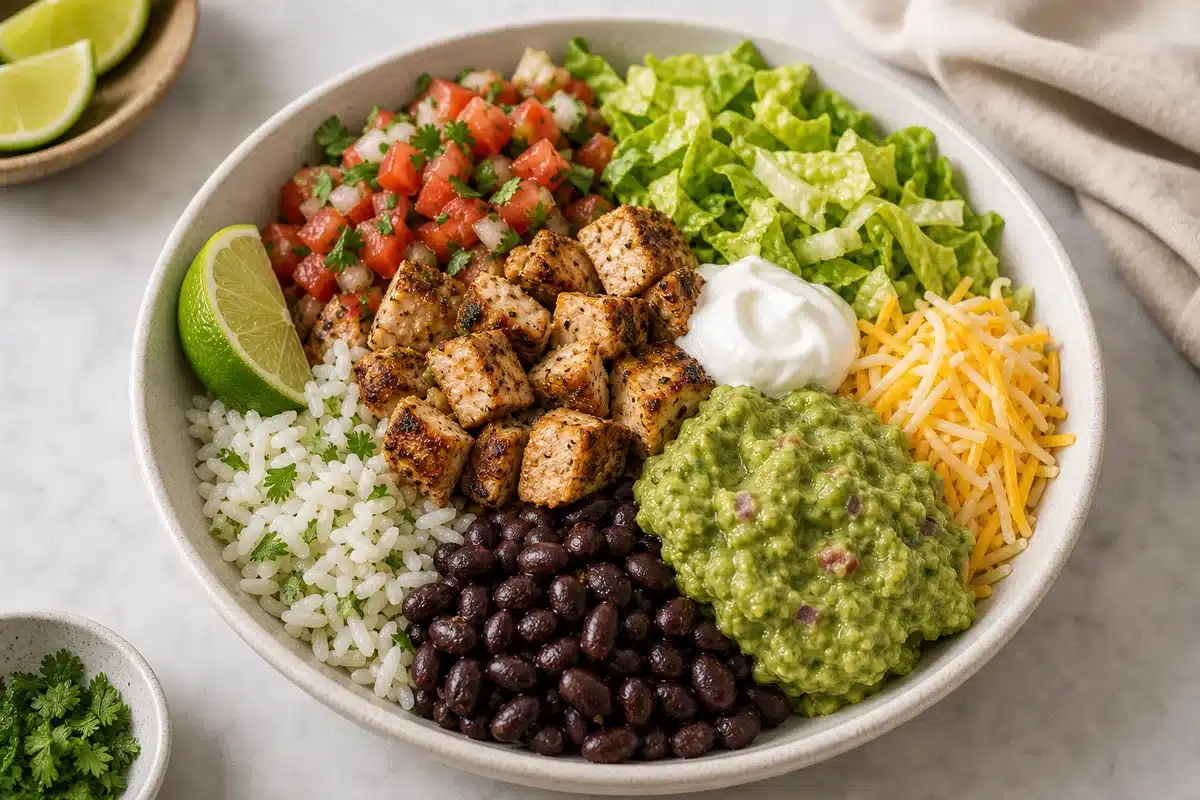
- The Power Menu Chicken Bowl is a Taco Bell fan favorite that you can now make at home with better ingredients, more chicken, and fresher toppings for a fraction of the price.
- This copycat recipe is ready in under 30 minutes and feeds the whole family — one batch yields 4 generous bowls loaded with seasoned chicken, rice, beans, and fresh toppings.
- The secret to nailing the Taco Bell flavor is the homemade seasoning blend — a specific mix of chili powder, cumin, garlic, onion powder, and smoked paprika that tastes identical to the restaurant version.
- Each bowl packs over 35 grams of protein from the chicken and black beans, making it a seriously satisfying meal for athletes, meal preppers, and anyone watching their macros.
- All components can be meal prepped in advance — cook the chicken, rice, and beans on Sunday and assemble fresh bowls in under 5 minutes all week long.
- Pair this bowl with a high-protein strawberry peach smoothie for a complete balanced meal with over 50g of protein.
Why the Power Menu Chicken Bowl Became a Fast Food Legend
Taco Bell’s Power Menu Chicken Bowl quietly became one of the most ordered items on the menu because it delivers something rare in the fast food world — a meal that feels genuinely satisfying and relatively nutritious without sacrificing bold flavor. Unlike most fast food that leaves you feeling sluggish, the Power Menu Bowl combines lean protein, complex carbohydrates, and fresh vegetables in a way that actually fuels your body for the rest of the day.
The concept is brilliantly simple: seasoned chicken over cilantro lime rice, loaded with black beans, pico de gallo, sour cream, guacamole, shredded cheese, and romaine lettuce. Every bite contains a different combination of textures and flavors — creamy guacamole against crunchy lettuce, spicy-warm chicken against cool sour cream, earthy beans melting into fragrant rice. It is fast food engineering at its finest, and it translates even better to the home kitchen.
Making the Power Menu Bowl at home gives you complete control over quality and quantity. The restaurant version uses about 2 ounces of chicken per bowl — a home version can easily double or triple that. You choose the freshness of your pico de gallo, the ripeness of your avocado, and the quality of your cheese. The result is a bowl that tastes measurably better than the drive-through version while costing roughly the same per serving.
| Feature | Homemade | Taco Bell |
|---|---|---|
| Chicken per bowl | 5-6 oz | ~2 oz |
| Protein | 38g | 26g |
| Calories | ~520 | ~470 |
| Sodium | ~680mg (adjustable) | 1,230mg |
| Guacamole | Fresh, real avocado | Processed guac |
| Pico de gallo | Fresh-made | Pre-packaged |
| Rice | Cilantro lime, fresh | Seasoned, held in warmer |
| Cost per bowl | ~$3.50 | ~$7.50 |
| Customizable | Fully | Limited |
Essential Ingredients for the Perfect Power Menu Bowl
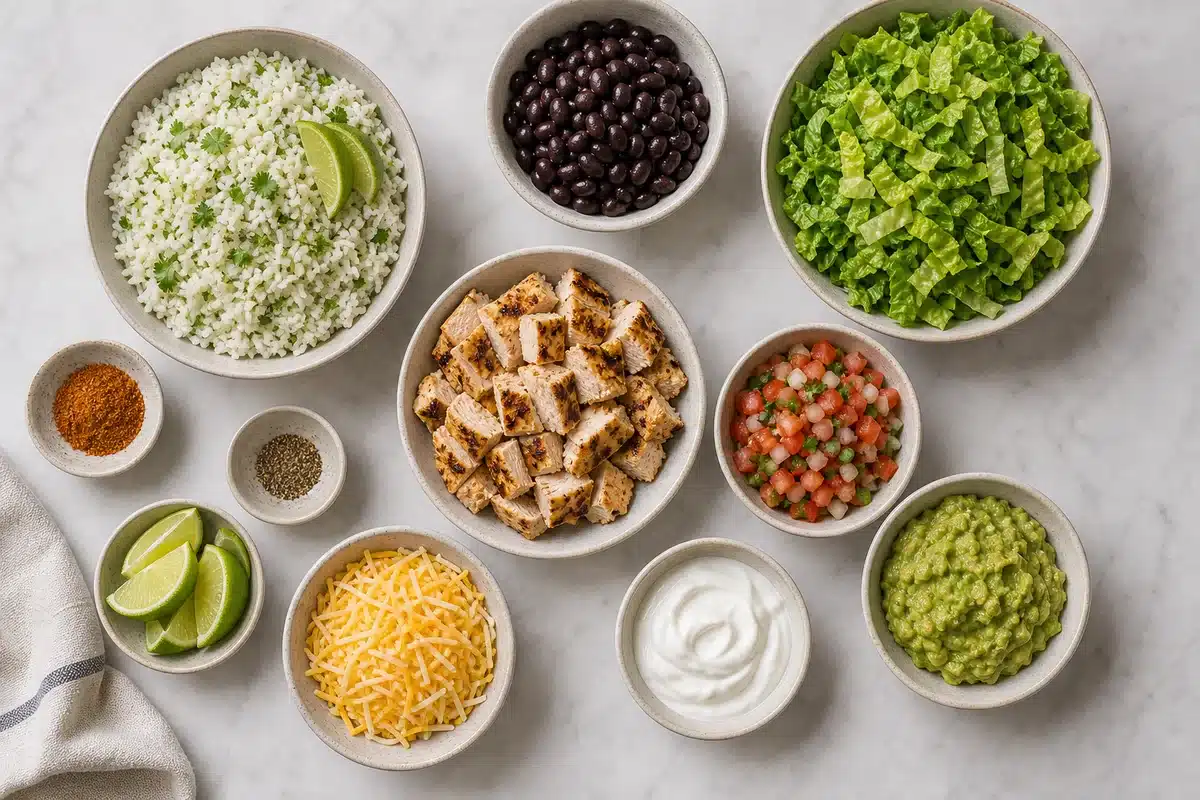
Every component in this bowl serves a purpose — the chicken provides protein and bold seasoning, the rice adds substance and absorbs all the delicious juices, the beans contribute fiber and creaminess, and the toppings layer in contrasting textures and temperatures. Understanding each element lets you customize freely while maintaining the essential character of the dish.
Boneless skinless chicken thighs are the preferred cut for this recipe. Thighs have more flavor and stay juicier than chicken breasts, especially when sliced thin and cooked over high heat. The slightly higher fat content in thighs keeps the meat tender even when reheated, making them superior for meal prep. If you prefer breast meat, pound it thin before cooking and avoid overcooking past 165°F internal temperature.
The seasoning blend is what separates a great Power Menu Bowl from a generic rice bowl. Taco Bell uses a proprietary mix, but this combination of chili powder, cumin, smoked paprika, garlic powder, onion powder, oregano, and a touch of cornstarch replicates it almost exactly. The cornstarch thickens any residual moisture into a glaze that coats each piece of chicken, preventing the seasoning from just falling off into the bowl.
| Component | Ingredients | Amount | Prep Notes |
|---|---|---|---|
| Chicken | Boneless skinless thighs | 1.5 lbs | Slice into thin strips |
| Seasoning | Chili powder | 2 tbsp | Use ancho chili for depth |
| Seasoning | Cumin | 1 tbsp | Toast whole seeds for best flavor |
| Seasoning | Smoked paprika | 1 tsp | Adds smoky warmth |
| Seasoning | Garlic powder + onion powder | 1 tsp each | Combined savory base |
| Seasoning | Dried oregano + cornstarch | 1/2 tsp each | Cornstarch creates glaze |
| Rice | Long grain white rice + lime + cilantro | 2 cups dry | Fluff with lime juice + cilantro |
| Beans | Canned black beans | 1 can (15 oz) | Drained, rinsed, warmed |
| Pico | Tomatoes, onion, jalapeno, cilantro, lime | 2 cups | Dice small, season with salt |
| Guacamole | Avocados, lime, salt, cilantro | 2 avocados | Chunky style preferred |
| Toppings | Sour cream, cheese, romaine | As desired | Shred lettuce thin |
How to Make the Power Menu Chicken Bowl Step by Step
Step 1: Prepare the Cilantro Lime Rice
Rinse 2 cups of long-grain white rice under cold water until the water runs clear — this removes excess starch and prevents gummy, sticky rice. Cook the rice according to package directions using chicken broth instead of water for deeper flavor. When the rice is done, immediately fluff with a fork and stir in the juice of 2 limes and 1/3 cup of finely chopped fresh cilantro. Season with 1/2 teaspoon salt. Cover and set aside — the rice absorbs the lime juice as it rests and becomes incredibly fragrant.
Step 2: Mix the Power Seasoning Blend
In a small bowl, combine 2 tablespoons chili powder, 1 tablespoon ground cumin, 1 teaspoon smoked paprika, 1 teaspoon garlic powder, 1 teaspoon onion powder, 1/2 teaspoon dried oregano, 1/2 teaspoon cornstarch, 1/2 teaspoon salt, and 1/4 teaspoon black pepper. This makes enough to season 1.5 pounds of chicken generously. Double the batch and store the extra in a jar — it keeps for months and is fantastic on anything from eggs to roasted vegetables.
Step 3: Season and Cook the Chicken
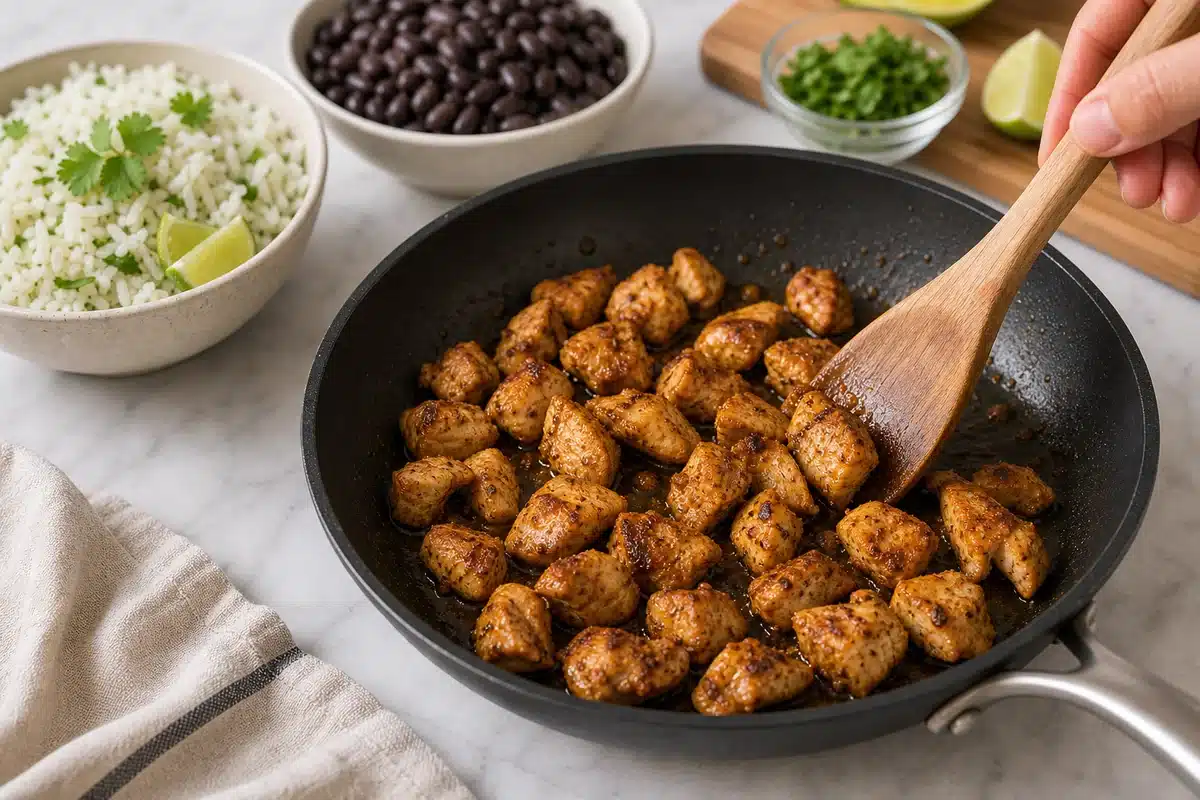
Slice 1.5 pounds of boneless skinless chicken thighs into thin strips, about 1/4 inch thick. Toss the chicken strips with the entire seasoning blend and 1 tablespoon of oil until evenly coated. Heat a large skillet or cast iron pan over medium-high heat until smoking hot. Cook the chicken in a single layer without moving for 2-3 minutes until charred on the bottom, then flip and cook 2-3 minutes more until cooked through. The high heat creates caramelized edges that add incredible depth of flavor.
Step 4: Warm the Black Beans
Drain and rinse one 15-ounce can of black beans. Heat them in a small saucepan with a splash of water, a pinch of cumin, and a squeeze of lime juice over medium heat until warmed through, about 3 minutes. Lightly mash about a quarter of the beans with a fork — this creates a creamy texture base while leaving most beans whole for texture contrast. Season with salt to taste.
Step 5: Make Fresh Pico de Gallo
Dice 3 medium Roma tomatoes, 1/4 white onion, and 1 jalapeno (seeds removed for mild, seeds included for heat). Combine with 2 tablespoons chopped cilantro and the juice of 1 lime. Season with 1/2 teaspoon salt and toss well. Let the pico sit for at least 10 minutes before serving — the salt draws out the tomato juices and creates a flavorful liquid that soaks into the rice beautifully. For a time shortcut, quality store-bought pico works fine.
Step 6: Assemble the Power Bowls
Divide the cilantro lime rice among 4 large bowls. Top each with a generous portion of black beans and sliced seasoned chicken. Add pico de gallo, a large dollop of guacamole, a drizzle of sour cream, a handful of shredded Mexican cheese blend, and a mound of thinly sliced romaine lettuce. Finish with a squeeze of fresh lime and serve immediately. The key is building layers so every forkful contains multiple flavors and textures.
What Makes This Copycat Recipe Better Than the Original?
The homemade version wins on virtually every metric except convenience. The chicken quantity alone makes the comparison almost unfair — Taco Bell uses approximately 2 ounces of chicken per bowl, while homemade easily delivers 5 to 6 ounces. That difference is immediately obvious in both satisfaction and protein content. You are getting nearly three times the chicken for roughly half the restaurant price.
Freshness is the other major advantage. Restaurant pico de gallo and guacamole sit in containers for hours, losing their brightness and texture. When you dice tomatoes and mash avocado minutes before serving, the flavor difference is dramatic. Fresh pico has a vibrant, juicy snap that packaged versions simply cannot match. The same applies to the cilantro lime rice — freshly made rice has a light, fluffy texture that held-in-warming rice lacks.
The sodium reduction alone justifies making this at home. Taco Bell’s Power Menu Bowl contains over 1,230mg of sodium — more than half the recommended daily intake in a single meal. The homemade version controls sodium at every step and typically comes in around 680mg while tasting just as bold. The flavor comes from the seasoning blend’s complexity, not from excessive salt. This makes it a great option alongside other protein-forward dishes like honey garlic chicken breast.
| Spice | Amount | Flavor Role | Heat Level |
|---|---|---|---|
| Chili powder | 2 tbsp | Base warmth + color | Mild-medium |
| Ground cumin | 1 tbsp | Earthy, smoky depth | None |
| Smoked paprika | 1 tsp | Sweet smoke + color | None |
| Garlic powder | 1 tsp | Savory backbone | None |
| Onion powder | 1 tsp | Sweet allium base | None |
| Dried oregano | 1/2 tsp | Herbal, slightly bitter | None |
| Cornstarch | 1/2 tsp | Creates glossy glaze | None |
| Salt | 1/2 tsp | Enhances all flavors | None |
| Black pepper | 1/4 tsp | Subtle heat + aroma | Mild |
How to Meal Prep Power Menu Bowls for the Week
The Power Menu Chicken Bowl is one of the best meal prep candidates in existence because every component stores well individually and the bowl assembles in under 5 minutes. The key is prepping and storing components separately — mixing everything together in advance creates soggy lettuce, mushy rice, and diluted flavors. Keep each element in its own container and build your bowl fresh at mealtime.
On prep day, cook a double batch of chicken and rice. Store the seasoned chicken strips in an airtight container — they keep 4 days in the refrigerator and reheat in 90 seconds in the microwave or 5 minutes in a skillet. The cilantro lime rice holds beautifully for 5 days. Black beans in their cooking liquid last a full week. Make a large batch of pico de gallo (lasts 3-4 days) but prepare guacamole fresh daily to prevent browning.
For grab-and-go meal prep, use divided meal prep containers with separate compartments. Place rice and beans in the largest section, chicken in the next, and pico plus cheese in the smallest. Pack sour cream and guacamole in tiny side containers. Lettuce goes in a separate bag with a paper towel to absorb moisture. This system pairs perfectly with other make-ahead proteins like slow cooker chicken shawarma for variety through the week.
How to Customize Your Power Menu Bowl
One of the greatest strengths of the bowl format is unlimited customization. The base formula — protein over seasoned grain with beans, salsa, and toppings — works with virtually any combination of ingredients. Once you master the technique, you can create dozens of variations without ever following a recipe again.
For a steak version, substitute seasoned flank steak or skirt steak sliced against the grain. Use the same seasoning blend — it works beautifully on beef. For shrimp bowls, season large peeled shrimp with the blend and cook 2 minutes per side until pink and curled. Vegetarians can use seasoned black beans as the main protein or add crumbled extra-firm tofu cooked in the seasoning blend until crispy on the edges.
Swap the rice base for crispy fried noodles for a fusion twist, or use cauliflower rice for a low-carb version that still delivers on texture and flavor absorption. Replace the black beans with pinto beans or refried beans for a different texture profile. Add corn, pickled jalapenos, pickled red onions, cotija cheese, chipotle crema, or mango salsa to take your bowl in entirely new flavor directions.
| Component | Classic | Spicy | Low-Carb | Mediterranean |
|---|---|---|---|---|
| Protein | Seasoned chicken thighs | Blackened chicken + chorizo | Grilled chicken breast | Shawarma chicken |
| Base | Cilantro lime rice | Spanish rice | Cauliflower rice | Quinoa or couscous |
| Beans | Black beans | Spicy pinto beans | Skip or small portion | Chickpeas |
| Salsa | Pico de gallo | Habanero salsa | Pico de gallo | Diced cucumbers + tomato |
| Creamy | Guacamole + sour cream | Chipotle crema | Guacamole only | Tzatziki or hummus |
| Extra | Cheese + lettuce | Pickled jalapenos + hot sauce | Extra avocado + greens | Feta + olives + pickled onion |
| Calories (est) | ~520 | ~580 | ~380 | ~490 |
Nutrition Breakdown and Macro Analysis
The Power Menu Chicken Bowl is one of the most macro-friendly meals you can make. With over 35 grams of protein, moderate healthy fats from the avocado, and complex carbohydrates from the rice and beans, it hits the nutritional sweet spot that keeps you full and energized for hours. Unlike many fast food meals that spike blood sugar then crash, the fiber from beans and the protein from chicken provide steady, sustained energy.
The black beans deserve special nutritional attention. One half-cup serving provides 8 grams of protein, 7.5 grams of fiber, and significant amounts of folate, iron, and magnesium. Combined with the chicken, the total protein per bowl exceeds what most people need at a single meal. For those actively building muscle or recovering from workouts, adding an extra scoop of beans or a larger chicken portion pushes protein over 45 grams.
For those tracking macros, this bowl is easily adjustable. Reducing rice to half a cup and adding extra lettuce drops carbs significantly while maintaining satisfaction. Using Greek yogurt instead of sour cream adds protein. Skipping cheese saves 110 calories without much flavor loss since the seasoning and pico carry the flavor. These adjustments work great when paired with a protein-packed strawberry shake for a full fitness day of eating.
| Nutrient | Amount | % Daily Value | Source |
|---|---|---|---|
| Calories | 520 | 26% | All components |
| Protein | 38g | 76% | Chicken (28g) + beans (10g) |
| Carbohydrates | 52g | 19% | Rice (40g) + beans (12g) |
| Fat | 18g | 23% | Avocado (10g) + cheese (5g) + sour cream (3g) |
| Fiber | 11g | 39% | Beans (7.5g) + vegetables (3.5g) |
| Sodium | 680mg | 30% | Seasoning + cheese + beans |
| Iron | 4.2mg | 23% | Chicken + beans + spices |
| Vitamin C | 28mg | 31% | Pico + lime juice + lettuce |
| Potassium | 820mg | 17% | Avocado + beans + tomatoes |
What Are the Best Side Dishes for Power Menu Bowls?
While the Power Menu Bowl is a complete meal on its own, adding a side dish can round out a larger dinner or serve more people with less effort. Tortilla chips with extra guacamole or queso dip are the most natural pairing — they extend the Mexican-inspired flavor profile and add satisfying crunch. A bowl of warm tortilla soup makes the meal feel more substantial for cold weather dining.
For lighter accompaniments, a simple strawberry spinach salad provides refreshing contrast to the bold, spiced bowl. The sweet-tart berries and peppery spinach cleanse the palate between bites of richly seasoned chicken. Alternatively, grilled corn on the cob brushed with lime butter and sprinkled with cotija cheese (elote-style) is the quintessential Mexican side that belongs next to any Power Bowl.
For a full Tex-Mex spread, serve the bowls family-style with all toppings in separate dishes and add cheeseburger pizza slices for an American-Mexican fusion buffet that kids love. Set out extra toppings like pickled red onions, corn and black bean salsa, hot sauces of varying heat levels, and fresh lime wedges. This create-your-own approach reduces kitchen stress and ensures everyone builds their perfect bowl.
How to Get Restaurant-Quality Flavor at Home
What Is the Secret to Perfectly Seasoned Chicken?
The secret is two-fold: coat the chicken with seasoning PLUS oil before cooking, and cook over very high heat. The oil helps the spices bloom and adhere to the meat, while the high heat caramelizes the spice coating into a deeply flavorful crust. Let the chicken rest for 3 minutes after cooking before slicing — this redistributes the juices so each strip stays moist. Cold chicken that was seasoned this way still tastes incredible, which is why it meal preps so well.
How Do You Make Cilantro Lime Rice Like a Restaurant?
Three essential techniques: cook the rice in chicken broth instead of water, add the lime juice and cilantro while the rice is still steaming hot (the heat opens the rice grains to absorb the flavors), and fluff aggressively with a fork to separate every grain. Some restaurants also add a tablespoon of butter for richness. The biggest mistake is adding cold lime juice to cold rice — the absorption is dramatically less effective.
What If You Hate Cilantro?
About 4-14% of the population has a genetic variation that makes cilantro taste like soap. If that describes you, substitute flat-leaf parsley plus a tiny pinch of ground coriander seed. This combination mimics cilantro’s fresh, slightly citrusy character without the soapy flavor. The lime juice in the rice already provides most of the brightness, so you will not miss the cilantro nearly as much as you might expect.
Can You Use a Different Protein Besides Chicken?
Absolutely. Seasoned ground beef cooked until crispy creates a Power Menu Beef Bowl. Diced pork shoulder slow-cooked in the seasoning blend makes carnitas-style bowls. For seafood, blackened shrimp or seared white fish work beautifully. Even scrambled eggs tossed with the seasoning make an excellent breakfast power bowl. The seasoning blend is the unifying element that makes any protein taste like it belongs in this bowl, much like the versatile approach in balsamic baked chicken.
How Does the Power Menu Bowl Compare to Other Fast Food Bowls?
The fast food bowl category has exploded in recent years, with virtually every chain offering some version of a protein-over-grain bowl. Chipotle’s chicken bowl is the most obvious competitor, but it typically runs $10-12 and delivers similar nutritional content. Sweetgreen and Cava offer healthier alternatives at $13-15 that emphasize vegetables but skimp on protein. The homemade Power Menu Bowl beats all of them on cost, protein quantity, and freshness.
From a nutritional standpoint, the Power Menu Bowl compares favorably to most restaurant bowls because you control the sodium and oil content. Chipotle’s chicken bowl can hit 1,500mg of sodium with standard toppings, while Sweetgreen bowls often contain more sugar than expected from their dressings. The homemade version lets you maximize protein and fiber while minimizing sodium and added fats, creating a genuinely balanced meal rather than one that just looks healthy on the menu.
Frequently Asked Questions About Power Menu Chicken Bowls
What is in a Taco Bell Power Menu Bowl?
The official Taco Bell Power Menu Chicken Bowl contains seasoned chicken, seasoned rice, black beans, pico de gallo, guacamole, sour cream, shredded lettuce, and a three-cheese blend served in a bowl. This copycat version replicates every component with fresher ingredients and significantly more chicken per serving.
How many calories are in a Power Menu Chicken Bowl?
The Taco Bell version contains approximately 470 calories. This homemade version has about 520 calories due to the larger chicken portion but delivers 38 grams of protein compared to Taco Bell’s 26 grams. Calories can be reduced to under 400 by using cauliflower rice and skipping the cheese and sour cream.
Can you make Power Menu Bowls ahead of time?
Yes, this is one of the best meal prep recipes. Cook chicken, rice, and beans on prep day and store separately. Chicken keeps 4 days, rice 5 days, beans 7 days refrigerated. Make pico fresh every 3-4 days and guacamole daily. Assemble bowls fresh at mealtime for best quality.
What rice does Taco Bell use in the Power Bowl?
Taco Bell uses a seasoned Latin rice that is similar to cilantro lime rice. This copycat uses long-grain white rice cooked in chicken broth and finished with fresh lime juice and chopped cilantro, which closely replicates the restaurant flavor with fresher, brighter results.
Is the Power Menu Bowl healthy?
It can be one of the healthiest fast food options when made at home. With 38g protein, 11g fiber, controlled sodium, and fresh vegetables, it is a genuinely balanced meal. The black beans provide exceptional fiber and plant protein, the avocado offers heart-healthy fats, and the chicken is lean protein. Customize to your dietary needs by adjusting rice portions and toppings.
What seasoning does Taco Bell use on their chicken?
Taco Bell uses a proprietary seasoning blend. This copycat version uses chili powder, cumin, smoked paprika, garlic powder, onion powder, oregano, salt, pepper, and a small amount of cornstarch to create a near-identical flavor profile. The cornstarch helps the seasoning adhere and creates a glossy coating on the chicken.
Can you freeze Power Menu Bowl components?
The cooked seasoned chicken and cilantro lime rice freeze excellently for up to 3 months. Black beans also freeze well. Package in individual portions for easy thawing. Do not freeze pico de gallo, guacamole, sour cream, lettuce, or cheese — these should always be fresh. Thaw chicken and rice overnight in the refrigerator and reheat in a skillet for best results.
How do you make the bowl spicier?
Add 1/2 teaspoon cayenne pepper to the seasoning blend for mild heat, or 1 full teaspoon for significant spice. Include jalapeno seeds in the pico de gallo, add pickled jalapenos or habanero hot sauce as toppers, or make a chipotle crema by blending sour cream with canned chipotles in adobo. Each method adds heat at a different layer of the bowl.
What can you use instead of sour cream?
Plain Greek yogurt is the best substitution — it tastes similar but adds extra protein and less fat. Cashew cream or coconut cream work for dairy-free diets. Crema Mexicana is the traditional choice and has a thinner, pourable consistency. For a flavorful upgrade, blend sour cream with chipotles in adobo, lime juice, and garlic for a chipotle crema that elevates the entire bowl.
How do you keep guacamole from turning brown?
Press plastic wrap directly onto the surface of the guacamole, eliminating all air contact. The oxidation that causes browning requires exposure to air. Alternatively, spread a thin layer of lime juice or water over the surface and pour it off before serving. The best method is making guacamole fresh — it takes under 5 minutes and tastes dramatically better than day-old guac regardless of storage tricks.