
Fried Milk (Leche Frita): Crispy Spanish Custard You Need to Try
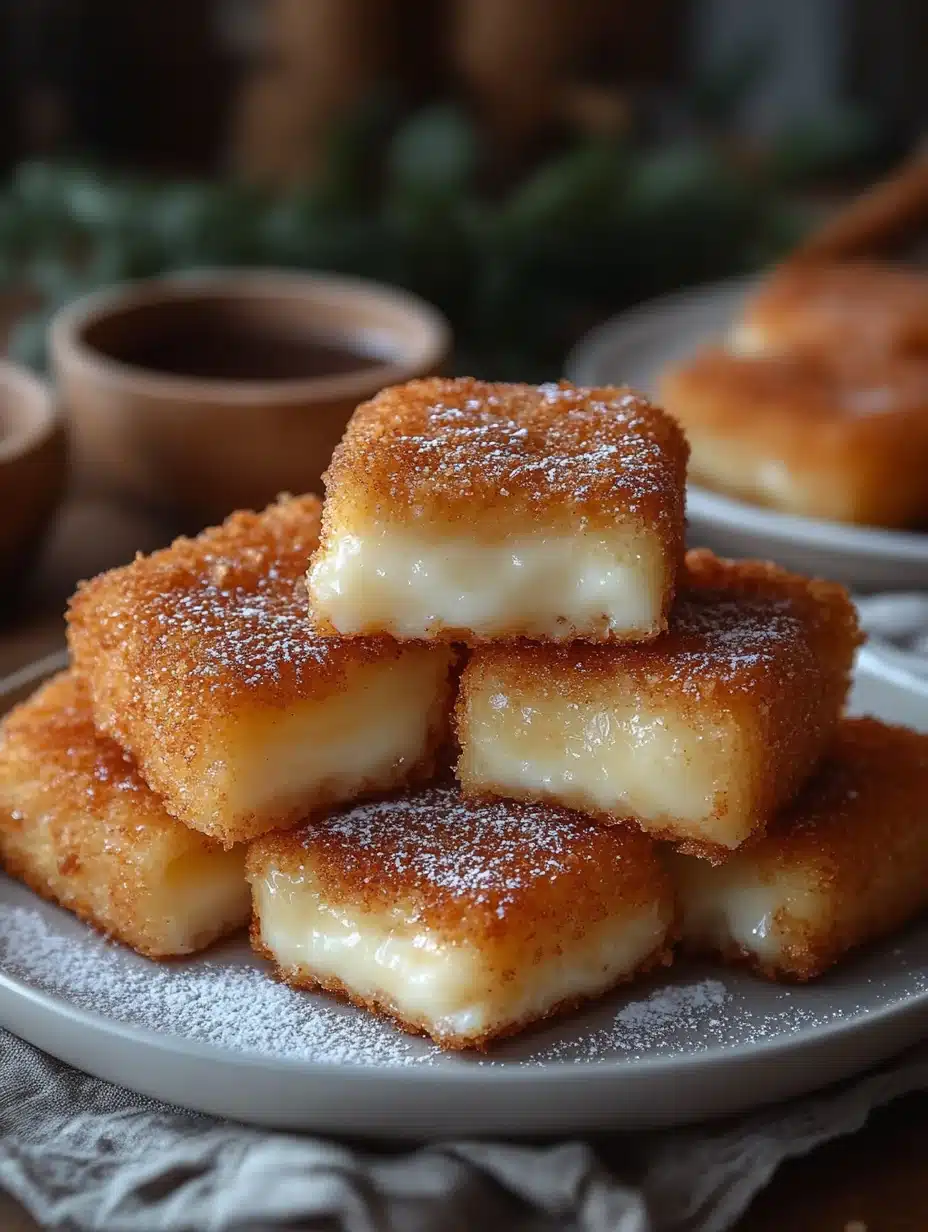
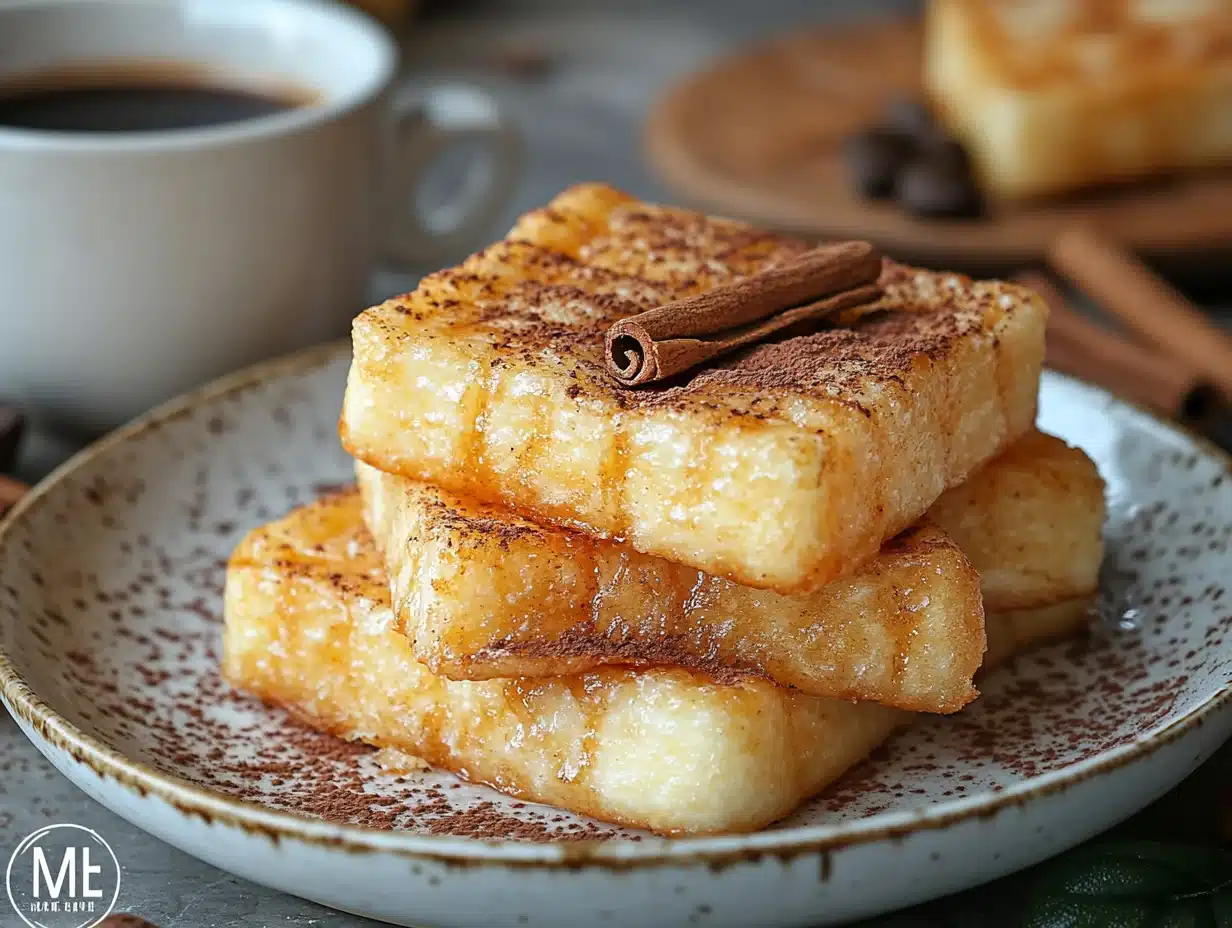
Fried milk — leche frita — is a classic Spanish dessert that sounds impossible until you taste it: silky custard set firm, coated in crispy breadcrumbs, and fried until golden. The outside shatters when you bite in, revealing a creamy, vanilla-scented custard center that’s still warm and yielding. It’s the most elegant thing you can deep-fry, and it’s shockingly simple to make.
The technique is straightforward: cook milk with sugar, cinnamon, and lemon zest into a thick custard thickened with cornstarch and flour. Pour it into a pan, refrigerate until firm enough to cut, then bread and fry. The custard sets solid enough to handle but melts again inside its crispy shell when it hits the hot oil. Dust with cinnamon sugar while still warm and serve immediately. Every region of Spain has its own version, but this one follows the Basque tradition — thicker custard, thinner coating, maximum contrast.
Key Takeaways
- Custard must chill 4+ hours: Firm custard = clean cuts and easy breading
- Stir constantly while cooking: Lumps are permanent — constant stirring prevents them
- Double-coat for crispness: Flour → egg → breadcrumbs for maximum crunch
- Fry at 350°F: Too hot burns the coating, too cool makes it greasy
- Serve immediately: Fried milk loses its crunch within 15 minutes
- Cinnamon-sugar while hot: Dust immediately so the sugar sticks
What Makes Leche Frita Special
Leche frita is one of those rare desserts where the technique creates something greater than the sum of its parts. Milk, sugar, flour, and eggs — humble ingredients transformed into something extraordinary by the contrast between crispy exterior and creamy interior. It’s popular across northern Spain, especially in the Basque Country and Navarra, where it appears on nearly every traditional restaurant menu.
The genius is in the custard: it’s thick enough to firm up when cold but thin enough to soften back into cream when fried. This dual-state behavior happens because the cornstarch and flour create a gel that’s temperature-sensitive — cold, it holds its shape; hot, it relaxes into silky custard. No other dessert achieves this texture. If you love custard desserts, our lemon bars offer a similar custard-over-crust contrast.
Fried Milk Nutrition Facts
| Nutrient | Per Piece (2) | Per Batch (16) | % Daily Value |
|---|---|---|---|
| Calories | 185 kcal | 1,480 kcal | 9% |
| Protein | 5g | 40g | 10% |
| Total Fat | 7g | 56g | 9% |
| Saturated Fat | 2.5g | 20g | 13% |
| Carbohydrates | 26g | 208g | 9% |
| Sugar | 15g | 120g | — |
| Sodium | 85mg | 680mg | 4% |
| Calcium | 120mg | 960mg | 9% |
Essential Ingredients for Fried Milk
| Ingredient | Amount | Purpose | Substitution |
|---|---|---|---|
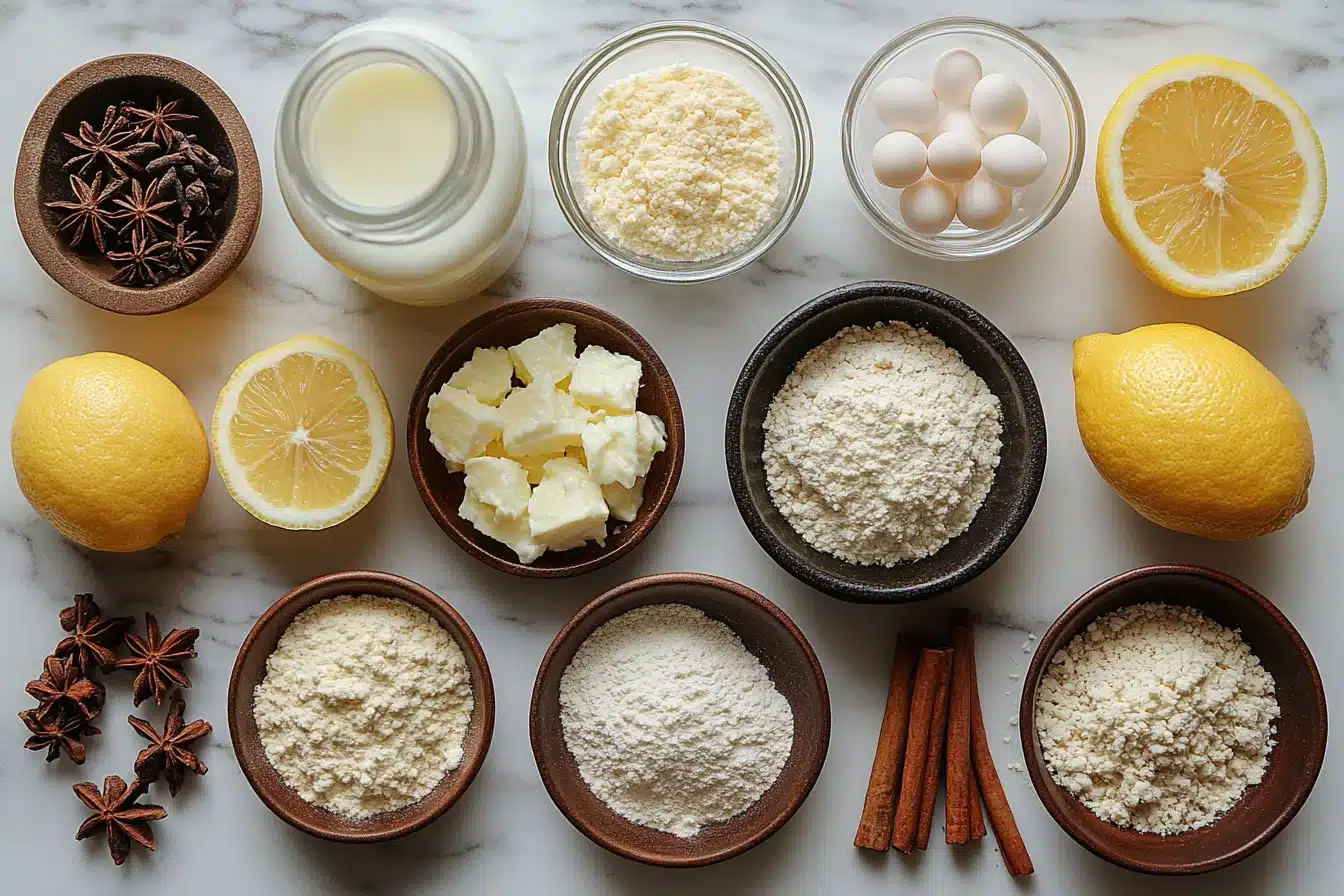
| Whole milk | 4 cups (1 liter) | Custard base | 2% works but less creamy |
| Granulated sugar | ¾ cup | Sweetness | — |
| Cornstarch | ½ cup | Primary thickener, smooth texture | — |
| All-purpose flour | ¼ cup | Secondary thickener, body | — |
| Egg yolks | 4 | Richness, set | — |
| Lemon zest | 1 lemon, peeled in strips | Citrus brightness | Orange zest |
| Cinnamon stick | 1 | Warm spice | ½ tsp ground cinnamon |
| Vanilla extract | 1 tsp | Depth of flavor | Vanilla bean (scrape seeds) |
| Butter | 1 tbsp (for pan) | Prevents sticking | — |
For Breading and Frying
| Ingredient | Amount | Purpose |
|---|---|---|
| All-purpose flour | 1 cup | First coating layer |
| Eggs, beaten | 3 | Binding layer |
| Fine breadcrumbs | 2 cups | Crispy exterior |
| Vegetable oil | For frying (2-3 inches deep) | Frying medium |
| Ground cinnamon + sugar | 2 tbsp each | Finishing dust |
Step-by-Step: How to Make Fried Milk (Leche Frita)
Step 1: Infuse the Milk (5 Minutes)
Pour milk into a saucepan. Add lemon zest strips and the cinnamon stick. Heat over medium until just simmering — do not boil. Let the aromas infuse for 5 minutes, then remove the lemon peel and cinnamon stick with tongs. This infusion step is what gives leche frita its distinctive fragrance.
Step 2: Make the Custard (10 Minutes)
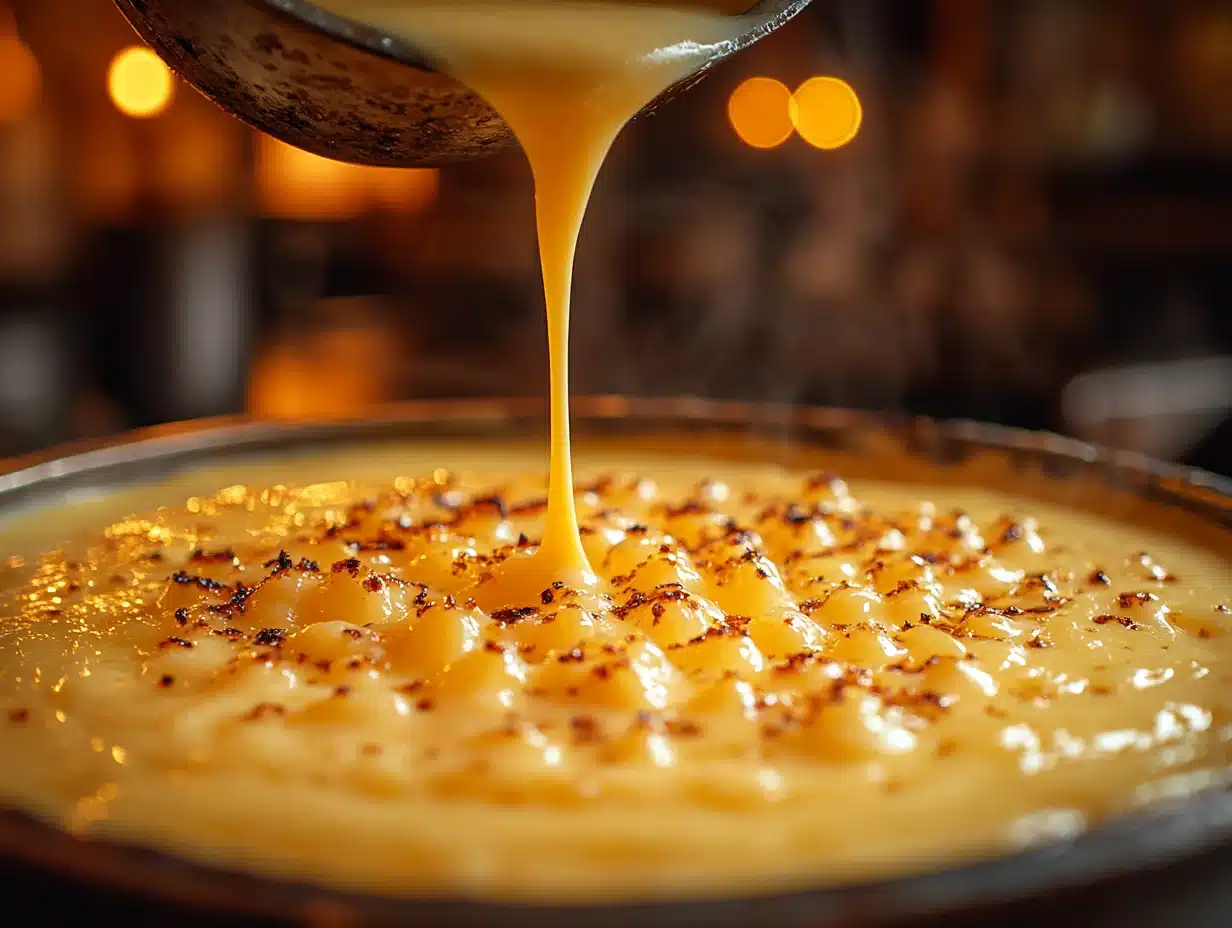
In a separate bowl, whisk cornstarch, flour, sugar, and egg yolks until smooth — this is your thickening paste. Temper the mixture by slowly pouring ½ cup of the warm milk into the egg mixture while whisking constantly. This prevents the eggs from scrambling. Then pour everything back into the saucepan with the remaining milk. Cook over medium heat, stirring constantly with a wooden spoon or whisk, until the custard thickens dramatically — about 5-7 minutes. It should be thick enough that you can see the bottom of the pan when you drag the spoon through. Stir in vanilla extract.
Step 3: Set the Custard (4+ Hours)
Butter an 8×8-inch baking dish. Pour the hot custard in and smooth the top with a spatula to about 1-inch thickness. Press plastic wrap directly onto the surface (this prevents a skin from forming). Refrigerate for a minimum of 4 hours, or overnight. The custard must be completely firm — if it jiggles, it needs more time.
Step 4: Cut and Bread (15 Minutes)
Remove the set custard from the fridge and unmold onto a cutting board. Cut into rectangles about 2×3 inches. Set up a breading station: flour in one shallow dish, beaten eggs in another, breadcrumbs in a third. Coat each piece in flour (shake off excess), dip in egg (let excess drip), then press into breadcrumbs on all sides. Handle gently — the custard is delicate. Place breaded pieces on a wire rack.
Step 5: Fry Until Golden (3 Minutes Per Batch)
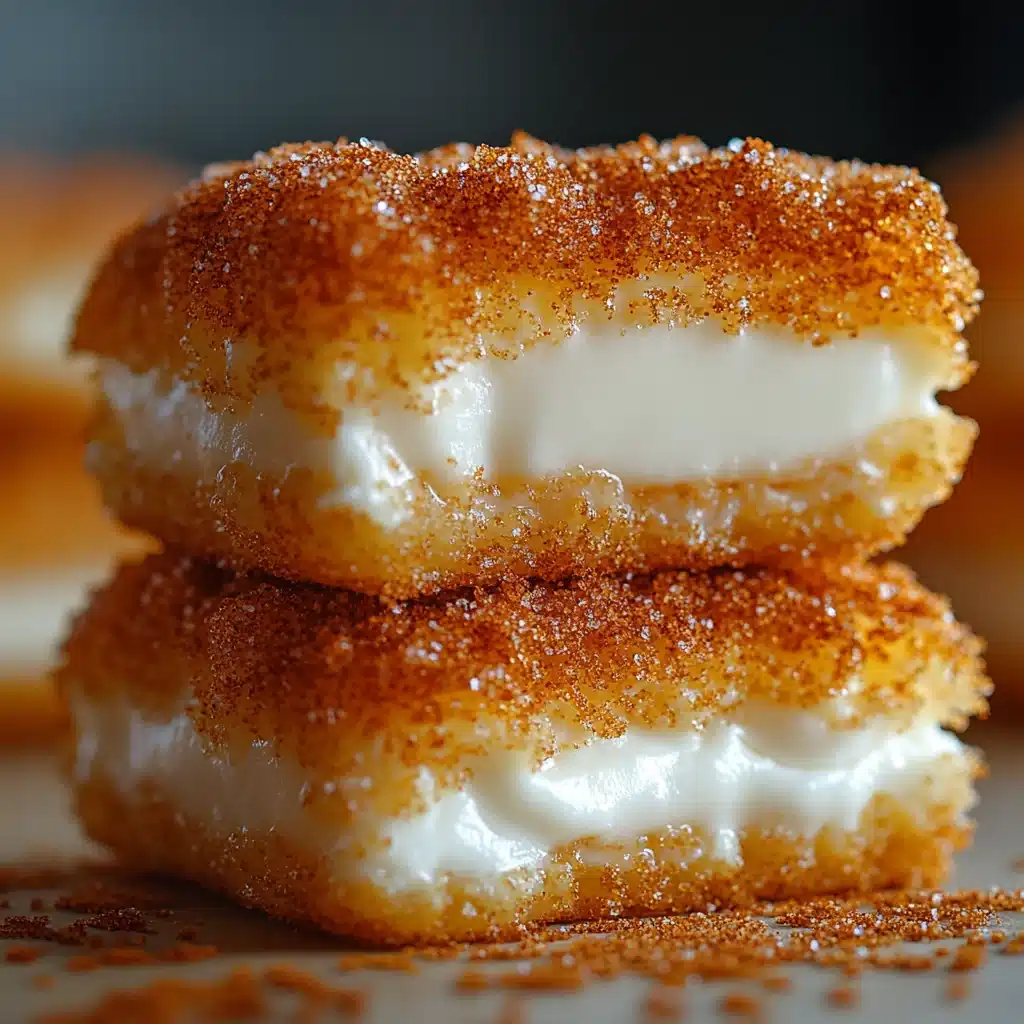
Heat oil to 350°F in a deep pan or Dutch oven — use a thermometer to maintain temperature. Fry 3-4 pieces at a time for about 90 seconds per side until deeply golden and crispy. Don’t overcrowd the pan — it drops the oil temperature and makes the coating greasy instead of crispy. Remove to a paper towel-lined plate. Immediately dust with cinnamon-sugar while still hot.
Fried Milk Oil Temperature Guide
| Temperature | Result | Appearance | Recommendation |
|---|---|---|---|
| 325°F | Greasy, soggy coating | Pale, oil-soaked | Too low — don’t use |
| 350°F (Ideal) | Crispy coating, creamy inside | Golden brown | Perfect — use this |
| 375°F | Coating browns fast, inside cold | Dark but raw center | Too hot for custard |
5 Leche Frita Variations
| Variation | Modification | Flavor Profile |
|---|---|---|
| Chocolate Fried Milk | Add 3 oz melted dark chocolate to custard | Rich, bittersweet |
| Coffee Leche Frita | Infuse milk with 2 tbsp instant coffee | Mocha, sophisticated |
| Coconut Fried Milk | Replace ½ milk with coconut milk + shredded coconut breading | Tropical |
| Orange Blossom | Add 1 tsp orange blossom water + orange zest | Floral, delicate |
| Matcha | Add 2 tsp matcha powder to custard | Earthy, Japanese-Spanish fusion |
How to Store Fried Milk
| Method | Duration | Notes | Reheating |
|---|---|---|---|
| Unfried custard (fridge) | 3 days | Keep wrapped, cut and fry when ready | Bread and fry from cold — no reheating needed |
| Fried pieces (fridge) | 1 day | Coating softens significantly | Oven 375°F for 5 min to re-crisp |
| Unfried custard (freezer) | 1 month | Cut into pieces, freeze on tray, then bag | Bread frozen, fry 1 extra minute |
Expert Tips for Perfect Fried Milk
Stir Constantly — No Exceptions
Lumps in the custard are permanent — once formed, they won’t disappear. Use a flat-bottomed whisk or wooden spoon and stir in a figure-8 pattern, making sure to scrape the corners of the pan where custard thickens first. The mixture goes from liquid to thick surprisingly fast — don’t stop stirring for even 30 seconds.
Temper the Eggs Properly
Adding cold egg mixture to hot milk causes scrambled bits. Tempering — slowly adding hot milk to the cold egg mixture while whisking — raises the temperature gradually and prevents curdling. It takes 30 extra seconds and saves the entire batch.
Don’t Rush the Chilling
Four hours is the minimum — overnight is better. If the custard isn’t completely set, it will fall apart during breading and turn into a mess in the oil. The custard should feel firm, like cold butter, when you press it. If it dents easily, give it more time.
Fried Milk (Leche Frita)
- Total Time: 4 hours 45 minutes
- Yield: 16 pieces 1x
- Diet: Vegetarian
Description
Crispy Spanish fried milk with a crunchy golden crust and silky custard center. A traditional dessert dusted with cinnamon sugar.
Ingredients
- 4 cups (1 liter) Whole milk
- ¾ cup Granulated sugar
- ½ cup Cornstarch
- ¼ cup All-purpose flour
- 4 Egg yolks
- 1 lemon, peeled in strips Lemon zest
- 1 Cinnamon stick
- 1 tsp Vanilla extract
- 1 tbsp (for pan) Butter
Instructions
- Infuse the Milk (5 Minutes) — Pour milk into a saucepan. Add lemon zest strips and the cinnamon stick. Heat over medium until just simmering — do not boil. Let the aromas infuse for 5 minutes, then remove the lemon peel and cinnamon stick with tongs. This infusion step is what gives leche frita its distinctive fragrance.
- Make the Custard (10 Minutes) — In a separate bowl, whisk cornstarch, flour, sugar, and egg yolks until smooth — this is your thickening paste. Temper the mixture by slowly pouring ½ cup of the warm milk into the egg mixture while whisking constantly. This prevents the eggs from scrambling. Then pour everything back into the saucepan with the remaining milk. Cook over medium heat, stirring constantly with a wooden spoon or whisk, until the custard thickens dramatically — about 5-7 minutes. It should be thick enough that you can see the bottom of the pan when you drag the spoon through. Stir in vanilla extract.
- Set the Custard (4+ Hours) — Butter an 8×8-inch baking dish. Pour the hot custard in and smooth the top with a spatula to about 1-inch thickness. Press plastic wrap directly onto the surface (this prevents a skin from forming). Refrigerate for a minimum of 4 hours, or overnight. The custard must be completely firm — if it jiggles, it needs more time.
- Cut and Bread (15 Minutes) — Remove the set custard from the fridge and unmold onto a cutting board. Cut into rectangles about 2×3 inches. Set up a breading station: flour in one shallow dish, beaten eggs in another, breadcrumbs in a third. Coat each piece in flour (shake off excess), dip in egg (let excess drip), then press into breadcrumbs on all sides. Handle gently — the custard is delicate. Place breaded pieces on a wire rack.
- Fry Until Golden (3 Minutes Per Batch) — Heat oil to 350°F in a deep pan or Dutch oven — use a thermometer to maintain temperature. Fry 3-4 pieces at a time for about 90 seconds per side until deeply golden and crispy. Don’t overcrowd the pan — it drops the oil temperature and makes the coating greasy instead of crispy. Remove to a paper towel-lined plate. Immediately dust with cinnamon-sugar while still hot.
- Prep Time: 15 minutes
- Cook Time: 30 minutes
- Category: Dessert
- Method: Frying
- Cuisine: Spanish
Nutrition
- Serving Size: 1 serving
- Calories: 185
- Sugar: 15g
- Sodium: 85mg
- Fat: 7g
- Saturated Fat: 2.5g
- Carbohydrates: 26g
- Protein: 5g
Frequently Asked Questions
Why is my fried milk falling apart in the oil?
Two possible causes: (1) the custard wasn’t chilled long enough — it needs at least 4 hours, (2) the breading wasn’t sealed. Make sure every surface is coated in flour, then egg, then crumbs with no gaps. The coating acts as armor that holds the soft custard together.
Can I bake fried milk instead of frying?
You can — brush breaded pieces with oil and bake at 400°F for 12-15 minutes, flipping halfway. The result is less crispy than deep-frying but still enjoyable. Spray with cooking spray before baking for extra crunch.
What oil is best for frying fried milk?
Vegetable oil, canola oil, or sunflower oil — any neutral oil with a high smoke point. Olive oil adds flavor that competes with the delicate custard. You need 2-3 inches of oil for proper deep frying.
Can I make fried milk without eggs in the custard?
The egg yolks add richness and help the custard set firmly. Without them, increase cornstarch by 2 tablespoons. The texture will be slightly less creamy but still works. You’ll still need eggs for the breading coating.
How far ahead can I prepare the custard?
The custard can be made up to 3 days ahead and kept refrigerated. Don’t bread until ready to fry — the coating absorbs moisture and gets soggy if it sits too long. Cut, bread, and fry just before serving for the crispiest results.
What can I serve with fried milk?
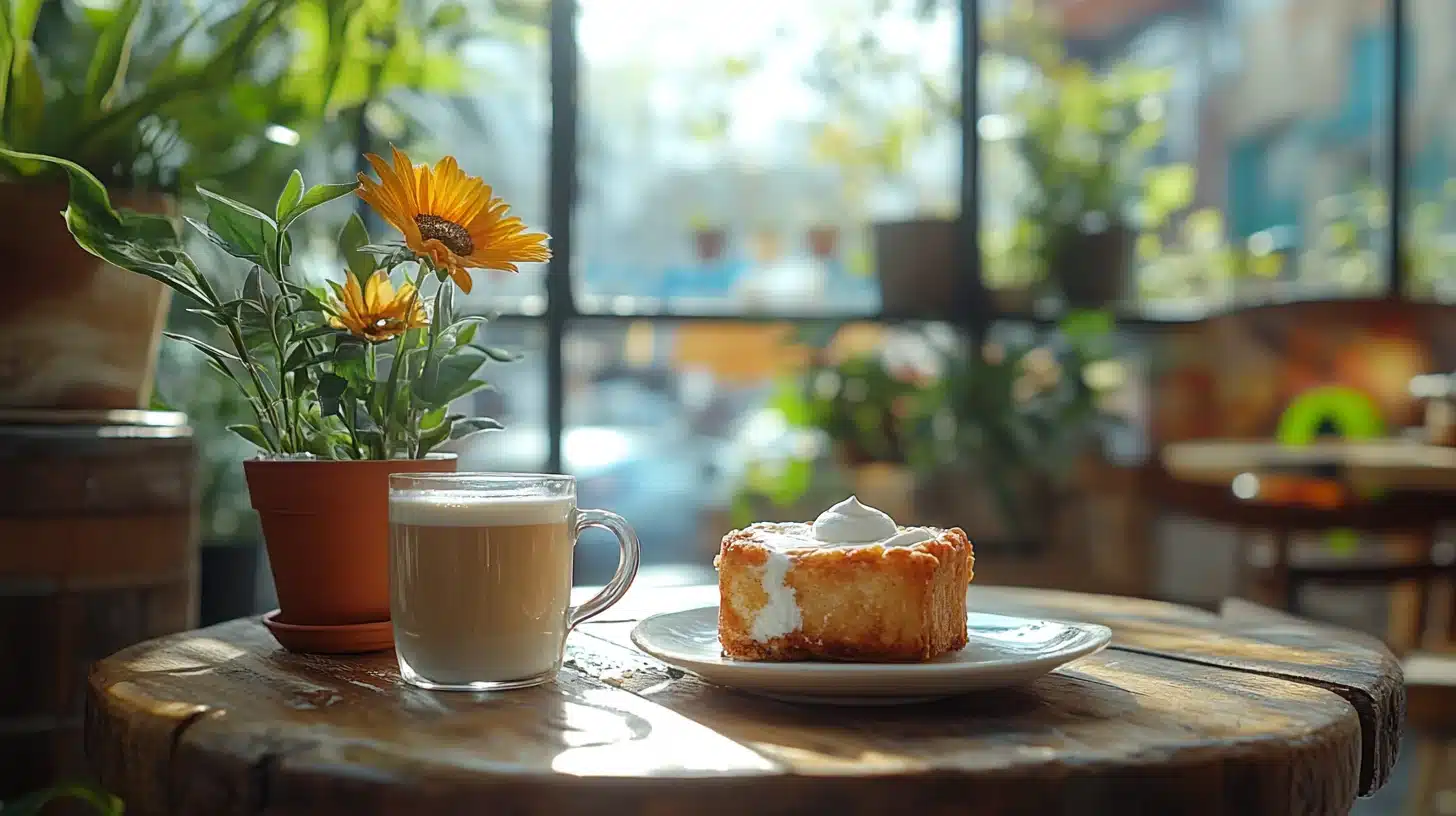
Traditionally served with just cinnamon-sugar, but you can add chocolate sauce, caramel drizzle, or fresh berries. A scoop of vanilla ice cream alongside warm fried milk creates an incredible temperature contrast. In Spain, it’s often a standalone dessert with coffee.
Recipe by Anna — Le Cordon Bleu-trained chef and recipe developer at Chef Johns Gourmet. This leche frita recipe follows the Basque tradition and has been tested across multiple batches to perfect the custard consistency and frying temperature.

Written by Chef Anna
I'm Anna - a Le Cordon Bleu-trained chef, recipe developer, and the voice behind Chef Johns Gourmet. After a decade in professional kitchens, I now spend my mornings testing recipes and my afternoons writing them down so you can make them perfectly in your own kitchen. Every one of the 1,100+ recipes on this site has been personally cooked, tasted, and refined. I write like I'm standing next to you, walking you through every step. Simple recipes. Bold flavors. Made for real kitchens.