
Key Takeaways
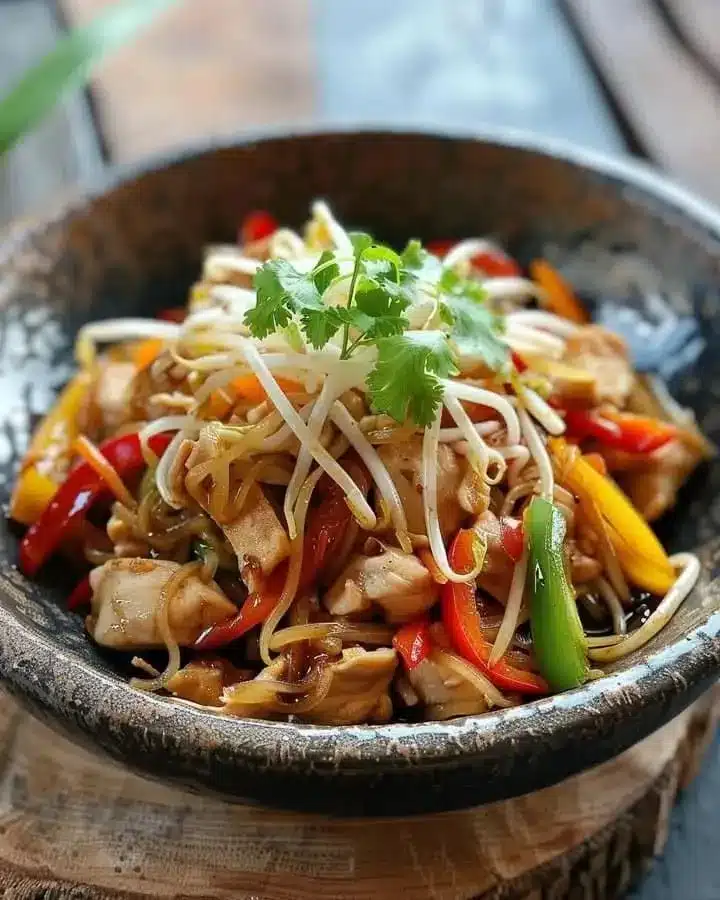
- Chinese chop suey is a quick stir-fry of crisp vegetables, tender protein, and a savory glossy sauce that comes together in just 25 minutes — faster than ordering takeout.
- Despite its name, chop suey is actually a Chinese-American invention created by Chinese immigrants in the late 1800s — it’s now a beloved comfort dish on both sides of the Pacific.
- The signature glossy sauce is built from soy sauce, oyster sauce, sesame oil, and a cornstarch slurry — the cornstarch is what creates that signature restaurant-style sheen.
- Chop suey is infinitely customizable — chicken, beef, shrimp, pork, or tofu all work beautifully with the same vegetable-and-sauce base, making it perfect for using whatever you have on hand.
- Each serving delivers 25-30 grams of protein with abundant vegetables, providing a balanced meal in a single bowl with minimal calories from added fats.
- The high-heat stir-fry technique used here is the same secret behind our Korean fried noodles — master one and you’ve mastered both.
What Is Chinese Chop Suey and Where Did It Come From?
Chinese chop suey is one of the most beloved and most misunderstood dishes in the Chinese-American culinary canon. The name comes from the Cantonese phrase “tsap seui,” meaning “miscellaneous bits and pieces” — and that perfectly describes the dish: a vibrant medley of vegetables and protein stir-fried in a glossy, savory sauce. It’s a one-pan wonder that turns whatever ingredients you have into a restaurant-quality meal in under 30 minutes.
Despite the popular myth, authentic chop suey did not originate in mainland China. Most food historians trace it to Chinese immigrants in California during the gold rush era of the late 1800s. Chinese cooks created the dish by stir-frying leftover vegetables and meat scraps in soy sauce — a practical way to feed hungry railroad workers and miners. The dish became a sensation in the early 1900s, when American diners flocked to “chop suey houses” in Chinatowns across the country. It eventually became a symbol of Chinese-American cuisine and inspired countless variations.
Today, chop suey remains a staple of Chinese-American restaurant menus and home cooking. While purists in mainland China may dismiss it as inauthentic, it’s now genuinely loved in Hong Kong, Taiwan, and across Southeast Asia — proof that cuisine is always evolving. The version we’ll make today honors both the historical American interpretation and modern Chinese cooking techniques, delivering a balanced, healthy, and incredibly satisfying meal.
| Dish | Origin Era | Key Characteristic | Sauce Style | Difficulty |
|---|---|---|---|---|
| Chop Suey | 1880s California | Mixed vegetables + protein | Light, savory, glossy | Easy (25 min) |
| Chow Mein | Early 1900s | Stir-fried noodles | Soy-based, light | Easy (25 min) |
| Lo Mein | Mid-1900s | Soft noodles tossed in sauce | Heavier, more sauce | Easy (20 min) |
| General Tso’s Chicken | 1970s NYC | Crispy fried chicken | Sweet, spicy, sticky | Medium (45 min) |
| Kung Pao Chicken | Authentic Sichuan | Diced chicken + peanuts | Spicy, numbing, savory | Medium (30 min) |
| Egg Foo Young | Late 1800s | Chinese-style omelet | Brown gravy on top | Easy (20 min) |
| Mongolian Beef | 1970s | Sliced beef + scallions | Sweet-soy, dark | Easy (25 min) |
| Beef and Broccoli | Mid-1900s | Sliced beef + broccoli florets | Brown, garlicky, glossy | Easy (25 min) |
Essential Ingredients for Authentic Chop Suey
The beauty of chop suey lies in its flexibility, but a few ingredients are essential to capture that authentic restaurant flavor. Once you understand the role of each component, you can confidently substitute based on what’s in your fridge or what’s in season.
Bean sprouts and water chestnuts are the two ingredients that define chop suey’s signature crunch. Bean sprouts add a delicate, juicy snap, while water chestnuts (sliced or whole, from a can) provide that surprising crisp pop that contrasts beautifully with softer vegetables. Most American grocery stores stock both — bean sprouts in the produce section near tofu, and water chestnuts in the Asian foods aisle. If you absolutely can’t find them, jicama makes a decent substitute for water chestnuts, and snow peas can mimic the bean sprout crunch.
Oyster sauce and soy sauce form the flavor backbone of the dish. Oyster sauce (a thick, savory-sweet sauce made from oyster extract) provides depth and umami complexity that pure soy sauce can’t match. The combination — typically 2 tablespoons of soy plus 1.5 tablespoons of oyster sauce per recipe — creates a sauce that’s salty, sweet, and intensely savory all at once. For a vegetarian version, mushroom-based “vegetarian oyster sauce” works beautifully and is widely available at Asian grocers. The same sauce magic powers our wildly popular honey garlic chicken.
| Ingredient | Amount | Role | Substitution |
|---|---|---|---|
| Chicken breast (or other protein) | 1 lb, sliced thin | Main protein | Beef, shrimp, pork, tofu |
| Bean sprouts | 2 cups | Signature crunch + freshness | Snow peas, julienned cabbage |
| Water chestnuts | 1 can (8 oz), sliced | Iconic crisp pop | Jicama or radish |
| Celery | 3 stalks, sliced diagonally | Aromatic crunch | Bok choy stems |
| Cabbage | 2 cups, sliced | Bulk + sweetness | Bok choy or napa cabbage |
| Mushrooms | 1 cup, sliced | Earthy umami depth | Shiitake or oyster mushrooms |
| Bell pepper | 1, sliced | Color, sweetness, vitamin C | Snap peas or broccoli florets |
| Onion | 1 medium, sliced | Aromatic foundation | Shallot or scallion whites |
| Garlic | 3 cloves, minced | Aromatic kick | Garlic powder (1 tsp) |
| Ginger | 1 tbsp, grated | Warm, spicy depth | Ground ginger (1/2 tsp) |
| Soy sauce | 2 tbsp | Salty, savory base | Tamari (gluten-free) |
| Oyster sauce | 1.5 tbsp | Umami complexity | Vegetarian mushroom oyster sauce |
| Sesame oil | 1 tsp | Nutty finish, aroma | Toasted sesame seeds |
| Cornstarch | 1 tbsp + 2 tbsp water | Sauce thickener, gloss | Arrowroot powder |
| Chicken broth | 1/2 cup | Sauce volume | Vegetable broth or water |
| Vegetable oil | 2 tbsp | High-heat cooking fat | Peanut or avocado oil |
How to Make Chinese Chop Suey Step by Step
Step 1: Prep All Ingredients (Mise en Place)
Stir-frying is fast — once you start cooking, there’s no time to chop. Slice all vegetables thin and uniform so they cook evenly. Cut chicken (or your chosen protein) into thin bite-sized strips against the grain for tenderness. Mince garlic and ginger. Mix the cornstarch with water in a small bowl to create the slurry. In another bowl, whisk together soy sauce, oyster sauce, sesame oil, and chicken broth. Having everything ready ensures the stir-fry comes together smoothly.
Step 2: Velvet and Cook the Protein
Toss the sliced chicken with 1 teaspoon cornstarch, 1 teaspoon soy sauce, and 1 teaspoon vegetable oil — this Chinese technique called “velveting” creates exceptionally tender chicken. Heat 1 tablespoon vegetable oil in a wok or large skillet over high heat until shimmering. Add chicken in a single layer and cook 2-3 minutes per side until golden and cooked through. Remove to a plate and keep warm. Don’t crowd the pan — cook in two batches if needed for proper browning.
Step 3: Stir-Fry the Aromatic Base
Add the second tablespoon of oil to the same skillet. Add minced garlic and grated ginger and stir-fry for 30 seconds until fragrant — be careful not to burn them. Add sliced onion and bell pepper and stir-fry for 2 minutes until they begin to soften but still have crunch. Push the aromatics to one side of the wok to make room for the next ingredients.
Step 4: Add Vegetables in Stages
Add celery, mushrooms, and cabbage and stir-fry for 3-4 minutes, tossing constantly to ensure even cooking. The vegetables should remain crisp-tender — never limp or watery. Add water chestnuts and stir-fry for 1 more minute. Finally, add bean sprouts and the cooked chicken back into the pan and toss everything together. The bean sprouts only need 30-45 seconds to warm through; cooking longer makes them lose their signature crunch.
Step 5: Build the Glossy Sauce
Pour the soy-oyster sauce mixture and chicken broth into the wok. Bring to a simmer and let it bubble for 1 minute. Stir the cornstarch slurry one more time (it settles quickly), then drizzle it into the sauce while stirring constantly. The sauce will transform from cloudy to clear and glossy within 30 seconds. Toss everything together until each piece of vegetable and protein is coated in the shiny sauce. Taste and adjust — add a splash more soy sauce for saltiness or a pinch of sugar for balance. Serve immediately over steamed rice or chow mein noodles.
Why Chop Suey Tastes So Good (The Science of Stir-Frying)
Chop suey’s signature flavor comes from a cooking technique called “wok hei” — literally translated as “breath of the wok.” This term describes the smoky, slightly charred flavor that develops when food is stir-fried at extremely high heat in a well-seasoned wok. The high temperature creates rapid Maillard reactions on the surface of proteins and vegetables, building deep, complex flavors in seconds.
The cornstarch slurry isn’t just for thickening — it transforms the sauce in three important ways. First, it creates the signature glossy sheen that defines restaurant-quality stir-fries. Second, it helps the sauce cling to ingredients rather than pooling at the bottom of the dish. Third, the cornstarch coating on the protein (from velveting) creates a thin protective barrier that locks in moisture during cooking, resulting in remarkably tender meat. This is the same technique used in nearly every Chinese restaurant.
The order of adding vegetables also matters scientifically. Aromatics (garlic, ginger) go first because their oils need brief contact with hot oil to release their flavors. Hard vegetables (carrots, celery) come next because they need longer cooking times. Soft vegetables (mushrooms, bell peppers) follow, and finally the most delicate items (bean sprouts, leafy greens) are added at the very end — they only need 30 seconds to warm through. This staggered approach ensures every vegetable reaches the perfect texture simultaneously. The same heat-control principles make our teriyaki salmon noodles so addictive.
| Nutrient | Amount | % Daily Value | Health Benefit |
|---|---|---|---|
| Calories | 295 | 15% | Light, satisfying meal |
| Protein | 28g | 56% | Muscle building, satiety |
| Carbs | 22g | 7% | Steady energy |
| Fiber | 5g | 18% | Digestive health |
| Vitamin A | 2600 IU | 52% | Vision, immune health |
| Vitamin C | 78mg | 87% | Antioxidant, collagen |
| Iron | 2.8mg | 16% | Energy, oxygen transport |
| Sodium | 820mg | 36% | Use low-sodium soy to reduce |
Best Protein Variations for Chop Suey
The base recipe works with virtually any protein, and each variation creates a slightly different flavor profile. The vegetables and sauce stay the same — only the protein and its preparation change. This versatility is what made chop suey such a popular dish for home cooks: use whatever you have on hand and end up with a delicious result every time.
Beef chop suey uses thinly sliced flank steak or sirloin, marinated in 1 tablespoon soy sauce and 1 teaspoon cornstarch for 15 minutes before stir-frying. Cook beef in two batches over very high heat for 1-2 minutes per side. The high heat creates a beautiful crust while keeping the inside tender. Beef pairs especially well with bell peppers and mushrooms for a heartier, more substantial meal.
Shrimp chop suey is the lightest and quickest variation. Use peeled and deveined large shrimp (21-25 count). They cook in just 2 minutes total — about 1 minute per side. Add shrimp at the very end of stir-frying along with the bean sprouts to prevent overcooking. Sweet, briny shrimp paired with the savory sauce creates an irresistible flavor combination similar to our sheet pan shrimp fajitas.
Tofu chop suey is the perfect vegetarian version. Use extra-firm tofu, pressed and cubed. Toss with cornstarch and pan-fry until golden and crispy on all sides before setting aside. Tofu absorbs the savory sauce beautifully while maintaining a satisfying chew. Use vegetarian oyster sauce and vegetable broth to keep the entire dish plant-based.
How to Get the Glossy Restaurant-Style Finish
Why Doesn’t My Stir-Fry Look as Glossy as Restaurant Versions?
The glossy finish comes from three things: a properly thickened cornstarch slurry, a hot wok throughout cooking, and the right ratio of sauce to ingredients. If your sauce looks cloudy or matte, you likely need more cornstarch (use 1 full tablespoon per 1/2 cup of liquid). The sauce should boil briefly after adding the slurry — this activates the cornstarch and creates the gloss.
How Do You Prevent Vegetables from Getting Soggy?
Three rules: don’t overcrowd the pan (cook in batches if needed), use the highest heat your stove can produce, and never cover the wok during stir-frying. Steam is the enemy of crisp vegetables. If you see liquid pooling at the bottom of the pan, increase the heat and toss faster to evaporate it.
What’s the Secret to Tender Meat in Chinese Stir-Fries?
The Chinese technique of “velveting” — coating raw meat in a mixture of cornstarch, soy sauce, and oil before cooking — is the absolute secret. The cornstarch creates a protective coating that locks in moisture during high-heat cooking. Marinate for at least 15 minutes (longer is better, up to 2 hours) for the most tender results.
Can You Make Chop Suey Spicier?
Absolutely. Add 1-2 dried chili peppers to the oil with the garlic and ginger for slow-building heat. Drizzle 1 teaspoon of chili oil into the finished dish for instant fire. A spoonful of chili-garlic sauce or sriracha stirred into the final sauce adds bright, fermented heat. For Sichuan-style spice, add 1/2 teaspoon of ground Sichuan peppercorns for that famous tongue-tingling numbness.
| Stove Type | Max Temperature | Wok Hei Achievable? | Tips |
|---|---|---|---|
| Commercial gas wok burner | 100,000+ BTU | Yes, perfect | What restaurants use |
| Home gas range | 12,000-18,000 BTU | Partial | Preheat wok 3-4 min, smaller batches |
| High-BTU range (outdoor) | 30,000+ BTU | Yes, achievable | Great for summer cooking |
| Electric coil | 2,000-2,500 watts | Very limited | Use cast iron, preheat longer |
| Induction | 1,800-3,700 watts | Partial | Use flat-bottom wok, max setting |
| Glass/ceramic smooth-top | 1,200-2,500 watts | Limited | Use flat-bottom pan, avoid scratching |
Common Chop Suey Mistakes and How to Fix Them
Even seasoned home cooks can stumble when making chop suey for the first time. Most mistakes come from Western cooking habits that don’t translate to high-heat Chinese stir-frying. Recognizing these pitfalls before you start the wok can dramatically improve your first attempt and every attempt after. The best chop suey is about technique and timing as much as it is about ingredients.
| Mistake | Result | Fix | Prevention |
|---|---|---|---|
| Overcrowding the wok | Vegetables steam, go soggy | Remove half, finish, combine | Cook in 2 batches if needed |
| Not preheating the wok | Food sticks, uneven cooking | Reheat, add fresh oil | Preheat 3-4 min until smoking |
| Slicing meat with the grain | Tough, chewy protein | N/A, already cooked | Always slice against the grain |
| Adding sauce too early | Vegetables drown, get mushy | Strain excess, crisp briefly | Add sauce last, thicken quickly |
| Forgetting to velvet meat | Dry, tough chicken or beef | Marinate next time | 15-min cornstarch marinade minimum |
| Using too little cornstarch slurry | Watery, non-glossy sauce | Add more slurry, boil briefly | 1 tbsp cornstarch per 1/2 cup liquid |
| Wet vegetables | Steam instead of fry, soggy | Pat dry with paper towels | Always dry washed vegetables |
| Stirring too often | No browning, pale color | Let sit 30-60 sec between tosses | Allow surface contact for Maillard |
Perfect Sides and Pairings for Chop Suey
Chop suey is a complete meal on its own, but thoughtful sides elevate it into a memorable dinner. Traditional Chinese-American meals serve chop suey alongside simple steamed rice, crispy egg rolls, and hot-and-sour soup. Modern home cooks often pair it with jasmine rice for texture contrast or crispy noodles scattered on top for crunch. A cold cucumber salad dressed with rice vinegar and sesame oil provides refreshing acidity that balances the savory sauce. For beverages, a cold jasmine tea or a light lager beer complements the flavors beautifully. Fresh orange slices make an ideal dessert — the citrus cleanses the palate after a rich meal and matches the tradition of many Chinese restaurants. If you want to turn chop suey into a full Asian-inspired feast, pair it with our Korean fried noodles for a multi-regional spread, or round out the meal with slow cooker chicken shawarma for an East-meets-West fusion night. And for dessert, nothing beats our cooling dark chocolate almond bark to finish the meal on a sweet note.
For more Asian-inspired stir-fry inspiration that uses similar high-heat techniques, check out our Korean ground beef with cucumber salad — another weeknight favorite that delivers big flavor in under 30 minutes.
Frequently Asked Questions About Chinese Chop Suey
Is chop suey actually Chinese or American?
It’s Chinese-American — created by Chinese immigrants in 1880s California using available local ingredients and Cantonese cooking techniques. While it’s not a traditional dish from mainland China, it’s now genuinely loved in Hong Kong, Taiwan, and across the Chinese diaspora.
What’s the difference between chop suey and chow mein?
Chop suey is mixed vegetables and protein in a glossy sauce, served over rice or noodles. Chow mein features stir-fried noodles as the main component, with vegetables and protein mixed in. Lo mein uses softer noodles tossed in sauce rather than stir-fried.
Can you make chop suey ahead of time?
It’s best fresh, as bean sprouts lose their crunch quickly. However, you can prep all vegetables and the sauce up to 2 days in advance and store in the refrigerator. Then stir-fry just before serving. Leftovers keep for 3 days but the texture won’t be as crisp.
What’s the best wok or pan for stir-frying?
A carbon steel wok is ideal — it heats quickly, distributes heat evenly, and develops a natural non-stick patina over time. A 14-inch wok is the home cook’s sweet spot. If you don’t have a wok, use a large cast iron or stainless steel skillet (avoid non-stick — it can’t handle the high heat needed).
How can I make chop suey gluten-free?
Use tamari instead of soy sauce, gluten-free oyster sauce (Lee Kum Kee makes one), and verify your cornstarch is certified GF (most are). All other ingredients are naturally gluten-free. Serve over rice instead of wheat noodles.
What vegetables can I add or substitute?
Almost anything works: snow peas, snap peas, broccoli florets, baby corn, bok choy, carrots, zucchini, asparagus, or napa cabbage. Hard vegetables go in early, soft vegetables go in late. Frozen mixed Asian vegetables work in a pinch — just thaw and drain first.
How do I store and reheat chop suey?
Refrigerate in airtight containers for up to 3 days. Reheat in a hot skillet or wok with a splash of water — microwave makes vegetables soggy. The sauce thickens when cold; the splash of water restores it to the right consistency.
Why is my sauce too watery?
Either the cornstarch slurry wasn’t enough, or the wok wasn’t hot enough to activate the starch. Use 1 tablespoon cornstarch per 1/2 cup liquid. Bring sauce to a boil before adding the slurry, then stir constantly. The sauce should visibly thicken within 30 seconds.
Is chop suey healthy?
Very. It’s loaded with vegetables, lean protein, and minimal added fat. At under 300 calories per serving with 28g protein and 5g fiber, it’s an excellent choice for weight management. Watch the sodium — use low-sodium soy sauce to cut sodium nearly in half.
What’s the best rice to serve with chop suey?
Steamed jasmine rice is traditional and pairs perfectly. Brown rice adds fiber and nuttiness. Cauliflower rice offers a low-carb option. The sauce is rich enough that any neutral rice works beautifully. Serve generously — the sauce-soaked rice is often the best part of the meal.

Written by Chef Anna
I'm Anna - a Le Cordon Bleu-trained chef, recipe developer, and the voice behind Chef Johns Gourmet. After a decade in professional kitchens, I now spend my mornings testing recipes and my afternoons writing them down so you can make them perfectly in your own kitchen. Every one of the 1,100+ recipes on this site has been personally cooked, tasted, and refined. I write like I'm standing next to you, walking you through every step. Simple recipes. Bold flavors. Made for real kitchens.