Key Takeaways
- Pink Himalayan salt contains 84 trace minerals that support metabolic function, hydration, and electrolyte balance during weight loss.
- Replacing regular table salt with pink salt does not directly cause weight loss but supports the body systems that make weight loss easier.
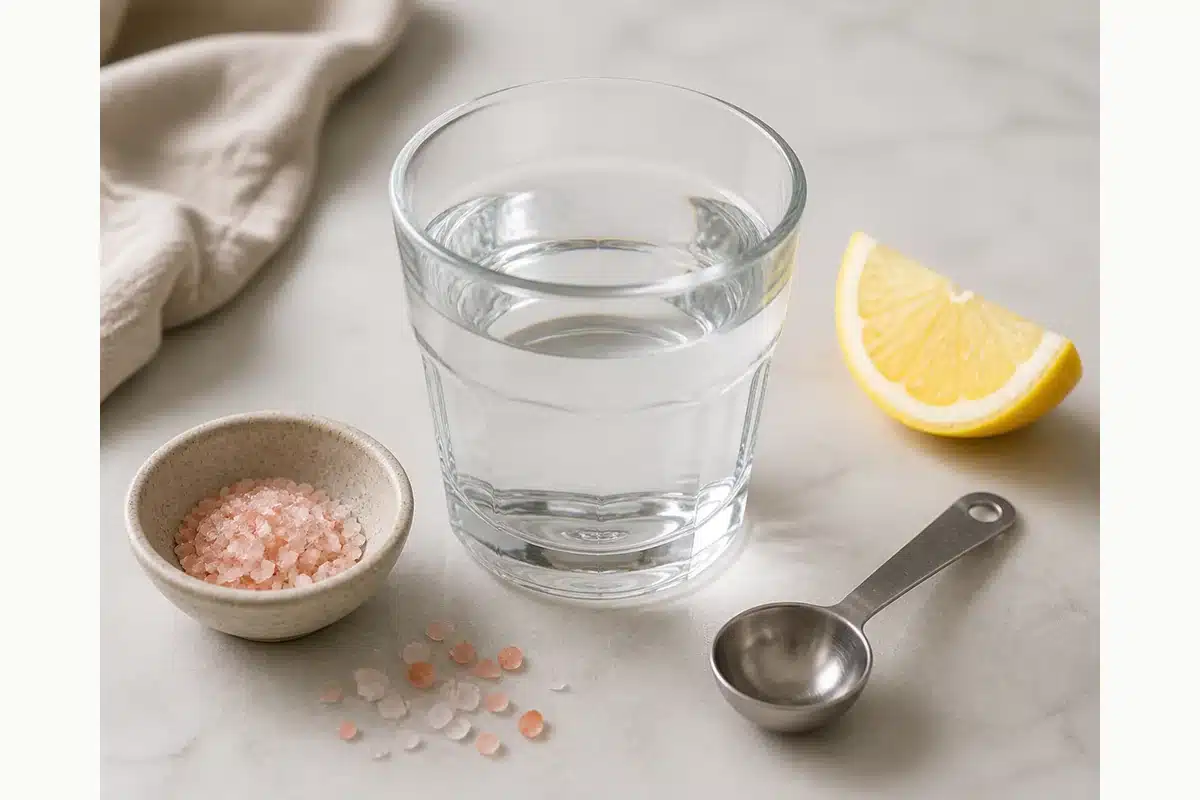
- A morning sole water drink (pink salt dissolved in water) may improve hydration, reduce water retention, and kickstart digestion.
- The mineral content in pink salt includes potassium, magnesium, calcium, and iron — all essential for active metabolisms.
- Pairing pink salt hydration with exercise and balanced nutrition is the scientifically supported path to sustainable weight loss.
- Compare the lemon vs lime approach in our lemon vs lime pink salt drink guide for optimal results.
What Is Pink Himalayan Salt and Why Is It Different?
Pink Himalayan salt is a rock salt mined from the Khewra Salt Mine in Pakistan, one of the oldest and largest salt mines in the world. Its distinctive pink color comes from trace amounts of iron oxide and other minerals that accumulated over 250 million years of geological pressure. Unlike regular table salt, which is heavily processed and stripped of minerals, pink Himalayan salt retains its natural mineral profile.
Regular table salt is 97 to 99 percent sodium chloride with added anti-caking agents and often iodine. Pink salt, while still predominantly sodium chloride (about 98 percent), contains measurable amounts of 84 different trace minerals. These include potassium (for muscle function), magnesium (for energy production and sleep), calcium (for bone health), and iron (for oxygen transport).
This mineral diversity is what sets pink salt apart in the weight loss conversation. While the mineral amounts per teaspoon are small, the cumulative effect of replacing all your table salt with pink salt over weeks and months means a consistent low-level intake of trace minerals that support metabolic processes. Think of it as upgrading a basic ingredient you use daily.
| Property | Pink Himalayan Salt | Table Salt | Sea Salt |
|---|---|---|---|
| Processing | Minimal (hand-mined) | Heavy (bleached, refined) | Moderate (evaporated) |
| Sodium per tsp | ~1680mg | ~2300mg | ~1800mg |
| Trace Minerals | 84 | 0-2 (iodine added) | 10-15 |
| Color | Pink to deep rose | Pure white | White to grey |
| Anti-Caking Agents | None | Yes | Sometimes |
| Price per oz | $0.30-0.60 | $0.05-0.10 | $0.15-0.40 |
| Iodine Content | Trace amounts | Added (FDA required) | Trace amounts |
How Does Pink Salt Support Weight Loss? The Science Explained
Pink salt does not burn fat or suppress appetite directly — no salt does. However, it supports several physiological processes that make weight loss more effective and sustainable. Understanding these mechanisms helps you set realistic expectations and use pink salt as part of a comprehensive weight loss strategy rather than a magic bullet.
Electrolyte balance: During caloric restriction, the body loses electrolytes faster through reduced food intake. The potassium, magnesium, and sodium in pink salt help maintain electrolyte balance, preventing the fatigue, muscle cramps, and brain fog that cause many people to abandon their diets.
Hydration optimization: Proper sodium-potassium balance ensures that water is distributed correctly between cells. This means less water retention (bloating) and better cellular hydration. Many people mistake water retention for body fat — optimizing mineral balance can reveal weight loss progress that was hidden by fluid retention.
Digestive support: Pink salt in warm water stimulates hydrochloric acid production in the stomach, which improves protein digestion and nutrient absorption. Better digestion means your body extracts more nutrition from less food, supporting satiety on a caloric deficit.
What Is Sole Water and How Do You Make It?
Sole (pronounced so-LAY) water is a saturated pink salt solution that has become the most popular method for using pink salt for weight loss. The concept originates from European natural medicine traditions and involves dissolving pink salt in water until the water can absorb no more salt, creating a mineral-rich concentrated solution.
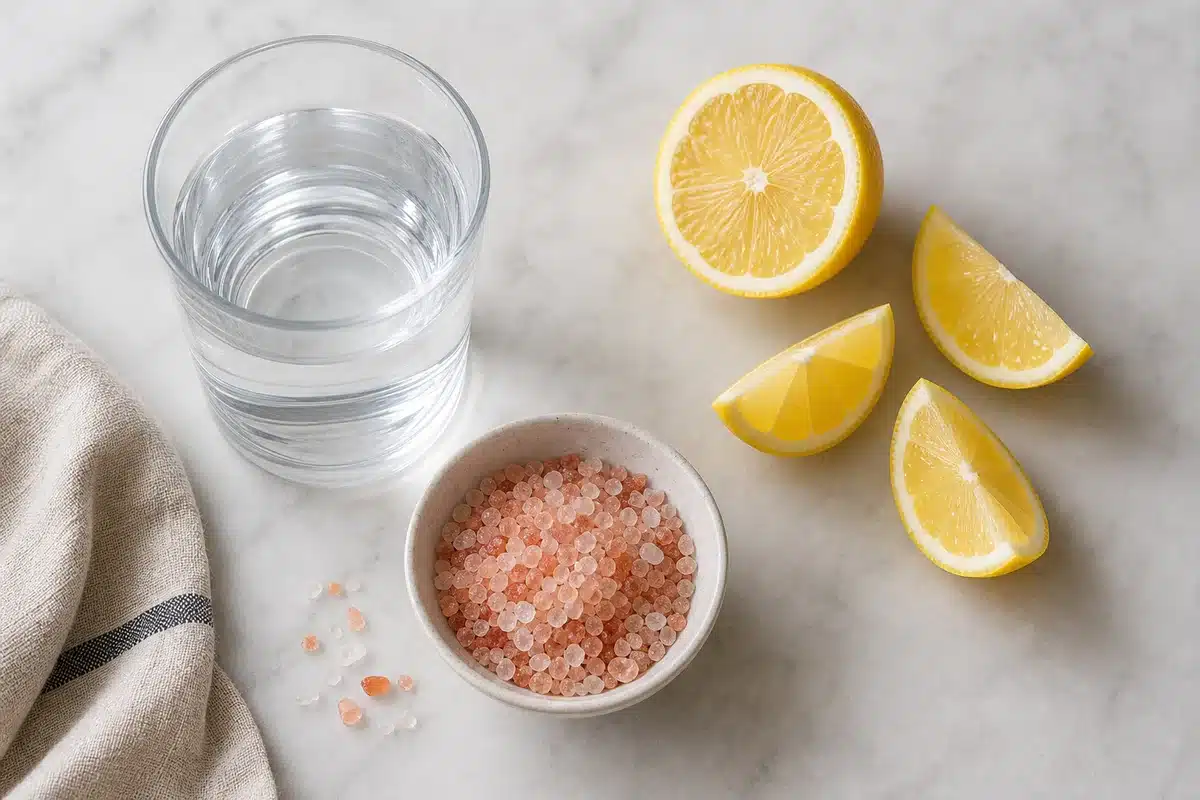
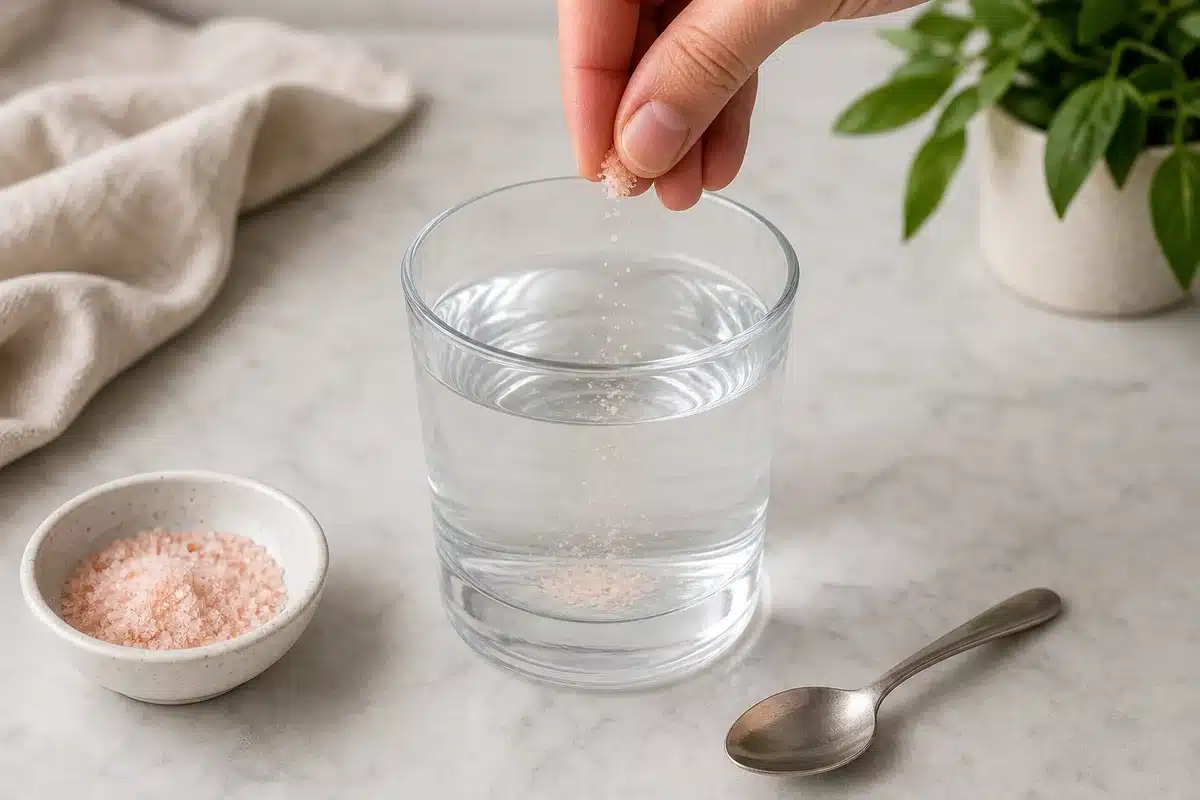
To make sole water: fill a glass jar one-quarter full with pink Himalayan salt chunks or coarse grind. Cover completely with filtered water. Seal with a non-metal lid (plastic or glass) and let sit for 24 hours. If all the salt dissolves, add more until some remains undissolved at the bottom — this means the water is fully saturated. Each morning, add 1 teaspoon of this concentrated sole to a glass of room-temperature water and drink on an empty stomach.
Advocates of sole water report improved energy, reduced bloating, better digestion, and clearer skin. While robust clinical trials specifically on sole water are limited, the individual mineral benefits are well-established in nutritional science. The key is consistency — drink sole water daily for at least 2 to 4 weeks before evaluating results.
| Step | Action | Details |
|---|---|---|
| 1 | Fill jar 1/4 with pink salt | Use chunks or coarse grind, not fine |
| 2 | Cover with filtered water | Use non-chlorinated water |
| 3 | Wait 24 hours | Salt should remain undissolved |
| 4 | Add 1 tsp to water | Room temperature water, empty stomach |
| 5 | Drink each morning | 30 minutes before breakfast |
| 6 | Continue 2-4 weeks | Evaluate energy, bloating, digestion |
How Much Pink Salt Should You Consume Daily for Weight Loss?
The American Heart Association recommends no more than 2,300mg of sodium per day, with an ideal limit of 1,500mg for most adults. This applies regardless of whether you use pink salt or table salt — both are primarily sodium chloride. One teaspoon of pink Himalayan salt contains approximately 1,680mg of sodium.
For weight loss purposes, consuming 1/4 to 1/2 teaspoon of pink salt dissolved in water (sole water) in the morning provides enough trace minerals to support hydration and digestion without exceeding recommended sodium limits when combined with normal dietary salt intake. Monitor your total daily sodium from all sources including processed foods, restaurant meals, and added salt.
People with high blood pressure, kidney disease, or heart conditions should consult their healthcare provider before adding extra salt to their diet, even pink salt. While the mineral profile is marginally better than table salt, the sodium content is nearly identical and excessive sodium can worsen these conditions. Balanced hydration with lemon mint cucumber water complements your pink salt routine perfectly.
Does Pink Salt Reduce Water Retention and Bloating?
Paradoxically, consuming the right amount of mineral-rich salt can actually reduce water retention. The body holds excess water when mineral balance is disrupted — particularly the sodium-to-potassium ratio. Pink salt’s natural potassium content helps normalize this ratio, signaling the kidneys to release excess fluid.
Many people on low-salt diets experience worse bloating because their sodium levels drop too low, triggering aldosterone — a hormone that causes the body to retain every available sodium molecule along with water. Moderate pink salt intake keeps sodium at optimal levels, preventing this hormonal water-retention response.
For best anti-bloating results, combine pink salt sole water with adequate plain water intake (8-10 glasses daily), regular exercise that promotes lymphatic drainage, and potassium-rich foods like bananas, avocados, and sweet potatoes. The combination addresses water retention from multiple angles for the most noticeable results.
| Cause | Mechanism | Pink Salt Solution | Additional Fix |
|---|---|---|---|
| Low sodium | Aldosterone surge | Sole water normalizes levels | Moderate salt intake |
| Low potassium | Sodium-potassium imbalance | Pink salt provides K+ | Eat bananas, avocados |
| Dehydration | Body hoards water | Minerals improve absorption | Drink 8-10 glasses/day |
| High processed salt | Excess refined sodium | Replace with pink salt | Reduce processed foods |
| Sedentary lifestyle | Poor lymphatic flow | Hydration support | Daily movement |
| Hormonal (menstrual) | Estrogen fluctuation | Magnesium in pink salt | Magnesium-rich foods |
Pink Salt Bath for Weight Loss — Does It Actually Work?
Pink salt baths are frequently promoted for weight loss, and while they won’t melt fat, they do offer legitimate benefits that support a weight loss lifestyle. Soaking in warm pink salt water allows trace minerals to be absorbed through the skin — a process called transdermal absorption. Magnesium, in particular, is well-absorbed through skin and helps with muscle recovery, sleep quality, and stress reduction.
Better sleep directly impacts weight loss. Poor sleep increases ghrelin (hunger hormone) and decreases leptin (satiety hormone), leading to increased caloric intake. By improving sleep quality through magnesium absorption and relaxation, pink salt baths indirectly support weight management goals.
For a weight-loss-supporting bath, dissolve 1 to 2 cups of pink Himalayan salt in warm (not hot) bathwater. Soak for 20 to 30 minutes. Add a few drops of lavender essential oil for enhanced relaxation. Follow with hydration — drink a full glass of water after bathing since the warm water and salt draw moisture from the body. Many people find that a weekly pink salt bath ritual helps them maintain the stress resilience needed for consistent healthy eating.
What Do Nutrition Experts Actually Say About Pink Salt?
Registered dietitians and nutrition scientists maintain a balanced perspective on pink salt. Most agree that it is a marginally healthier choice than refined table salt due to its mineral content and lack of processing additives. However, they caution against viewing it as a weight loss supplement or miracle ingredient.
Dr. Sarah Ballantyne, medical biophysicist and author of The Paleo Approach, states that mineral-rich salts like Himalayan pink salt can support optimal hydration more effectively than processed salt, which is beneficial during dietary changes. Sports nutritionists often recommend pink salt for athletes and active individuals because the trace minerals support electrolyte recovery after exercise.
The consensus is clear: pink salt is a healthier salt choice, not a weight loss product. Its benefits are real but modest, and they work best as part of a comprehensive approach that includes caloric management, regular exercise, adequate sleep, and stress management. Consider pairing your pink salt routine with high-protein recipes like our high protein taco bowls for a nutrition-focused weight loss approach.
How to Choose Authentic Pink Himalayan Salt
With the popularity of pink salt surging, counterfeit and low-quality products have flooded the market. Authentic Himalayan pink salt should have an uneven, natural pink color that ranges from light rose to deep salmon. Uniform, bright pink coloring may indicate artificial dyes. The salt should come from the Khewra region of Pakistan — this is the only true source of Himalayan pink salt.
Look for certifications and third-party testing on the label. Reputable brands test for heavy metals (particularly lead and mercury) which can occur naturally in rock salt deposits. Food-grade pink salt should contain less than 0.1 ppm of lead. Buy from established brands with transparent sourcing information rather than generic bulk bins.
For cooking and sole water, use fine or coarse grind pink salt. For salt baths, use coarse chunks which dissolve slowly and are more economical. Pink salt blocks (thick slabs) are trendy for cooking but are not necessary for weight loss applications. Store pink salt in a cool, dry place in a non-metal container to preserve its mineral content.
Pink Salt vs Celtic Grey Salt for Weight Loss
Celtic grey salt (sel gris) is another mineral-rich alternative to table salt that frequently comes up in weight loss discussions. Harvested from coastal France, Celtic salt gets its grey color from the clay-lined salt ponds where it is evaporated. It is slightly moister than pink salt and has a different mineral profile with higher magnesium and lower iron content.
Both salts are significantly better choices than refined table salt. For weight loss specifically, the differences between them are minimal. Pink salt has a slightly lower sodium content per teaspoon (1,680mg vs 1,800mg) making it marginally more weight-loss-friendly for those monitoring sodium closely. Celtic salt’s higher magnesium may provide slightly better sleep benefits.
How Athletes and Fitness Professionals Use Pink Salt
Pink Himalayan salt has gained serious traction in the sports nutrition world, moving well beyond health food store shelves into professional athlete performance protocols. Endurance athletes — marathoners, triathletes, ultra-runners — are particularly enthusiastic adopters because their significant sweat losses deplete sodium, potassium, and magnesium simultaneously. A pinch of pink salt in their water bottle provides all three minerals in a natural, highly bioavailable form.
CrossFit athletes and bodybuilders use pink salt strategically around workouts. Pre-workout, a small amount (1/8 teaspoon) in water 30 minutes before training increases blood volume and improves nutrient delivery to working muscles. This “salt loading” technique is a well-established practice in sports science — it is the same principle behind sodium bicarbonate supplementation used by Olympic athletes, just in a more natural, mineral-rich form.
Post-workout recovery is where pink salt truly shines for athletes. Combining 1/4 teaspoon of pink salt with lemon juice and honey in water creates a recovery drink that addresses three post-exercise needs simultaneously: electrolyte replacement (sodium, potassium, magnesium), glycogen replenishment (honey), and antioxidant support (vitamin C from lemon). Many athletes report that this protocol reduces next-day soreness and speeds recovery between training sessions. Pair your pink salt recovery drink with a high protein taco bowl for a complete post-workout nutrition strategy.
| Phase | Timing | Pink Salt Amount | Mixed With | Purpose |
|---|---|---|---|---|
| Pre-Workout | 30 min before | 1/8 tsp | 8 oz water | Blood volume, nutrient delivery |
| Intra-Workout | Every 30 min | Pinch | Sports bottle | Electrolyte maintenance |
| Post-Workout | Within 30 min | 1/4 tsp | Lemon + honey water | Recovery, glycogen, minerals |
| Rest Day | Morning | 1 tsp sole water | Room temp water | Baseline mineral intake |
| Competition Day | 2 hours before | 1/4 tsp | Water + banana | Sodium loading, cramp prevention |
The Truth About Pink Salt Mineral Content — Lab Analysis
Independent laboratory analyses of pink Himalayan salt consistently identify 84 trace minerals, though the concentrations of most are extremely small. The four most abundant minerals after sodium and chloride are sulfur, calcium, potassium, and magnesium. These four represent the majority of the mineral benefit, with the remaining 78+ trace minerals present in parts per million.
Skeptics correctly point out that you would need to consume unrealistic amounts of pink salt to get meaningful doses of most trace minerals through salt alone. For example, getting the recommended daily amount of iron (18mg) from pink salt would require consuming approximately 3.5 pounds — clearly absurd and dangerous. The value of pink salt minerals is supplementary, not primary — they complement your dietary mineral intake, not replace it.
However, what makes pink salt worthwhile is the cumulative effect of small daily mineral contributions across multiple minerals simultaneously. If you consume 1/4 teaspoon daily (adding about 500mg of sodium), you are also getting measurable amounts of calcium, potassium, magnesium, iron, zinc, and selenium. Over months, these microcontributions add up, especially for people on restricted diets who may be marginally deficient in several minerals. Combined with mineral-rich foods like our lemon mint cucumber water and nutrient-dense meals, pink salt becomes one component of a comprehensive mineral strategy.
The psychological benefit should not be discounted either. Using pink salt as part of a conscious wellness routine creates a daily touchpoint that reinforces health-focused decision-making. People who begin their day with an intentional health practice (like sole water) are statistically more likely to make better food choices and exercise consistently throughout the day. The salt itself is healthful; the habit it creates may be even more valuable. For a complete approach to mindful nutrition, explore our healthy taco bowls for balanced, whole-food meals.
| Mineral | Amount (mg) | % Daily Value | Function |
|---|---|---|---|
| Sodium | 420 | 18% | Fluid balance, nerve function |
| Chloride | 650 | 28% | Digestion (HCl production) |
| Calcium | 1.6 | 0.1% | Bone health |
| Potassium | 2.8 | 0.1% | Muscle function |
| Magnesium | 1.1 | 0.3% | Energy, sleep, 300+ enzymes |
| Iron | 0.04 | 0.2% | Oxygen transport (color source) |
| Zinc | 0.01 | 0.1% | Immune function |
| Sulfur | 12.4 | — | Joint health, detox pathways |
Common Myths About Pink Salt Debunked
The popularity of pink Himalayan salt has unfortunately spawned numerous exaggerated claims that need to be addressed. The myth that pink salt “detoxifies” the body at a cellular level is not supported by scientific evidence. Your liver and kidneys handle detoxification — no salt, regardless of mineral content, can replace or significantly enhance their function. What pink salt does provide is better hydration support, which helps these organs function optimally.
Another common myth is that pink salt is “low sodium” compared to table salt. In reality, both contain 95-98 percent sodium chloride. Pink salt has marginally less sodium per teaspoon (1,680mg vs 2,300mg) simply because its larger crystal structure means fewer crystals fit in a teaspoon. Gram for gram, the sodium content is virtually identical. People monitoring sodium for health reasons should measure pink salt just as carefully as table salt.
The claim that pink salt contains “84 essential minerals” is misleading. While 84 minerals have been detected in lab analyses, most are present in trace amounts so small they are nutritionally insignificant individually. The benefit lies in the cumulative effect of replacing all your salt with a minimally processed, mineral-containing alternative over months and years — not in any single mineral providing a therapeutic dose. Stick with science-based expectations and you will appreciate what pink salt genuinely offers. Match your pink salt routine with nutritious recipes like strawberry spinach salad, cottage cheese pancakes, and carrot cake for a well-rounded approach to healthy eating.
Frequently Asked Questions About Pink Salt and Weight Loss
Does pink salt speed up your metabolism?
Pink salt does not directly speed up metabolism. However, the trace minerals — particularly magnesium and iron — support metabolic enzyme function. Magnesium alone is involved in over 300 enzymatic reactions including energy production. By ensuring adequate mineral intake, you prevent deficiency-related metabolic slowdowns that affect many dieters who restrict food intake.
Can you drink pink salt water every day?
Yes, 1 teaspoon of sole water in a glass of plain water daily is the standard recommendation. Monitor your total daily sodium intake from all sources and stay within the 1,500-2,300mg recommended range. If you experience headaches, excessive thirst, or swelling, reduce the amount. People with hypertension should consult a doctor before starting.
How long does it take to see weight loss results from pink salt water?
Most people notice reduced bloating within 3 to 7 days as water retention normalizes. Actual fat loss requires a caloric deficit and cannot be attributed to salt alone. Expect the mineral-support benefits (better energy, improved digestion, reduced cravings) to become noticeable within 2 to 4 weeks of consistent daily sole water consumption.
Is pink salt better than regular salt for cooking?
For health, pink salt is marginally better due to trace minerals and absence of anti-caking agents. For cooking applications, the flavor difference is subtle — pink salt has a slightly less sharp, more rounded saltiness. Most chefs prefer finishing with pink salt rather than cooking with it, as the delicate mineral flavors are lost at high temperatures.
Does pink salt help with muscle cramps during exercise?
Yes. Muscle cramps during exercise are often caused by electrolyte imbalances, particularly low sodium, potassium, and magnesium. Adding a pinch of pink salt to your pre-workout water provides all three minerals. Athletes who use pink salt consistently report fewer cramping episodes during prolonged exercise. For a structured pink salt drink, see our lemon vs lime pink salt drink comparison.
Can too much pink salt cause weight gain?
Excessive sodium from any source — including pink salt — causes temporary water weight gain through fluid retention. This is not fat gain and resolves once sodium levels normalize. However, consistently consuming too much salt increases blood pressure and stresses the cardiovascular system. Moderation is essential: 1/4 to 1/2 teaspoon of sole water daily plus normal cooking salt is sufficient.
What is the best time of day to drink pink salt water?
First thing in the morning on an empty stomach is the most recommended timing. This allows the minerals to be absorbed efficiently without competition from food. The hydrochloric acid stimulation also preps your digestive system for breakfast. Some people also add a pinch to their afternoon water if they experience a post-lunch energy slump.
Does pink salt expire or go bad?
No. Pink Himalayan salt is 250 million years old and does not expire. It has an indefinite shelf life when stored in a cool, dry place. The minerals do not degrade over time. However, if moisture gets into your salt container, it may clump or dissolve slightly. This does not affect quality — simply break up the clumps and continue using normally.
Is pink Himalayan salt safe during pregnancy?
Pink salt is safe during pregnancy in normal culinary amounts. Some midwives even recommend sole water for morning sickness and electrolyte balance during pregnancy. However, pregnant women should be especially mindful of total sodium intake since excessive sodium can worsen pregnancy-related swelling and hypertension. Always consult your OB-GYN before making dietary changes during pregnancy.
Where does pink Himalayan salt actually come from?
All authentic pink Himalayan salt comes from the Khewra Salt Mine in the Punjab region of Pakistan, located about 190 miles from the actual Himalayan mountain range. The salt deposits formed approximately 250 million years ago when an ancient sea evaporated, leaving behind massive salt beds that were eventually covered by geological formations. The mine produces about 350,000 tons of salt annually, only a fraction of which is food-grade pink salt.