Key Takeaways
- 3 Ingredients Only: All-purpose flour, salt, and hot water. Nothing else.
- 30-Minute Rest Is Non-Negotiable: The dough must relax for the gluten to soften — skip this and the dough springs back and tears.
- Roll Paper-Thin: Each wrapper should be thin enough to see your hand through it — about 1 mm thick.
- Makes 48 Wrappers: One batch of dough yields enough for a full dinner of wontons, dumplings, or potstickers.
- Freezes for 3 Months: Stack between parchment paper, seal in a zip-top bag, freeze flat. Thaw 15 minutes before using.
- Better Than Store-Bought: Homemade wrappers are thinner, more tender, and seal better than any packaged brand.
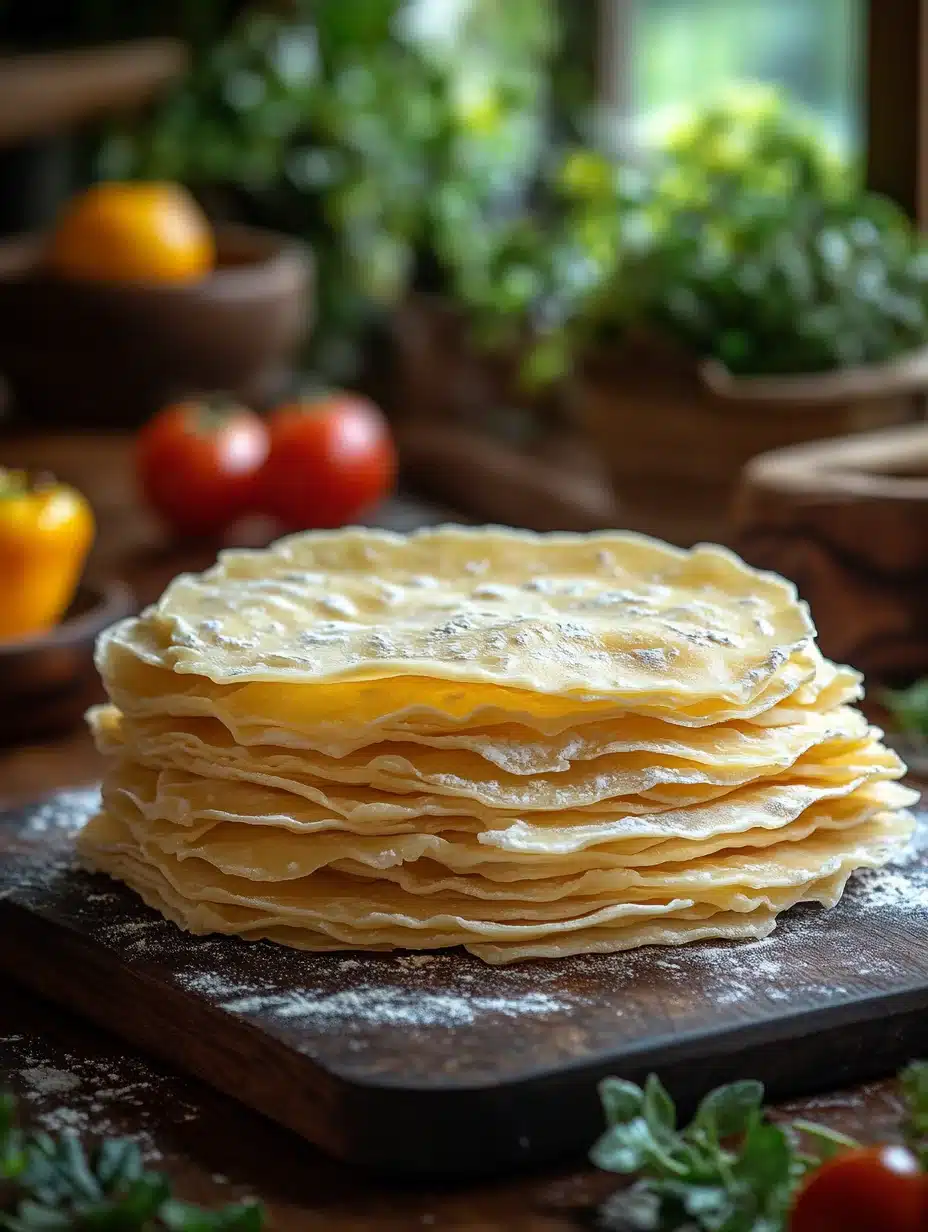
Homemade wonton wrappers are one of the simplest doughs in all of cooking — three ingredients, no special equipment, and 30 minutes of hands-on time. The result is a thin, silky wrapper that is dramatically better than anything you can buy at the grocery store. Store-bought wrappers are thick, stiff, and crack when you fold them. Homemade wrappers are pliable, tender, and seal perfectly every time.
This guide covers the complete process from mixing dough to cutting perfect squares, plus every folding technique, filling idea, and cooking method. Whether you are making classic pork wontons, crispy fried rangoons, or pan-fried potstickers, these wrappers are the foundation for all of them.
Wonton Wrapper Nutrition Facts
| Nutrient | Per Serving (6 wrappers) | % Daily Value |
|---|---|---|
| Calories | 120 kcal | 6% |
| Protein | 3 g | 6% |
| Total Fat | 0.5 g | 1% |
| Saturated Fat | 0 g | 0% |
| Carbohydrates | 25 g | 9% |
| Fiber | 1 g | 4% |
| Sugar | 0 g | — |
| Sodium | 150 mg | 7% |
| Iron | 1.5 mg | 8% |
Homemade vs. Store-Bought Wonton Wrappers
| Feature | Homemade | Store-Bought (Nasoya / Dynasty) |
|---|---|---|
| Thickness | Paper-thin (~1 mm) | Thick (~2 mm) |
| Texture | Silky, tender, pliable | Stiff, sometimes crackly |
| Seal Quality | Excellent — edges fuse together | Moderate — often opens during cooking |
| Flavor | Clean, wheaty, subtle | Bland, sometimes starchy |
| Ingredients | Flour, water, salt | Flour, water, eggs, salt, preservatives |
| Cost per 48 | ~$0.50 | ~$3.50 |
| Shelf Life | 3 days fridge / 3 months frozen | 2–3 weeks fridge |
| Time to Make | 30 min active + 30 min rest | 0 min (pre-made) |
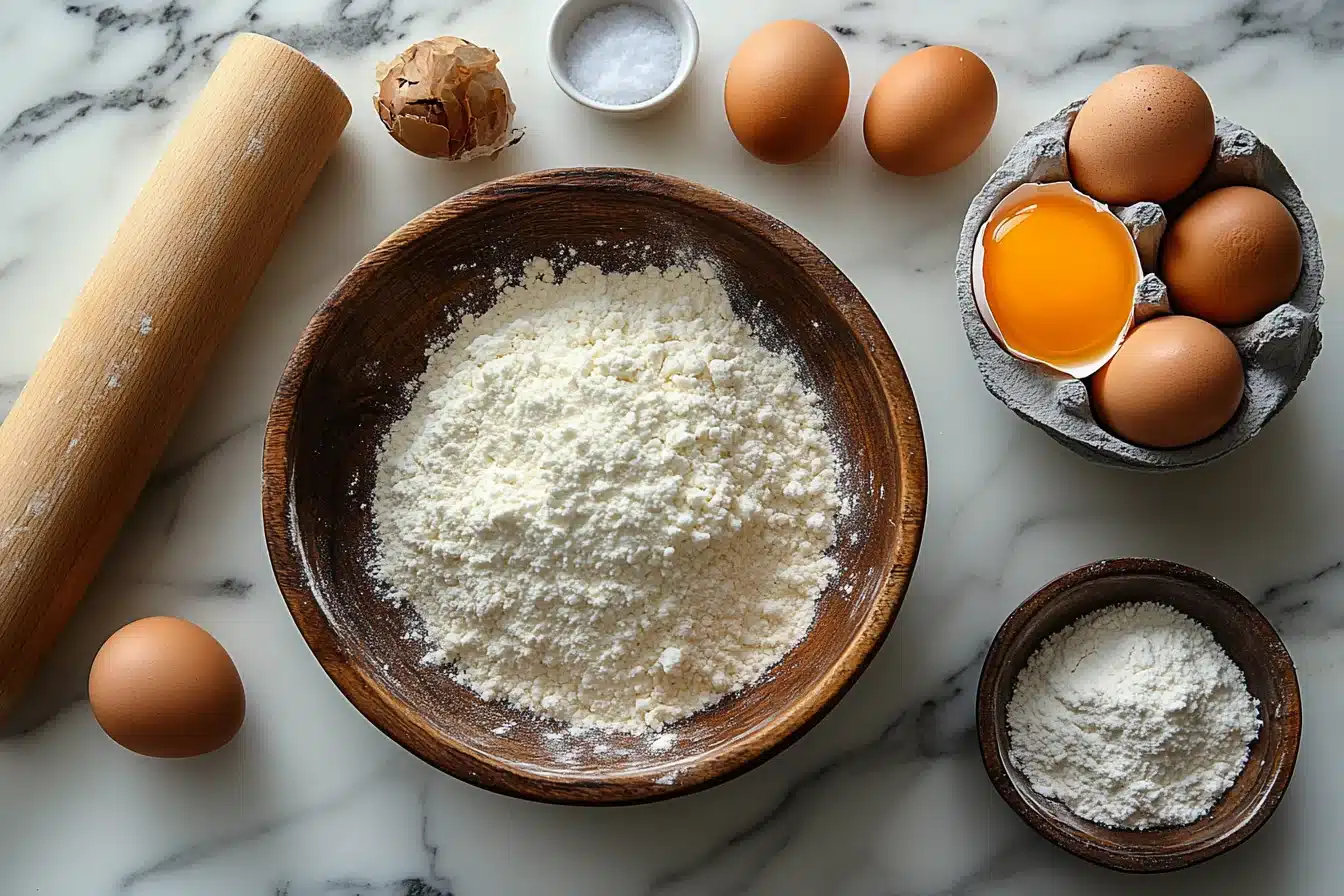
Essential Ingredients for Homemade Wonton Wrappers
| Ingredient | Amount | Purpose & Notes |
|---|---|---|
| All-purpose flour | 2 cups (250 g) | Creates the gluten structure — do NOT use bread flour (too chewy) or cake flour (too weak) |
| Fine salt | ½ tsp | Seasons the dough and strengthens the gluten network |
| Hot water (just-boiled) | ¾ cup (180 ml) | Hot water partially gelatinizes the starch, making the dough softer and more pliable than cold water dough |
| Cornstarch (for dusting) | ¼ cup | Prevents sticking during rolling — flour works but cornstarch is lighter and doesn’t toughen the wrapper |
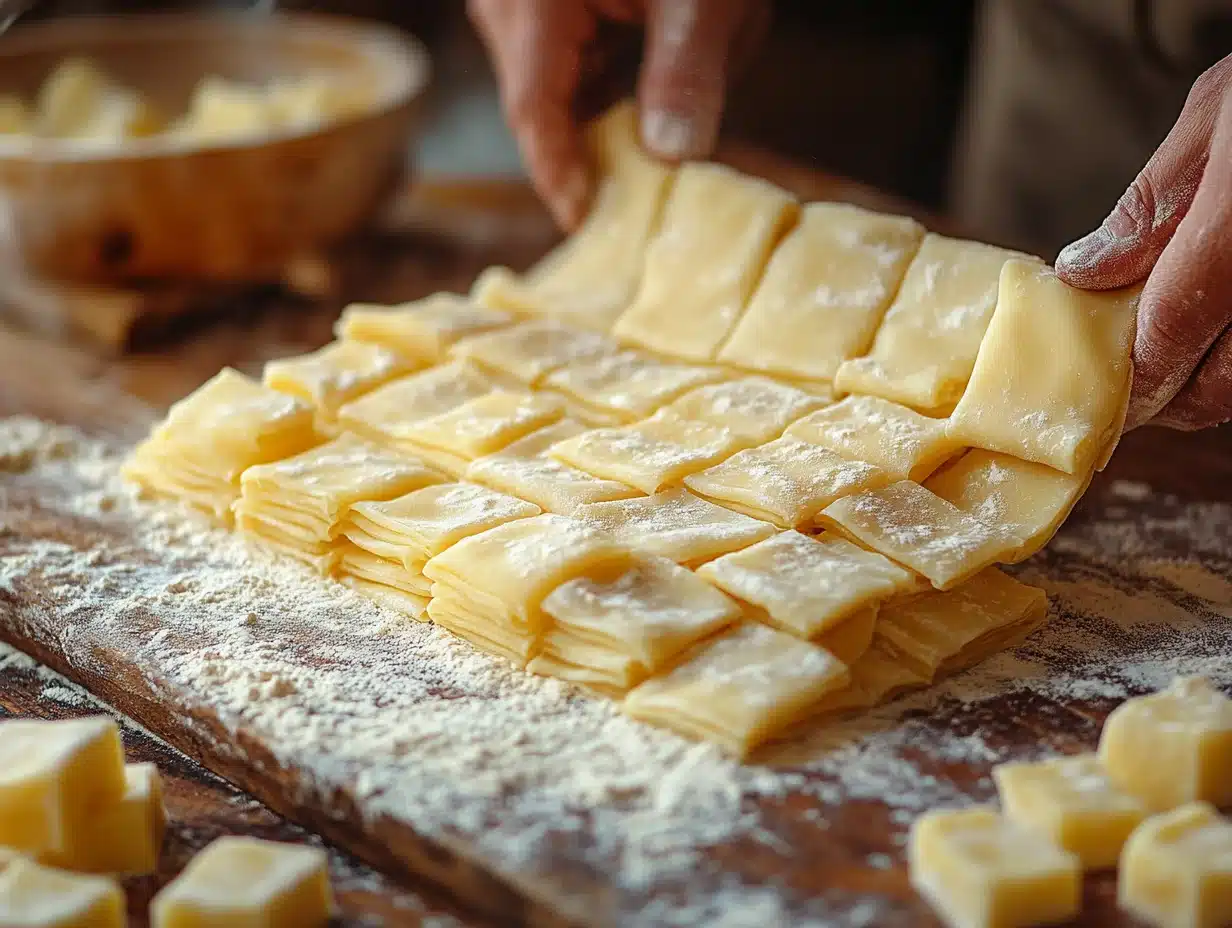
Step-by-Step: How to Make Wonton Wrappers
Step 1: Combine Flour, Salt, and Hot Water
Add 2 cups flour and ½ tsp salt to a large mixing bowl. Make a well in the center and pour in ¾ cup hot water (just off the boil — about 200°F). Stir with chopsticks or a fork until the mixture forms shaggy clumps. The hot water is essential: it partially cooks the starch in the flour, creating a softer, more pliable dough than cold water would. The dough will look rough and uneven at this stage — that is normal.
Step 2: Knead for 8–10 Minutes Until Smooth
Turn the dough out onto a lightly floured surface and knead for 8–10 minutes. The dough will start rough and sticky but will gradually become smooth, elasticexperimental, and slightly tacky (not sticky). You are developing gluten, which gives the wrapper its stretch and strength. The finished dough should feel like a soft earlobe — pliable, smooth, and springy when poked. If it is too dry, add water 1 teaspoon at a time. If too sticky, add flour ½ tablespoon at a time.
Step 3: Cover and Rest for 30 Minutes
Shape the dough into a ball, place it back in the bowl, cover tightly with plastic wrap or a damp kitchen towel, and let it rest at room temperature for 30 minutes. This resting period is critical — it allows the gluten to relax, making the dough much easier to roll thin. Skip this step and the dough will spring back every time you try to roll it. After resting, the dough should be noticeably softer and more pliable.
Step 4: Divide Into 48 Equal Pieces
Roll the rested dough into a long rope about 24 inches long. Cut in half, then cut each half into 24 equal pieces (for 48 total). Each piece should be roughly the size of a marble — about 5 grams. Keep pieces covered with a damp towel while you work to prevent drying. Consistency in size is important for even cooking later.
Step 5: Roll Each Piece Into a Thin Square or Round
Dust your work surface with cornstarch. Flatten one dough piece with your palm, then use a small rolling pin to roll it into a thin square (for wontons) or circle (for dumplings), about 3–3.5 inches across and 1 mm thick. Roll from the center outward, rotating the wrapper 90 degrees after each pass to keep the shape even. The wrapper should be thin enough to almost see through. Stack finished wrappers with cornstarch between each layer to prevent sticking.
Step 6: Fill Immediately or Store for Later
Use the wrappers immediately for the best texture, or store them for later. For fridge storage: stack between parchment squares, seal in a zip-top bag, and refrigerate for up to 3 days. For freezer storage: stack between parchment, press out air, seal in a freezer bag, and freeze flat for up to 3 months. To use frozen wrappers, thaw at room temperature for 15 minutes — they will be slightly softer than fresh but still work perfectly.
10 Best Fillings for Wonton Wrappers
| Filling | Key Ingredients | Cooking Method | Cuisine | Difficulty |
|---|---|---|---|---|
| Classic Pork Wonton | Ground pork, ginger, sesame oil, soy sauce | Boiled in soup | Chinese | Easy |
| Shrimp Wonton | Shrimp, pork fat, white pepper, scallion | Boiled or steamed | Cantonese | Easy |
| Crab Rangoon | Cream cheese, crab (or imitation), garlic, Worcestershire | Deep-fried | American-Chinese | Easy |
| Pork & Chive Potsticker | Ground pork, Chinese chives, cabbage, soy | Pan-fried | Chinese | Medium |
| Chicken & Ginger Dumpling | Ground chicken, ginger, scallion, sesame | Steamed | Asian Fusion | Easy |
| Vegetable Wonton | Mushroom, cabbage, tofu, carrot | Boiled or steamed | Chinese (Vegan) | Easy |
| Kimchi Dumpling | Pork, kimchi, tofu, glass noodles | Pan-fried or steamed | Korean | Medium |
| Cheese Wonton | Mozzarella, Parmesan, Italian herbs | Deep-fried | Fusion | Easy |
| Sweet Red Bean | Red bean paste, sesame seeds | Deep-fried or steamed | Chinese/Japanese | Easy |
| Buffalo Chicken | Shredded chicken, hot sauce, cream cheese, ranch | Deep-fried | American Fusion | Easy |
How to Fold Wontons — 4 Classic Techniques
Simple Triangle Fold
Place 1 teaspoon of filling in the center of a square wrapper. Dip your finger in water and moisten two adjacent edges. Fold the wrapper diagonally to form a triangle, pressing out air bubbles as you seal. Press the edges firmly together. This is the fastest fold and works for boiled wontons in soup.
Nurse’s Cap (Classic Wonton Fold)
Start with the triangle fold above. Then bring the two bottom corners of the triangle together, overlapping them slightly. Dab a drop of water on one corner and press the two corners together. The wonton now looks like a nurse’s cap or a bishop’s hat. This is the traditional shape for Cantonese wonton soup.
Pleated Crescent (Potsticker Style)
For round wrappers. Place filling in the center. Fold in half but do not seal flat — instead, make 5–6 small pleats along one edge, pressing each pleat against the flat back edge to seal. The pleated wonton should sit upright with a flat bottom. This is the classic potsticker shape for pan-frying.
Envelope Fold (Rangoon Style)
Place filling in the center of a square wrapper. Bring all four corners to the center, like sealing an envelope. Pinch the seams together tightly. This fully enclosed shape is perfect for deep-frying because no filling can escape into the oil.
3 Cooking Methods for Wontons
Boiled Wontons (For Soup)
Bring a large pot of water to a rolling boil. Drop wontons in one at a time (do not crowd). Stir gently to prevent sticking. Boil for 3–4 minutes until the wrappers turn translucent and the wontons float. Remove with a slotted spoon. The wrappers become silky and slightly slippery — perfect for wonton soup.
Pan-Fried Potstickers
Heat 2 tablespoons oil in a non-stick skillet over medium-high. Place potstickers flat-side down, touching but not overlapping. Cook 2 minutes until the bottoms are golden and crispy. Add ¼ cup water, immediately cover with a lid, and steam for 3 minutes. Remove the lid and cook 1 more minute until the water evaporates and the bottoms re-crisp. The result: crispy bottom, steamed top, juicy filling.
Deep-Fried Wontons (Rangoons / Chips)
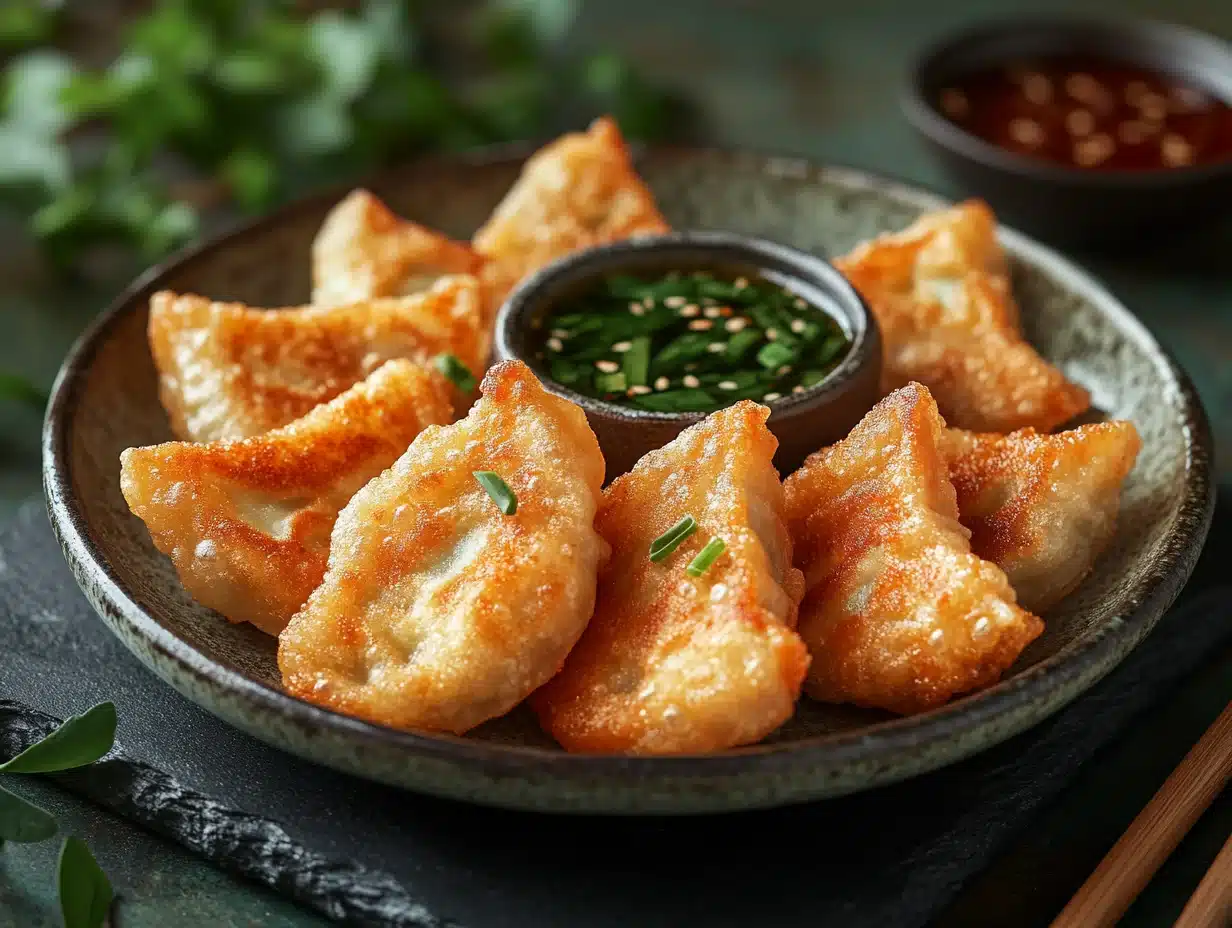
Heat oil to 350°F. Fry wontons in batches for 2–3 minutes until deeply golden and bubbling. Drain on a wire rack. Fried wontons puff up and turn shatteringly crispy. For wonton chips (no filling), cut wrappers into triangles, fry 30 seconds, and sprinkle with salt — they are better than any tortilla chip.
Common Wonton Wrapper Mistakes and How to Fix Them
Mistake 1: Not Resting the Dough
If you try to roll the dough immediately after kneading, it fights back — the gluten is too tight and the dough springs back to its original shape. The 30-minute rest allows the gluten to relax, making the dough dramatically easier to roll thin. Never skip this step.
Mistake 2: Dough Is Too Dry or Cracking
If the dough cracks when you fold it, it is too dry. Add water 1 teaspoon at a time during kneading. If cracks appear during rolling, the workspace or dough may have dried out — cover unused pieces with a damp towel at all times. You can also lightly mist the dough with water from a spray bottle.
Mistake 3: Rolling Too Thick
Thick wrappers taste doughy and heavy, and they do not cook through properly when boiled. Roll each wrapper until you can almost see your hand through it — about 1 mm. Using cornstarch instead of flour for dusting helps prevent sticking without adding toughness.
Mistake 4: Wontons Opening During Cooking
Wontons pop open because the seal was not tight enough or there was air trapped inside. Always moisten the edges with water before sealing, press out any air bubbles, and press the edges firmly together. For deep-frying, the envelope fold gives the most secure seal.
Mistake 5: Using Cold Water Instead of Hot
Cold water dough is tough and elastic — great for noodles, bad for wonton wrappers. Hot water (just off the boil) partially gelatinizes the starch, creating a softer, more tender, more pliable dough. This is the single biggest difference between homemade wrappers that work and ones that don’t.
What to Serve With Wontons
- Cucumber Caesar salad — cool, crisp salad alongside warm wontons
- Baked salmon with avocado — fusion dinner with steamed wontons on the side
- Pigs in a blanket — pair fried wontons and pigs for a mix appetizer platter
- Cheesy onion rings — double the crunch with fried rangoons + onion rings
- Big Mac pasta salad — East-meets-West potluck spread
- Sheet pan smoked sausage — hearty main with wonton soup as a starter
- Sardine goat cheese crostini — multi-course appetizer for dinner parties
- Parmesan cloud chicken bombs — finger food pairing for game day
- Hot and sour soup — classic Chinese soup pairing with boiled wontons
- Steamed jasmine rice — serve potstickers over rice for a complete meal
Wonton Dipping Sauces
| Sauce | Ingredients | Best For | Flavor Profile |
|---|---|---|---|
| Classic Soy-Vinegar | Soy sauce + rice vinegar + sesame oil + chili flakes | Boiled wontons | Salty, tangy, savory |
| Chili Oil (Lao Gan Ma) | Chili crisp oil straight from the jar | Everything | Spicy, crunchy, umami |
| Sweet Chili | Thai sweet chili sauce | Fried rangoons | Sweet, mild heat |
| Peanut Sauce | Peanut butter + soy + rice vinegar + honey + sriracha | Potstickers | Rich, nutty, savory |
| Ginger Scallion Oil | Minced ginger + scallion + hot oil + salt | Steamed dumplings | Bright, aromatic |
| Ponzu | Ponzu sauce (citrus soy) | Shrimp wontons | Light, citrusy, clean |
Homemade Wonton Wrappers
Classic Italian Lasagna
Total Time: 50 minutes
Yield: 6 servings 1x
Diet: None
Description
A traditional Italian lasagna made with layers of pasta, rich meat sauce, and creamy béchamel.
Ingredients
Scale
- 9 lasagna noodles
- 1 lb ground beef
- 1 lb ground pork
- 2 cups marinara sauce
- 2 cups ricotta cheese
- 2 cups mozzarella cheese, shredded
- 1 cup grated Parmesan cheese
- 2 large eggs
- 1 teaspoon dried oregano
- 1 teaspoon salt
- 1/2 teaspoon black pepper
- 2 tablespoons olive oil
Instructions
- Preheat oven to 375°F (190°C).
- In a skillet, heat olive oil and cook ground beef and pork until browned. Add marinara sauce and simmer for 10 minutes.
- In a bowl, mix ricotta, eggs, oregano, salt, and pepper.
- Cook lasagna noodles according to package instructions.
- In a baking dish, spread a layer of meat sauce, followed by noodles, ricotta mixture, and mozzarella. Repeat layers, finishing with meat sauce and Parmesan on top.
- Bake for 30 minutes, until golden and bubbly. Let cool for 10 minutes before serving.
Notes
For a vegetarian option, substitute meat with sautéed vegetables like zucchini and bell peppers.
- Prep Time: 20 minutes
- Cook Time: 30 minutes
- Category: Main Course
- Method: Baking
- Cuisine: Italian
Nutrition
- Serving Size: 1 serving
- Calories: 450
- Sugar: 6g
- Sodium: 600mg
- Fat: 18g
- Saturated Fat: 8g
- Unsaturated Fat: 8g
- Trans Fat: 0g
- Carbohydrates: 45g
- Fiber: 3g
- Protein: 25g
- Cholesterol: 80mg
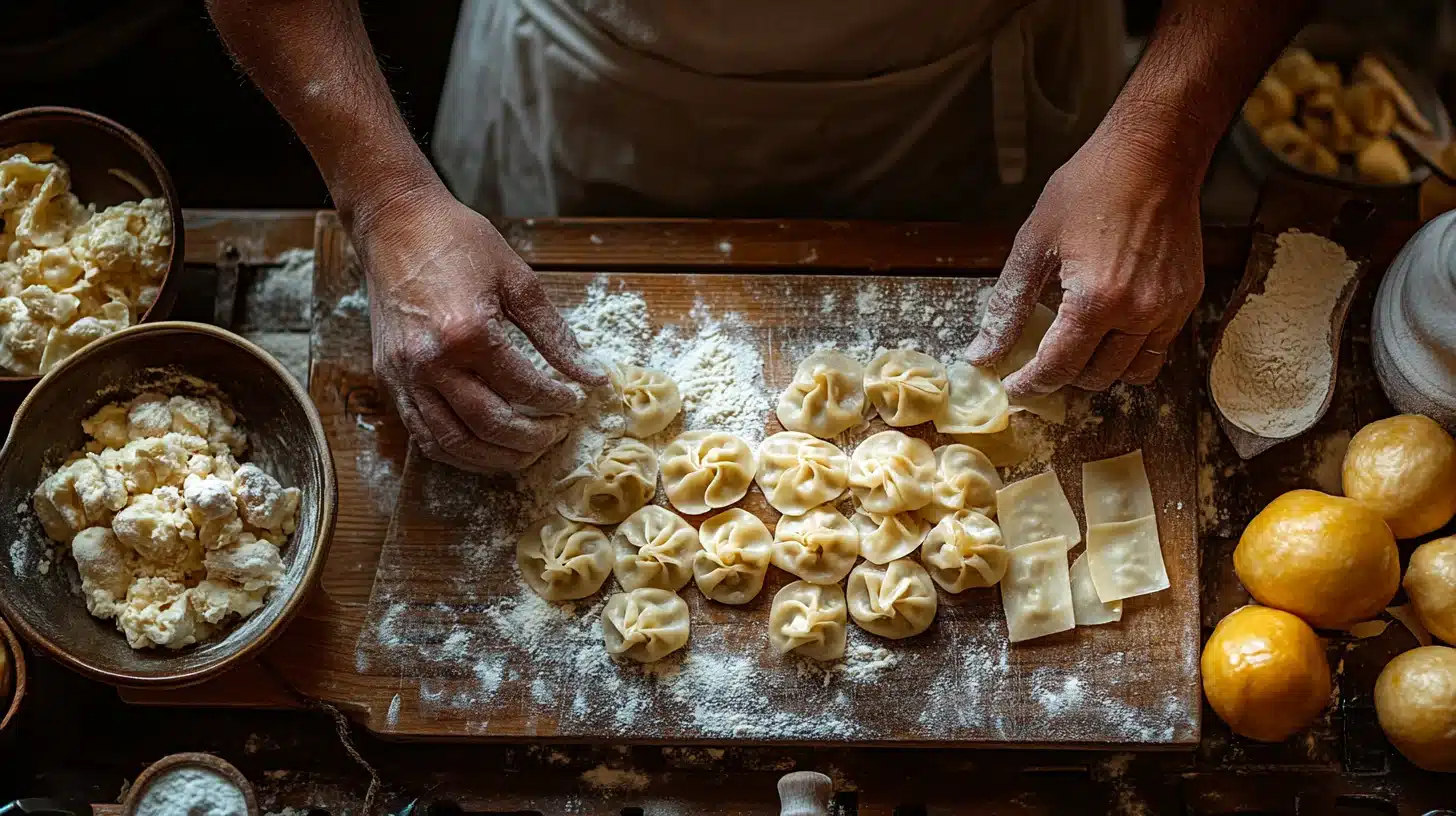
Wonton Wrappers in Global Cuisines
The thin wheat-flour dough we call a wonton wrapper has relatives across almost every cuisine in Asia. In Japan, gyoza skins are slightly thicker and typically round, designed for the pleated pan-fried dumplings served at ramen shops. Korean mandu wrappers often include a small percentage of sweet potato starch for extra chewiness, and they come in both round and square formats.
Southeast Asian cuisines use wonton wrappers in entirely different applications. Vietnamese restaurants deep-fry wonton skins into crispy chips served alongside fresh spring rolls. Thai street vendors fill them with minced crab and cream cheese for the popular crab rangoon. Filipino lumpia wrappers share DNA with wonton skins but are rolled paper-thin for spring rolls.
Italian cuisine draws the most direct parallel—fresh pasta dough for ravioli and tortellini follows nearly the same ratio of flour, egg, and water. Some food historians believe that Marco Polo’s 13th-century travels may have facilitated a cultural exchange of filled-dough techniques between China and Italy, though this theory remains debated among culinary scholars. Regardless of origin, the principle is universal: wrap something delicious in a thin sheet of dough, seal it, and cook it.
Troubleshooting Common Wonton Wrapper Dough Issues
When your wonton wrapper dough tears during rolling, the most likely culprit is insufficient kneading, which means the gluten network has not developed enough elasticity to stretch thin without breaking apart. Knead for a full 8 to 10 minutes by hand until the dough is completely smooth, tacky but not sticky, and bounces back slowly when pressed with a finger. If the dough keeps springing back aggressively and refuses to roll thin, it has too much gluten tension and needs to rest for at least 20 minutes under a damp towel. Conversely, if the dough feels mushy and does not hold its shape, you have added too much water and should knead in additional flour one tablespoon at a time until the texture firms up.
Frequently Asked Questions About Wonton Wrappers
Can you make wonton wrappers without a pasta machine?
Yes. A rolling pin works perfectly. Roll from the center outward, rotating 90 degrees after each pass. A small rolling pin (Chinese-style) gives the best control for thin, even wrappers.
Why use hot water instead of cold water for wonton dough?
Hot water partially gelatinizes the flour starch, creating a softer, more pliable dough. Cold water creates a tighter gluten network that is elastic and chewy — better for noodles but too tough for wrappers.
Can you use wonton wrappers for dumplings?
Yes. Wonton wrappers and dumpling wrappers are made from the same dough. Cut them into squares for wontons or circles for dumplings and potstickers.
How thin should wonton wrappers be?
About 1 mm thick — thin enough to almost see your hand through it. Thicker wrappers taste doughy and do not cook through properly when boiled.
Can you freeze homemade wonton wrappers?
Yes. Stack between parchment paper, seal in a zip-top bag, and freeze flat for up to 3 months. Thaw at room temperature for 15 minutes before using.
Why are my wonton wrappers cracking?
Usually too dry. Add water 1 teaspoon at a time during kneading. If cracks appear during rolling, the dough has dried out — cover unused pieces with a damp towel and mist lightly with water.
What is the difference between wonton wrappers and egg roll wrappers?
Size and thickness. Wonton wrappers are 3–3.5 inches and paper-thin. Egg roll wrappers are 6–7 inches and thicker. Egg roll wrappers also usually contain eggs, while basic wonton wrappers are just flour and water.
Can you make wonton wrappers with whole wheat flour?
You can, but the result is heavier and less pliable. A 50/50 blend of whole wheat and all-purpose flour is a good compromise — nuttier flavor without sacrificing too much tenderness.
How long do fresh wonton wrappers last?
In the fridge, 3 days stored between parchment in a sealed bag. In the freezer, up to 3 months. Fresh (unfrozen) wrappers give the best texture and seal.
What can I make with leftover wonton wrappers?
Wonton chips (cut into triangles, fry 30 seconds, salt), mini taco cups (press into muffin tins, bake 8 min), ravioli (use as Italian-style pasta), or dessert wontons (fill with Nutella or fruit, fry, dust with powdered sugar).

Written by Chef Anna
I'm Anna - a Le Cordon Bleu-trained chef, recipe developer, and the voice behind Chef Johns Gourmet. After a decade in professional kitchens, I now spend my mornings testing recipes and my afternoons writing them down so you can make them perfectly in your own kitchen. Every one of the 1,100+ recipes on this site has been personally cooked, tasted, and refined. I write like I'm standing next to you, walking you through every step. Simple recipes. Bold flavors. Made for real kitchens.