Carnivore Ice Cream: The Ultimate Animal-Based Frozen Dessert Recipe

Key Takeaways

  • Carnivore ice cream is a sugar-free, dairy-based frozen dessert made with only animal-sourced ingredients — heavy cream, egg yolks, and raw honey or no sweetener at all.
  • This recipe requires just 4 ingredients and no ice cream maker — a simple freeze-and-stir method or a zip-bag technique produces a perfectly creamy result.
  • Each serving provides healthy fats, fat-soluble vitamins (A, D, K2), and zero plant-based additives, making it fully compatible with carnivore, keto, and animal-based diets. For another high-protein dessert, try our no-bake peanut butter energy bites.
  • The texture secret is egg yolks — they act as a natural emulsifier that prevents ice crystals and creates the rich, velvety mouthfeel of premium gelato without any gums, stabilizers, or seed oils.
  • Carnivore ice cream tastes remarkably like French vanilla custard — rich, clean, and subtly sweet from the cream itself, proving you don’t need sugar or artificial flavors for incredible frozen desserts.
  • Pair with dark chocolate almond bark crumbled on top for a decadent treat that satisfies every craving.

What Is Carnivore Ice Cream and Why Is It Trending?

Carnivore ice cream has exploded in popularity as the carnivore diet movement has grown from a niche experiment into a mainstream nutritional approach followed by millions of people worldwide. At its core, carnivore ice cream is exactly what it sounds like — a frozen dessert made exclusively from animal-derived ingredients. No sugar, no plant-based thickeners, no seed oils, no artificial anything. Just pure cream, eggs, and optionally raw honey, churned or frozen into a rich, luscious treat.

The appeal goes beyond dietary ideology. People are increasingly seeking whole-food alternatives to commercial ice cream, which typically contains a long list of stabilizers, emulsifiers, gums, and artificial flavors that many health-conscious consumers want to avoid. When you read the ingredient label on even premium commercial ice cream, you find carrageenan, guar gum, mono and diglycerides, natural flavors (which are anything but natural), and often corn syrup solids. Carnivore ice cream eliminates all of that in one clean sweep.

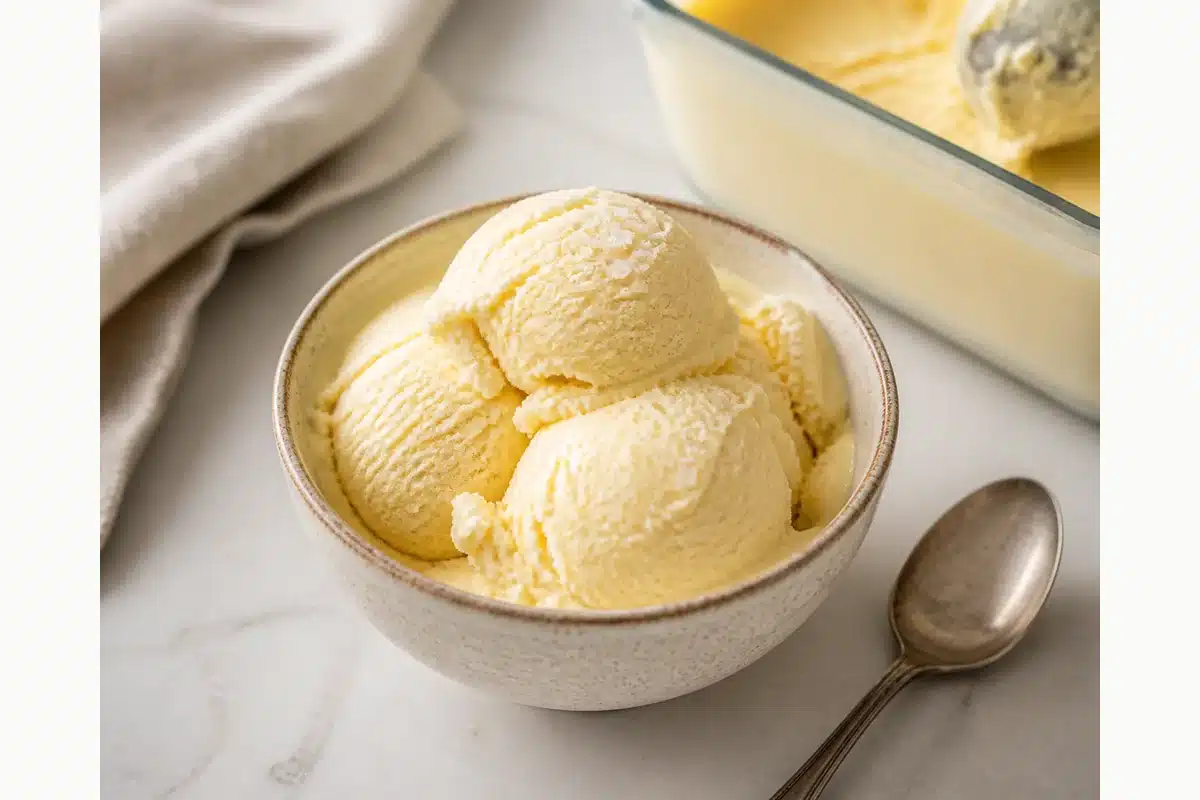
What surprises most people who try carnivore ice cream for the first time is how genuinely delicious it tastes. The combination of high-fat cream and egg yolks produces a custard-like flavor profile that is reminiscent of the finest French vanilla ice cream. The natural sweetness of quality heavy cream, amplified by the richness of pastured egg yolks, creates a flavor that does not taste like it is missing anything. Many converts report that they actually prefer the clean, rich taste to conventional ice cream.


Carnivore Ice Cream vs Commercial Ice Cream
FeatureCarnivore Ice CreamPremium CommercialBudget Commercial
Ingredients3-4 whole foods10-15 ingredients20+ ingredients
SugarNone (or raw honey)20-24g per serving18-28g per serving
Seed oilsNonePossibleCommon
Emulsifiers/gumsNone (eggs natural)1-3 types3-5 types
Fat sourceCream + egg yolksCream + milkCream + palm oil blends
Calories per 1/2 cup~280~260~220
Protein5g4g3g
Cost per pint~$3 homemade$6-9$3-5

Essential Ingredients for Perfect Carnivore Ice Cream

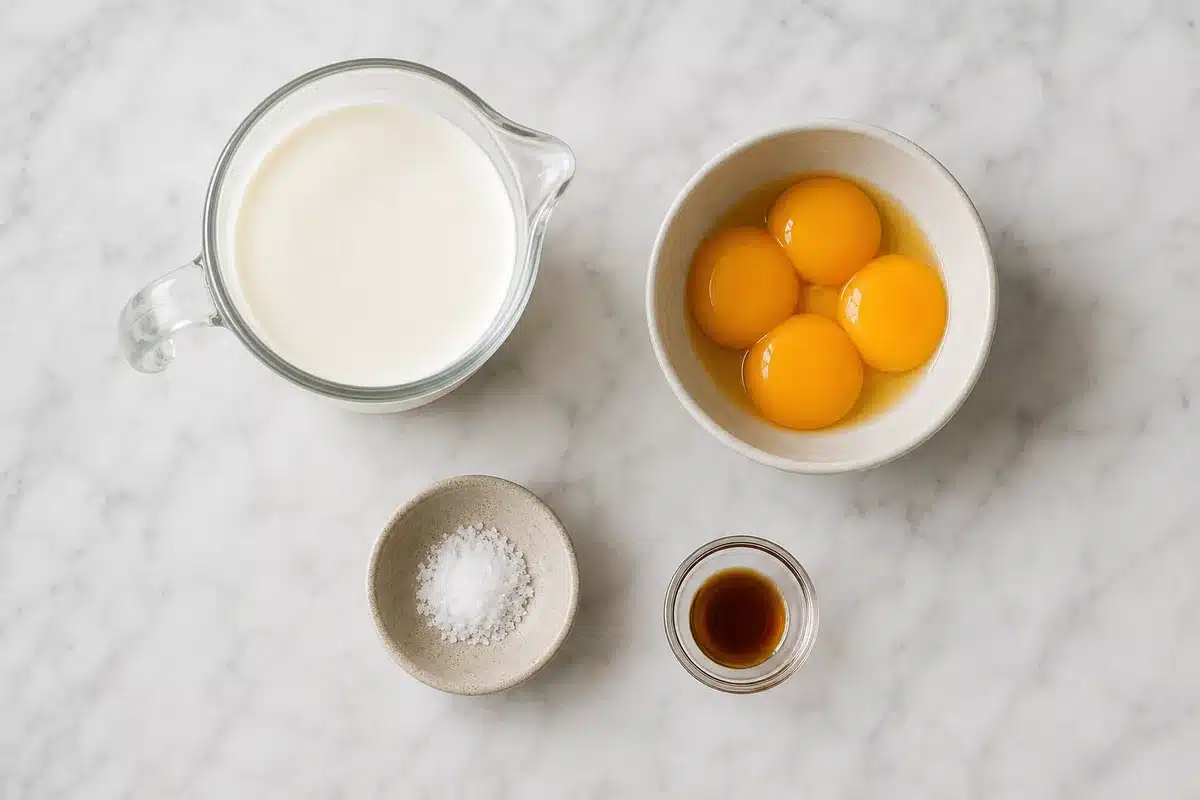
The beauty of carnivore ice cream is radical simplicity — you need only 3 to 4 ingredients, and the quality of each one matters enormously because there is nowhere to hide. When a recipe has 20 ingredients, one mediocre component gets lost in the crowd. When a recipe has 3 ingredients, each one is a star performer that must deliver on its own merits.

Heavy cream (36%+ fat) is the foundation and should be the highest quality you can find. Pastured or grass-fed cream has a noticeably richer, more buttery flavor and a golden hue from the beta-carotene in grass-fed milk. Avoid ultra-pasteurized cream when possible — the high-heat processing damages proteins and subtly alters the flavor. Regular pasteurized heavy cream or heavy whipping cream from a quality dairy works perfectly.

Egg yolks from pastured chickens serve as the natural emulsifier that gives carnivore ice cream its incredibly creamy texture. Lecithin in the yolks prevents ice crystals from forming during freezing — the same principle that makes French custard ice cream (glace) smoother than Philadelphia-style (cream-only) ice cream. Pastured egg yolks are dramatically more nutritious, with 2-3x the omega-3s, 3-6x the vitamin D, and visibly darker orange color compared to conventional eggs.

Raw honey is the most debated ingredient because strict carnivore adherents consider it a plant product (technically it is manufactured by bees from plant nectar). Many “animal-based” dieters include raw honey as the only acceptable sweetener. If you are strict carnivore, omit it entirely — the ice cream is still delicious. If you include it, use raw, unfiltered honey for maximum enzyme content and the most complex sweetness. Just 1-2 tablespoons per batch provides gentle sweetness without spiking blood sugar the way refined sugar does.

Carnivore Ice Cream Ingredient Guide
IngredientAmountPurposeQuality Notes
Heavy cream (36%+)2 cupsBase fat + flavorGrass-fed/pastured preferred
Egg yolks4 largeEmulsifier + richnessPastured eggs, deep orange
Raw honey (optional)1-2 tbspGentle sweetnessRaw, unfiltered, local
Vanilla bean (optional)1/2 bean or 1 tsp extractAromatic depthPure extract only, no imitation
Pinch of sea salt1/8 tspFlavor enhancementCeltic or Redmond Real Salt

How to Make Carnivore Ice Cream Step by Step

Step 1: Prepare the Custard Base

In a medium saucepan, heat 2 cups of heavy cream over medium-low heat until it just begins to steam and small bubbles appear around the edges — about 170°F. Do not let it boil, as boiling changes the fat structure and can create a grainy texture. While the cream heats, whisk 4 egg yolks in a medium bowl until smooth and slightly pale. If using honey, whisk it into the yolks now.

Step 2: Temper the Egg Yolks

Slowly pour about 1/2 cup of the hot cream into the yolk mixture while whisking constantly. This gradual introduction of heat — called tempering — raises the egg temperature gently without scrambling them. Once the yolks are warmed, pour the yolk mixture back into the saucepan with the remaining cream, whisking continuously. This step is critical — adding cold yolks directly to hot cream produces scrambled egg bits that ruin the texture.

Step 3: Cook the Custard

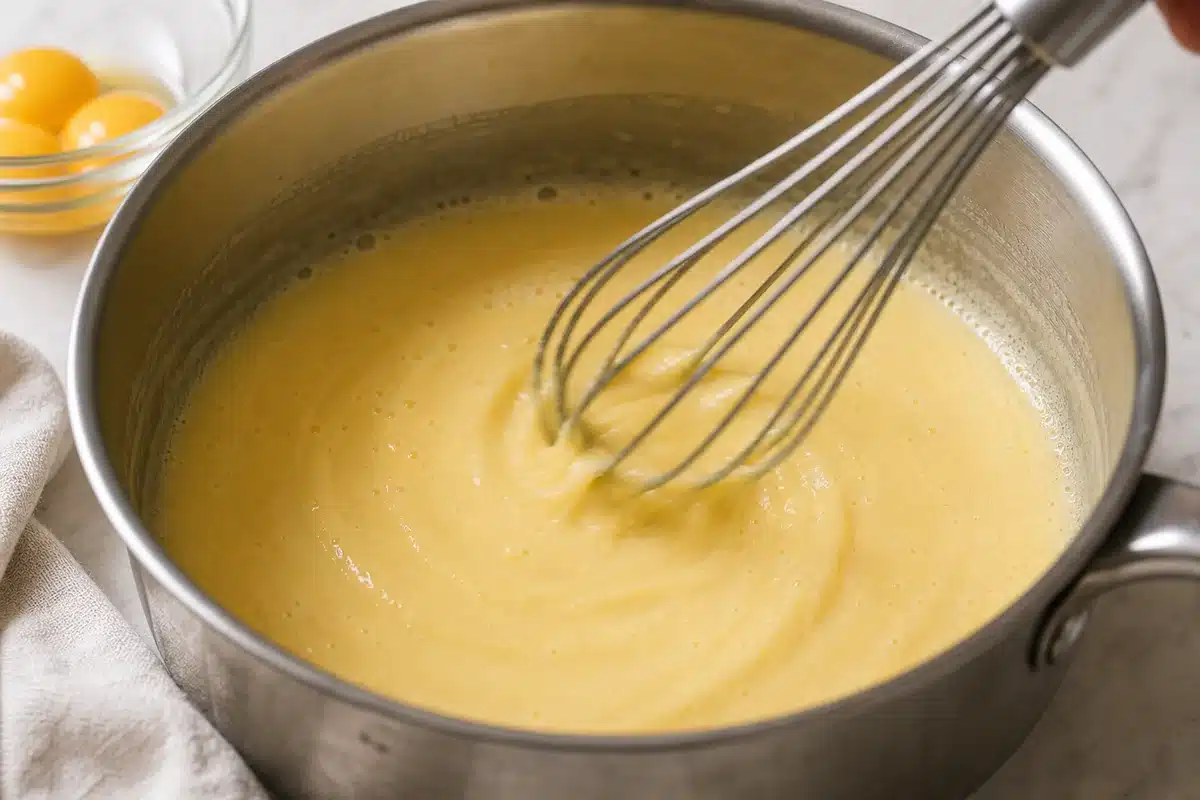
Cook the custard mixture over medium-low heat, stirring constantly with a wooden spoon or silicone spatula, until it thickens enough to coat the back of the spoon — about 5 to 7 minutes. Run your finger across the coated spoon; if the line holds without dripping, the custard is ready (approximately 175°F). Do not exceed 180°F or the eggs will curdle. Remove from heat immediately and stir in the pinch of sea salt and vanilla if using.

Step 4: Rapid Chill the Mixture

Pour the custard through a fine-mesh strainer into a clean bowl to catch any small egg bits. Place this bowl over a larger bowl filled with ice water and stir occasionally until the custard is completely cold — about 15 to 20 minutes. This rapid chilling is important for food safety and for developing the smoothest texture. Once cold, press plastic wrap directly onto the surface and refrigerate for at least 4 hours or overnight. The resting period allows the fat molecules to crystallize properly.

Step 5: Freeze the Ice Cream

With an ice cream maker: Churn the cold custard according to your machine’s instructions, usually 20 to 25 minutes, until it reaches soft-serve consistency. Transfer to a freezer-safe container and freeze for 2 to 4 hours until firm. Without a machine: Pour into a shallow metal pan, freeze for 45 minutes, then remove and vigorously whisk or blend to break up ice crystals. Repeat this freeze-and-stir process 3 to 4 times over 3 hours. Alternatively, pour into a sturdy zip-top bag, seal, and knead inside a larger bag of ice and salt for 15 to 20 minutes.

Step 6: Serve and Enjoy

Let the ice cream sit at room temperature for 5 to 10 minutes before scooping — the high fat content makes it rock-hard straight from the freezer. The ideal serving temperature allows the ice cream to yield to a spoon while still holding its shape on the scoop. Serve in chilled bowls for the longest-lasting scoops. Top with crumbled dark chocolate almond bark or a drizzle of raw honey for extra indulgence.

Why Egg Yolks Are the Secret to Creamy Carnivore Ice Cream

The difference between mediocre and extraordinary carnivore ice cream comes down to the egg yolks. Yolks contain lecithin, a natural phospholipid that acts as an emulsifier — it bridges the gap between water and fat molecules, creating a stable, homogeneous mixture that resists ice crystal formation during freezing. This is the exact same principle that haute cuisine kitchens have used for centuries in French custard ice cream, widely regarded as the smoothest style of ice cream in the world.

Without egg yolks, frozen cream forms large ice crystals that create a grainy, icy texture. With yolks, the lecithin coats the tiny fat droplets and water molecules, preventing them from combining into crystals. The result is microscopic fat and ice particles so small that your tongue perceives them as one continuous, silky-smooth texture. This is why French-style ice cream tastes richer and smoother than American-style (which historically uses fewer or no eggs).

The nutritional profile of egg yolks also makes them ideal for the carnivore approach. Each yolk provides roughly 55 calories, 4.5g of fat, 2.7g of protein, and significant amounts of vitamins A, D, E, K2, B12, choline, and selenium. The cholesterol in egg yolks, once demonized, is now recognized by nutrition science as dietary cholesterol that has minimal impact on blood cholesterol for most people. These are some of the most nutrient-dense calories you can consume, much like the healthy fats in guilt-free peanut butter mousse.

Egg Yolk Nutritional Profile (per yolk)
NutrientAmount% DVBenefit
Calories55~3%Concentrated energy source
Fat4.5g6%Healthy saturated + monounsaturated
Protein2.7g5%Complete amino acid profile
Vitamin A245 IU5%Vision, immunity, skin
Vitamin D37 IU5%Bone health, mood
Vitamin K232mcg27%Calcium metabolism, arterial health
Choline115mg21%Brain function, liver health
B120.33mcg14%Energy, nerve function
Selenium9.5mcg17%Antioxidant, thyroid
Omega-3 (pastured)~200mgN/AAnti-inflammatory

Flavor Variations for Carnivore Ice Cream

While the base recipe produces a beautiful vanilla-custard flavor, the carnivore framework allows for several creative variations that keep the dessert interesting. The key constraint is using only animal-derived ingredients (with the possible exception of raw honey and vanilla), but within that framework there is more room for creativity than most people expect.

Salted butter carnivore ice cream adds 2 tablespoons of browned butter to the custard base. Brown the butter until the milk solids turn deep amber and smell nutty, then whisk it into the hot cream. The Maillard reaction products in browned butter add a incredibly complex, caramel-like sweetness that makes additional sweetener almost unnecessary. This is many carnivore enthusiasts’ favorite variation and it tastes like salted caramel without any caramel.

Bone marrow ice cream sounds extreme but is genuinely extraordinary. Roast marrow bones at 425°F for 20 minutes, scoop out the soft marrow, and whisk it into the hot cream base. Bone marrow adds an incredibly rich, beefy umami quality with a buttery smoothness that intensifies the cream’s natural richness. It sounds unusual but has appeared on Michelin-starred restaurant menus from St. John in London to Cosme in New York. Serve it alongside slow-cooked beef brisket for the ultimate carnivore feast.

Carnivore Ice Cream Flavor Variations
VariationAdded IngredientAmountFlavor Profile
Classic Vanilla CustardVanilla bean1/2 beanRich, clean, French vanilla
Salted Brown ButterBrowned butter + sea salt2 tbsp + 1/4 tspCaramel-like, nutty, complex
Honey CreamRaw honey2 tbspFloral, gently sweet
Bone MarrowRoasted marrow2 tbspUmami, buttery, decadent
Egg Nog StyleExtra yolks + nutmeg2 extra + 1/4 tspHoliday spice, ultra-creamy
Cultured CreamCreme fraiche1/2 cup (replace cream)Tangy, sophisticated
Salted GheeGhee + flaky salt1 tbsp + pinchIndian-inspired, rich

How Does Carnivore Ice Cream Fit Into the Carnivore Diet?

The carnivore diet eliminates all plant foods and focuses exclusively on animal products — meat, fish, eggs, and dairy. Within this framework, ice cream made from cream and eggs is not only permitted but considered one of the most enjoyable ways to consume healthy animal fats. Many carnivore diet followers consider animal fat the primary source of energy on the diet, and carnivore ice cream delivers those fats in one of the most pleasurable forms possible.

From a macronutrient perspective, a half-cup serving of carnivore ice cream provides approximately 280 calories, primarily from fat (about 25g), with 5g of protein and minimal carbohydrates (under 2g without honey). This high-fat, very-low-carb profile makes it naturally ketogenic as well, fitting seamlessly into both carnivore and keto dietary frameworks. The fat keeps you satiated, and many people find that a small serving satisfies their dessert craving completely.

The absence of sugar is significant for those using the carnivore diet for blood sugar management, autoimmune conditions, or weight loss. Conventional ice cream with 20-24g of sugar per serving causes a significant insulin spike that promotes fat storage and energy crashes. Carnivore ice cream produces virtually no insulin response, making it a genuinely metabolically neutral treat. This makes it an excellent option alongside other clean-ingredient recipes like cottage cheese chocolate mousse.

How to Store Carnivore Ice Cream for Best Texture

Homemade carnivore ice cream lacks the commercial stabilizers and air (overrun) that keep store-bought ice cream scoopable straight from the freezer. As a result, it freezes much harder and requires special handling for the best eating experience. Understanding this characteristic and planning for it ensures every serving tastes as good as the first.

Store the ice cream in a shallow, wide container rather than a tall, narrow one. The shallow shape allows more even freezing and faster tempering when you are ready to serve. Press a piece of parchment paper or plastic wrap directly onto the surface before sealing the container — this prevents ice crystals (freezer burn) from forming on the exposed surface. Stored this way, carnivore ice cream maintains excellent quality for up to 2 weeks.

Before serving, let the container sit on the counter for 8 to 12 minutes. The high fat content means it transitions from rock-hard to perfectly scoopable in a narrow time window. If you let it sit too long, it becomes overly soft very quickly. For individual servings, consider freezing in silicone muffin molds — pop one out and it tempers to perfect consistency in about 5 minutes, and the pre-portioned size prevents over-serving. This same portioning strategy works perfectly for chocolate protein bars too.

Can You Make Carnivore Ice Cream Without an Ice Cream Maker?

Absolutely, and many carnivore ice cream enthusiasts actually prefer the no-machine methods because they produce a denser, more gelato-like texture. The ice cream maker method incorporates more air (called overrun in the industry), creating a lighter product. The no-churn methods produce a richer, denser result that many people find more satisfying, especially given the already-rich custard base.

The freeze-and-stir method is the simplest. Pour the chilled custard into a metal loaf pan (metal conducts cold faster than glass or plastic), freeze for 45 minutes, remove and whisk vigorously with a fork to break up ice crystals, then return to the freezer. Repeat 3-4 times over about 3 hours. Each stirring session produces smaller ice crystals, which translates to smoother texture. The final result is remarkably close to machine-churned ice cream.

The blender method produces the smoothest no-churn results. Freeze the custard solid (6+ hours), then break it into chunks and process in a high-powered blender or food processor until smooth and creamy. This method essentially does in 2 minutes what multiple freeze-and-stir sessions accomplish over 3 hours. Serve immediately as soft-serve or re-freeze for 1-2 hours for a firmer scoop. This also works great for making banana pudding style frozen treats.

Carnivore Ice Cream Troubleshooting Guide
ProblemCauseFix
Too icy/grainyNot enough fat or egg yolksUse 36%+ cream, full 4 yolks
Tastes eggyYolks not cooked enoughCook custard to 175F minimum
Too hard to scoopNo stabilizers (normal)Temper 8-12 min at room temp
Curdled custardOverheated past 180FStrain through fine mesh, still usable
Not sweet enoughNo sweetener usedAdd 1-2 tbsp raw honey or brown butter
Freezer burn on topAir exposurePress wrap directly on surface

Frequently Asked Questions About Carnivore Ice Cream

What is carnivore ice cream made of?

Carnivore ice cream is made from only animal-derived ingredients: heavy cream (2 cups), egg yolks (4 large), and optionally raw honey (1-2 tablespoons) and a pinch of sea salt. No sugar, no plant-based stabilizers, no seed oils, no artificial ingredients. Some variations add browned butter, bone marrow, or vanilla extract.

Does carnivore ice cream taste good without sugar?

Yes, surprisingly so. High-quality heavy cream has a natural subtle sweetness that becomes prominent when concentrated in ice cream. The egg yolks add richness and depth that mimics the satisfaction of sweetness. Most people who try it are genuinely surprised by how satisfying and complete it tastes. Adding 1-2 tablespoons of raw honey provides gentle sweetness if desired.

Is carnivore ice cream keto-friendly?

Yes. Without honey, a half-cup serving contains under 2g of carbohydrates and about 25g of fat, making it among the most keto-friendly desserts possible. Even with honey (1-2 tablespoons for the entire batch), each serving stays under 5g carbs. The high fat content also promotes ketosis by providing abundant fuel for fat-adapted metabolisms.

How many calories are in carnivore ice cream?

Approximately 280 calories per half-cup serving, primarily from fat (25g). This is comparable to premium commercial ice cream in calories but dramatically different in composition — carnivore ice cream calories come from healthy animal fats rather than a combination of sugar, processed fats, and stabilizers.

Can you make carnivore ice cream without an ice cream maker?

Yes. Use the freeze-and-stir method (freeze 45 min, whisk, repeat 3-4 times) or the blender method (freeze solid, then blend until smooth). The zip-bag method also works: pour custard into a sealed bag, place inside a larger bag of ice and rock salt, and knead for 15-20 minutes. All methods produce excellent results.

How long does homemade carnivore ice cream last?

Stored in an airtight container with parchment directly on the surface, carnivore ice cream maintains optimal quality for up to 2 weeks in the freezer. It remains safe to eat much longer, but texture and flavor degrade after 2 weeks due to ice crystal growth. For best results, consume within 1 week of making.

Is carnivore ice cream good for weight loss?

It can be, in moderation. The high fat content promotes satiety, meaning a small serving genuinely satisfies dessert cravings without the blood sugar spike and crash that sugar-based desserts cause. Many people on carnivore and keto diets find that a small serving of carnivore ice cream prevents the binge eating that often follows deprivation. However, it is still calorie-dense at 280 cal per half cup.

What is the best cream for carnivore ice cream?

Heavy cream with at least 36% fat content, preferably from grass-fed or pastured cows. Grass-fed cream has a richer flavor, golden color, and better omega-3 to omega-6 ratio. Avoid ultra-pasteurized cream when possible as the flavor is slightly compromised. Organic heavy whipping cream from a quality dairy is an excellent option widely available at most grocery stores.

Can you add mix-ins to carnivore ice cream?

Strictly carnivore mix-ins include crumbled crispy bacon, beef jerky pieces, freeze-dried organ meat crisps, or additional egg yolk swirled in during the last freeze cycle. For animal-based (less strict), raw honey swirl, dark chocolate shavings, or crushed macadamia nuts work beautifully. Keep mix-ins small and add during the last churn or stir to distribute evenly.

Why does my carnivore ice cream get icy?

Iciness usually results from insufficient fat content, not enough egg yolks, or improper chilling. Ensure your cream is at least 36% fat and use a full 4 yolks per 2 cups cream. Rapid chilling in an ice bath before freezing produces smaller initial ice crystals. Also press plastic wrap directly on the surface before storing — exposed surfaces develop ice crystals from air contact.

Chef Anna

Written by Chef Anna

I'm Anna - a Le Cordon Bleu-trained chef, recipe developer, and the voice behind Chef Johns Gourmet. After a decade in professional kitchens, I now spend my mornings testing recipes and my afternoons writing them down so you can make them perfectly in your own kitchen. Every one of the 1,100+ recipes on this site has been personally cooked, tasted, and refined. I write like I'm standing next to you, walking you through every step. Simple recipes. Bold flavors. Made for real kitchens.

Leave a Comment