
Beef Tallow Fries with Furikake — Crispy, Umami-Loaded Recipe

Beef tallow fries with furikake combine two of the food world’s greatest flavor technologies: the unmatched crispiness of animal-fat frying and the umami explosion of Japanese rice seasoning. The result is a french fry that’s simultaneously familiar and exotic — golden, shatteringly crispy on the outside, fluffy on the inside, then hit with the salty-sweet-savory punch of furikake that makes every bite addictive.
This is not your average french fry recipe. The double-fry method (a technique borrowed from Belgian frites masters) creates fries with a crust so crispy it crackles when you bite through it. The beef tallow adds a richness and depth of flavor that vegetable oil simply cannot replicate — there’s a reason McDonald’s original fries were legendary, and that reason was beef tallow. This comprehensive guide covers the science behind the perfect fry, homemade furikake, dipping sauces, and creative variations.
Key Takeaways
- Double-fry method: First fry at 300°F to cook through, second fry at 375°F for golden crunch
- Beef tallow: Higher smoke point (400°F) and superior flavor compared to any vegetable oil
- Furikake finish: Toss hot fries with furikake immediately — the heat activates the seasoning
- Russet potatoes: High starch content is essential for crispy exterior and fluffy interior
- Make-ahead: First fry can be done hours ahead; second fry takes only 3 minutes
- Homemade furikake: Simple to make and far more flavorful than store-bought
Beef Tallow Fries Nutrition Facts per Serving
| Nutrient | Per Serving (with furikake) | Plain (no furikake) | % Daily Value |
|---|---|---|---|
| Calories | 380 kcal | 350 kcal | 19% |
| Protein | 6g | 4g | 12% |
| Total Fat | 18g | 17g | 23% |
| Carbohydrates | 48g | 46g | 17% |
| Fiber | 4g | 4g | 14% |
| Sodium | 420mg | 280mg | 18% |
| Potassium | 680mg | 650mg | 14% |
| Saturated Fat | 8g | 8g | 40% |
Why Does Beef Tallow Make the Best Fries?
Beef tallow was the original frying fat for french fries across America and Europe before the vegetable oil industry’s marketing push in the 1980s–90s. Here’s why it’s superior for frying:
- Smoke point: 400°F vs. 350°F for many vegetable oils — more stable at frying temperatures
- Saturated fat content: More chemically stable, doesn’t oxidize or break down as quickly
- Flavor: Adds a subtle beefy richness that’s impossible to replicate with plant oils
- Crispiness: Creates a harder, more durable crust that stays crispy longer
- Reusability: Beef tallow can be strained and reused 6–8 times before losing quality
Is Beef Tallow Healthier Than Seed Oils?
This is debated, but beef tallow has some advantages: it contains fat-soluble vitamins (A, D, E, K), has zero trans fats (vs. partially hydrogenated oils), and doesn’t produce harmful aldehydes when heated like polyunsaturated seed oils can. It’s higher in saturated fat, which was demonized for decades but is being re-evaluated by modern nutritional science. As with everything, moderation is key.
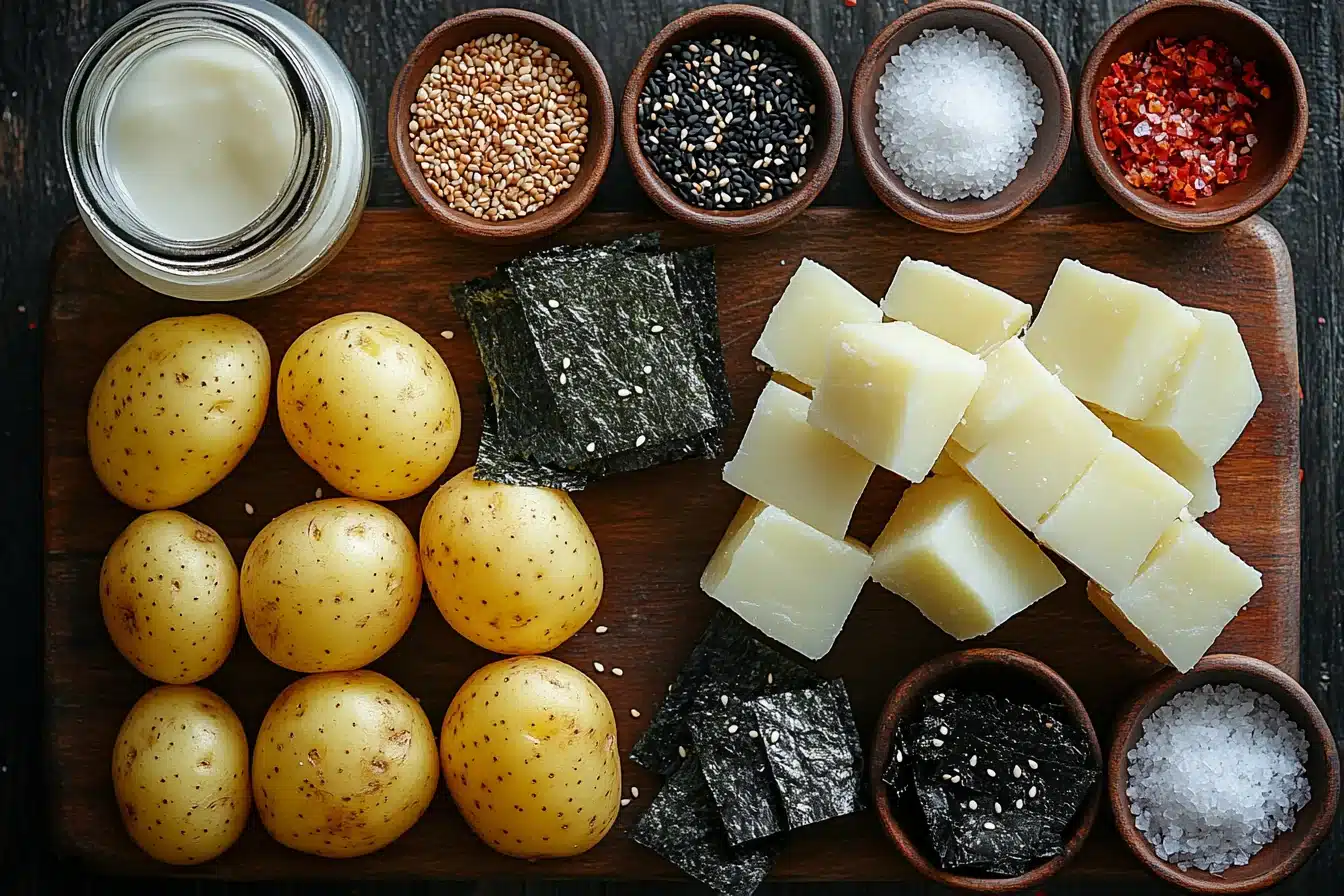
Essential Ingredients for Beef Tallow Fries with Furikake
| Component | Ingredient | Amount | Notes |
|---|---|---|---|
| Fries | Russet potatoes | 2 lbs (4 large) | High starch = crispiest fries |
| Beef tallow | 3–4 lbs (enough to fill pot 3 inches deep) | Grass-fed preferred | |
| Fine salt | 1 tsp | Season right out of the fryer | |
| Furikake | Nori sheets | 2 sheets, crumbled | Use scissors to cut small pieces |
| Sesame seeds (mixed) | 2 tbsp | White + black for visual contrast | |
| Bonito flakes | 2 tbsp (optional) | Intense umami — skip for vegetarian | |
| Sugar | 1 tsp | Balances the salt | |
| Salt | ½ tsp | Flaky sea salt preferred | |
| Red pepper flakes | ¼ tsp (optional) | Gentle heat |
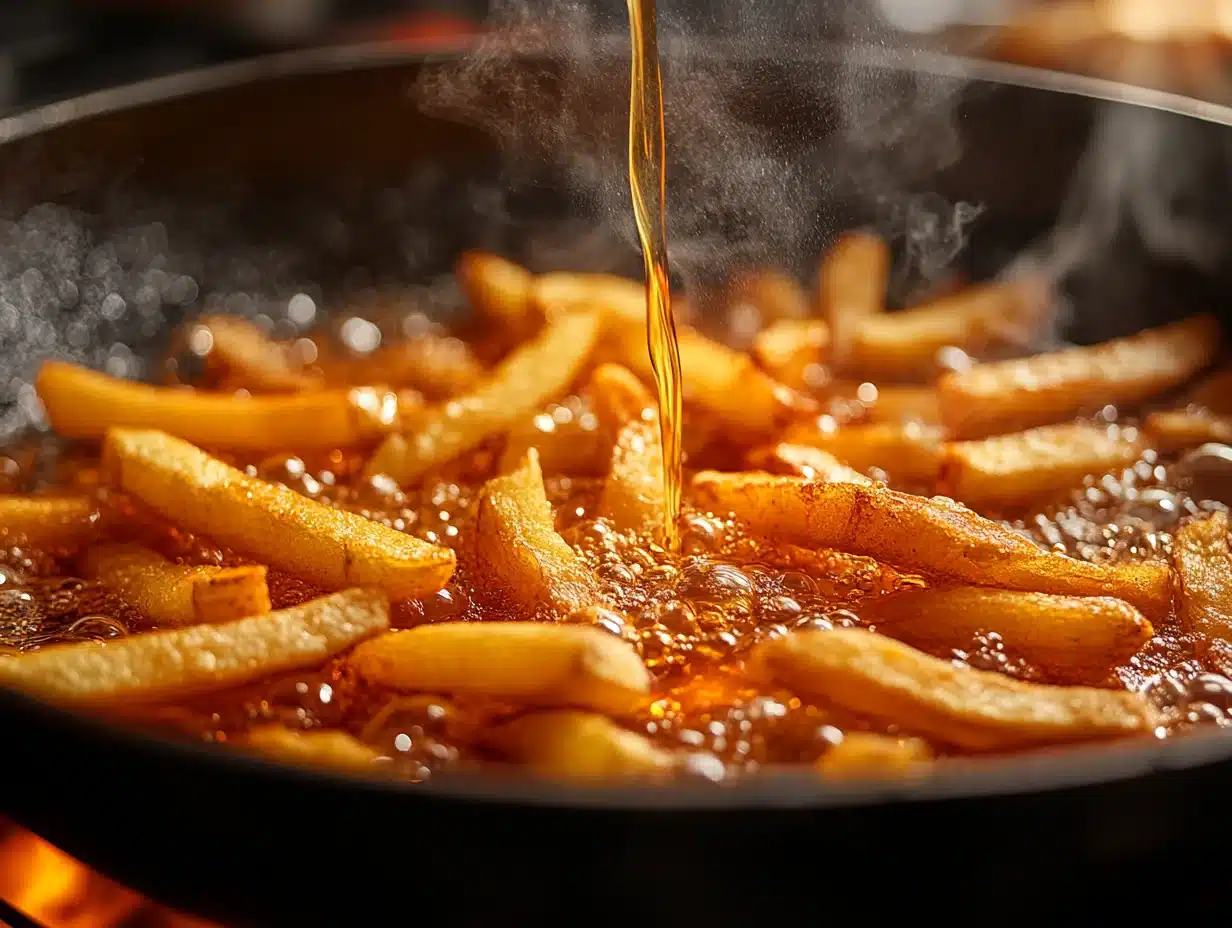
Step-by-Step: How to Make Beef Tallow Fries with Furikake
Step 1: Cut and Soak the Potatoes (30 Minutes)
Peel the russet potatoes and cut into ¼-inch thick sticks (classic fry shape). Soak in a bowl of cold water for at least 30 minutes (up to 2 hours). This removes excess surface starch, which is the key to preventing fries from sticking together and achieving maximum crispiness. Drain and pat completely dry — wet potatoes in hot oil is dangerous and creates soggy fries.
Step 2: First Fry at 300°F — The Blanch Fry (5–6 Minutes)
Melt beef tallow in a heavy-bottomed pot or Dutch oven to 300°F. Working in small batches (don’t overcrowd — this drops the temperature), fry potatoes for 5–6 minutes until cooked through but still pale — no golden color yet. Remove to a wire rack. This first fry cooks the interior and begins building the crust structure. You can do this step hours ahead and leave the fries at room temperature.
Step 3: Second Fry at 375°F — The Crisp Fry (2–3 Minutes)
Increase tallow temperature to 375°F. Fry the blanched potatoes in batches for 2–3 minutes until deep golden brown and crispy. They’ll darken fast at this temperature — watch carefully. Remove to a paper-towel-lined tray and season immediately with fine salt while hot. The double-fry creates fries that stay crispy for 15–20 minutes instead of getting soggy in 5.
Step 4: Toss with Furikake
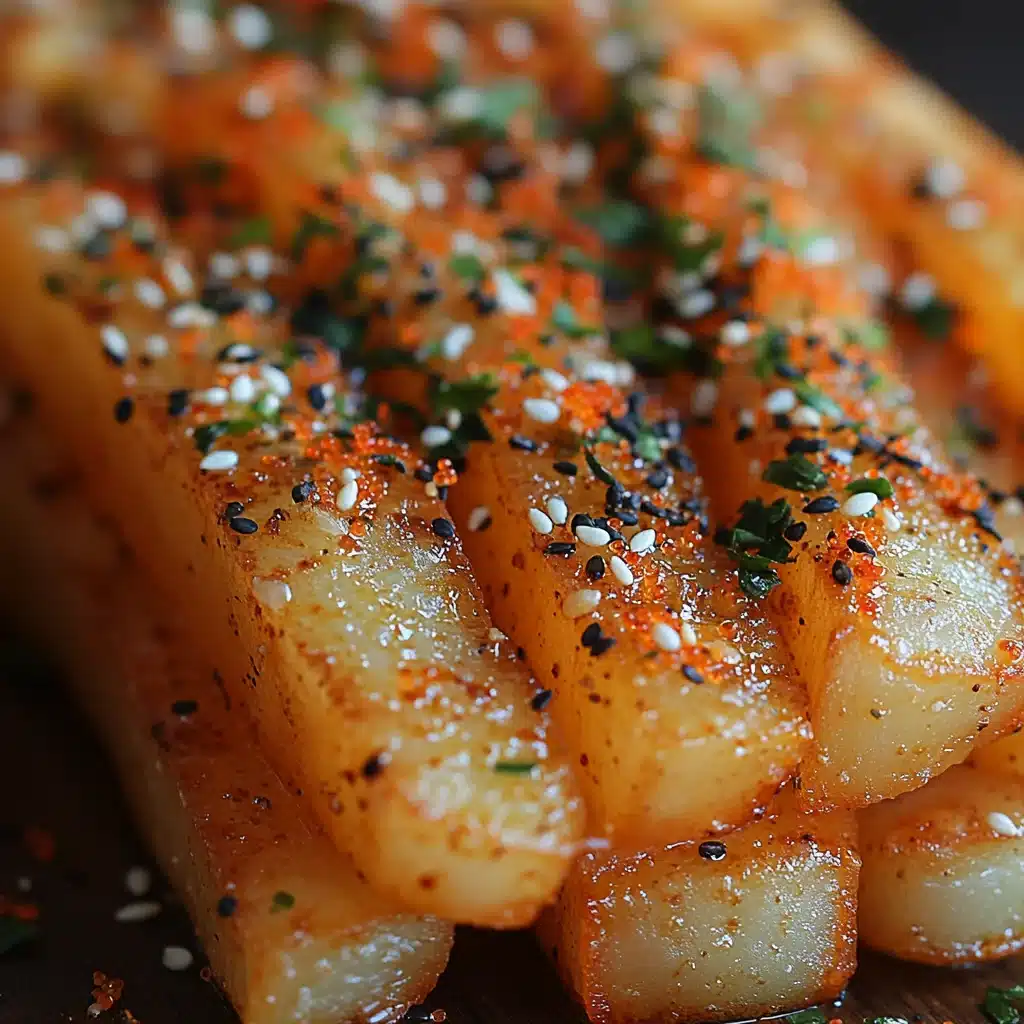
Transfer hot fries to a large bowl. Sprinkle generously with homemade furikake and toss vigorously to coat every fry. The heat from the fries activates the nori and sesame aromas, creating an intoxicating umami cloud. Serve immediately with dipping sauces. These make an incredible side dish for our smoked chicken drumsticks or alongside any burger night.
6 Best Dipping Sauces for Beef Tallow Fries
| Sauce | Ingredients | Difficulty | Flavor Profile |
|---|---|---|---|
| Kewpie Mayo | Japanese mayo straight from the bottle | None | Rich, tangy, eggy |
| Spicy Mayo | Kewpie mayo + Sriracha + lime juice | Easy | Creamy, spicy, tangy |
| Teriyaki aioli | Mayo + teriyaki sauce + ginger + garlic | Easy | Sweet, savory, umami |
| Wasabi dip | Sour cream + wasabi + rice vinegar | Easy | Cool, sharp heat |
| Ponzu dipping sauce | Soy sauce + citrus juice + mirin + dashi | Easy | Bright, salty, citrusy |
| Garlic truffle aioli | Mayo + truffle oil + roasted garlic + lemon | Medium | Earthy, luxurious |
How to Make Homemade Furikake?
Is Store-Bought Furikake Good Enough?
Store-bought works in a pinch but homemade is significantly better for this application. Commercial furikake is designed for rice (fine powder consistency), but for fries you want bigger, chunkier pieces of nori and sesame that create visible texture. Plus, homemade lets you control the salt level and add extras like bonito flakes, chili flakes, or togarashi. Making your own takes 5 minutes and produces enough for multiple batches of fries.
Homemade Furikake Instructions
Toast sesame seeds in a dry pan over medium heat for 2–3 minutes until fragrant and golden (watch constantly — they burn fast). Transfer to a bowl. Add crumbled nori, bonito flakes, sugar, salt, and red pepper flakes. Toss to combine. Store in an airtight jar for up to 1 month at room temperature. Double or triple this recipe for a ready supply.
Where to Buy Beef Tallow?
Beef tallow has made a massive comeback and is now widely available:
- Grocery stores: Whole Foods, Sprouts, and many mainstream grocers now stock it (cooking aisle)
- Online: Amazon, EPIC Provisions, US Wellness Meats, and FatWorks are popular brands
- Butcher shops: Ask for rendered tallow or buy beef suet and render it yourself
- Farmers markets: Often the best quality and most affordable option
- Render your own: Save beef fat trimmings, chop finely, cook on low in a pot until liquid gold forms, strain through cheesecloth
Grass-fed beef tallow has a cleaner flavor and higher nutrient content than conventional. Expect to pay $8–$15 per jar (about 1.5 lbs). For a complete beefy dinner, pair these fries with our crock pot pot roast — the leftover drippings from the roast can even supplement your tallow for the next fry.
Common Beef Tallow Fry Mistakes and Fixes
| Mistake | Result | Fix |
|---|---|---|
| Skipping the soak | Starchy, gummy coating | Soak 30+ minutes; rinse until water runs clear |
| Fries not dried before frying | Dangerous splattering, soggy crust | Pat bone-dry with towels |
| Overcrowding the pot | Temperature drops, steaming instead of frying | Fry in small batches, 1/3 of pot max |
| Only frying once | Limp fries that go soggy quickly | Double-fry method is non-negotiable |
| Oil temperature too low | Greasy, oil-soaked fries | Use thermometer; maintain 300°F/375°F |
| Adding furikake too late | Seasoning doesn’t stick | Toss while fries are piping hot |
| Using Yukon Gold potatoes | Too creamy, not crispy enough | Russet only — highest starch content |
Creative Variations on Beef Tallow Fries
Can You Make Beef Tallow Fries in an Air Fryer?
Yes, with modifications. Toss cut potatoes in 2 tablespoons melted beef tallow (instead of deep-frying). Air fry at 380°F for 20–25 minutes, shaking the basket every 5 minutes. The result is less dramatically crispy than deep-fried but still significantly better than vegetable oil air-fried versions. The beef tallow coating adds that characteristic beefy flavor even with less fat overall.
Loaded Furikake Fries
After tossing with furikake, pile fries on a plate and top with: Kewpie mayo drizzle, Sriracha, sliced scallions, sesame seeds, and thinly sliced nori strips. Add pulled pork or teriyaki chicken for a loaded version. This is essentially Japanese-American fusion poutine and it’s absolutely incredible, especially alongside our TikTok taco quesadillas for the ultimate fusion feast.
Truffle Parmesan Tallow Fries
Skip the furikake and toss hot fries with truffle oil, grated Parmesan, fresh parsley, and flaky sea salt. The beef tallow crunch + truffle combination is restaurant-level decadent. Serve as a premium side with baked halibut for an upscale dinner at home.
Cajun Tallow Fries
Toss hot fries with Cajun seasoning, garlic powder, and a squeeze of lemon. Serve with remoulade dipping sauce. The beef tallow’s richness absorbs and carries the Cajun spice beautifully.
How to Store and Reuse Beef Tallow
Can You Reuse Beef Tallow After Frying?
Yes — strain through cheesecloth or a fine mesh strainer while still warm (not hot) to remove food particles. Store in a glass jar in the refrigerator for up to 3 months or at room temperature for 1 month. Beef tallow can be reused 6–8 times for frying before it degrades. Discard when it darkens significantly, smells off, or smokes at lower temperatures than usual.
Beef Tallow vs. Other Frying Fats Comparison
| Fat | Smoke Point | Flavor | Reusability | Cost |
|---|---|---|---|---|
| Beef Tallow | 400°F | Rich, beefy, savory | 6-8 uses | $$ |
| Duck Fat | 375°F | Rich, poultry-forward | 5-6 uses | $$$ |
| Peanut Oil | 450°F | Neutral, slightly nutty | 3-4 uses | $$ |
| Vegetable Oil | 400-450°F | Neutral | 2-3 uses | $ |
| Lard | 370°F | Mild, porky | 4-5 uses | $ |
| Coconut Oil | 350°F | Sweet, tropical | 2-3 uses | $$ |
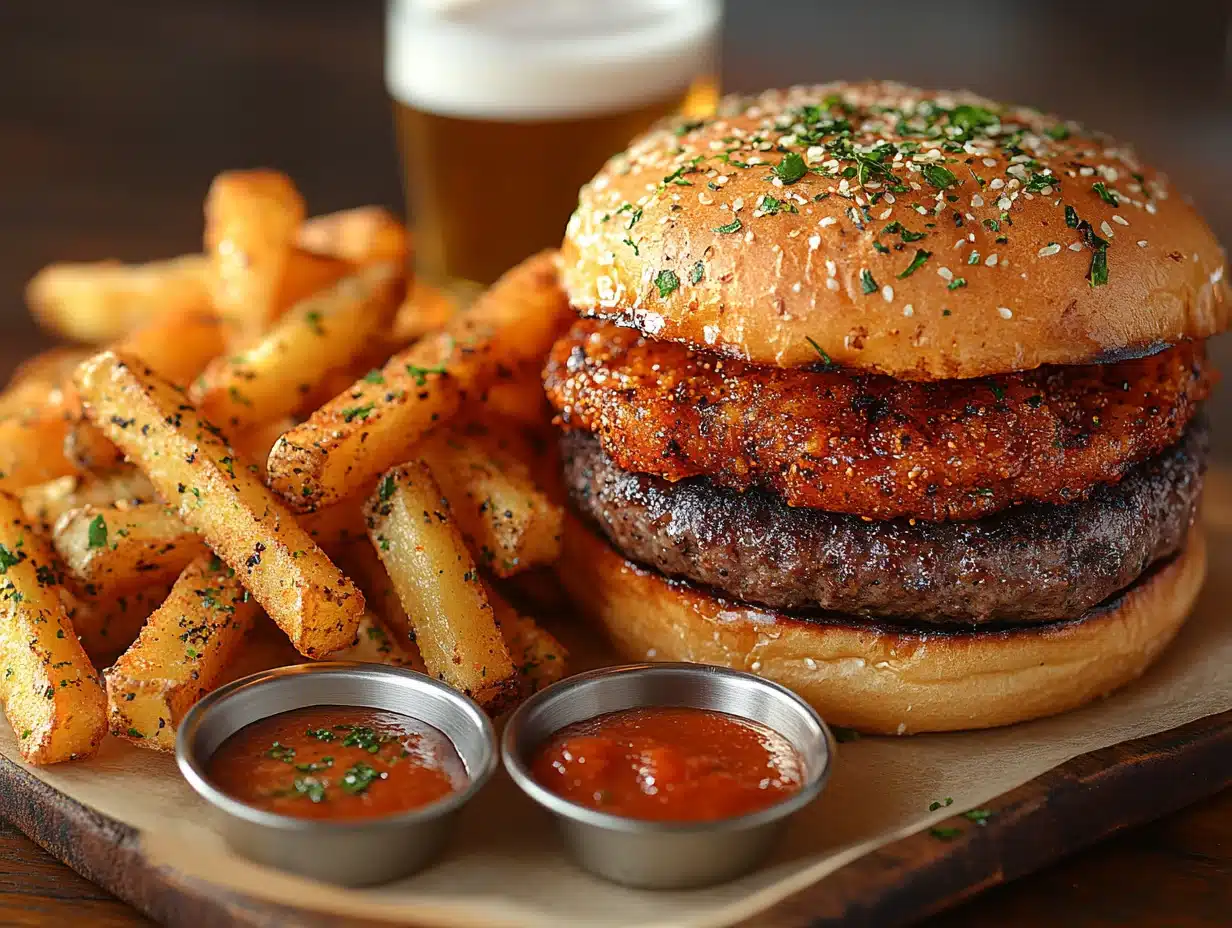
Serving Suggestions and Meal Pairings
Beef tallow fries with furikake are versatile enough to be a snack, appetizer, or side dish. Here are our favorite pairings to build a complete meal:
- Burger night: The quintessential pairing — tallow fries + smash burger is food perfection
- Steak dinner: Alongside a seared ribeye for an all-beef celebration
- Fish and chips: Swap standard chips for these furikake fries alongside baked halibut for an upscale twist
- BBQ feast: Perfect alongside smoked chicken drumsticks or pulled pork
- Fusion dinner: Pair with TikTok taco quesadillas for a fun casual dinner party
- Game day spread: Pile in a big bowl alongside wings, sliders, and dips
- Movie night snack: Replace popcorn with these fries and a few dipping sauces — trust us
Safety Tips for Deep Frying at Home
How to Prevent Oil Fires and Splattering
Deep frying with beef tallow is safe when you follow these critical rules: never fill your pot more than halfway with tallow (oil expands and bubbles when food is added). Always use a clip-on thermometer — overheated oil can ignite. Keep a lid nearby (not on the pot) to smother flames if needed — NEVER use water on a grease fire. Dry potatoes thoroughly before frying — water droplets in hot oil cause dangerous splattering. Keep children and pets away from the frying station. For a delicious and less frying-intensive dessert after your fries, try our mini pecan pies.

Beef Tallow Fries with Furikake
- Total Time: 50 minutes
- Yield: 4 servings 1x
Description
Ultra-crispy beef tallow fries topped with Japanese furikake seasoning. The crispiest homemade fries you will ever make.
Ingredients
- 2 lbs (4 large) Russet potatoes
- 3–4 lbs (enough to fill pot 3 inches deep) Beef tallow
- 1 tsp Fine salt
- 2 sheets, crumbled Nori sheets
- 2 tbsp Sesame seeds (mixed)
- 2 tbsp (optional) Bonito flakes
- 1 tsp Sugar
- ½ tsp Salt
- ¼ tsp (optional) Red pepper flakes
Instructions
- Cut and Soak the Potatoes (30 Minutes) — Peel the russet potatoes and cut into ¼-inch thick sticks (classic fry shape). Soak in a bowl of cold water for at least 30 minutes (up to 2 hours). This removes excess surface starch, which is the key to preventing fries from sticking together and achieving maximum crispiness. Drain and pat completely dry — wet potatoes in hot oil is dangerous and creates soggy fries.
- First Fry at 300°F — The Blanch Fry (5–6 Minutes) — Melt beef tallow in a heavy-bottomed pot or Dutch oven to 300°F. Working in small batches (don’t overcrowd — this drops the temperature), fry potatoes for 5–6 minutes until cooked through but still pale — no golden color yet. Remove to a wire rack. This first fry cooks the interior and begins building the crust structure. You can do this step hours ahead and leave the fries at room temperature.
- Second Fry at 375°F — The Crisp Fry (2–3 Minutes) — Increase tallow temperature to 375°F. Fry the blanched potatoes in batches for 2–3 minutes until deep golden brown and crispy. They’ll darken fast at this temperature — watch carefully. Remove to a paper-towel-lined tray and season immediately with fine salt while hot. The double-fry creates fries that stay crispy for 15–20 minutes instead of getting soggy in 5.
- Toss with Furikake — Transfer hot fries to a large bowl. Sprinkle generously with homemade furikake and toss vigorously to coat every fry. The heat from the fries activates the nori and sesame aromas, creating an intoxicating umami cloud. Serve immediately with dipping sauces. These make an incredible side dish for our smoked chicken drumsticks or alongside any burger night.
- Prep Time: 15 minutes
- Cook Time: 20 minutes
- Category: Side Dish
- Method: Frying
- Cuisine: Fusion
Nutrition
- Serving Size: 1 serving
- Calories: 380
- Sodium: 420mg
- Fat: 18g
- Saturated Fat: 8g
- Carbohydrates: 48g
- Fiber: 4g
- Protein: 6g
Frequently Asked Questions About Beef Tallow Fries
Do Beef Tallow Fries Taste Like Beef?
Subtly, yes — there’s a rich, savory depth that you won’t get from vegetable oil, but it doesn’t taste like eating a steak. It’s more of a background flavor that makes the fries taste “richer” and “more satisfying” without being overtly beefy. First-time tasters often describe it as “these taste like how I remember fries tasting as a kid.”
What Temperature Should Beef Tallow Be for Frying?
300°F for the first fry (blanch) and 375°F for the second fry (crisp). Always use a thermometer — oil temperature is the single most important variable in frying. Too low and fries absorb oil; too high and the outside burns before the inside cooks.
Can You Mix Beef Tallow With Other Oils?
Yes — a 50/50 mix of beef tallow and peanut oil is a popular compromise that gets some of the tallow flavor with the convenience and lighter taste of peanut oil. Duck fat is another excellent mixing partner. Avoid mixing with olive oil (too low a smoke point) or coconut oil (competing flavors).
How Long Do Beef Tallow Fries Stay Crispy?
Properly double-fried beef tallow fries stay crispy for 15–20 minutes at room temperature — significantly longer than single-fried vegetable oil fries (which go soggy in 5–7 minutes). Serve promptly and keep extra batches in a low oven (200°F) on a wire rack to stay warm and crispy.
Is Beef Tallow Safe for Deep Frying?
Absolutely — it was the standard frying fat for centuries before vegetable seed oils. Its high smoke point (400°F), chemical stability (saturated fats resist oxidation), and long reuse life make it ideal for deep frying. Use a heavy pot, never fill more than halfway with tallow, and always monitor temperature with a thermometer.
Where Does Furikake Come From?
Furikake originated in Japan in the early 1900s as a nutritional supplement — pharmacist Suekichi Yoshimaru created it to address calcium deficiency by grinding fish bones with sesame seeds and nori. Today it’s a ubiquitous condiment in Japanese cuisine, sprinkled on rice, onigiri, vegetables, popcorn, and — as this recipe proves — french fries.
Can You Make Beef Tallow Fries Without a Deep Fryer?
Yes — a Dutch oven or heavy-bottomed pot works perfectly. Fill 3 inches deep with tallow. Use a clip-on thermometer to monitor temperature. The heavy bottom distributes heat evenly. Many professional chefs actually prefer a pot over a dedicated deep fryer because of better temperature control.
What Are the Best Potatoes for Fries?
Russet (Idaho) potatoes are the only answer for truly crispy fries. Their high starch and low moisture content creates the fluffy interior and crispy shell that defines a great fry. Yukon Gold potatoes are too waxy (creamy result, not crispy). Sweet potatoes work with tallow but need different timing — they have more sugar and brown faster.
How Do You Cut Fries Evenly?
Square off the potato by cutting a thin slice from one side (creates a flat base). Place flat-side down, cut into ¼-inch planks, then cut each plank into ¼-inch sticks. A mandoline with a french fry blade makes this faster and more uniform. Even cutting ensures even cooking — thick fries will be raw when thin ones are burnt.
Can You Bake Fries in Beef Tallow Instead of Frying?
Yes — toss cut potatoes in 3 tablespoons melted tallow, spread on a sheet pan in a single layer (no overlapping), and bake at 425°F for 35–40 minutes, flipping once halfway. They won’t be as crispy as double-fried, but the tallow flavor comes through beautifully and cleanup is much easier. For an easy dinner, bake these while your Texas Roadhouse rolls are rising.

Written by Chef Anna
I'm Anna - a Le Cordon Bleu-trained chef, recipe developer, and the voice behind Chef Johns Gourmet. After a decade in professional kitchens, I now spend my mornings testing recipes and my afternoons writing them down so you can make them perfectly in your own kitchen. Every one of the 1,100+ recipes on this site has been personally cooked, tasted, and refined. I write like I'm standing next to you, walking you through every step. Simple recipes. Bold flavors. Made for real kitchens.