
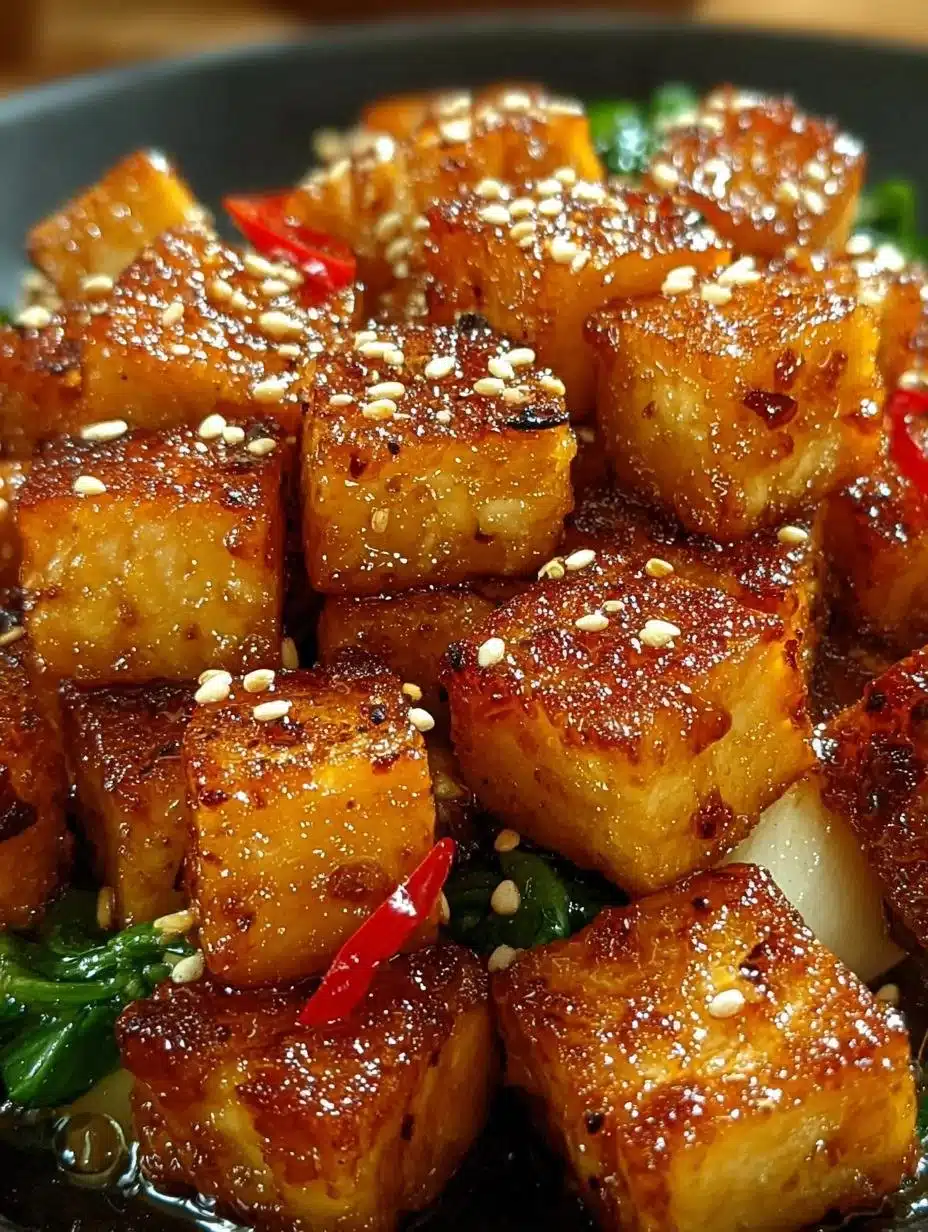
Key Takeaways
- Crispy tofu requires three non-negotiable steps: extra-firm tofu, thorough pressing (30+ minutes), and cornstarch coating before high-heat cooking.
- Press tofu with a heavy weight on top to remove 30% of its water — drier tofu equals crispier tofu, period.
- Cornstarch (not flour) is the secret to shatter-crisp exteriors that stay crispy even after saucing.
- Best methods ranked: deep fry (crispiest), air fryer (closest to fried with less oil), pan-fried (good with right technique), oven-baked (acceptable backup).
- Crispy tofu makes a complete meal with rice and vegetables — protein-packed, vegan, gluten-free, and freezer-friendly when uncooked.
Crispy tofu is the dish that converts tofu skeptics. Done right, it has the satisfying crunch of fried chicken, holds sauces like a champion, and provides 20+ grams of plant protein per serving. Done wrong, it’s flabby, mushy, and tastes like wet sponge — the dish that gives tofu its bad reputation. The difference isn’t the tofu itself; it’s understanding the three-step technique that transforms watery curd into golden, addictive bites. The same patient technique elevates our vegan tofu scramble breakfast burritos and cottage cheese pancakes.
What makes crispy tofu so universally appealing is its versatility. The same base technique produces tofu for stir-fries, grain bowls, sandwiches, salads, sushi rolls, tacos, and curry. Master the master recipe and you have a protein you can build hundreds of meals around — without ever feeling repetitive or boring. The techniques here apply equally well to firm and extra-firm tofu, pressed or unpressed, marinated or plain.
The Science of Why Tofu Gets Soggy
Tofu fails to crisp for one fundamental reason: water. Tofu is approximately 80% water by weight. When you place wet tofu in hot oil or a hot pan, the surface water must evaporate before browning can begin. By the time the surface dries enough to brown, the interior is overcooked and rubbery. Worse, the steam escaping from inside the tofu repeatedly re-wets the surface, preventing crust formation.
Pressing Removes the Enemy
Pressing extracts 25-30% of the water before cooking begins. With less water to evaporate, browning happens faster and at a lower temperature. The tofu interior also stays juicier (counterintuitively) because the cooking time is shorter. Press for at least 30 minutes; an hour is better; overnight is best for serious crispness.
Cornstarch Creates a Barrier
A thin coating of cornstarch absorbs surface moisture and forms a layer that conducts heat efficiently while protecting the tofu interior. As the cornstarch heats, it forms a glassy, crystalline structure that’s genuinely crunchy — much more so than flour-based coatings. The cornstarch also creates a porous surface that holds sauce beautifully without becoming soggy.
High Heat Is Mandatory
Tofu must hit hot oil or a hot pan immediately. Adding tofu to cool oil or a barely-warm pan guarantees soggy results. The surface needs to seize and brown within seconds of contact, locking in the structure before steam can escape. Use medium-high to high heat throughout cooking.
Choosing the Right Tofu
Tofu comes in dramatically different textures, and using the wrong type guarantees failure. For crispy tofu, extra-firm or firm is required. Silken, soft, or medium tofu cannot be made crispy — they’ll disintegrate. The good news: extra-firm tofu is the most widely available type in American supermarkets.
| Type | Water Content | Texture | Best For | Use for Crispy? |
|---|---|---|---|---|
| Silken | ~92% | Custard-like, falls apart | Smoothies, soups, dips | NO |
| Soft | ~88% | Tender, crumbles easily | Mapo tofu, soups | NO |
| Medium | ~84% | Sliceable but delicate | Steamed dishes | NO |
| Firm | ~80% | Sliceable, holds shape | Stir-fries, light sauteing | YES (with pressing) |
| Extra-firm | ~75% | Dense, holds shape well | Frying, baking, grilling | BEST CHOICE |
| Super-firm (vacuum-packed) | ~70% | Already dense; no pressing needed | Time-pressed cooks | YES (skip pressing) |
| Smoked | ~70% | Pre-firm, flavored | Quick salads, snacking | YES |
| Tofu puffs (pre-fried) | ~30% | Hollow, very absorbent | Curries, hot pots | Already crispy |
The Master Recipe
This is the foolproof method. Master it, then customize for your favorite flavors. Total time: 50 minutes (30 minutes pressing + 20 minutes active cooking). Yields 4 servings as protein in a meal.
Ingredients
1 (16-oz) block extra-firm tofu, 3 tablespoons cornstarch, 1/2 teaspoon kosher salt, 1/4 teaspoon black pepper, 1/2 teaspoon garlic powder, 3-4 tablespoons neutral oil (avocado, peanut, or grapeseed), optional finishing: 1 teaspoon toasted sesame oil, 1 teaspoon soy sauce, sliced scallions and sesame seeds for garnish.
Step 1: Press the Tofu (30+ minutes)
Remove tofu from package and drain. Wrap the entire block in a clean kitchen towel or several layers of paper towels. Place between two flat plates. Place a heavy weight (cast iron skillet, large books, or several cans) on top. Press for 30 minutes minimum, ideally 1 hour. The towel will be wet and the tofu will look noticeably more compact when ready.
Step 2: Cut and Season
Cut the pressed tofu into 1-inch cubes (or 3/4-inch for smaller, crispier pieces). For elegant rectangles, cut into 1/2-inch slabs then halve. In a bowl, toss tofu pieces with cornstarch, salt, pepper, and garlic powder until every surface is coated. The coating should be dry-looking, not pasty.
Step 3: Cook Until Golden
Heat oil in a large nonstick or cast-iron skillet over medium-high heat until shimmering. Add tofu in a single layer, spaced apart. Don’t crowd — work in batches if needed. Cook undisturbed for 3-4 minutes until the bottom is deep golden brown. Flip and cook 3-4 more minutes. Continue flipping every 2-3 minutes until all sides are crispy (about 12-15 minutes total).
Step 4: Finish and Serve
Transfer to a plate (use a wire rack if not serving immediately). Drizzle with sesame oil and soy sauce while still hot. Garnish with scallions and sesame seeds. Serve immediately for maximum crispness.
Cooking Method Comparison
Crispy tofu can be cooked four ways, each with trade-offs in time, oil use, and final crispness. Choose based on equipment and dietary goals.
| Method | Temperature | Time | Crispness | Oil Used |
|---|---|---|---|---|
| Deep frying | 375°F | 3-4 min total | 10/10 — shatter crisp | 4 cups |
| Pan-frying (cast iron) | Medium-high | 12-15 min | 9/10 — excellent | 3-4 tbsp |
| Pan-frying (nonstick) | Medium-high | 15-18 min | 8/10 — very good | 2-3 tbsp |
| Air fryer | 400°F | 15-18 min | 9/10 — excellent | 1-2 tbsp spray |
| Oven-baked (sheet pan) | 425°F | 25-30 min | 7/10 — acceptable | 2 tbsp |
| Convection oven | 425°F | 22-25 min | 8/10 — better | 2 tbsp |
| Grill (skewered) | Medium-high direct | 10-12 min | 7/10 — smoky | 2 tbsp brush |
| Broiler (top rack) | High broil | 10-12 min | 7/10 — fast | 2 tbsp |
Sauces That Cling Without Killing the Crisp
The whole point of crispy tofu is the crunch — but the sauce makes it irresistible. The trick is using sauces that are concentrated enough to flavor without saturating. Toss tofu with sauce just before serving, never let it sit. The same approach works for our teriyaki salmon noodles and honey garlic chicken breast.
| Sauce | Flavor Profile | Cling Factor | Best Pairing |
|---|---|---|---|
| General Tso’s | Sweet, tangy, spicy | Excellent (thick) | Rice, broccoli |
| Honey-soy-garlic | Sweet, savory, umami | Excellent (sticky) | Rice, bok choy |
| Korean gochujang glaze | Spicy-sweet-funky | Excellent (paste-based) | Rice, kimchi |
| Thai peanut | Nutty, sweet, savory | Excellent (thick) | Noodles, slaw |
| Black pepper | Savory, peppery, umami | Good (medium-thick) | Rice, bell peppers |
| Buffalo | Spicy, tangy, buttery | Good (thin but bold) | Ranch dip, celery |
| Sweet chili | Sweet, mildly spicy | Good (medium-thick) | Lettuce wraps, rice |
| Lemon-soy-ginger | Bright, savory, fresh | Light (use less) | Asian salads, grain bowls |
Marinating for Deeper Flavor
Pressed tofu is essentially a flavor sponge. Marinating before cooking infuses every bite. Marinate after cornstarch coating is impossible (cornstarch washes off), so marinate first, then drain and dry the surface before coating.
Quick 15-Minute Marinade
Whisk 3 tablespoons soy sauce, 1 tablespoon rice vinegar, 1 teaspoon sesame oil, 1 teaspoon grated ginger, 1 grated garlic clove, 1 teaspoon honey or maple syrup. Toss with cubed tofu. Marinate 15-30 minutes. Drain thoroughly, pat dry, then coat with cornstarch and proceed.
Overnight Asian Marinade
Combine 1/4 cup soy sauce, 2 tablespoons mirin, 2 tablespoons rice vinegar, 1 tablespoon sesame oil, 1 tablespoon grated ginger, 2 grated garlic cloves, 1 teaspoon Chinese five-spice powder. Marinate 4 hours to overnight in the refrigerator. Produces deeply flavored, savory-sweet tofu that needs almost no additional sauce.
Equipment That Makes a Difference
You don’t need fancy gear, but the right basics transform results. Most of these pieces serve other cooking purposes too.
| Tool | Why It Helps | Alternative |
|---|---|---|
| Tofu press (TofuBud, EZ Tofu Press) | Hands-off, even pressure | Plates + heavy weight |
| Cast-iron skillet (12″) | Best heat retention for crisping | Heavy nonstick or stainless |
| Wire cooling rack | Prevents steam-soggy bottoms | Crumpled paper towels |
| Air fryer (5+ qt basket) | Restaurant crisp, less oil | Convection oven setting |
| Sharp chef’s knife | Clean cuts = even cooking | Sharp paring knife |
| Silicone tongs | Gentle flipping without breakage | Wooden chopsticks |
| Heavy parchment | Non-stick baking surface | Silicone mat |
| Oil splatter screen | Cleaner stovetop frying | Cracked pan lid |
Common Mistakes and Solutions
Most crispy tofu failures come from the same handful of mistakes. Identify which one bit you, fix it next time, and your results improve dramatically.
| Problem | Cause | Solution |
|---|---|---|
| Soggy, not crispy | Insufficient pressing | Press 30+ min with heavy weight |
| Cornstarch falls off | Wet tofu surface | Pat tofu completely dry before coating |
| Coating burns before browning | Heat too high or oil smoking | Use medium-high, not maximum heat |
| Pieces stick to pan | Pan not hot enough or wrong pan | Preheat 3-4 min; use cast iron or nonstick |
| Mushy interior | Used wrong tofu type | Always use extra-firm or firm only |
| Falls apart when flipping | Flipped too early | Wait 3-4 min; tofu releases when ready |
| Greasy mouthfeel | Oil too cool, tofu absorbed | Heat oil until shimmering, then add |
| Lost crispness on serving | Sat in covered container or sauce | Serve within 5 minutes; sauce at table |
Five Variations Worth Mastering
Once you nail the master recipe, these variations expand your repertoire without requiring new techniques.
1. Crispy Sesame Tofu
Add 2 tablespoons sesame seeds to the cornstarch coating. After cooking, toss with sesame oil and a drizzle of honey-soy glaze. Garnish heavily with more sesame seeds.
2. Cajun Crispy Tofu
Replace garlic powder in the coating with 1 tablespoon Cajun seasoning. Serve with remoulade sauce or ranch. Pairs beautifully with rice and beans.
3. Korean Gochujang Tofu
After cooking, toss with sauce of 2 tablespoons gochujang, 1 tablespoon honey, 1 tablespoon soy sauce, 1 teaspoon sesame oil. Garnish with sesame seeds and scallions.
4. Buffalo Crispy Tofu
After cooking, toss with sauce of 1/3 cup hot sauce, 3 tablespoons melted butter (or vegan butter). Serve with celery sticks, carrots, and ranch or blue cheese dip.
5. Lemon-Pepper Crispy Tofu
Add 1 teaspoon lemon zest plus 1/2 teaspoon coarse black pepper to the coating. Finish with squeeze of fresh lemon. Bright, simple, and adult-sophisticated.
For more plant-based protein ideas, try our cottage cheese wraps, our quick no-bake energy bites, our no-bake chocolate protein bars, or pair with our strawberry spinach salad. Add to bowls with our chinese chop suey for the ultimate Asian-inspired meal.
Make-Ahead and Storage
Crispy tofu is best fresh, but you have options. Cooked tofu refrigerates 3 days in airtight containers. To re-crisp, reheat in air fryer at 400°F for 3-4 minutes or in a hot oven at 425°F for 5-7 minutes. Microwaving makes it rubbery — never use it.
Freezer-Friendly Pre-Pressed Tofu
Press and cube extra-firm tofu, then freeze on a parchment-lined tray until solid. Transfer to freezer bags. When ready to cook, thaw in refrigerator (texture becomes chewier and more meat-like — many people prefer it). Coat and cook as usual. Keeps 2 months.
Building Complete Meals Around Crispy Tofu
Crispy tofu shines as the protein in dozens of meal formats. Once you have a batch ready, you can build wildly different dinners depending on which sauce, grain, and vegetables you pair with it. The same protein supports Korean bibimbap, Thai stir-fries, Mexican-inspired tacos, Mediterranean grain bowls, and American-style buddha bowls without ever feeling repetitive.
For weeknight grain bowls, layer brown rice or quinoa, top with crispy tofu and a sauce, then add 2-3 vegetables (steamed broccoli, sliced cucumber, shredded carrot, sauteed mushrooms, kimchi). The crisp-soft-fresh texture combination is endlessly satisfying. Drizzle with sauce just before eating to preserve the tofu crispness. A simple soy-ginger-sesame dressing transforms a basic grain bowl into restaurant-quality territory in 30 seconds.
For tacos and lettuce wraps, season tofu with cumin, chili powder, smoked paprika, and lime zest before coating with cornstarch. After cooking, fill warm corn tortillas with tofu, shredded cabbage slaw, avocado, lime crema, and pickled red onions. The crisp tofu provides the textural backbone that meaty fillings usually deliver. Vegan, gluten-free, and genuinely satisfying for committed carnivores.
The Cultural History of Tofu
Tofu was invented in China during the Han Dynasty, approximately 2,000 years ago. Legend credits Prince Liu An (179-122 BCE), a Han prince and philosopher who sought to provide nutritious food for his elderly mother who could no longer chew meat. The technique of coagulating soy milk into solid curd spread throughout China during the following centuries, then traveled to Japan in the 8th century via Buddhist monks, who valued tofu as a meat-free protein source for vegetarian temple cuisine.
By the Edo period (1603-1868) in Japan, tofu had become a daily staple in Japanese households. Specialized tofu shops appeared in cities, each with their own water source and recipe. The Japanese refined tofu production into an art form, creating distinct regional varieties — silken Kyoto-style, firm farmhouse-style, deep-fried inari pouches, and freeze-dried koya tofu for winter storage. Each style developed alongside specific dishes that showcased its texture.
Tofu reached the West in the late 19th century but remained obscure until the 1960s and 70s, when American interest in vegetarianism and Asian cuisines exploded. Today, tofu is widely available in supermarkets across the world, with consumption growing 5-7% annually in Western countries. The crispy tofu technique that revolutionized perceptions of the food in restaurants — making it crave-able rather than virtuous — was popularized by Asian-American chefs in the 2000s and 2010s, and now appears on menus from Berlin to Buenos Aires.
Tofu Nutrition and Health Benefits
Beyond its culinary versatility, tofu is genuinely one of the most nutritious foods available to humans. A 3.5-ounce (100g) serving of extra-firm tofu provides about 14 grams of complete plant protein with all essential amino acids, plus 11% of daily calcium needs, 14% of iron, and significant amounts of magnesium, phosphorus, manganese, and selenium. It contains zero cholesterol and minimal saturated fat.
Research suggests regular tofu consumption may reduce risk of heart disease, certain cancers (especially breast and prostate), osteoporosis, and type 2 diabetes. The isoflavones in soy products like tofu have weak estrogenic effects that may benefit menopausal symptoms. Despite persistent internet myths, large meta-analyses show tofu consumption does not negatively affect male hormone levels or thyroid function in normal dietary amounts.
For weight management, tofu offers an exceptional protein-to-calorie ratio. The protein keeps you full while the modest fat and carbohydrate content makes it suitable for nearly every diet — vegan, vegetarian, gluten-free, low-carb, Mediterranean, and most religious dietary frameworks. Crispy tofu specifically pairs well with vegetables and whole grains for balanced, satisfying meals.
Whether you serve crispy tofu in a Korean stir-fry, Thai green curry, Mexican-inspired tacos, Mediterranean grain bowl, or simple weeknight dinner over rice, the technique stays the same: dry thoroughly, coat with cornstarch, fry hot, and sauce at the end for maximum crunch and flavor satisfaction every single time.
Frequently Asked Questions
Why doesn’t my tofu get crispy?
Three main causes: insufficient pressing (water prevents browning), wrong tofu type (must be extra-firm or firm), or oil/pan not hot enough (causes steaming instead of frying). Address all three for foolproof crispness.
Do I really need to press tofu before cooking?
Yes — pressing removes 25-30% of the water, which is the difference between crispy and soggy. Skip pressing only with super-firm vacuum-packed tofu (already low-moisture) or pre-frozen-and-thawed tofu (water already extracted).
What’s the best oil for frying tofu?
Use neutral, high-smoke-point oils: avocado oil (520°F smoke point), peanut oil (450°F), grapeseed oil (420°F), or refined vegetable oil (400°F). Avoid olive oil (smoke point too low) and coconut oil (flavor clashes with most savory applications).
Can I make crispy tofu without cornstarch?
Cornstarch produces the crispiest results. Substitutes that work: arrowroot powder (similar texture), tapioca starch (very crispy), potato starch (bakery-quality), or rice flour (slightly different but acceptable). All-purpose flour works in a pinch but isn’t as crispy.
How long does crispy tofu stay crispy after cooking?
Maximum 5-10 minutes at room temperature on a wire rack. Saucing or covering causes immediate sogginess. For party prep, fry tofu up to 30 minutes ahead and re-crisp in a 425°F oven for 3-5 minutes just before serving.
Can I bake crispy tofu instead of frying?
Yes — 425°F on a parchment-lined sheet for 25-30 minutes, flipping halfway. Air fryer at 400°F for 15-18 minutes produces better results (closer to fried). Both methods work but neither matches deep-fried for ultimate crispness.
How do I know when tofu is done cooking?
Look for deep golden-brown color on all sides and a hollow sound when tapped with a spoon. The tofu should release easily from the pan when ready — if it sticks, give it another minute. Internal texture should be firm but not dry.
Is crispy tofu healthy?
Pan-fried or air-fried crispy tofu (3-4 oz serving) provides 18-20g protein, 7-9g fat, and 4-5g carbs for about 180 calories. It’s an excellent protein source for vegetarians and a healthier alternative to fried meat. Deep-fried versions are higher in calories but still nutritious.
Can I freeze crispy tofu?
Cooked crispy tofu doesn’t freeze well — it loses its texture. However, raw extra-firm tofu freezes excellently and creates a chewier, more absorbent texture after thawing. Freeze pre-cubed tofu and cook from thawed when needed.
What’s the difference between firm and extra-firm tofu?
The main difference is water content. Firm tofu is about 80% water; extra-firm is about 75%. Both work for crispy tofu, but extra-firm needs less pressing time and produces slightly crispier results. Use whichever is available locally.

Written by Chef Anna
I'm Anna - a Le Cordon Bleu-trained chef, recipe developer, and the voice behind Chef Johns Gourmet. After a decade in professional kitchens, I now spend my mornings testing recipes and my afternoons writing them down so you can make them perfectly in your own kitchen. Every one of the 1,100+ recipes on this site has been personally cooked, tasted, and refined. I write like I'm standing next to you, walking you through every step. Simple recipes. Bold flavors. Made for real kitchens.