
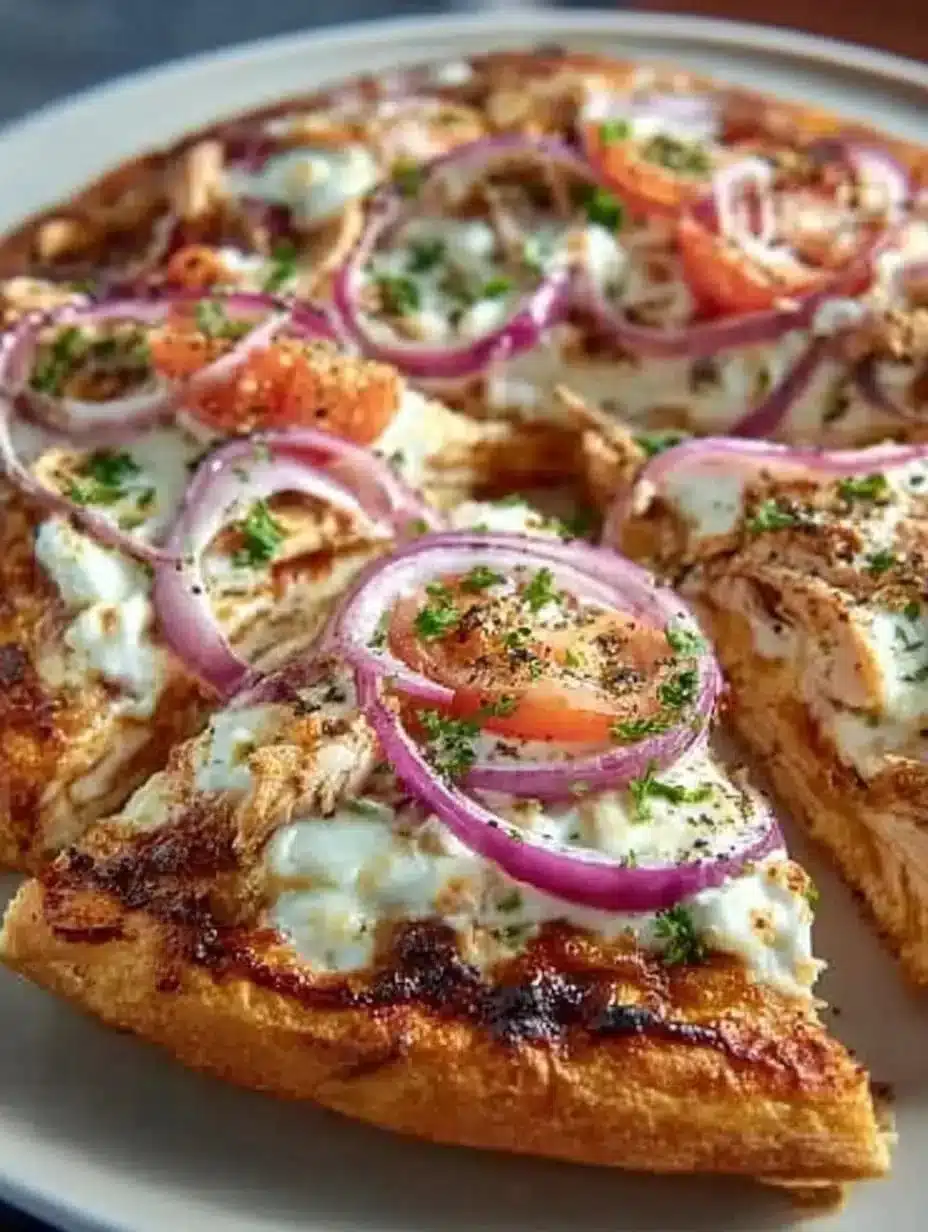
Key Takeaways
- Just 2 core ingredients: Greek yogurt and self-rising flour create a soft, chewy pizza dough with no yeast and no rise time required.
- 20-minute total time: 5 minutes to mix, 12-15 minutes to bake — faster than ordering delivery.
- 15g protein per crust: Greek yogurt nearly doubles the protein content compared to traditional pizza dough.
- Crispy bottom, soft top: Bake at 450°F on a preheated pizza stone or steel for the best texture contrast.
- Endlessly customizable: Works with any toppings, scales easily, and freezes beautifully for future pizza nights.
Why Greek Yogurt Pizza Crust Changed Weeknight Dinner Forever
Traditional pizza dough requires yeast, time, kneading, and a 1-2 hour rise. Greek yogurt pizza crust requires none of that. The acidity in the yogurt activates the leavening agents in self-rising flour, creating instant lift without proofing. The protein in the yogurt provides structure normally created by gluten development through kneading. The result is a soft, pliable, slightly tangy dough that comes together in under 5 minutes and bakes in 12-15.
This isn’t a compromise crust pretending to be pizza. It’s a genuinely good pizza dough with a different texture profile — slightly chewy, faintly tangy like sourdough, and significantly higher in protein than traditional crust. Once families try it on a busy Tuesday night, it often replaces ordering delivery entirely. The cost savings, time savings, and nutritional upgrade are too good to ignore.
The Science Behind 2-Ingredient Dough
Self-rising flour contains baking powder and salt premixed with all-purpose flour, typically about 1.5 teaspoons of baking powder per cup. When the lactic acid in Greek yogurt meets the alkaline baking powder, it triggers the same chemical leavening reaction that lifts pancakes and biscuits. The yogurt’s protein matrix holds the carbon dioxide bubbles in place, creating a soft, lifted texture without traditional gluten development.
Greek yogurt specifically — not regular yogurt — provides the right thickness. Regular yogurt is too thin and creates sticky, unmanageable dough. Greek yogurt has been strained, removing whey and concentrating both protein and dry matter. Use full-fat or 2% Greek yogurt for the best texture; nonfat works but produces a slightly drier crust. The 1:1 ratio of yogurt to flour by volume is the magic formula.
Greek Yogurt Pizza Crust vs Traditional Doughs
| Crust Type | Total Time | Protein/Slice | Texture | Skill Level |
|---|---|---|---|---|
| Greek Yogurt (this) | 20 min | ~8g | Soft, chewy, tangy | Beginner |
| Classic Yeast | 2+ hours | ~5g | Airy, crisp edges | Intermediate |
| Neapolitan | 24+ hours | ~5g | Light, blistered | Advanced |
| Cauliflower | 45 min | ~3g | Crisp, vegetal | Intermediate |
| Almond Flour | 30 min | ~9g | Dense, nutty | Beginner |
| Whole Wheat Yeast | 2+ hours | ~6g | Hearty, dense | Intermediate |
| Sourdough | 24+ hours | ~5g | Chewy, complex | Advanced |
| Store-bought refrigerated | 15 min | ~4g | Variable | Beginner |
Ingredients & Substitutions
| Ingredient | Amount | Substitute | Notes |
|---|---|---|---|
| Self-rising flour | 1 cup | 1 cup AP flour + 1.5 tsp baking powder + 1/4 tsp salt | Most important ingredient |
| Greek yogurt (full-fat) | 1 cup | 2% Greek yogurt | Nonfat works but drier |
| Olive oil (for brushing) | 1 tbsp | Avocado oil, melted butter | For golden crust edges |
| Pizza sauce | 1/3 cup | Marinara, pesto, white sauce | Don’t oversauce |
| Shredded mozzarella | 1.5 cups | Provolone, fontina, blend | Low-moisture melts best |
| Toppings | To taste | Any combination | Less is more |
| Cornmeal | 1 tbsp | Semolina, parchment paper | Prevents sticking |
| Italian herbs | 1 tsp | Fresh basil, oregano | Add after baking |
Step-by-Step Method for Perfect Crust
Preheat your oven to 450°F (230°C) with a pizza stone, steel, or inverted baking sheet inside for at least 30 minutes. The hot surface is critical for crispy bottoms. While the oven heats, combine 1 cup self-rising flour and 1 cup Greek yogurt in a bowl. Mix with a fork until shaggy, then turn onto a floured surface and knead gently 1-2 minutes until smooth. Don’t over-knead — you’re not developing gluten, just unifying.
Divide dough in half for two personal pizzas, or keep whole for one large. Roll on parchment paper to your desired thickness (1/4 inch is ideal). Brush edges with olive oil. Add a thin layer of sauce, leaving a 1-inch border. Top with cheese first, then toppings — this protects the crust from getting soggy. Slide the parchment directly onto the preheated stone and bake 12-15 minutes until edges are golden and cheese is bubbly. Let rest 2 minutes before slicing.
Topping Combinations That Work
| Style | Sauce | Cheese | Toppings | Finish |
|---|---|---|---|---|
| Margherita | San Marzano | Fresh mozzarella | Cherry tomatoes | Basil + olive oil |
| BBQ Chicken | BBQ sauce | Mozzarella + cheddar | Chicken, red onion, cilantro | Ranch drizzle |
| Pepperoni Classic | Marinara | Low-moisture mozz | Pepperoni | Red pepper flakes |
| White Garlic | Olive oil + garlic | Ricotta + mozzarella | Spinach, mushrooms | Lemon zest |
| Mediterranean | Pesto | Feta + mozzarella | Olives, sun-dried tomato, artichoke | Fresh herbs |
| Buffalo Chicken | Buffalo sauce | Mozzarella | Shredded chicken, blue cheese | Celery + ranch |
| Hawaiian | Marinara | Mozzarella | Ham, pineapple, jalapeño | Cilantro |
| Breakfast | White sauce | Cheddar + mozz | Bacon, egg cracked on top | Chives + hot sauce |
Equipment That Improves Results
| Tool | Why It Helps | Budget Alternative |
|---|---|---|
| Pizza steel | Best heat retention, crispiest bottom | Cast iron skillet inverted |
| Pizza stone | Great heat retention, traditional crust | Heavy baking sheet |
| Pizza peel | Easy transfer to hot stone | Inverted rimmed sheet pan |
| Bench scraper | Clean dough division | Sharp knife |
| Microplane | Fresh garlic, parmesan, lemon zest | Box grater fine side |
| Parchment paper | No-stick transfer to stone | Cornmeal-dusted peel |
| Pizza cutter | Clean slicing without dragging toppings | Sharp chef’s knife |
| Instant-read thermometer | Verify oven temp accuracy | 10-minute longer preheat |
5 Variations to Try
1. Garlic & Herb Crust: Add 1 tsp garlic powder, 1 tsp dried oregano, and 1/2 tsp salt to the flour before mixing. Brush baked crust with garlic-infused olive oil for restaurant-style flavor.
2. Whole Wheat Version: Replace half the self-rising flour with whole wheat flour plus 1/2 tsp extra baking powder. Adds fiber and nutty depth without sacrificing texture.
3. Cheesy Stuffed Crust: Roll dough slightly larger than your pan, place string cheese around the edge, fold dough over, and seal. Hot, melty cheese in every crust bite.
4. Flatbread Style: Roll thinner (1/8 inch), brush with olive oil, top with za’atar or everything bagel seasoning, and bake without sauce for crispy snack flatbread.
5. Sweet Dessert Pizza: Skip salt, add 1 tbsp sugar to the dough, bake plain, then top with Nutella, sliced strawberries, and powdered sugar for a quick dessert.
Troubleshooting Common Problems
| Problem | Cause | Fix |
|---|---|---|
| Sticky dough | Yogurt too thin | Add flour 1 tbsp at a time |
| Tough crust | Over-kneaded | Knead just 1-2 minutes max |
| Soggy bottom | Oven not hot enough | Preheat stone 30+ min at 450°F |
| Bland flavor | No salt or fat | Add salt; brush with oil; herbs |
| Doesn’t rise | Old self-rising flour | Replace flour or add fresh baking powder |
| Gummy texture | Underbaked center | Bake 2-3 minutes longer |
| Burnt edges | Oven too hot, thin edges | Lower to 425°F or shape evenly |
| Toppings slide off | Too much sauce | Use 1/3 cup max for thin layer |
Storage, Freezing & Meal Prep
Leftover baked pizza keeps in the refrigerator for 3 days; reheat in a 400°F oven for 5-7 minutes (skip the microwave — it makes crust soggy). For meal prep, make 4-6 par-baked crusts on a Sunday. Bake them plain at 450°F for 5 minutes, cool completely, then stack with parchment between and freeze in zip-top bags. They keep 3 months.
To use frozen par-baked crusts, no thawing needed. Top straight from frozen, return to a 450°F oven, and bake 8-10 minutes until cheese is bubbly. Pizza night becomes a 10-minute affair. This system has saved countless families from delivery costs while delivering better, healthier, fresher pizza than nearly any chain restaurant.
Pairing Ideas: Sides, Salads & Sauces
A crisp strawberry spinach salad balances rich pizza with fresh acidity and vibrant color. For starches alongside, perfect garlic bread doubles down on the Italian theme for hungry crowds. Looking for additional protein-rich mains? Try garlic parmesan chicken as a sheet-pan companion.
For lighter pizza nights, pair with cottage cheese wraps for added protein variety, or serve 3-ingredient banana pancakes as a brunch dessert. Vegetable-forward sides like vegetable lasagna turn pizza night into a full Italian feast. For finishing the meal, classic lemon bars or cottage cheese chocolate mousse deliver dessert satisfaction without overwhelming the palate. Round out the menu with peanut butter coffee smoothies for next-morning recovery.
The Cultural Story of Pizza Dough
Pizza in its modern form was born in Naples, Italy, in the late 18th century, where flatbreads topped with tomato sauce became affordable street food for the working class. The signature Neapolitan dough — slow-fermented for 24-48 hours, made with just flour, water, salt, and a pinch of yeast — remains the gold standard against which all pizza crusts are measured. Italian pizzaiolos spend years perfecting the art of stretching, shaping, and baking dough at temperatures exceeding 800°F in wood-fired ovens.
When Italian immigrants brought pizza to America in the early 20th century, the recipe evolved dramatically based on local conditions and tastes. New York-style pizza developed thinner, foldable slices with high-gluten flour. Chicago invented the deep-dish style baked in iron pans. Detroit pioneered the rectangular crispy-edged Sicilian. Each region adapted Italian technique to American ingredients, ovens, and palates, creating a uniquely diverse pizza culture unlike anywhere else in the world.
The Greek yogurt pizza crust represents an entirely modern, internet-era innovation. Originally credited to Australian fitness communities and adapted widely by Weight Watchers participants in the mid-2010s, the technique spread through TikTok and Instagram during the 2020-2022 pandemic baking boom. Home cooks discovered they could enjoy fresh pizza without yeast (often hard to find during lockdowns) or hours of waiting. The recipe has earned a permanent place in modern home cooking precisely because it solves real problems: time, accessibility, and nutrition.
Greek Yogurt: The Real Star Ingredient
Greek yogurt’s transformation from niche health food to mainstream pantry staple is one of the most successful food category creations in modern American grocery history. In 2007, Greek yogurt held less than 1% of US yogurt sales. By 2020, it commanded over 50% of the market, driven primarily by Chobani’s launch in 2007 and Fage’s earlier American expansion. The thick, protein-dense texture transformed how Americans thought about yogurt as both a snack and a cooking ingredient.
The straining process is what makes Greek yogurt unique. Traditional yogurt is fermented milk; Greek yogurt is fermented milk that has been strained through cheesecloth or a fine mesh to remove most of the whey. This concentrates the protein, removes much of the sugar (lactose), and creates the signature thick texture. A typical 6-oz serving of full-fat Greek yogurt contains 15-17g of protein — nearly three times more than regular yogurt — making it an ideal ingredient for adding nutrition to baked goods and dough.
For pizza dough specifically, Greek yogurt provides three crucial functions: moisture (replacing water and oil in traditional dough), structure (the protein creates a tender chew), and acid (lactic acid activates the baking powder in self-rising flour). This three-in-one functionality is why no other ingredient — not regular yogurt, not sour cream, not buttermilk — produces quite the same results in this specific recipe. The combination is genuinely unique to Greek yogurt’s particular profile.
Building Better Pizza Nights at Home
The economics of homemade pizza compared to delivery have shifted dramatically over the past decade. A large delivery pizza now averages $20-25 in most American cities once tax and tip are included. The same pizza made at home with Greek yogurt crust costs approximately $3-5 in ingredients, including premium toppings. For a family of four eating pizza weekly, switching from delivery to homemade saves roughly $1,000 per year while delivering fresher, customizable, more nutritious results.
The time investment also favors homemade pizza dramatically. Delivery pizza typically takes 30-60 minutes from order to door, with delivery quality declining steadily during transport. Greek yogurt pizza takes 20 minutes start to finish — and the family eats hot pizza directly from the oven instead of cold-spotted, condensation-soaked pizza from a delivery box. The taste difference is night and day, especially for thin or specialty styles where temperature loss most affects quality.
Beyond economics and time, homemade pizza nights create powerful family rituals. Children love rolling out their own personal pizzas and choosing their toppings. Teenagers can manage the entire process independently. Couples turn pizza-making into low-stakes date nights with wine and music. The Greek yogurt crust specifically lowers the skill barrier so dramatically that everyone in the family — including children as young as six — can participate meaningfully in dinner preparation. This shared cooking experience builds skills, confidence, and family bonds that delivery pizza simply cannot.
Health & Nutritional Profile in Detail
A typical slice of Greek yogurt pizza crust (1/8 of a large pizza) provides approximately 120 calories, 8g protein, 18g carbohydrates, 2g fat, 1g fiber, and minimal sodium beyond what’s in the self-rising flour. Add a quarter cup of marinara sauce (35 cal), 1.5 oz of part-skim mozzarella (110 cal, 8g protein), and modest toppings, and a complete slice typically lands around 280-320 calories with 18-22g of protein. For comparison, the equivalent slice from a major delivery chain often contains 350-400 calories with only 12-14g of protein.
The protein density makes Greek yogurt pizza particularly suitable for athletes, busy parents, and anyone tracking macros. Two slices provide roughly the same protein as a 6-oz chicken breast, making it a legitimate post-workout meal rather than an indulgence. The reduced sodium compared to commercial pizza dough (which often contains 500+ mg per slice from added preservatives) also benefits cardiovascular health when pizza becomes a regular part of the diet rather than an occasional treat.
Children’s nutrition particularly benefits from this swap. Pizza is among the top-consumed foods for American children, with the average child eating pizza at least once weekly. Replacing traditional crust with Greek yogurt crust adds 8-10g of protein per meal and reduces refined carbohydrate load slightly. Combined with vegetable-forward toppings (peppers, mushrooms, spinach, broccoli, tomato), pizza nights can deliver legitimate balanced nutrition rather than empty calories. Many parents report this single recipe shift improved their family’s overall protein intake and satiety more than any other dietary change they tried.
Pro Tips From Years of Pizza Testing
After making this recipe hundreds of times across many ovens, three details consistently make the biggest difference between good and great results. First, oven temperature accuracy matters enormously. Most home ovens run 25-50°F off their displayed temperature. Buy an inexpensive oven thermometer and verify your actual temperature; if your oven runs cold, increase the dial setting accordingly. Pizza needs genuine 450°F heat to develop proper bottom crispness in the 12-15 minute window.
Second, do not skip the resting time after baking. Just like steak, pizza benefits from a 2-3 minute rest before slicing. The cheese sets slightly, the crust firms up, and the toppings stop sliding around. Cutting immediately tears the crust and dumps cheese onto the cutting board. This small patience pays off in significantly better presentation and easier serving, especially when feeding a family with multiple slice requests at once.
Third, build flavor in layers rather than relying on a single component. A great pizza has flavor on the crust (olive oil, garlic, herbs), in the sauce (good tomatoes, salt, a touch of sugar), in the cheese (mix two or three for complexity), in the toppings (cooked aromatics like sauteed onions or mushrooms before baking), and on top after baking (fresh basil, flaky salt, chili oil, balsamic glaze, or a squeeze of lemon). Each layer contributes 10-15% to the final flavor; together they create restaurant-quality results from simple ingredients.
Whether you are feeding picky toddlers, hungry teenagers, or hosting a casual dinner party, this Greek yogurt pizza crust delivers consistent, crowd-pleasing results every single time. Make a double batch on Sunday, freeze the par-baked rounds, and pizza night becomes the easiest weeknight dinner in your rotation. The combination of speed, nutrition, customization, and genuinely great taste explains why this recipe has earned a permanent place in millions of modern home kitchens worldwide today.
Frequently Asked Questions About Greek Yogurt Pizza Crust
Can I taste the yogurt in the finished crust?
Barely. The yogurt provides a subtle tangy depth similar to sourdough, but it’s not pronounced once toppings are added. Most people can’t identify yogurt as the ingredient if you don’t tell them.
Why does my dough feel too sticky?
Greek yogurt brands vary in moisture content. If your dough is sticky, add flour 1 tablespoon at a time until it pulls away from the bowl. The dough should be soft but workable, not gluey.
Can I use plain regular yogurt instead of Greek?
Not recommended. Regular yogurt has too much whey and creates an unmanageable wet dough. If you only have regular yogurt, strain it through cheesecloth for 4 hours to thicken it first.
Is this crust healthier than regular pizza dough?
Yes — significantly higher protein (15g per crust vs 8g for traditional), no added oils in the dough itself, and fewer total carbs per gram than yeast-leavened doughs.
Can I make this gluten-free?
Use a 1:1 gluten-free self-rising flour blend (or add baking powder and salt to a GF AP flour). Texture will be slightly more fragile but flavor remains excellent.
Why is my crust gummy in the middle?
Underbaking. Personal pizzas need 12-15 minutes; large pizzas may need 18-20. Bottom should be golden brown when lifted with a spatula, not pale.
Can I prep the dough ahead of time?
Mix and refrigerate up to 24 hours. The leavening loses some power overnight, but the dough still bakes up nicely. Best made fresh for maximum lift.
What’s the best cheese for this crust?
Low-moisture mozzarella melts best without making the crust soggy. Avoid fresh mozzarella balls unless you slice and pat them dry first — they release too much water.
Can I cook this on a grill instead of oven?
Absolutely. Preheat grill to high (500°F+), oil the grate, and cook each side 3-4 minutes. Add toppings during the second flip and close the lid.
Does this work in an air fryer?
Yes for personal pizzas. Roll thinner, transfer to air fryer basket on parchment, top, and air fry at 400°F for 8-10 minutes until cheese bubbles.

Written by Chef Anna
I'm Anna - a Le Cordon Bleu-trained chef, recipe developer, and the voice behind Chef Johns Gourmet. After a decade in professional kitchens, I now spend my mornings testing recipes and my afternoons writing them down so you can make them perfectly in your own kitchen. Every one of the 1,100+ recipes on this site has been personally cooked, tasted, and refined. I write like I'm standing next to you, walking you through every step. Simple recipes. Bold flavors. Made for real kitchens.