
Key Takeaways
- Homemade tartar sauce takes just 5 minutes to make, requires only 8 simple ingredients, and tastes dramatically better than any store-bought version you have ever tried.
- The secret to exceptional tartar sauce is the balance of creaminess, tang, crunch, and brightness — mayonnaise provides the base, pickles add crunch, lemon juice contributes zing, and fresh dill ties everything together.
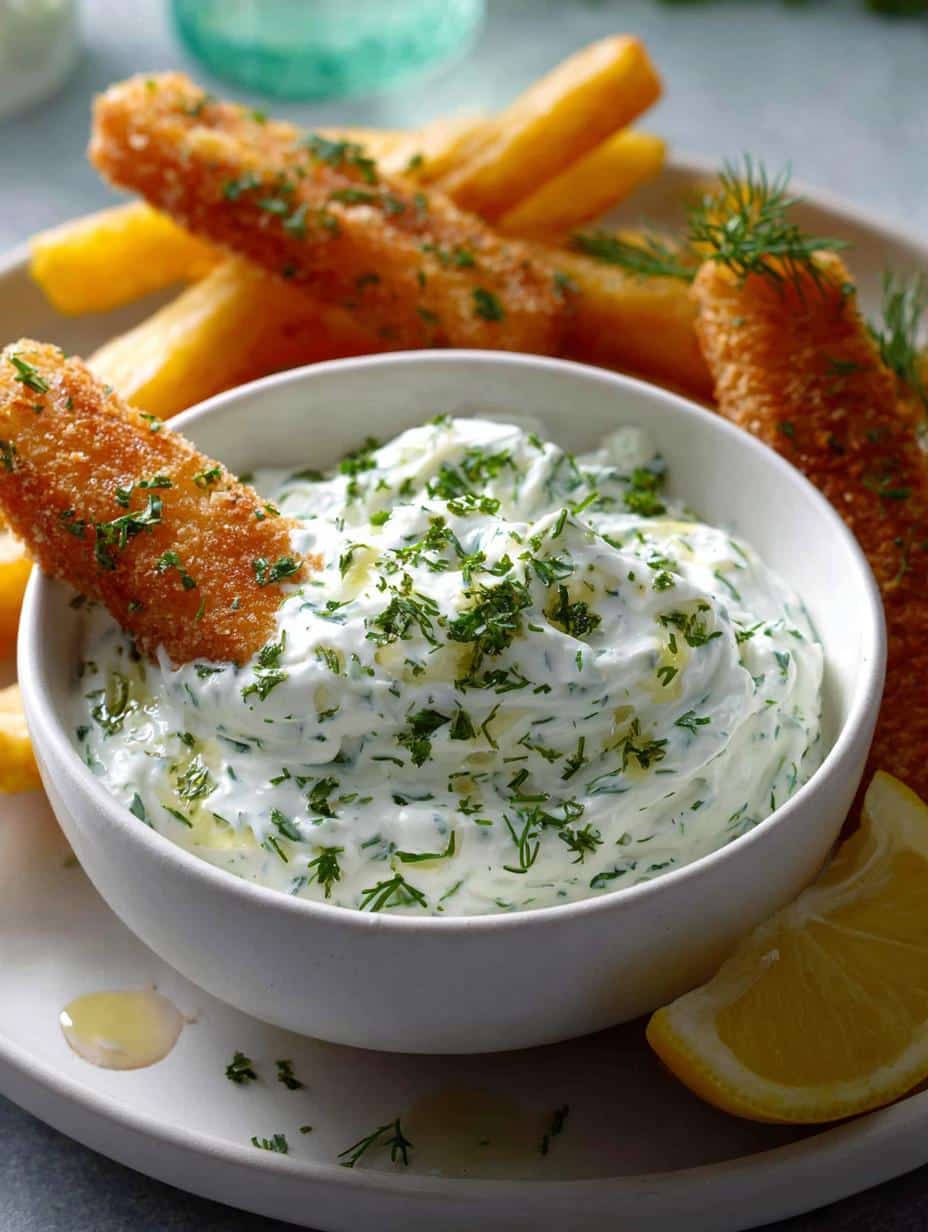
- This recipe produces a thick, scoopable sauce that clings perfectly to fried fish, shrimp, crab cakes, and fish sticks without running off or soaking into the breading.
- Homemade tartar sauce keeps for up to 2 weeks refrigerated, actually improving in flavor after the first day as the ingredients meld together.
- Once you master the base recipe, you can customize it endlessly — add capers for a Mediterranean twist, horseradish for heat, or Old Bay for a Chesapeake Bay-style sauce.
- Serve alongside crispy Spanish fried sardines or any pan-fried fish for the ultimate seafood experience.
Why Homemade Tartar Sauce Is Worth Making from Scratch
Store-bought tartar sauce is one of the most underwhelming condiments on supermarket shelves. It is typically made with cheap soybean oil mayonnaise, minimal pickles, and an abundance of preservatives that leave it tasting flat, one-dimensional, and vaguely chemical. Homemade tartar sauce, by contrast, is a revelation — bright, tangy, herbaceous, and textured with real pickle pieces that give every bite a satisfying crunch.
The difference between homemade and store-bought is so dramatic that people who claim they do not like tartar sauce frequently change their mind after tasting freshly made. The fresh lemon juice adds a brightness that bottled versions completely lack, the dill contributes an herbal complexity that dried dill cannot match, and the ratio of solid ingredients to mayonnaise is far more generous than commercial versions that stretch their product with excessive base.
Beyond taste, homemade tartar sauce gives you complete control over quality and ingredients. You can use high-quality mayo made with avocado oil, choose organic pickles, adjust salt and sweetness, and avoid the high-fructose corn syrup, calcium disodium EDTA, and artificial flavors found in most commercial brands. For anyone who cares about what they eat, homemade is the only real option.
| Feature | Homemade Tartar Sauce | Store-Bought (Standard) | Store-Bought (Premium) |
|---|---|---|---|
| Prep time | 5 minutes | 0 (buy and open) | 0 (buy and open) |
| Cost per cup | ~$1.50 | ~$2.50 | ~$4.00+ |
| Pickle ratio | Generous, chunky | Minimal, finely diced | Moderate |
| Freshness | Bright, vibrant | Flat, muted | Good |
| Preservatives | None | Multiple (EDTA, etc.) | Fewer |
| Customizable | Completely | Not at all | Not at all |
| Shelf life | 2 weeks refrigerated | 6-12 months sealed | 6 months sealed |
| Flavor depth | Complex, layered | One-note | Better |
| Texture | Thick, chunky | Smooth, thin | Medium |
Essential Ingredients for the Best Tartar Sauce
Great tartar sauce depends on just a few high-quality ingredients working in harmony. Each component serves a specific purpose — the mayonnaise creates the creamy base, the pickles provide crunch and tang, the lemon adds brightness, and the herbs contribute freshness that elevates the entire sauce from simple to special.
Mayonnaise is the foundation and accounts for about 70% of the sauce by volume. Use the best quality you can afford — Hellmanns, Dukes, or Kewpie Japanese mayo all produce excellent results. Avoid miracle whip or salad dressing, which are sweeter and tangier than real mayo and will throw off the flavor balance. For a healthier option, Primal Kitchen avocado oil mayo works beautifully and keeps the recipe clean.
Dill pickles are the defining ingredient that separates tartar sauce from other mayo-based sauces. Finely dice them by hand rather than using a food processor — the processor turns them to mush and releases too much liquid. You want small, distinct pieces (about 1/8 inch) that provide texture in every bite. Cornichons (French baby pickles) are the premium choice — their crunchier texture and more complex sour flavor produce a noticeably superior sauce.
The combination of fresh lemon juice and fresh dill is what makes homemade tartar sauce taste alive compared to store-bought. Bottled lemon juice and dried dill simply cannot replicate the brightness and complexity of fresh. One tablespoon of fresh lemon juice and two tablespoons of chopped fresh dill transform the sauce from good to exceptional. This same principle of fresh-over-dried applies when making Texas Roadhouse salmon — fresh herbs make all the difference.
| Ingredient | Amount | Role | Best Choice | Substitution |
|---|---|---|---|---|
| Mayonnaise | 1 cup | Creamy base | Hellmanns / Dukes | Greek yogurt (lighter version) |
| Dill pickles | 1/3 cup, finely diced | Crunch + tang | Cornichons | Sweet relish (sweeter result) |
| Lemon juice | 1 tbsp, fresh | Brightness + acidity | Fresh squeezed | White wine vinegar |
| Fresh dill | 2 tbsp, chopped | Herbal freshness | Fresh from bunch | 1 tsp dried dill (weaker) |
| Dijon mustard | 1 tsp | Depth + mild heat | Grey Poupon | Yellow mustard (milder) |
| Capers | 1 tbsp, chopped | Briny pop + complexity | Nonpareil (small) | Chopped green olives |
| Shallot | 1 tbsp, finely minced | Savory allium note | Fresh shallot | Red onion (sharper) |
| Salt + pepper | To taste | Seasoning | Flaky sea salt | N/A |
How to Make Tartar Sauce Step by Step
Step 1: Prepare the Solid Ingredients
Finely dice 1/3 cup of dill pickles (or cornichons) into uniform 1/8-inch pieces. Mince 1 tablespoon of shallot as finely as possible — larger pieces create an overpowering raw onion bite. Roughly chop 1 tablespoon of capers (leave very small ones whole). Chop 2 tablespoons of fresh dill fronds, discarding the thicker stems. Place all the solid ingredients on a paper towel and gently pat to remove excess moisture — this step is critical for preventing a watery sauce.
Step 2: Mix the Base
In a medium bowl, combine 1 cup of mayonnaise, 1 tablespoon of fresh lemon juice, and 1 teaspoon of Dijon mustard. Whisk until smooth and completely combined — the lemon juice and mustard should be fully incorporated with no streaks visible. The Dijon adds a subtle warmth and helps emulsify the lemon juice into the mayo so the sauce stays cohesive rather than separating.
Step 3: Fold in the Solids and Season
Add all the prepared solid ingredients (pickles, shallot, capers, and fresh dill) to the mayo base. Fold gently with a spatula rather than whisking — you want to preserve the distinct texture of each ingredient rather than breaking them down further. Season with salt and freshly ground black pepper to taste. A tiny pinch of sugar (1/4 teaspoon) is optional but helps balance the acidity if your pickles are particularly sour.
Step 4: Rest for Maximum Flavor
Cover the bowl with plastic wrap and refrigerate for at least 30 minutes before serving. This resting period allows the shallot to mellow, the dill to infuse the mayo with its flavor, and the pickle juice to distribute throughout the sauce. Tartar sauce made immediately is good — tartar sauce rested for 30 minutes to overnight is exceptional. The longer it sits (up to 24 hours), the more complex and unified the flavor becomes.
What Makes Tartar Sauce the Perfect Companion for Seafood?
The science behind why tartar sauce pairs so perfectly with fried fish is rooted in flavor chemistry. Seafood primary flavor compounds are amines — nitrogen-containing molecules that give fish its characteristic taste. Acidic ingredients (lemon juice, pickle brine, vinegar in the mayo) neutralize these amines through a chemical reaction, literally reducing the fishy flavor and replacing it with clean, bright taste. This is the same reason squeezing lemon on fish works — tartar sauce simply delivers that acid in a more complex, enjoyable format.
The creamy fat in mayonnaise serves a complementary purpose. Fat is a flavor carrier — it coats your palate and extends the duration of flavor perception. When you dip a piece of crispy fried fish in tartar sauce, the fat carries the combined flavor of the fish, the breading, and the sauce across your tongue for a prolonged, satisfying experience rather than a quick flash of taste that disappears. This is why buttery, creamy sauces have been paired with seafood across virtually every culinary tradition.
The textural contrast is equally important. Fried fish has a crispy exterior that transitions to flaky, tender flesh inside. Tartar sauce adds a third texture — cool, creamy, and studded with crunchy pickle bits. This layering of textures creates maximum sensory engagement in every bite, which is why tartar sauce with fried fish is one of the most enduringly popular food pairings in Western cuisine. Try this alongside sheet pan shrimp fajitas for a brilliant fusion twist.
| Food | Pairing Rating | Serving Style | Why It Works |
|---|---|---|---|
| Fish and chips | 5/5 stars | Dipping sauce on side | Classic combination — acid cuts grease, cream balances crunch |
| Crab cakes | 5/5 stars | Dollop on top | Rich crab + tangy sauce = perfect balance |
| Fish sticks | 5/5 stars | Dipping sauce | Upgrades frozen fish sticks for kids and adults |
| Fried shrimp | 4/5 stars | Cocktail-style dipping | Creamy alternative to cocktail sauce |
| Grilled salmon | 4/5 stars | Drizzle or side | Cool sauce contrasts warm fish |
| Fried oysters | 4/5 stars | Small dollop | Briny oyster + tangy sauce = seafood heaven |
| French fries | 3/5 stars | Dipping | Surprisingly good — tangy alternative to ketchup |
| Veggie burgers | 3/5 stars | Spread on bun | Adds moisture, tang, and pickle crunch |
How to Store Tartar Sauce and Keep It Fresh
Homemade tartar sauce stores beautifully in the refrigerator for up to 2 weeks in an airtight container. Glass jars with tight-fitting lids (like mason jars) are ideal because glass does not absorb odors and allows you to see the contents. Press a piece of plastic wrap directly onto the surface of the sauce before closing the lid — this prevents oxidation that can cause the top layer to discolor slightly.
The sauce actually improves over the first 24-48 hours as the flavors meld and the shallot mellows. Day-two tartar sauce tastes noticeably more complex than freshly made. After about 10 days, the fresh dill begins to lose its vibrancy, and the sauce may thin slightly as the pickle liquid gradually releases. Stir well before each use, as some separation at the bottom is normal and not a sign of spoilage.
Tartar sauce does not freeze well — the mayonnaise base breaks when thawed, resulting in a watery, separated mess that cannot be re-emulsified. If you need sauce for a future event, prepare the dry ingredients (diced pickles, chopped capers, minced shallot, chopped dill) and store them together in the freezer. When ready, thaw and fold into fresh mayo with lemon juice. This prep-ahead method delivers 90% of the convenience with 100% of the quality. Pair your batch with honey garlic chicken for a unique chicken tender dipping sauce.
Creative Variations on Classic Tartar Sauce
How Do You Make Spicy Tartar Sauce?
Add 1-2 teaspoons of sriracha or 1 teaspoon of prepared horseradish to the base recipe. For a smokier heat, use 1/2 teaspoon of chipotle powder or a minced chipotle pepper in adobo. The spicy version is exceptional with fried catfish, po-boy sandwiches, and tempura shrimp. Start with less heat than you think you need — you can always add more, but you cannot remove it. A dash of hot sauce at the end is the easiest way to dial in precisely the heat level you want.
What Is Remoulade and How Does It Differ from Tartar Sauce?
Remoulade is tartar sauce bolder, more complex cousin. Start with the base tartar sauce recipe and add 1 tablespoon of whole grain mustard, 1 teaspoon of smoked paprika, 1 minced garlic clove, 1 teaspoon of hot sauce, and 1 tablespoon of chopped fresh parsley. The result is a spicier, more assertive sauce with deeper color that is traditional in Cajun cooking. Remoulade is particularly excellent with blackened fish, fried green tomatoes, and crab cakes.
Can You Make a Lighter Tartar Sauce?
Replace half the mayonnaise with plain Greek yogurt for a lighter version that retains the creamy texture while cutting calories and fat roughly in half. The yogurt adds extra tang that actually complements the pickles and lemon juice beautifully. For the lightest possible version, use all Greek yogurt — but add an extra teaspoon of lemon juice and a pinch of sugar to compensate for the stronger tang. Light tartar sauce goes great on top of balsamic baked chicken for a low-calorie protein meal.
What Is Japanese-Style Tartar Sauce?
Japanese tartar sauce (used at tempura restaurants) swaps dill pickles for finely diced pickled ginger and uses Kewpie mayo, which is richer and slightly sweeter than Western mayo. Add finely diced hard-boiled egg, rice vinegar instead of lemon juice, and a tiny splash of soy sauce. The result is smoother, richer, and more umami-forward than Western versions. It pairs beautifully with tempura, tonkatsu, and any fried seafood.
The History and Origins of Tartar Sauce
Tartar sauce has a fascinating etymology that traces back centuries. The name comes from the French sauce tartare, which itself references the Tatars of Central Asia, though the historical connection between the nomadic Tatars and a creamy pickle sauce is more mythology than fact. The sauce as we know it today was codified in 19th-century French cuisine, appearing in Auguste Escoffiers Le Guide Culinaire as a mayonnaise-based sauce with pickles, capers, and herbs.
In its original French form, tartar sauce was a more refined condiment than the American version — made with cornichons, capers, chervil, tarragon, and chives folded into a high-quality mayonnaise. The American adaptation simplified the recipe, replacing the delicate French herbs with dill and the cornichons with regular dill pickles. Some American versions added sweet pickle relish, creating the sweeter, less complex sauce that dominates fast food and supermarket shelves today.
Every fish-eating culture has developed its own version of a creamy, tangy sauce for seafood. The British have their chip shop tartar sauce (simpler, often sweeter), Scandinavians have remouladsas, the Japanese have their egg-heavy tartar, and many Mediterranean cuisines serve various aioli-based sauces with fried fish. This universal pattern confirms the fundamental flavor chemistry — acid and fat are the essential companions for seafood across every culinary tradition. The tradition applies when serving teriyaki salmon noodles with a side of tartar for an East-meets-West experience.
| Country/Region | Name | Base | Key Difference | Best Served With |
|---|---|---|---|---|
| France (original) | Sauce Tartare | Mayo + cornichons | Tarragon, chervil, capers | Sole meuniere, fish quenelles |
| United States | Tartar Sauce | Mayo + dill pickles | Simpler, sometimes sweeter | Fish and chips, fish sticks |
| Japan | Tarutaru Sosu | Kewpie mayo + egg | Pickled ginger, rice vinegar | Tempura, tonkatsu |
| Scandinavia | Remouladsas | Mayo + mustard | Curry powder, pickled cabbage | Open-faced fish sandwiches |
| Louisiana (Cajun) | Remoulade | Mayo + Creole mustard | Paprika, hot sauce, garlic | Fried catfish, po-boys |
| UK (chip shop) | Tartar Sauce | Mayo + gherkins | Sweeter, thinner, malt vinegar | Battered cod, mushy peas |
| Mediterranean | Aioli/Skordalia | Garlic + oil (or mayo) | Heavy garlic, no pickles | Grilled fish, calamari |
Use this quick reference to answer all your tartar sauce questions at a glance. Whether you are making it for a weeknight dinner or a large gathering, these answers help ensure perfect results every time. For another easy condiment project, try making a simple glaze for slow cooker chicken shawarma — it takes the same set-it-and-forget-it approach.
| Question | Answer | Pro Tip |
|---|---|---|
| How long to make? | 5 minutes active | Rest 30 min for best flavor |
| How long does it keep? | 2 weeks refrigerated | Day 2 tastes best |
| Can you freeze it? | Not recommended | Freeze prepped solids only |
| Best pickles to use? | Cornichons or dill | Always pat dry first |
| Can you lighten it? | Sub half mayo with yogurt | Add extra lemon to balance |
| Serving amount | 2 tbsp per person | Make extra for leftovers |
Frequently Asked Questions About Tartar Sauce
How long does homemade tartar sauce last?
Homemade tartar sauce lasts up to 2 weeks when stored in an airtight container in the refrigerator. It tastes best between days 1-10 when all the ingredients are at their freshest. Always use a clean spoon when scooping to prevent bacterial contamination. If the sauce develops an off odor or changes color significantly, discard it.
What is tartar sauce made of?
Traditional tartar sauce is made from mayonnaise, finely diced dill pickles (or cornichons), fresh lemon juice, capers, minced shallot, fresh dill, and Dijon mustard. Some variations include hard-boiled egg, fresh parsley, or sweet pickle relish. The base is always mayo with pickled or acidic ingredients for tang and fresh herbs for brightness.
Can you make tartar sauce without capers?
Yes. Capers add a distinctive briny pop but are not essential. Substitute finely chopped green olives for a similar briny flavor, or simply add an extra tablespoon of chopped pickles. If you omit capers without substitution, the sauce will be slightly less complex but still excellent — many classic American tartar sauce recipes do not include capers at all.
Is tartar sauce healthy?
In moderation, tartar sauce is perfectly fine nutritionally. A typical 2-tablespoon serving contains about 140 calories, 14g fat, and minimal carbohydrates. The fat comes primarily from mayonnaise, which can be made with healthy oils (olive or avocado). For a lighter version, substitute half the mayo with Greek yogurt, reducing calories by about 40% while adding protein.
Why does my tartar sauce get watery?
Watery tartar sauce is almost always caused by pickles that were not properly drained. Always pat diced pickles dry on paper towels before adding them to the mayo. Other causes include using low-quality mayo that separates easily, adding too much lemon juice, or storing for too long. If the sauce becomes watery, stir in a tablespoon of fresh mayo to re-thicken.
Can you use sweet relish instead of dill pickles?
You can, but the flavor profile changes significantly. Sweet relish produces a sweeter, milder tartar sauce that many Americans grew up with and prefer. For the most authentic, restaurant-quality result, use dill pickles or cornichons. A compromise approach is using half dill pickles and half sweet relish for a balanced sweet-tangy sauce.
What is the difference between tartar sauce and mayonnaise?
Mayonnaise is a base condiment made from oil, egg yolks, and acid (lemon or vinegar). Tartar sauce is a compound sauce that starts with mayo as its base and adds pickles, herbs, capers, shallots, and additional seasonings. Think of mayo as a blank canvas and tartar sauce as the finished painting — tartar sauce is always built on mayo, but mayo alone is not tartar sauce.
Can you make tartar sauce with Greek yogurt?
Yes, and the result is surprisingly good. Replace all the mayo with full-fat Greek yogurt for a lighter, tangier sauce with significantly more protein and less fat. Add an extra teaspoon of lemon juice and a pinch of sugar to balance the stronger tartness. The texture is slightly thinner than mayo-based tartar sauce but perfectly functional as a dipping sauce or spread.
Does tartar sauce need to be refrigerated?
Absolutely yes. Tartar sauce is a mayonnaise-based product and must be refrigerated at all times when not being served. Do not leave tartar sauce at room temperature for more than 2 hours (or 1 hour if the ambient temperature exceeds 90 degrees). The mayonnaise and fresh ingredients create an environment where bacteria can multiply rapidly at room temperature.
What can I use tartar sauce on besides fish?
Tartar sauce is more versatile than most people realize. Use it as a burger sauce (especially on fish or veggie burgers), a dip for french fries, a spread for sandwiches, a topping for baked potatoes, or a dipping sauce for raw vegetables and chicken tenders. It also works as a unique, tangy base for potato salad or coleslaw dressing when thinned with a little vinegar.

Written by Chef Anna
I'm Anna - a Le Cordon Bleu-trained chef, recipe developer, and the voice behind Chef Johns Gourmet. After a decade in professional kitchens, I now spend my mornings testing recipes and my afternoons writing them down so you can make them perfectly in your own kitchen. Every one of the 1,100+ recipes on this site has been personally cooked, tasted, and refined. I write like I'm standing next to you, walking you through every step. Simple recipes. Bold flavors. Made for real kitchens.