
Fan Favorite Pizza Sauce — Easy 10-Minute Homemade Recipe
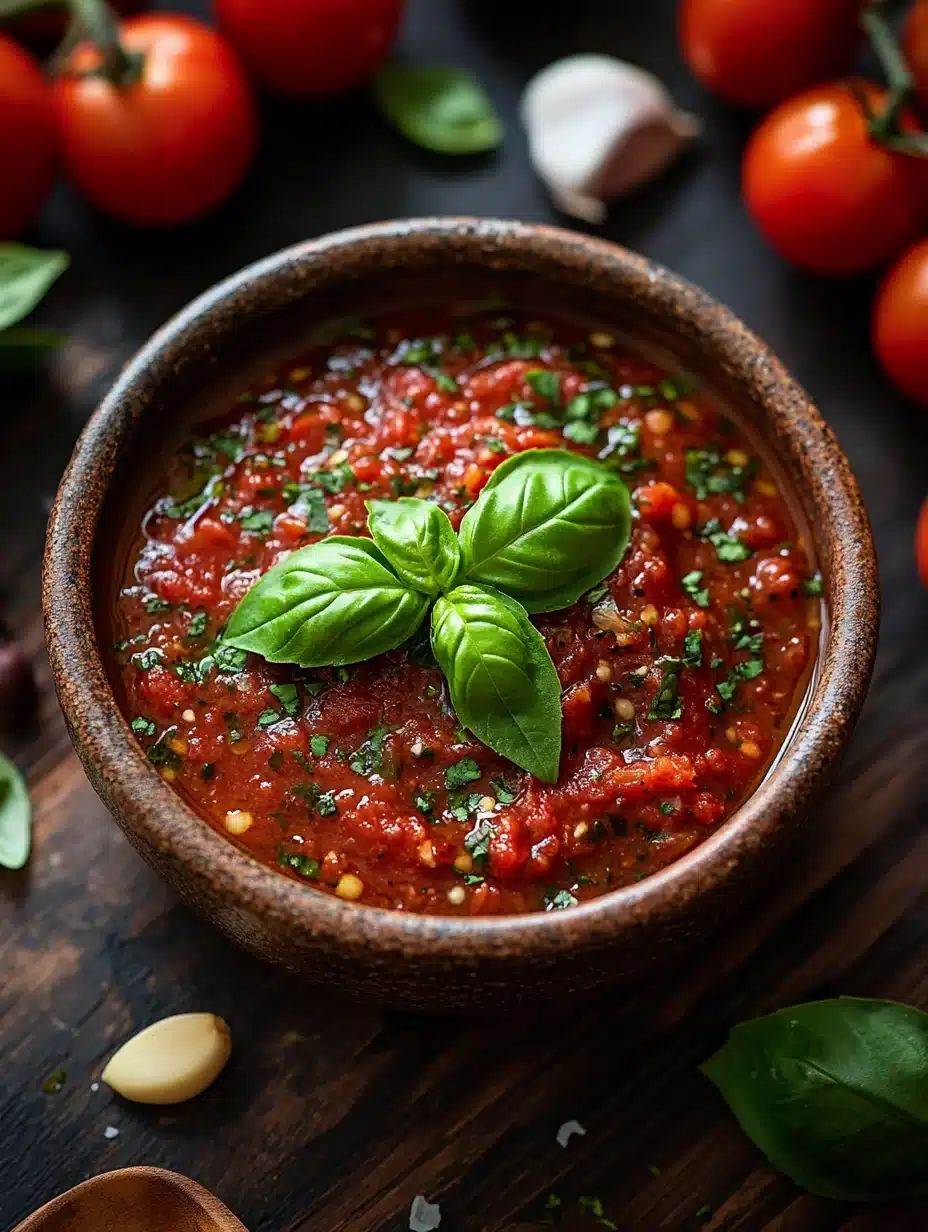
Once you make homemade pizza sauce, there’s no going back to the jarred stuff. This fan favorite recipe takes just 10 minutes, requires no cooking (though you can cook it for deeper flavor), and produces a bright, garlicky, herb-forward sauce that makes any pizza taste like it came from a wood-fired pizzeria. The secret? San Marzano tomatoes, minimal ingredients, and resisting the urge to overcomplicate things.
This recipe has earned its “fan favorite” title across thousands of home kitchens because it’s infinitely customizable, freezes beautifully, and works on everything from classic Margherita to creative flatbreads. Whether you’re a pizza night regular or hosting a pizza party, this sauce is your foundation for incredible homemade pizza every single time.
Key Takeaways
- 10 minutes or less: Blend, season, done — no cooking required for the classic version
- San Marzano tomatoes: The gold standard for pizza sauce — sweeter and less acidic
- No-cook vs. cooked: Both methods work; cooked sauce has deeper, more concentrated flavor
- Freezes for 3 months: Make a big batch and freeze in pizza-sized portions
- One recipe, endless pizzas: Use 1/4 cup per 12-inch pizza for perfect coverage
- 7 easy variations: From classic marinara to spicy arrabbiata and creamy vodka
Pizza Sauce Nutrition Facts per Serving
| Nutrient | Per Serving (¼ cup) | Per Batch (2 cups) | % Daily Value |
|---|---|---|---|
| Calories | 35 kcal | 280 kcal | 2% |
| Protein | 1g | 8g | 2% |
| Total Fat | 1.5g | 12g | 2% |
| Carbohydrates | 5g | 40g | 2% |
| Sugar | 3g | 24g | — |
| Fiber | 1g | 8g | 4% |
| Sodium | 180mg | 1440mg | 8% |
| Vitamin C | 8mg | 64mg | 9% |
Why San Marzano Tomatoes Make the Best Pizza Sauce?
San Marzano tomatoes — the elongated plum variety grown in the volcanic soil near Mount Vesuvius in Italy — are the universally acknowledged best tomato for pizza sauce. They have fewer seeds, thicker flesh, lower acidity, and a naturally sweeter flavor compared to regular canned tomatoes. The DOP-certified versions (look for the DOP seal on the can) guarantee they were actually grown in the designated region of Italy.
San Marzano vs Regular Canned Tomatoes for Pizza Sauce
| Feature | San Marzano (DOP) | Regular Crushed Tomatoes | Fresh Tomatoes |
|---|---|---|---|
| Acidity | Low | Medium-high | Varies (often high) |
| Sweetness | Naturally sweet | Moderate | Season-dependent |
| Seeds | Very few | Many | Many |
| Texture | Thick, meaty | Thin, watery | Varies |
| Flavor depth | Complex, rich | Bright, sharp | Fresh, mild |
| Need for sugar? | Rarely | Often | Sometimes |
| Price | $4–6/can | $1.50–3/can | $3–5/lb |
| Best for | Premium pizza, Margherita | Everyday pizza, budget | Summer, fresh-flavor pizza |
If San Marzanos aren’t available, Cento or Mutti crushed tomatoes are excellent alternatives. Avoid tomato sauce (too thin and pre-seasoned) and tomato paste (too concentrated on its own, though a small amount can add body). For those testing different sauces for pizza night, try this alongside our TikTok taco quesadillas for a fun DIY dinner spread.

Essential Ingredients for Fan Favorite Pizza Sauce
| Ingredient | Amount | Purpose | Substitution |
|---|---|---|---|
| San Marzano tomatoes | 1 can (28 oz) | Base — sweet, low-acid | Crushed tomatoes + pinch sugar |
| Extra virgin olive oil | 2 tbsp | Richness, mouthfeel | — |
| Garlic cloves | 3 large, minced | Pizzeria flavor backbone | 1 tsp garlic powder |
| Dried oregano | 1 tsp | Classic pizza herb | Italian seasoning blend |
| Dried basil | 1 tsp | Sweet herbal note | 2 tbsp fresh basil (add at end) |
| Salt | ½ tsp | Flavor balance | — |
| Black pepper | ¼ tsp | Subtle warmth | — |
| Red pepper flakes | ¼ tsp (optional) | Gentle heat | Omit for kids |
| Sugar | ½ tsp (if needed) | Balance acidity | Only needed for non-SM tomatoes |
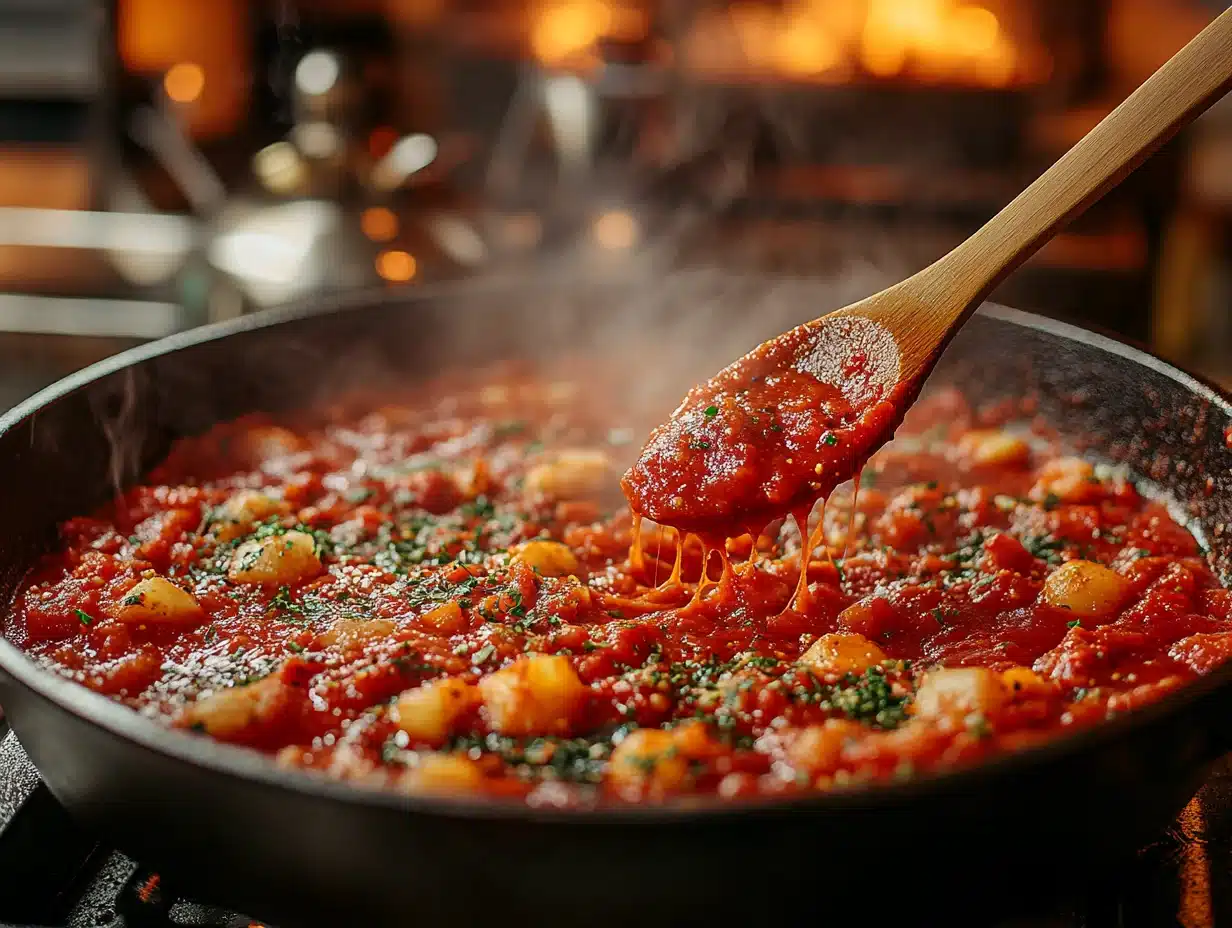
Step-by-Step: How to Make Fan Favorite Pizza Sauce
No-Cook Method (5 Minutes)
Drain the San Marzano tomatoes (reserve juice). Add tomatoes, olive oil, garlic, oregano, basil, salt, and pepper to a food processor or blender. Pulse 8–10 times for a chunky sauce, or blend smooth for 15 seconds for a silkier texture. That’s it — taste and adjust salt. Let it rest 15 minutes for flavors to meld before using. The no-cook method preserves the bright, fresh tomato flavor and is the preferred method at many New York-style pizzerias.
Cooked Method (15 Minutes)
Heat olive oil in a saucepan over medium heat. Add minced garlic and cook 30 seconds until fragrant — do not brown (burnt garlic turns bitter and ruins the sauce). Add hand-crushed San Marzano tomatoes, oregano, basil, salt, pepper, and red pepper flakes. Simmer uncovered for 10–15 minutes, stirring occasionally, until slightly thickened. The cooked method produces a deeper, more concentrated flavor where the garlic mellows and the herbs bloom.
Which Method Is Better?
Neither is objectively better — it depends on your preference. The no-cook method is brighter, fresher, and more tomato-forward (classic Neapolitan style). The cooked method is deeper, richer, and more complex (classic New York style). Try both and let your taste buds decide. Whichever you choose, this sauce pairs perfectly with homemade dough and is the ideal complement to hearty dinners like our crock pot pot roast nights where everyone wants different comfort food.
How Much Pizza Sauce Per Pizza?
| Pizza Size | Sauce Amount | Coverage Strategy | Style |
|---|---|---|---|
| 8-inch personal | 2–3 tablespoons | Thin even layer, ½-inch border | Neapolitan |
| 10-inch small | 3–4 tablespoons | Spiral from center outward | Any style |
| 12-inch medium | ¼ cup (4 tbsp) | Ladle + back of spoon spiral | NY-style |
| 14-inch large | ⅓ cup | Even layer, leave 1-inch border | NY-style |
| 16-inch extra-large | ½ cup | Two ladle swirls | Party size |
| Sheet pan (18×13) | ¾–1 cup | Spread evenly edge to edge | Sheet pan pizza |
Pro tip: Less sauce equals crispier crust. Pizza restaurants use much less sauce than most home cooks expect. A thin, even layer that lets you see the dough through it is usually the right amount. Too much sauce makes the center soggy and the pizza hard to slice.
7 Pizza Sauce Variations Worth Trying
Is White Pizza Sauce Better Than Red?
White pizza sauce (garlic cream or béchamel base) is a completely different experience — rich, creamy, and indulgent. It works beautifully with chicken, spinach, and mushroom toppings where red sauce would overwhelm. To make a quick white pizza sauce: combine ½ cup ricotta, 2 tbsp olive oil, 2 minced garlic cloves, and ¼ cup Parmesan. Season with salt, pepper, and a pinch of nutmeg.
How Do You Make Spicy Arrabbiata Pizza Sauce?
Double the red pepper flakes to ½ teaspoon and add 1 teaspoon Calabrian chili paste or 1 minced fresh jalapeño to the base recipe. Cook the chili in the olive oil for 30 seconds before adding the tomatoes. This creates a fiery-but-balanced sauce that’s incredible on pepperoni, sausage, or meat lovers pizza.
Vodka Pizza Sauce
After cooking the garlic, add 2 tablespoons vodka and simmer 1 minute to burn off the alcohol. Add crushed tomatoes and simmer 10 minutes. Stir in ¼ cup heavy cream at the end. The vodka extracts flavor compounds from the tomatoes that neither water nor fat can access, creating a uniquely smooth, slightly sweet sauce.
Pesto Pizza Sauce
Spread 2–3 tablespoons basil pesto directly on the dough as a sauce replacement or mix 1 tablespoon pesto into ¼ cup red sauce for a hybrid. Pesto works particularly well with mozzarella, cherry tomatoes, and prosciutto.
BBQ Pizza Sauce
Replace red sauce entirely with your favorite BBQ sauce (about ¼ cup per pizza). This sweet-smoky base pairs perfectly with shredded chicken, red onion, cilantro, and smoked gouda. For an authentic BBQ-meets-pizza experience, try using leftovers from our smoked chicken drumsticks as the topping.
Roasted Garlic Pizza Sauce
Roast a whole garlic head (cut top off, drizzle with olive oil, wrap in foil, bake 400°F for 35 minutes). Squeeze the soft cloves into the tomato sauce and blend. The roasted garlic creates an incredibly mellow, sweet, and complex flavor without any sharp bite.
Fresh Tomato Summer Sauce
In peak summer, substitute 2 lbs fresh ripe tomatoes (blanched, peeled, seeded) for canned. Pulse in a food processor with olive oil, fresh basil, garlic, and salt. This raw, seasonal sauce is what Italian grandmothers have been making for centuries.
How to Store and Freeze Pizza Sauce?
| Storage Method | Duration | Container | Thawing |
|---|---|---|---|
| Refrigerator | 5–7 days | Glass jar with tight lid | Ready to use |
| Freezer (portions) | 3 months | ¼-cup portions in ice cube trays → bags | Thaw overnight in fridge |
| Freezer (large batch) | 3 months | Quart freezer bags, flat | Run under warm water to break up |
| Canning (water bath) | 12+ months | Sterilized jars, proper acid levels | Shelf-stable, ready to use |
Freezer hack: Freeze sauce in ice cube trays (each cube is roughly 2 tablespoons). Pop out the frozen cubes and store in a labeled freezer bag. When pizza night hits, grab the exact number of cubes you need — 2 cubes per 12-inch pizza is perfect. This same portioning strategy works brilliantly for meal prep alongside dishes like our baked halibut where you want a quick tomato sauce ready to go.

Common Pizza Sauce Mistakes and How to Fix Them
| Mistake | Why It Happens | The Fix |
|---|---|---|
| Sauce is too acidic/sharp | Low-quality tomatoes or natural acidity | Add ½ tsp sugar or a pinch of baking soda |
| Sauce is too thin/watery | Didn’t drain tomatoes or too much juice | Simmer uncovered 5 min to reduce, or drain can first |
| Burnt garlic flavor | Cooked garlic too high or too long | Start over; burnt garlic cannot be saved |
| Tastes flat/bland | Under-salted | Add salt in ¼ tsp increments until flavor pops |
| Too chunky | Under-processed | Blend longer, or pass through a food mill |
| Too smooth (no texture) | Over-blended | Stir in a spoonful of hand-crushed tomatoes |
| Soggy pizza bottom | Too much sauce applied | Use less sauce; ¼ cup max per 12-inch pizza |
Can You Use Pizza Sauce for Other Recipes?
This versatile fan favorite pizza sauce works beautifully beyond pizza. Here are proven uses:
- Pasta sauce base: Thin with ¼ cup pasta water and toss with spaghetti for a quick marinara
- Dipping sauce: Serve with breadsticks, mozzarella sticks, calzones, or our beef tallow fries with furikake
- Chicken or eggplant Parmesan: Spread as the base layer before cheese
- Shakshuka base: Heat sauce in a skillet and crack eggs directly into it for brunch
- French bread pizza: Spread on halved baguette, top with cheese, broil 5 minutes
- Stuffed peppers: Mix with rice and ground meat for the filling
- Soup starter: Add broth and vegetables for a quick tomato soup
Expert Tips for the Best Homemade Pizza Sauce
Should You Add Sugar to Pizza Sauce?
Only if your tomatoes are acidic. True San Marzano tomatoes rarely need sugar — they’re naturally balanced. If you’re using regular canned tomatoes and the sauce tastes sharp, add ½ teaspoon sugar at a time until the acidity mellows. Never add more than 1 teaspoon total or the sauce will taste sweet rather than savory.
Why Does Restaurant Pizza Sauce Taste Better?
Three reasons: (1) Restaurants often use high-quality whole tomatoes hand-crushed rather than pre-crushed, (2) they let the sauce rest for hours allowing flavors to meld, and (3) they apply sauce sparingly — often less than you’d expect. Try making your sauce hours before pizza night and storing it in the fridge. The difference is dramatic. For the complete pizzeria experience at home, serve alongside Texas Roadhouse rolls as your garlic bread alternative.
Can Kids Help Make Pizza Sauce?
Absolutely — the no-cook method is perfectly safe for children to help with. Let them measure ingredients, add herbs to the blender, and press the pulse button. Making their own sauce gets even picky eaters excited to try the finished pizza. Skip the red pepper flakes for a kid-friendly version.
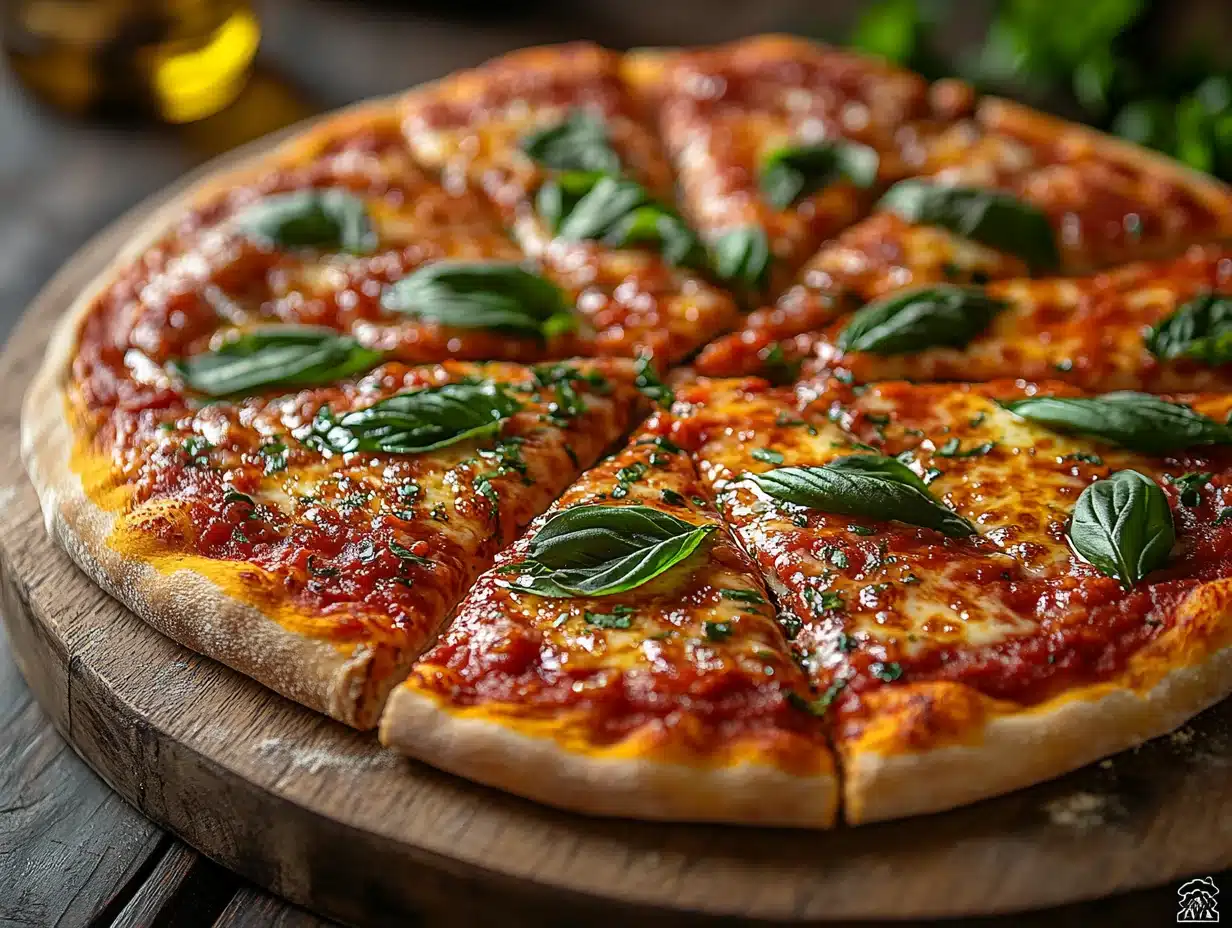
Best Pizza Dough Pairings for This Sauce
The right dough makes all the difference. This bright, garlicky sauce pairs best with:
- Classic NY-style dough: High-gluten bread flour, thin stretched, perfect for the cooked sauce version
- Neapolitan 00 flour dough: Soft, charred, pairs beautifully with the no-cook method
- Sourdough pizza: The tangy dough + bright tomato sauce = flavor complexity
- Store-bought dough: Works great — the homemade sauce elevates even the simplest dough
- Cauliflower crust: Go lighter on sauce (2 tbsp per pizza) to avoid sogginess
- Naan or flatbread: Quick individual pizzas perfect for weeknight dinners alongside aussie prawn salad

Pizza Sauce
- Total Time: 20 minutes
- Yield: 2 cups 1x
- Diet: Vegan, Gluten-Free
Description
Easy homemade pizza sauce made with San Marzano tomatoes, garlic, and Italian herbs. Ready in 15 minutes.
Ingredients
- Base — sweet, low-acid 1 can (28 oz)
- Richness, mouthfeel 2 tbsp
- Pizzeria flavor backbone 3 large, minced
- Classic pizza herb 1 tsp
- Sweet herbal note 1 tsp
- Flavor balance ½ tsp
- Subtle warmth ¼ tsp
- Gentle heat ¼ tsp (optional)
- Balance acidity ½ tsp (if needed)
Instructions
- No-Cook Method (5 Minutes) — Drain the San Marzano tomatoes (reserve juice). Add tomatoes, olive oil, garlic, oregano, basil, salt, and pepper to a food processor or blender. Pulse 8–10 times for a chunky sauce, or blend smooth for 15 seconds for a silkier texture. That’s it — taste and adjust salt. Let it rest 15 minutes for flavors to meld before using. The no-cook method preserves the bright, fresh tomato flavor and is the preferred method at many New York-style pizzerias.
- Cooked Method (15 Minutes) — Heat olive oil in a saucepan over medium heat. Add minced garlic and cook 30 seconds until fragrant — do not brown (burnt garlic turns bitter and ruins the sauce). Add hand-crushed San Marzano tomatoes, oregano, basil, salt, pepper, and red pepper flakes. Simmer uncovered for 10–15 minutes, stirring occasionally, until slightly thickened. The cooked method produces a deeper, more concentrated flavor where the garlic mellows and the herbs bloom.
- Which Method Is Better? — Neither is objectively better — it depends on your preference. The no-cook method is brighter, fresher, and more tomato-forward (classic Neapolitan style). The cooked method is deeper, richer, and more complex (classic New York style). Try both and let your taste buds decide. Whichever you choose, this sauce pairs perfectly with homemade dough and is the ideal complement to hearty dinners like our crock pot pot roast nights where everyone wants different comfort food.
- Prep Time: 5 minutes
- Cook Time: 15 minutes
- Category: Sauce
- Method: Stovetop
- Cuisine: Italian
Nutrition
- Serving Size: 1 serving
- Calories: 35
- Sugar: 3g
- Sodium: 180mg
- Fat: 1.5g
- Carbohydrates: 5g
- Fiber: 1g
- Protein: 1g
Frequently Asked Questions About Fan Favorite Pizza Sauce
How Long Does Homemade Pizza Sauce Last in the Fridge?
Properly stored in an airtight glass jar, homemade pizza sauce lasts 5–7 days in the refrigerator. The olive oil and tomato acidity help preserve it. If you see mold, an off smell, or bubbling, discard immediately. For longer storage, freeze in portions.
Can You Use Tomato Paste Instead of Canned Tomatoes?
Yes, but you need to thin it. Mix 3 tablespoons tomato paste with ½ cup water, then add seasonings. The result is more concentrated and less fresh-tasting than the standard recipe, but it works in a pinch. This is actually how many chain pizza restaurants make their sauce — it’s shelf-stable and consistent.
What Is the Difference Between Pizza Sauce and Marinara?
Pizza sauce is typically thicker, more concentrated, and less cooked than marinara. Marinara is simmered longer (20–30 minutes), often has onion, and is meant to cling to pasta. Pizza sauce needs to be thick enough not to make the dough soggy during baking. You can use marinara on pizza, but reduce it by simmering until thickened first.
Can You Make Pizza Sauce Without Garlic?
Yes — increase the herbs (oregano and basil) by 50% to compensate for the lost flavor. A pinch of onion powder can also help. Some purist Neapolitan recipes actually skip garlic entirely, letting the quality of the tomatoes speak for themselves.
Is It Better to Use Fresh or Dried Herbs in Pizza Sauce?
For the no-cook method, dried herbs are actually better because they release flavor more slowly (perfect since the sauce “cooks” in the oven on the pizza). For the cooked method, start with dried and finish with fresh herbs after removing from heat. As a general rule: 1 teaspoon dried = 1 tablespoon fresh.
Why Does My Pizza Sauce Turn Orange When Baked?
The cheese fat melts into the sauce during baking, creating an orange tint — this is completely normal and actually desirable. It means the sauce and cheese are melding together properly. If you want to maintain a redder appearance, add sauce on top of the cheese (upside-down pizza style, like Detroit style).
Can You Make Pizza Sauce in a Blender?
Yes — a blender, food processor, or immersion blender all work. For chunkier sauce, pulse in a food processor. For smooth sauce, use a blender on low for 10–15 seconds. An immersion (stick) blender directly in the saucepan is the easiest and creates the least cleanup.
How Do You Make Pizza Sauce Less Sweet?
Add a pinch of salt and a splash of red wine vinegar (½ teaspoon). The salt suppresses sweetness perception, and the vinegar adds acidity that balances it. Also ensure you’re not adding sugar — with San Marzano tomatoes, sugar is unnecessary.
What Is the Best Canned Tomato Brand for Pizza Sauce?
In order of quality: (1) Cento San Marzano DOP (gold standard), (2) Bianco DiNapoli (California-grown, excellent), (3) Mutti Polpa (great for cooked method), (4) Tuttorosso (reliable budget pick). Avoid brands with calcium chloride listed — it keeps tomatoes firm, which means they won’t break down as smoothly.
Can You Make Pizza Sauce From Scratch With Fresh Tomatoes?
Yes — use 2 lbs ripe Roma or San Marzano tomatoes. Blanch 30 seconds, ice bath, peel, seed, and crush by hand. Add olive oil, garlic, herbs, salt. The result is exceptionally fresh but only worth it during peak tomato season (July–September). Out of season, canned San Marzano tomatoes are actually superior to fresh hothouse tomatoes. Pair a fresh tomato pizza with mini pecan pies for a summer dinner party menu.
How Do You Thicken Watery Pizza Sauce?
Three methods: (1) Simmer uncovered for 5–10 minutes to evaporate moisture, (2) Add 1 tablespoon tomato paste and stir, (3) Drain the canned tomatoes before blending (save juice for soup). Method 1 also concentrates the flavor, making it the preferred approach.

Written by Chef Anna
I'm Anna - a Le Cordon Bleu-trained chef, recipe developer, and the voice behind Chef Johns Gourmet. After a decade in professional kitchens, I now spend my mornings testing recipes and my afternoons writing them down so you can make them perfectly in your own kitchen. Every one of the 1,100+ recipes on this site has been personally cooked, tasted, and refined. I write like I'm standing next to you, walking you through every step. Simple recipes. Bold flavors. Made for real kitchens.