
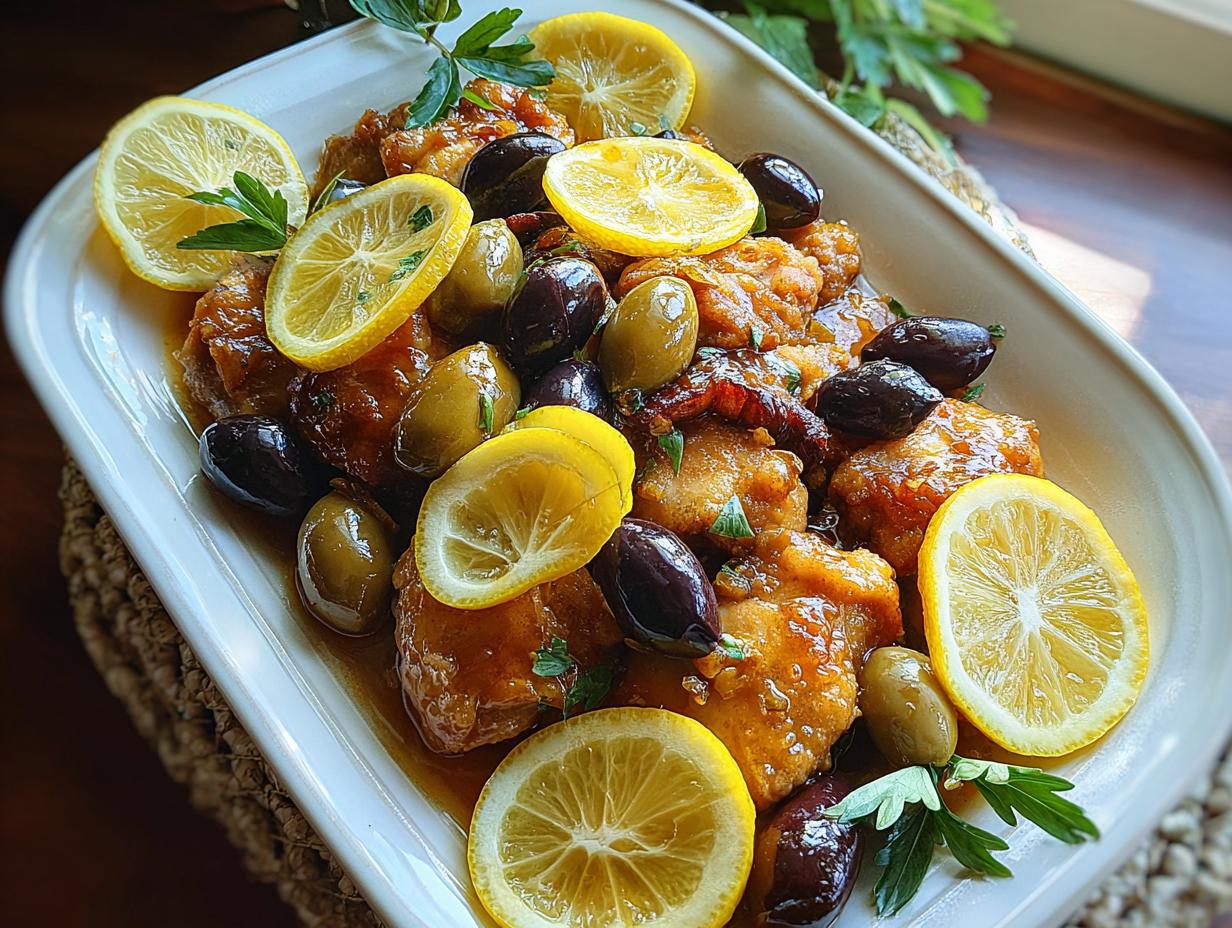
Key Takeaways
- 30-minute weeknight wonder: Pan-seared chicken in a glossy honey-lemon glaze ready before takeout would arrive.
- Pantry-staple ingredients: Honey, lemon, garlic, soy sauce, butter — nothing exotic required.
- Caramelized golden crust: The honey reduces into a sticky-sweet glaze that coats every bite.
- Versatile protein swap: Works with chicken breasts, thighs, drumsticks, or even shrimp and salmon.
- Crowd-pleasing flavor: Sweet, tangy, savory, and slightly garlicky — the universal kid-and-adult combo.
Why Honey Lemon Chicken Belongs in Your Weekly Rotation
Honey lemon chicken hits the rare trifecta of fast, cheap, and impressive. The combination of honey’s caramelized sweetness, lemon’s bright acidity, and golden seared chicken creates a sauce that tastes like restaurant cooking but comes together in one skillet on a weeknight. Children love the sweet glaze; adults love the complex acid-sweet balance and tender chicken. The dish costs roughly $8-10 to feed four people and takes 30 minutes from start to plated dinner.
🎯 Key Takeaways
- One skillet, 30 minutes, weeknight-ready.
- Honey + fresh lemon juice creates a sticky, bright-citrus glaze.
- Sear chicken thighs skin-down for crispy, golden exterior.
- Reduce the glaze until it coats the back of a spoon before adding chicken.
- Serve with rice, quinoa, or roasted veggies to soak up the sauce.
What sets a great honey lemon chicken apart from a mediocre one is technique, not ingredients. Properly seared chicken with caramelization on the outside, glaze that’s thick enough to coat but not gloppy, and balanced sweet-tart-savory ratios — these technique details transform pantry staples into a memorable meal. This recipe walks through every detail so you can nail it the first time.
Honey Lemon Chicken vs Similar Asian Glazed Recipes
| Recipe | Sweetener | Acid | Flavor Profile | Best With |
|---|---|---|---|---|
| Honey Lemon (this) | Honey | Fresh lemon juice | Bright, sweet, tangy | Rice, pasta, roasted veg |
| Honey Garlic | Honey | Soy sauce | Savory-sweet, garlicky | Rice, broccoli |
| Orange Chicken | Sugar + orange | Orange juice + vinegar | Citrus-sweet, sticky | White rice |
| General Tso’s | Sugar | Vinegar | Sweet, spicy, savory | Rice, broccoli |
| Teriyaki | Sugar/mirin | Soy sauce | Salty-sweet, deep | Rice, sesame seeds |
| Sweet & Sour | Sugar | Vinegar + ketchup | Tangy, fruity | Rice, peppers |
| Korean Gochujang | Honey/sugar | Vinegar | Spicy, fermented, sweet | Rice, kimchi |
| Lemon Pepper | None | Fresh lemon | Bright, peppery | Pasta, vegetables |
Ingredient Guide & Smart Substitutions
| Ingredient | Amount | Substitute | Notes |
|---|---|---|---|
| Boneless chicken breasts | 1.5 lbs | Thighs, tenders | Thighs more forgiving |
| Honey | 1/3 cup | Maple syrup | Honey caramelizes better |
| Fresh lemon juice | 3 tbsp | Bottled juice (less ideal) | About 1 large lemon |
| Lemon zest | 1 tsp | Skip if unavailable | Major flavor boost |
| Garlic, minced | 4 cloves | 1.5 tsp garlic powder | Fresh = best |
| Soy sauce | 2 tbsp | Tamari (GF), coconut aminos | Adds umami depth |
| Butter | 2 tbsp | Olive oil | Butter for finish |
| Cornstarch | 1 tbsp | Arrowroot | Thickens glaze |
The Searing Technique That Makes the Difference
Pat chicken completely dry with paper towels — wet chicken steams instead of sears, producing pale gray meat instead of golden crust. Season generously with salt, pepper, and a light dusting of cornstarch (the starch helps create extra crispness during searing). Heat oil in a large skillet over medium-high until shimmering. Add chicken in a single layer with space between pieces, never crowded. Crowding drops the pan temperature and causes steaming.
Sear undisturbed for 4-5 minutes — resist the urge to peek or move the chicken. The Maillard reaction needs sustained contact with hot metal to develop. When the chicken releases easily from the pan, flip and sear the second side another 4-5 minutes until the internal temperature reaches 165°F. Transfer to a plate and tent with foil while you build the sauce in the same pan, capturing all those caramelized bits (called “fond”) that will deepen the glaze flavor.
Sauce Building: Honey Lemon Glaze Mastery
| Step | What Happens | Critical Detail |
|---|---|---|
| 1. Saute garlic | Aromatic foundation | 30 seconds — don’t burn |
| 2. Add liquids | Deglaze fond | Scrape browned bits |
| 3. Reduce | Concentrates flavor | 2-3 minutes simmer |
| 4. Slurry in | Thickens to glaze | Dissolve cornstarch in cold water first |
| 5. Butter swirl | Adds gloss + richness | Off heat, swirl don’t stir |
| 6. Return chicken | Coats in glaze | Toss gently 1-2 minutes |
| 7. Finish lemon | Bright top note | Add zest at end, off heat |
| 8. Garnish | Visual + flavor | Fresh parsley, lemon slices |
Side Dish Pairings That Complete the Meal
| Side | Why It Works | Prep Time |
|---|---|---|
| Jasmine rice | Soaks up glaze beautifully | 20 min |
| Roasted broccoli | Char balances sweet sauce | 20 min |
| Garlic mashed potatoes | Comforting, mops up sauce | 25 min |
| Steamed asparagus | Bright, fresh contrast | 5 min |
| Cauliflower rice | Low-carb option | 10 min |
| Buttered orzo | Italian-leaning twist | 15 min |
| Roasted carrots | Echoes sweetness | 25 min |
| Side salad | Light, fresh balance | 5 min |
5 Variations to Try
1. Spicy Honey Lemon: Add 1 tsp red pepper flakes or 1 tbsp sriracha to the sauce for heat that balances the sweetness beautifully.
2. Honey Lemon Garlic Butter Shrimp: Swap chicken for 1.5 lbs large shrimp; reduce cooking time to 2-3 minutes per side.
3. Sheet Pan Version: Toss chicken pieces with sauce, spread on parchment-lined sheet pan, roast at 425°F for 20 minutes for hands-off cooking.
4. Crispy Honey Lemon Chicken: Dredge chicken in flour-cornstarch mixture and pan-fry in more oil before tossing in glaze for extra crunch.
5. Asian-Inspired Twist: Add 1 tbsp grated fresh ginger and 1 tsp toasted sesame oil; finish with sesame seeds and sliced scallions.
Equipment That Makes It Easier
| Tool | Why It Helps | Budget Pick |
|---|---|---|
| Heavy stainless skillet | Best fond development | 10-inch stainless |
| Microplane zester | Fine, fluffy lemon zest | OXO microplane |
| Citrus juicer | Gets every drop | Handheld squeezer |
| Instant thermometer | Perfect doneness every time | Thermapen Mini |
| Garlic press | Fast mincing | OXO garlic press |
| Tongs | Easy chicken flipping | OXO tongs |
| Wooden spoon | Scrapes fond gently | Any wooden utensil |
| Meat mallet | Even chicken thickness | Or use rolling pin |
Storage, Reheating & Meal Prep
Leftover honey lemon chicken keeps in an airtight container in the refrigerator for 4 days. The flavors actually deepen overnight as the chicken absorbs the glaze. To reheat, warm gently in a covered skillet over low heat with 1-2 tablespoons of water or chicken broth to loosen the sauce. Avoid the microwave if possible — it overcooks chicken and turns the glaze gummy. For meal prep, portion chicken with rice and roasted vegetables in glass containers for 4 grab-and-go lunches.
This recipe also freezes well. Cool completely, then portion into freezer-safe containers and freeze up to 3 months. Thaw overnight in the refrigerator and reheat as above. The cornstarch may break down slightly during freezing, so you may want to add a small fresh slurry when reheating to restore glaze body.
Pairing With Other Family Favorites
Round out an Asian-inspired dinner with teriyaki salmon noodles as a Sunday-dinner alternative or honey garlic chicken breast as a savory-sweet companion option. For weeknight rotation diversity, pair with garlic parmesan chicken skillet, balsamic baked chicken, or white chicken chili — different flavor profiles using the same protein.
Serve alongside strawberry spinach salad for fresh contrast, or perfect garlic bread for sauce-mopping duty. Dessert pairings include lemon bars to echo the citrus theme, favorite carrot cake for sweet finish, or cottage cheese chocolate mousse for lighter dessert option.
The Cultural Story of Honey-Sweetened Cooking
Honey is humanity’s oldest sweetener, predating sugar cane cultivation by thousands of years. Cave paintings in Spain dating to 8,000 BCE depict humans gathering wild honey, and the practice of beekeeping was well-established in ancient Egypt by 2,400 BCE. Egyptian pharaohs were buried with jars of honey, which remains edible after 3,000 years thanks to honey’s natural antimicrobial properties — a unique characteristic that no other food shares.
Honey-glazed cooking techniques span virtually every world cuisine. Greek and Mediterranean traditions use honey to glaze lamb and chicken with herbs. Chinese cuisine features honey-walnut shrimp and Cantonese honey-roasted duck. Middle Eastern cooking pairs honey with citrus and spices for tagines. American Southern cooking developed honey-glazed ham as a holiday tradition. Each culture discovered independently that honey’s combination of sweetness, acidity, and caramelization properties creates incomparable glazed surfaces on proteins.
The pairing of honey with lemon specifically has roots in Mediterranean and Middle Eastern cuisines, where the bright acid of lemon balances honey’s deep sweetness perfectly. Greek lemonato chicken, Moroccan honey-lemon tagines, and Italian pollo al limone tradizioni all feature variations of this combination. The recipe in this article draws from these traditions while adapting techniques for modern Western kitchens and weeknight time constraints.
Choosing the Right Honey for Best Results
Not all honey is created equal. The honey you choose dramatically affects the final flavor of your glaze. Generic clover honey from large grocery store brands is mild and inoffensive — it works fine but doesn’t add complexity. Single-source varietal honeys like wildflower, orange blossom, sage, or buckwheat add distinctive notes that elevate the dish. Wildflower honey brings floral complexity. Orange blossom honey deepens the citrus theme of this recipe. Buckwheat honey adds molasses-like depth that pairs beautifully with caramelized chicken.
Avoid honey that has been heavily processed or labeled “honey blend” — these often contain added high-fructose corn syrup and lack the enzymatic complexity of pure honey. Look for raw, unfiltered honey from local apiaries when possible. Local raw honey costs $8-15 per pound but lasts months in the pantry and provides flavors that mass-market products simply cannot match. Many farmers’ markets and specialty grocers carry excellent local options.
For this specific recipe, mid-amber honeys (medium color and intensity) work best. Very dark honeys can overwhelm the lemon brightness; very light honeys can be too subtle. If you’re unsure, taste your honey first by itself — if it has interesting flavor that you genuinely enjoy, it will translate beautifully into the glaze. The honey is the dominant flavor in this dish, so it deserves attention.
Lemon Selection and Maximum Flavor Extraction
The lemon component is equally critical. Always use fresh lemons rather than bottled juice — bottled lemon juice contains preservatives that taste flat and metallic compared to fresh-squeezed. A single large lemon yields approximately 3-4 tablespoons of juice and 1-2 teaspoons of zest, exactly what this recipe needs. Choose lemons that feel heavy for their size with smooth, glossy skin and no soft spots; these contain the most juice.
To maximize juice extraction, roll the lemon firmly on the counter under your palm before cutting. This breaks the internal cell walls and releases more juice. Cut the lemon in half across the middle (not pole to pole) and use a citrus reamer or simply squeeze with your hand, catching seeds in your palm or a strainer. For zest, use a microplane to take only the bright yellow outer skin, avoiding the bitter white pith underneath. Zest before juicing — it’s much easier on a whole lemon than a hollowed half.
Meyer lemons are an excellent alternative when in season (typically December through May). They’re sweeter and less acidic than standard lemons, with a distinctive floral note. If using Meyer lemons, reduce the honey by 1 tablespoon to maintain proper sweet-tart balance. Bottled lemon juice should be a last resort only — use 1 tablespoon less than the recipe calls for, since bottled juice tastes more concentrated and one-dimensional than fresh.
Common Mistakes That Ruin Honey Lemon Chicken
The single most common mistake is overcooking the chicken. Boneless skinless chicken breasts go from juicy to dry in under 60 seconds at the wrong temperature. Use an instant-read thermometer and pull chicken from the heat at exactly 162°F — carryover cooking will bring it to a perfect 165°F as it rests. If you don’t have a thermometer, the chicken is done when its juices run clear and the meat feels firm but still slightly springy when pressed.
The second common mistake is burning the honey. Honey contains fructose, which caramelizes and burns at lower temperatures than other sugars. Adding honey to a screaming-hot empty pan will instantly char it into bitter, acrid flavors. Always dilute honey in liquid (lemon juice, soy sauce, broth) before introducing it to heat, and keep the pan at medium rather than high once the honey is in. If you smell anything other than caramel sweetness, immediately remove the pan from heat and add 2 tablespoons of cold water to halt the cooking.
The third common mistake is overcrowding the pan when searing. When chicken pieces touch each other in the skillet, they release steam that can’t escape, dropping the pan temperature and steaming the meat instead of browning it. Always leave at least 1 inch between chicken pieces. If your skillet isn’t large enough, sear in two batches rather than crowding. The extra 5 minutes of sequential cooking pays off enormously in flavor and texture.
Why This Recipe Works for Picky Eaters
Honey lemon chicken consistently wins over even the pickiest eaters in families because it hits universally appealing flavor notes without challenging textures or overpowering tastes. The sweet glaze provides immediate gratification for children. The tender, easily chewable chicken doesn’t intimidate kids who avoid steaks or chops. The familiar honey and lemon flavors don’t trigger neophobia (fear of new tastes) the way curry, fish sauce, or fermented ingredients can.
For toddlers and young children, cut chicken into small bite-sized pieces and serve with rice — the rice catches drips of glaze, making each spoonful taste sweet. Skip the soy sauce or reduce it by half if your child finds salty flavors strong. For teenagers, serve over mashed potatoes or buttered noodles with extra glaze poured generously over everything. The dish scales effortlessly from toddler portions to teenage appetites without any modifications to technique.
Make-Ahead Strategies for Busy Weeks
Honey lemon chicken is one of the most meal-prep-friendly recipes in your weekly rotation. The chicken can be portioned, seasoned, and refrigerated up to 24 hours in advance, allowing you to skip the prep step entirely on busy weeknights. The sauce ingredients can be premeasured into a small jar and shaken together, then poured directly into the pan when ready. Total active cook time drops to just 15 minutes when prep work is done ahead.
For Sunday meal prep, double the recipe and portion into 4-6 glass containers with rice, roasted broccoli, and steamed asparagus. Each container provides a balanced 450-calorie meal with 38g of protein, ready to grab for lunch or dinner throughout the week. The glaze actually intensifies after a day in the fridge as the chicken absorbs more flavor — many people prefer the leftover version to fresh.
For freezer prep, sear the chicken slightly under the target temperature (around 155°F internal), make the sauce separately, and freeze components in vacuum-sealed bags. To serve, thaw overnight, combine in a skillet, and heat 5-7 minutes until chicken reaches 165°F and sauce thickens. This approach preserves texture better than freezing the finished dish whole, and the components stay good for 3 months frozen.
Serving Suggestions for Different Occasions
For casual weeknight dinners, serve over jasmine rice with steamed broccoli and a quick cucumber salad. The whole meal comes together in 35 minutes and satisfies the entire family without any complaints. For romantic date nights at home, plate over creamy garlic mashed potatoes with roasted asparagus, garnish with fresh thyme and lemon wheels, and pair with a chilled Sauvignon Blanc or Pinot Grigio.
For dinner parties, present family-style on a large platter with the chicken arranged over a bed of lemon-zested couscous, garnished generously with fresh parsley, additional lemon slices, and a drizzle of extra glaze. Serve with roasted root vegetables and crusty bread for sopping up sauce. The presentation looks impressive while requiring no last-minute fussing — perfect for hosts who want to enjoy their guests rather than work in the kitchen.
Honey lemon chicken proves that genuinely great weeknight cooking does not require fancy ingredients, complicated techniques, or hours of preparation. With pantry staples, a single skillet, and 30 minutes, you can produce restaurant-quality glazed chicken that the entire family will request again and again. Master this one technique and you have unlocked a flexible template for dozens of variations using the same fundamentals every single week.
The combination of bright lemon acidity, honey caramelization, garlic depth, and butter richness creates a sauce that consistently outperforms its simple ingredient list. Make this recipe once and it earns a permanent spot in your weeknight rotation.
From toddlers to teenagers, from quick weeknight dinners to elegant date nights, this honey glazed chicken with lemon delivers consistent crowd-pleasing results every single time you make it. The technique is simple, the ingredients are pantry-friendly, and the flavors are universally loved across cultures, ages, and dietary preferences worldwide.
Frequently Asked Questions About Honey Lemon Chicken
Can I use chicken thighs instead of breasts?
Absolutely — boneless skinless thighs are even more forgiving and stay juicy. Increase cook time slightly to ensure 165°F internal temperature. Bone-in thighs work too but need 25-30 minutes total.
Why is my sauce too thin?
Either you didn’t reduce long enough or your cornstarch slurry was insufficient. Add another teaspoon of cornstarch dissolved in 2 tablespoons cold water and simmer 1-2 more minutes.
Can I make this without cornstarch?
Yes — simply reduce the sauce longer (5-7 minutes instead of 2-3) until it naturally thickens. Or whisk in 1 tablespoon flour with the butter at the end for body.
Is this recipe gluten-free?
Substitute soy sauce with tamari or coconut aminos and you have a fully gluten-free dish. Verify your cornstarch is certified GF if you have severe celiac.
How do I prevent the honey from burning?
Add honey to liquids before bringing to a boil rather than directly into the hot pan. Keep heat at medium during reduction, never high.
Can I make this ahead for a dinner party?
Yes — sear chicken and make sauce up to 4 hours ahead. Keep separately in refrigerator. Combine and warm gently 5 minutes before serving.
What’s the best lemon to use?
Eureka or Lisbon lemons (the standard supermarket variety) work perfectly. Meyer lemons are sweeter and less acidic — adjust honey down by 1 tablespoon if using.
Can children eat this?
Most kids love the sweet glaze. Reduce or skip the soy sauce for less salty taste, and dilute the lemon by half if your child is sensitive to acidity.
Is this freezer-friendly?
Yes — cool completely, portion into containers, freeze up to 3 months. Thaw overnight in fridge; reheat in covered skillet with splash of broth.
Can I double the recipe for a crowd?
Sear chicken in batches to avoid crowding (which causes steaming). Make sauce in same pan after all chicken is seared, then return everything together.
Frequently Asked Questions
Can I use chicken breast instead of thighs?
Yes—use boneless, skinless breasts and reduce cook time to 6-8 minutes per side. Pound to even thickness first. Thighs stay juicier and absorb glaze better, but breast works for leaner option.
How do I keep honey glaze from burning?
Add honey at the end—after chicken is browned. Cook over medium, not high. If it starts to smoke, add a splash of broth to loosen and lower heat.
What goes well with honey lemon chicken?
Steamed jasmine rice, roasted broccoli, garlic mashed potatoes, buttered noodles, or a simple green salad. The glaze doubles as a sauce over rice.
Can I make honey lemon chicken ahead?
Yes—cook completely, cool, refrigerate up to 3 days. Reheat in a covered skillet with a splash of water to restore the glaze. Flavor improves overnight.
Is honey lemon chicken gluten-free?
Naturally gluten-free if you use tamari or GF soy sauce instead of regular soy. Double-check your chicken broth label—some contain wheat.

Written by Chef Anna
I'm Anna - a Le Cordon Bleu-trained chef, recipe developer, and the voice behind Chef Johns Gourmet. After a decade in professional kitchens, I now spend my mornings testing recipes and my afternoons writing them down so you can make them perfectly in your own kitchen. Every one of the 1,100+ recipes on this site has been personally cooked, tasted, and refined. I write like I'm standing next to you, walking you through every step. Simple recipes. Bold flavors. Made for real kitchens.