
Key Takeaways
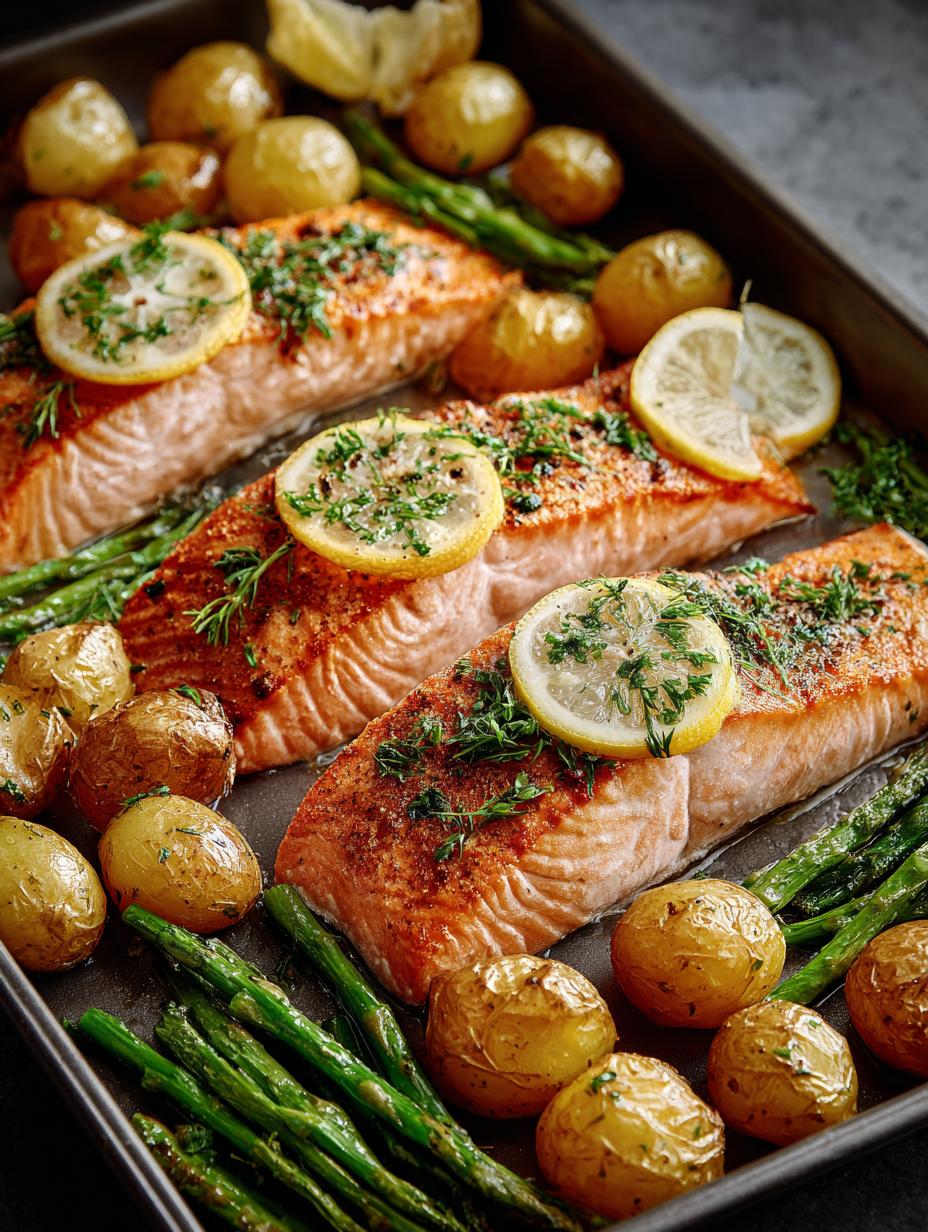
- One-pan, 35-minute meal: Salmon and potatoes cook together on a single sheet pan with minimal cleanup.
- Strategic timing: Potatoes get a head start so they finish crispy at the same moment salmon reaches perfect doneness.
- Garlic-herb butter glaze: Melted compound butter ties salmon and potatoes into one cohesive flavor profile.
- Healthy and complete: Lean protein, complex carbs, and healthy fats in one balanced dish.
- Versatile and adaptable: Works with any potato variety, multiple herb combinations, and different vegetable additions.
Why Sheet-Pan Salmon Beats Every Other Cooking Method
Sheet-pan dinners revolutionized weeknight cooking by eliminating the choreography of managing multiple pans, timing components separately, and producing mountains of dishes. For salmon specifically, the sheet-pan method delivers exceptional results: even heat exposure produces uniform cooking, the surrounding vegetables absorb rendered salmon fat for incredible flavor, and the high oven temperature creates beautifully golden edges without overcooking the interior.
🎯 Key Takeaways
- One-tray dinner ready in 30 minutes with minimal cleanup.
- Par-roast potatoes 15 minutes first so salmon and potatoes finish together.
- Garlic herb butter adds restaurant-quality finish in the last 2 minutes.
- Salmon doneness: 125-130°F for medium, opaque but moist center.
- Leftovers keep 2 days refrigerated—flake salmon over salads or grain bowls.
This particular combination of salmon and potatoes works especially well because both ingredients have natural cooking time differences that the recipe accounts for through staggered timing. Potatoes need about 35 minutes total to reach crispy-tender perfection, while salmon only needs 12-15 minutes to reach ideal flaky doneness. By starting the potatoes alone for 20 minutes, then adding salmon, both finish simultaneously with optimal textures. This single technique transforms a potentially complicated dinner into reliable weeknight excellence.
Salmon Buying Guide: Get the Best Quality
| Type | Flavor | Best For | Price Range |
|---|---|---|---|
| Wild Sockeye | Bold, rich | Premium results | $25-$35/lb |
| Wild Coho | Mild, delicate | Beginners | $18-$25/lb |
| Wild King/Chinook | Buttery, luxurious | Special occasions | $30-$45/lb |
| Atlantic farmed | Mild, fatty | Budget weeknights | $10-$15/lb |
| Steelhead trout | Salmon-like | Substitute | $12-$18/lb |
| Frozen wild | Equal to fresh | Year-round availability | $15-$22/lb |
| Pre-portioned fillets | Convenient | Weeknight ease | +$3-5/lb premium |
Ingredient Guide & Substitutions
| Ingredient | Amount | Substitute | Notes |
|---|---|---|---|
| Salmon fillets | 4 (6 oz) | Steelhead, arctic char | Skin on or off |
| Baby potatoes | 1.5 lbs | Yukon gold, red, fingerling | Halve if larger than golf ball |
| Olive oil | 3 tbsp | Avocado oil | Extra virgin best |
| Butter | 4 tbsp | Vegan butter | For garlic herb topping |
| Garlic, minced | 5 cloves | 2 tsp garlic powder | Fresh = best flavor |
| Fresh dill | 3 tbsp chopped | 1 tbsp dried | Classic salmon partner |
| Fresh parsley | 2 tbsp chopped | Cilantro, basil | For brightness |
| Lemon | 2 (zest + juice) | Lime, white wine vinegar | Both zest and juice |
| Smoked paprika | 1 tsp | Sweet paprika | Earthy depth |
| Salt | To taste | Kosher or sea salt | Don’t skimp |
| Black pepper | To taste | White pepper | Freshly ground |
| Optional: capers | 2 tbsp | Olives | Briny accent |
The Perfect Potato: Variety Matters
Potato selection significantly affects the final dish quality. Baby potatoes (Yukon gold, baby red, or fingerling varieties) work best because they cook quickly enough to align with salmon timing while developing crispy exteriors and creamy interiors. Russet potatoes are too starchy and take too long to cook through at this temperature without burning. Larger storage potatoes need to be cubed into 1-inch pieces, which works but requires slightly different timing.
Yukon gold baby potatoes deliver the best balance of buttery flavor, crisp exterior, and creamy interior. Baby red potatoes hold their shape excellently and offer a slightly waxier bite. Fingerling potatoes provide elegant presentation and rich flavor but cost more. Whichever variety you choose, halve them through the equator (not lengthwise) so each piece has a flat cut side to develop maximum browning contact with the hot sheet pan. This single preparation detail dramatically affects how crispy your potatoes become.
Step-by-Step Method
Preheat oven to 425°F (220°C) and line a large rimmed baking sheet with parchment paper for easy cleanup. Halve the baby potatoes through the equator and place them in a large bowl. Toss with 2 tablespoons olive oil, half the smoked paprika, salt, and pepper until evenly coated. Spread potatoes cut-side down on the prepared baking sheet in a single layer with space between each piece. Roast for 20 minutes — this initial cook gives potatoes the head start they need to finish crispy at the same time as the salmon.
While potatoes roast, prepare the salmon and garlic butter. Pat salmon fillets completely dry with paper towels (essential for proper browning) and season generously with salt, pepper, and remaining smoked paprika. In a small saucepan or microwave-safe bowl, melt the butter with minced garlic, lemon zest, and half the chopped fresh herbs. Set aside.
After 20 minutes, remove the sheet pan from the oven. Push potatoes to the edges to make space for the salmon in the center. Place salmon fillets on the pan, then drizzle the garlic-herb butter generously over both salmon and potatoes. Return to the oven for 12-15 minutes, until salmon flakes easily with a fork and registers 125-130°F internal temperature for medium doneness. Squeeze fresh lemon juice over everything immediately upon removing from oven, sprinkle with remaining fresh herbs, and serve directly from the pan or transferred to a platter.
5 Variations to Try
1. Mediterranean Style: Add cherry tomatoes, kalamata olives, and crumbled feta during last 5 minutes. Finish with fresh oregano instead of dill.
2. Asian-Inspired: Replace garlic butter with miso glaze (miso, soy, ginger, sesame oil). Add bok choy or asparagus during last 8 minutes.
3. Cajun Spiced: Coat salmon and potatoes with Cajun seasoning blend instead of paprika. Serve with remoulade sauce on the side.
4. Honey Mustard: Brush salmon with mixture of Dijon mustard, honey, and minced garlic before final roast. Add green beans for color.
5. Pesto Crusted: Top each salmon fillet with 1 tablespoon basil pesto before final roasting. Add halved zucchini for Italian flair.
Equipment Recommendations
| Tool | Why It Helps | Budget Pick |
|---|---|---|
| Heavy half sheet pan | Even heat, no warping | Nordic Ware aluminum |
| Parchment paper | No-stick, easy cleanup | Reynolds parchment |
| Sharp chef’s knife | Clean potato cuts | Victorinox 8-inch |
| Fish spatula | Lifts salmon without breaking | Wusthof or OXO |
| Microplane zester | Fine lemon zest | OXO microplane |
| Instant-read thermometer | Perfect doneness every time | ThermoPro digital |
| Small saucepan | Melt garlic butter | 1-quart any brand |
| Mixing bowls | Tossing potatoes | Stainless nesting set |
Troubleshooting Common Problems
| Problem | Cause | Solution |
|---|---|---|
| Soggy potatoes | Overcrowded pan, too wet | Dry well, single layer with space |
| Salmon overcooked | Too long or temp too high | Check at 12 min; remove at 125-130°F |
| Salmon undercooked | Too thick or oven cool | Add 2-3 min; verify oven temp |
| Potatoes not cooked through | Cut too large or undercooked | 1.5-inch max; pre-roast 20 min |
| Burnt garlic | Direct exposure to high heat | Mix with butter, drizzle on top |
| Bland flavor | Underseasoned | Salt generously; finish with lemon |
| White albumin on salmon | Too high temp | Pat dry; cook at 425°F not higher |
| Salmon stuck to pan | No parchment | Always use parchment or oil well |
Salmon Doneness Temperature Guide
The single biggest mistake home cooks make with salmon is overcooking it. Restaurant-quality salmon is removed from heat at 120-125°F internal temperature for medium-rare, or 125-130°F for medium. The fish continues cooking through carryover heat, reaching 130-135°F by the time it reaches the table — perfectly moist and just slightly translucent in the very center. Cooking salmon to 145°F (USDA recommendation) results in dry, chalky fish that bears little resemblance to properly prepared salmon at restaurants.
Use an instant-read thermometer inserted into the thickest part of the fillet to check temperature. The fish should flake easily when pressed gently with a fork while still appearing slightly translucent in the center. If you prefer well-done salmon, cook to 135-140°F internal but accept that texture suffers. Always remove fish from oven before it reaches your target temperature — carryover cooking adds 5-10°F over 5 minutes of resting. This single technique transforms mediocre salmon into restaurant-quality fish at home.
Storage, Reheating & Meal Prep
Roasted salmon and potatoes keep in the refrigerator 3 days in an airtight container. The texture is best when freshly cooked, but leftovers reheat acceptably. To reheat, place on a baking sheet covered loosely with foil and warm at 275°F for 10-12 minutes — this gentle reheat prevents drying out the salmon. Alternatively, eat leftovers cold over salad greens for excellent next-day lunch with minimal effort.
For meal prep, divide cooked portions into individual containers with a portion of greens, the salmon, and the potatoes. Refrigerate up to 3 days. Reheat as described above, or eat cold. Cold roasted salmon flaked over a green salad with lemon vinaigrette makes a satisfying healthy lunch that can be assembled in 5 minutes from prepped components. The recipe scales easily up to feed 6-8 people on two sheet pans for entertaining or larger family meals.
Pairing With Sides & Drinks
Sheet-pan salmon and potatoes makes a complete meal on its own, but elevating it with thoughtful pairings creates restaurant-quality dinners. Serve with strawberry spinach salad for fresh contrast, perfect garlic bread for sopping up garlic butter, or teriyaki salmon noodles for Asian-inspired alternative dinner nights. Other excellent options include shakshuka brunch for variety and garlic parmesan chicken for chicken night rotation.
For dessert, classic lemon bars echo the lemon notes in the salmon, while apple crumbles, dark chocolate almond bark, or no-bake protein bars all provide satisfying meal endings. Wine pairings include crisp white wines like Sauvignon Blanc, Pinot Grigio, or unoaked Chardonnay. For non-alcoholic options, sparkling water with cucumber and lemon, or iced herbal teas, complement the dish beautifully without overwhelming the delicate salmon flavor.
Salmon Nutrition Profile: Why It’s a Superfood
| Nutrient (per 6 oz) | Amount | % Daily Value | Health Benefit |
|---|---|---|---|
| Protein | 34g | 68% | Muscle maintenance, satiety |
| Omega-3 (EPA+DHA) | 2.5g | 200%+ | Heart, brain, anti-inflammatory |
| Vitamin D | 900 IU | 113% | Bone health, immunity |
| Vitamin B12 | 5.4 mcg | 225% | Nerve function, energy |
| Selenium | 62 mcg | 113% | Antioxidant, thyroid |
| Niacin (B3) | 14mg | 87% | Energy metabolism |
| Phosphorus | 448mg | 36% | Bone, kidney function |
| Potassium | 700mg | 15% | Blood pressure regulation |
The Science Behind Perfect Sheet-Pan Cooking
Sheet-pan cooking succeeds because of fundamental food science principles working in harmony. The high oven temperature (425°F) creates two critical effects simultaneously: the Maillard reaction on protein surfaces produces deep golden browning and complex roasted flavor compounds, while the rapid moisture evaporation from vegetable surfaces enables crispy textures rather than steaming. Both effects require single-layer arrangement with adequate space between pieces — overcrowding is the single most common reason home cooks fail at sheet-pan dinners.
The dark surface of a heavy aluminum sheet pan absorbs and radiates heat efficiently, ensuring even cooking from below while the convection-like air circulation cooks from above. Lighter colored pans reflect heat and produce less browning. Insulated pans (those with air pockets) actively prevent the high-contact heat that creates crispy potato bottoms, so avoid them for this style of cooking. A heavy half-sheet pan represents the single best equipment investment for any cook — they last decades and dramatically improve every roasted dish.
Parchment paper might seem like a small detail, but it serves multiple critical functions: prevents sticking, allows easy lift-off transfer, makes cleanup nearly instant, and creates a slight buffer that prevents foods from over-browning on the bottom. The combination of dark heavy pan plus parchment paper produces consistently excellent results across thousands of home cooks. Some advanced techniques call for direct contact with metal for maximum browning, but for sheet-pan dinners, the parchment approach offers the best balance of results and convenience.
Wine Pairings & Beverage Recommendations
Salmon’s rich, fatty flesh pairs beautifully with white wines that have enough acidity to cut through the fat without overwhelming the delicate fish flavor. Sauvignon Blanc from New Zealand or France’s Loire Valley offers bright citrus notes that echo the lemon in the dish. Unoaked Chardonnay provides creamy texture that complements the buttery garlic sauce without competing oak flavors. Pinot Grigio from northern Italy offers crisp neutrality that lets the salmon shine.
For red wine drinkers who insist on red with fish, Pinot Noir from Oregon or Burgundy works surprisingly well — its light body and bright red fruit complement rather than overwhelm salmon. Avoid heavy reds like Cabernet Sauvignon or Syrah, which clash dramatically with fish. Rosé wines (especially dry Provence rosé) split the difference brilliantly, offering refreshment with enough complexity to elevate the meal. For sparkling options, dry Champagne, Cava, or Prosecco all work beautifully and add celebratory atmosphere.
Non-alcoholic pairings include sparkling water with cucumber and lemon (echoes the dish flavors), iced green tea with mint (cleansing palate effect), or freshly squeezed lemonade (acidity cuts richness). Avoid heavy sweet drinks or strongly flavored beverages that compete with the delicate fish. The goal is refreshment and palate cleansing between bites, allowing the carefully crafted flavors to remain center stage throughout the meal.
Entertaining With Sheet-Pan Salmon
Sheet-pan salmon and potatoes scales beautifully for entertaining, making it ideal for stress-free dinner parties. For 6-8 guests, simply use two sheet pans (or one extra-large commercial sheet pan) and adjust cooking times by 2-3 minutes if pans are very full. The presentation looks naturally elegant — golden salmon nestled among crispy potatoes with bright herb garnishes — without any complicated plating required. Transfer to a large platter for the table, or serve directly from the sheet pan for casual presentations.
Plan the meal flow strategically: start with a light appetizer like crudités with herbed yogurt dip or a simple green salad. Serve the sheet-pan salmon as the centerpiece with a single thoughtful side like a bright cucumber-dill salad or steamed seasonal vegetables. Finish with something contrasting like a citrus tart or fresh berries. The whole meal stays light, elegant, and produces minimal kitchen chaos compared to traditional dinner party menus that require multiple cooking techniques and constant attention.
For relaxed entertaining, set up the meal so guests can serve themselves family-style from the sheet pan or platter. Provide generous lemon wedges at the table for personalized brightness, and offer flaky finishing salt for those who appreciate the textural contrast. The combination of beautiful presentation, foolproof cooking technique, and crowd-pleasing flavor profile makes this recipe one of the most useful additions to any entertainer’s repertoire — capable of impressing guests while requiring minimal active cooking time on your end.
Final Tips for Salmon Mastery
After cooking sheet-pan salmon dozens of times, certain refinements emerge that elevate good results to consistently exceptional ones. Always bring salmon to room temperature for 15-20 minutes before cooking — this ensures more even cooking from edge to center and prevents the dreaded white albumin protein from squeezing out aggressively. Pat the fish absolutely dry with paper towels right before seasoning; any surface moisture prevents proper browning and steams the fillet instead of roasting it properly.
Invest in a quality instant-read thermometer if you do not already own one. The difference between perfectly cooked salmon at 128 degrees and overcooked dry salmon at 145 degrees is impossible to judge visually — the thermometer eliminates all guesswork instantly. Insert into the thickest part at a slight angle to get accurate readings. Consider also flaky finishing salt like Maldon for the very end; the textural contrast against tender fish creates restaurant-quality bites that home cooks rarely achieve without this single small upgrade in their salt arsenal.
Treat the lemon as essential rather than optional. Squeeze fresh juice generously over both salmon and potatoes immediately after pulling the pan from the oven, while everything is still hot enough to absorb the bright acidity into every surface. Save half a lemon cut into wedges for the table so guests can add additional brightness as they prefer. This single finishing technique transforms decent home-cooked salmon into something that genuinely rivals restaurant preparations costing five times as much per serving.
Master this single recipe and you have a healthy weeknight dinner template that handles entertaining, meal prep, and family dinners equally well throughout the entire year.
The combination of foolproof technique, balanced nutrition, beautiful presentation, and genuinely impressive flavor makes this sheet-pan salmon and potatoes recipe one of the single most valuable additions to any home cook’s permanent rotation. It works for casual Tuesday night family dinners, special date night celebrations, weekend meal prep sessions, and elegant dinner parties with equal ease and consistent excellence. Make it once and you will understand why it earns devoted weekly rotation status from everyone who tries it.
This recipe rewards patience, proper technique, and quality ingredients with consistently spectacular results that genuinely rival professional restaurant preparations costing significantly more per serving every single time you make it for family or guests.
Frequently Asked Questions About Sheet-Pan Salmon
Can I use frozen salmon?
Yes — thaw completely in refrigerator overnight, pat very dry with paper towels, then proceed with recipe as written. Frozen wild salmon often equals fresh in quality.
What’s the ideal salmon doneness temperature?
Remove from oven at 125-130°F for medium. Carryover cooking will bring it to 130-135°F by serving — perfectly moist and just slightly translucent center.
Why are my potatoes not crispy?
Three reasons: overcrowded pan (steam instead of roast), wet potatoes (always pat dry), or cut-side up (always face cut-side down on hot pan).
Can I add other vegetables?
Absolutely — asparagus or green beans work beautifully added during last 10 minutes. Cherry tomatoes can go on with salmon. Avoid watery vegetables like zucchini.
Should I leave the salmon skin on?
Either works. Skin-on protects flesh from drying and crisps up nicely. Skinless is easier for serving. Personal preference dictates the choice.
What if I don’t have parchment paper?
Generously oil the sheet pan to prevent sticking. Aluminum foil also works as a substitute, though parchment provides the best non-stick surface.
Can I make this dairy-free?
Yes — replace butter with extra olive oil or vegan butter alternative. The garlic-herb oil works equally well as garlic-herb butter for finishing.
How do I know if my salmon is fresh?
Fresh salmon should smell mild and clean (never fishy), have firm flesh that springs back when pressed, and display vibrant color without dull or browning edges.
Can this be made ahead?
Best eaten fresh, but components can be prepped: cut potatoes and store in cold water, mince garlic, chop herbs. Assembly and cook take only 35 minutes.
What’s the best size salmon fillet?
6-ounce portions per person work perfectly. Thicker fillets (1+ inch) need extra cook time; thinner fillets need less. Adjust by 2-3 minutes either direction.
Frequently Asked Questions
Why do you roast potatoes before adding salmon?
Potatoes need 30-35 minutes to get crisp; salmon needs only 12-15. Par-roasting potatoes alone first ensures both finish golden and perfectly cooked at the same time.
What temperature do I cook sheet pan salmon and potatoes?
400°F is ideal—high enough for crispy potato edges, gentle enough for salmon to stay moist. Do not exceed 425°F or salmon overcooks before potatoes are ready.
Can I use frozen salmon for sheet pan dinner?
Thaw completely overnight in fridge and pat dry before roasting. Frozen salmon has more water, which steams rather than roasts and affects texture and browning.
What potatoes work best for sheet pan salmon?
Baby Yukon Golds and fingerlings hold shape best. Halved red potatoes also work. Russets turn fluffy if diced small. Avoid starchy varieties for optimal crispness.
How do you know when salmon is done?
Internal temp 125-130°F for medium (moist, rosy center). Flesh flakes easily when pressed with a fork. The outside should be opaque, the thickest part slightly translucent.

Written by Chef Anna
I'm Anna - a Le Cordon Bleu-trained chef, recipe developer, and the voice behind Chef Johns Gourmet. After a decade in professional kitchens, I now spend my mornings testing recipes and my afternoons writing them down so you can make them perfectly in your own kitchen. Every one of the 1,100+ recipes on this site has been personally cooked, tasted, and refined. I write like I'm standing next to you, walking you through every step. Simple recipes. Bold flavors. Made for real kitchens.