
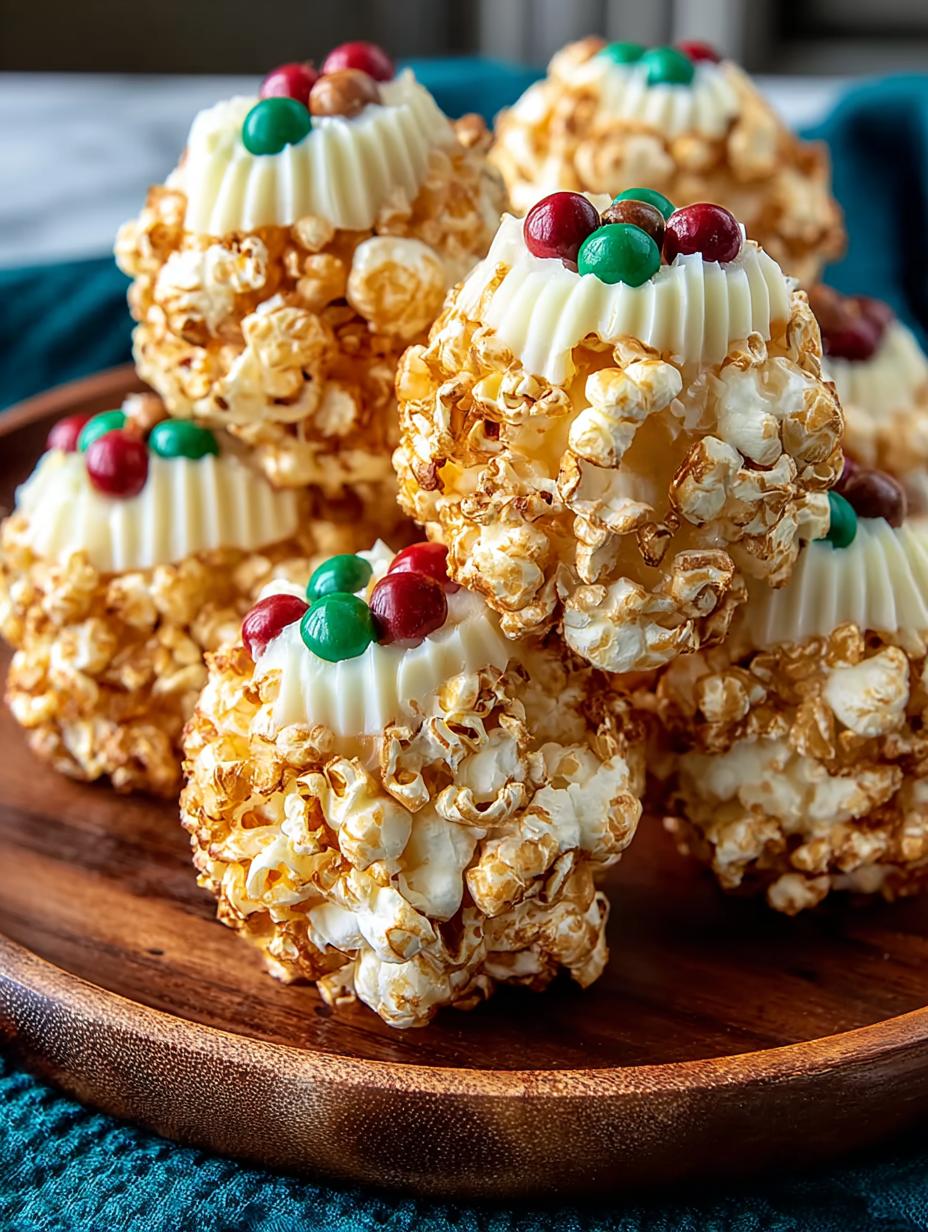
Key Takeaways
- Christmas popcorn balls are made by binding freshly popped popcorn with a hot syrup (corn syrup, marshmallow, caramel, or honey) and shaping while warm.
- The most foolproof binder is marshmallow + butter — kid-friendly, easy to shape, no candy thermometer needed.
- Use buttered hands to shape — sticky syrup releases cleanly and balls form perfectly round.
- For shelf life of 5-7 days, wrap individually in plastic wrap or cellophane bags; for gifts, add curling ribbon.
- 12 flavor variations covered: classic vanilla, peppermint, chocolate, gingerbread, eggnog, cranberry-white-chocolate, salted-caramel, sugar-cookie, hot-cocoa, candy-cane-crunch, and more.
Christmas popcorn balls are the holiday treat that bridges generations. Your grandmother probably made them; your great-grandmother definitely did. Before commercial holiday candy dominated December, popcorn balls were a household staple — cheap to make, beloved by children, and perfect for gifting to neighbors. Today, they’re enjoying a renaissance as families rediscover the joy of homemade holiday treats that don’t require pastry-school skills or expensive ingredients. The same nostalgic comfort fuels favorites like our banana pudding and lemon bars.
What makes popcorn balls particularly perfect for Christmas is their versatility. The base recipe (popcorn + sweet binder) accepts virtually any festive flavor — peppermint extract, gingerbread spices, cocoa powder, eggnog, candy cane crumbs, dried cranberries, white chocolate drizzle. One afternoon of popcorn-ball-making can produce 4-5 different varieties for cookie tins, neighbor gifts, or stocking stuffers. The activity itself is genuinely festive, making it ideal for involving kids in holiday baking.
The History of Popcorn Balls in American Holiday Tradition
Popcorn balls have been part of American holiday celebrations since at least the 1840s, when the first published recipe appeared in E.G. Storke’s “The Family and Householder’s Guide.” By the late 1800s, they were ubiquitous Christmas tree decorations — strung on cotton thread alongside cranberries and gilded walnuts, then eaten on Christmas day or Twelfth Night. The combination of sweetness, novelty, and shelf stability made them ideal pre-refrigeration treats.
From Tree Ornament to Cookie Tin Star
The shift from edible decoration to standalone treat happened in the early 20th century, when commercial Christmas ornaments became affordable. Popcorn balls migrated to the cookie tin and the gift basket. The 1920s introduction of commercial corn syrup made syrup-based recipes more reliable and easier to scale. By the 1950s, marshmallow-based recipes (faster, more forgiving) had largely replaced traditional cooked-syrup methods in American homes.
Regional and Family Traditions
Different American regions developed their own popcorn ball traditions. New England favored maple syrup binders. The South embraced molasses and pecans. The Midwest perfected the marshmallow method. The Pacific Northwest added cranberries and hazelnuts. Many families have inherited specific recipes — handwritten on yellowed index cards in grandmother’s recipe box — that they make every December as ritual rather than recipe.
Choosing the Right Binder: Five Methods Compared
The “binder” is the sweet, sticky substance that holds popcorn together. Five distinct methods exist, each with strengths and ideal uses. Choose based on skill level, available time, and intended purpose (gifting versus immediate eating).
| Binder Type | Difficulty | Texture | Shelf Life | Best For |
|---|---|---|---|---|
| Marshmallow + butter | Easy | Soft, chewy | 5-7 days | Beginners, kids |
| Corn syrup + sugar | Medium | Crisp shell, soft inside | 2 weeks | Gifting, mailing |
| Caramel | Hard | Crunchy, candied | 3 weeks | Adult palates, gifts |
| Honey + brown sugar | Medium | Sticky-chewy, golden | 1 week | Natural ingredient lovers |
| Maple syrup | Medium-hard | Crisp, pure flavor | 1-2 weeks | New England traditions |
| White chocolate drizzle | Easy | Hard set, decorative | 2 weeks | Gift presentation |
| Molasses | Hard | Dark, chewy, intense | 2 weeks | Old-fashioned recipes |
| Brown butter caramel | Hard | Nutty, deeply golden | 3 weeks | Sophisticated palates |
The Master Recipe: Marshmallow Method
This is the foolproof recipe to teach to anyone. No candy thermometer, no boiling sugar, no risk of burned syrup. Total time is 25 minutes, makes 12 popcorn balls. The marshmallow method is also the most forgiving of timing — you have 5-10 minutes of working time before the syrup sets up.
Ingredients
You need 12 cups freshly popped popcorn (about 1/2 cup unpopped kernels), 6 tablespoons unsalted butter, 1 (10-oz) bag mini marshmallows (about 6 cups), 1 teaspoon vanilla extract, 1/2 teaspoon fine salt, optional flavoring (peppermint extract, cocoa powder, food coloring), and optional mix-ins (sprinkles, candy bits, dried fruit).
Step-by-Step Instructions
First, pop popcorn using an air popper or stovetop method. Pour into a large heatproof bowl. Pick out and discard any unpopped kernels — they’ll break teeth. Set aside.
In a large saucepan over medium-low heat, melt butter completely. Add marshmallows and stir constantly with a silicone spatula until completely melted and smooth (about 3-4 minutes). Remove from heat. Stir in vanilla, salt, and any flavorings.
Working quickly, pour the marshmallow mixture over the popcorn. Use a silicone spatula to fold and coat every kernel — work from the bottom up, lifting and folding rather than stirring (which crushes popcorn).
Let the mixture cool for 2 minutes (until you can handle it). Butter your hands generously. Scoop about 1 cup of coated popcorn and gently press into a ball shape, applying just enough pressure to hold together. Place on parchment paper. Repeat with remaining popcorn, re-buttering hands as needed.
Let balls cool completely (about 30 minutes) before wrapping. Store in airtight container or wrap individually in cellophane.
Twelve Festive Christmas Variations
Once you’ve mastered the master recipe, every variation uses the same technique with simple flavor swaps. Mix and match to create variety packs perfect for cookie tins and gift baskets.
1. Classic Vanilla (the master recipe)
White marshmallows, vanilla extract, optional white sprinkles. The most universally loved version — start here.
2. Peppermint Candy Cane
Add 1/2 teaspoon peppermint extract instead of vanilla. Stir 1/2 cup crushed candy canes into the popcorn. Drizzle finished balls with white chocolate.
3. Hot Cocoa
Add 1/4 cup unsweetened cocoa powder to the marshmallow mixture. Stir 1/2 cup mini chocolate chips and 1/2 cup mini marshmallows into the popcorn (they stay whole).
4. Gingerbread Spice
Replace vanilla with 1 teaspoon gingerbread spice (cinnamon, ginger, cloves, nutmeg). Drizzle with white icing. Tastes like gingerbread cookies in popcorn form.
5. Eggnog Cream
Replace vanilla with 1 teaspoon eggnog extract or rum extract plus 1/2 teaspoon nutmeg. Add yellow food coloring for festive color.
6. Cranberry White Chocolate
Stir 1/2 cup dried cranberries into the popcorn before adding marshmallow. After balls cool, drizzle with melted white chocolate.
7. Salted Caramel
Use the caramel binder method. Sprinkle finished balls with flaky sea salt while still warm. Sophisticated and addictive.
8. Sugar Cookie
Add 1/2 teaspoon almond extract plus 1 teaspoon vanilla. Stir 1/4 cup colorful sprinkles into the popcorn for sugar-cookie aesthetics.
9. Maple Pecan
Use the maple syrup binder. Stir 1 cup chopped toasted pecans into the popcorn. Tastes like Thanksgiving in candy form.
10. Red Velvet
Add 2 tablespoons cocoa powder plus red food coloring to the marshmallow mixture. Drizzle with cream cheese icing for the full red velvet effect.
11. Snowball (Coconut White Chocolate)
Roll finished balls (still slightly warm) in shredded coconut for snowball appearance. Drizzle with white chocolate before rolling.
12. Mexican Hot Chocolate
Add 2 tablespoons cocoa powder, 1/2 teaspoon cinnamon, and 1/8 teaspoon cayenne pepper to the marshmallow. Adult-friendly heat with sweet chocolate.
Equipment You Actually Need
Popcorn ball making is intentionally low-tech. You probably have everything required already. The right tools make the process faster and cleaner, but none are deal-breakers.
| Tool | Purpose | Alternative |
|---|---|---|
| Large heatproof bowl (5+ qt) | Holds popcorn for mixing | Large stockpot |
| Heavy-bottomed saucepan | Even heating for syrup | Dutch oven |
| Silicone spatula | Stirs without melting; non-stick | Wooden spoon (more sticky) |
| Parchment paper | Cooling surface | Greased wax paper |
| Cellophane wrap or bags | Individual wrapping for gifts | Plastic wrap + ribbon |
| Air popper or stovetop pot | Fresh popcorn (essential) | NEVER use microwave bag popcorn |
| Disposable food gloves | Less mess than buttered hands | Buttered bare hands |
| Candy thermometer | For syrup-based methods only | Cold water test (advanced) |
Why Fresh-Popped Popcorn Matters
The single biggest mistake in popcorn ball making is using microwave bag popcorn. The flavorings and oils in commercial microwave popcorn (butter flavoring, salt, preservatives) clash with sweet binders and create off-flavors. Worse, microwave popcorn often includes “old maids” (unpopped kernels) that ruin the eating experience and risk dental damage.
Stovetop Popcorn Method
Heat 3 tablespoons neutral oil in a large heavy pot over medium-high heat. Add 3 popcorn kernels and cover. When all 3 pop, the oil is ready. Add 1/2 cup popcorn kernels in a single layer. Cover and shake the pot occasionally. When popping slows to 2-3 seconds between pops, remove from heat. This produces the cleanest, freshest popcorn for binding — about 12-13 cups from 1/2 cup kernels.
Air Popper Method
Air poppers produce dry popcorn ideal for binders (no oil residue means binders adhere better). Pop 1/2 cup kernels in a hot air popper for 2-3 minutes. Discard any unpopped kernels immediately. Air-popped popcorn produces lighter, fluffier popcorn balls than oil-popped.
Troubleshooting Common Problems
Popcorn balls have surprisingly few failure modes — most issues come from temperature timing or technique. Here’s how to diagnose and prevent the most common problems.
| Problem | Cause | Solution |
|---|---|---|
| Won’t hold together | Not enough binder; popcorn cooled too much | Work faster; increase marshmallow by 1 cup |
| Too hard to bite | Syrup overcooked; ratio off | For syrup methods, stop at soft-ball stage (240°F) |
| Too sticky to handle | Hands not buttered enough | Re-butter every 2-3 balls |
| Falls apart while eating | Pressed too lightly when shaping | Press firmly enough to compact |
| Burnt taste | Syrup or marshmallow scorched | Use medium-low heat; stir constantly |
| Stale within 24 hours | Not wrapped airtight | Wrap individually in plastic wrap or cellophane |
| Sprinkles fall off | Added too late | Press into ball while still warm and tacky |
| Wet/soggy texture | Old popcorn or humid kitchen | Use fresh-popped same day; avoid humid days |
Wrapping and Gifting Strategies
Popcorn balls are arguably the perfect homemade Christmas gift — they look festive, transport well, cost pennies to make, and feel genuinely thoughtful. The key is presentation. A bare popcorn ball looks utilitarian; the same ball wrapped in cellophane with curling ribbon looks bakery-quality.
| Presentation Style | Materials Needed | Best For |
|---|---|---|
| Cellophane bag + ribbon | Clear treat bags, curling ribbon, gift tag | Cookie exchanges, neighbors |
| Twist of plastic wrap | Clear plastic wrap, gold twist ties | Quick stocking stuffers |
| Lollipop sticks | Insert sticks before cooling, wrap as “pops” | Children’s parties, events |
| Holiday tin or jar | Decorative tin lined with parchment | Hostess gifts, teachers |
| Christmas tree ornament | Wrap and tie with loop of ribbon | Edible decoration tradition |
| Variety basket | Wicker basket with mixed flavors | Office gifts, family gatherings |
| Coffee mug filler | 3 popcorn balls inside a holiday mug | Coworker gifts under $10 |
| Boxed assortment | Bakery box with parchment dividers | Premium gifting, mailing |
Make-Ahead, Storage and Mailing
Popcorn balls are one of the rare Christmas treats that ship well. Wrap each ball individually in plastic wrap, place in a sturdy gift box with crumpled parchment paper as cushioning, and mail via priority shipping. They typically arrive in perfect condition within 3 days. Avoid mailing during humid weather, which softens the binder.
For room-temperature storage, individually wrapped balls keep 5-7 days (marshmallow method) or up to 3 weeks (caramel/syrup methods). Avoid refrigeration — moisture from the fridge softens popcorn and ruins texture. For longer storage, freeze wrapped balls in airtight containers up to 3 months. Thaw at room temperature 1 hour before serving.
For more holiday inspiration, try our dark chocolate almond bark, our no-bake chocolate peanut butter bites, our quick no-bake energy bites, or our healthy cottage cheese pancakes for Christmas morning. Pair gift baskets with our lemon bars and spicy roasted almonds for variety.
Popcorn Ball Nutrition Facts and Calorie Counts by Variation
Popcorn balls vary widely in nutritional content depending on the binder type and added ingredients. The base popcorn (whole grain, fiber-rich) is healthy, but binders are pure sugar by mass. Use this guide for portion planning, gift labeling, or simply being informed about what you’re enjoying. All values are per single popcorn ball based on a 12-ball batch yield.
| Variation | Calories | Sugar (g) | Fat (g) | Fiber (g) |
|---|---|---|---|---|
| Classic Marshmallow | 165 | 22 | 5 | 1.2 |
| Peppermint Candy Cane | 185 | 28 | 5 | 1.0 |
| Hot Cocoa | 195 | 24 | 7 | 1.5 |
| Gingerbread Spice | 175 | 23 | 5 | 1.3 |
| Eggnog Cream | 170 | 22 | 5 | 1.2 |
| Cranberry White Chocolate | 210 | 26 | 8 | 1.4 |
| Salted Caramel | 225 | 30 | 9 | 1.0 |
| Sugar Cookie | 180 | 24 | 5 | 1.0 |
| Maple Pecan | 240 | 22 | 13 | 1.8 |
| Red Velvet | 200 | 26 | 7 | 1.2 |
| Snowball Coconut | 215 | 24 | 10 | 1.5 |
| Mexican Hot Chocolate | 195 | 24 | 7 | 1.5 |
Hosting a Popcorn Ball Decorating Party
Popcorn ball making becomes spectacularly fun as a group activity, especially with kids during the holidays. The mess is contained (sticky hands wash off easily), the technique is forgiving, and everyone gets to take home their creations. Plan for about 90 minutes total — 15 minutes setup, 45 minutes active making, 30 minutes cooling and wrapping.
Pre-pop a large quantity of popcorn (about 24 cups for 8 people). Have multiple bowls of mix-ins ready: sprinkles, M&M’s, crushed candy canes, dried cranberries, mini chocolate chips, white chocolate chips, coconut flakes, chopped nuts. Set up two separate marshmallow stations (one classic, one chocolate) so different flavor preferences can work simultaneously. Provide cellophane bags and ribbons so guests can wrap and label their finished creations as instant party favors to take home.
For adult parties, elevate the experience with sophisticated mix-ins: chopped pistachios, candied ginger, freeze-dried raspberries, edible gold leaf, lavender sugar. Add a hot beverage station with mulled wine, hot toddy, or spiced cider. The combination of nostalgic activity and grown-up flavors creates a uniquely festive atmosphere that’s more memorable than a typical cocktail party.
Why This Recipe Will Become a Family Tradition
The truth about Christmas popcorn balls is that they’re as much about the experience as the eating. Every family that makes them every year develops their own subtle traditions — Mom’s specific way of pressing the balls, Grandma’s secret extra splash of vanilla, the running joke about Uncle Bob’s lopsided creations. After three or four Decembers of making them together, your popcorn ball afternoon transforms from a recipe into a ritual that anchors the holiday season in shared memory.
Start small the first year — just the master marshmallow recipe with classic vanilla flavoring. Add one new variation each subsequent Christmas. Within five years, you’ll have a personal repertoire of family-favorite flavors, a cookie tin packing system you’ve optimized through trial, and stories about that one batch where you accidentally added cayenne instead of cinnamon. These small accumulated traditions are what transform popcorn balls from cute treats into beloved heritage. Wrap a few extras for the mailman, the elderly neighbor down the street, or the office security guard. Few gifts say “I thought of you specifically” quite like something handmade with care during the busiest week of the year.
This Christmas popcorn ball recipe is destined to become an enduring favorite holiday tradition for generations of families to come, year after happy year together.
Frequently Asked Questions
What are Christmas popcorn balls made of?
Christmas popcorn balls are made of freshly popped popcorn bound together with a sweet sticky syrup — most commonly melted marshmallows and butter, but also corn syrup, caramel, honey, or maple syrup. Festive flavorings like peppermint, gingerbread spice, or cocoa powder are added for Christmas variations.
How do you make popcorn balls stick together?
The binder must be hot and the popcorn must be coated thoroughly while the syrup is still warm. Work quickly, lift-and-fold rather than stirring (which crushes popcorn), and shape balls within 5-10 minutes of mixing. Use buttered hands and apply firm but gentle pressure.
How long do popcorn balls last?
Marshmallow popcorn balls last 5-7 days at room temperature when individually wrapped in plastic wrap or cellophane bags. Caramel and syrup-based versions last 2-3 weeks. Avoid refrigeration, which adds moisture and ruins texture. Freeze wrapped balls up to 3 months for longer storage.
Can I make popcorn balls without corn syrup?
Yes — the marshmallow method uses no corn syrup at all (just butter and marshmallows). You can also use honey, maple syrup, or brown sugar caramel as substitutes. Each binder produces slightly different texture, but all create successful popcorn balls.
Why won’t my popcorn balls hold together?
Three common causes: insufficient binder (add more marshmallows or syrup), popcorn cooled too much before shaping (work faster), or pressed too lightly (apply firmer pressure when shaping). The popcorn-to-binder ratio should leave every kernel visibly coated and slightly tacky.
Can I use microwave popcorn for popcorn balls?
No — microwave bag popcorn contains butter flavoring, salt, and oil that conflict with sweet binders. The result tastes off and doesn’t hold together well. Always use freshly popped popcorn from an air popper or stovetop method, with no added flavoring.
How do I keep popcorn balls from being too sticky?
Butter your hands generously and re-butter every 2-3 balls. Use parchment paper or wax paper to cool the balls. After cooling completely (about 30 minutes), wrap individually in plastic wrap or cellophane bags to prevent sticking together in storage.
Can popcorn balls be made ahead for gifts?
Yes — make popcorn balls 2-5 days ahead of gifting (marshmallow method) or up to 2 weeks ahead (caramel method). Wrap individually immediately after cooling. Store in airtight containers at room temperature. Add ribbons and tags the day before gifting for fresh appearance.
What’s the difference between popcorn balls and caramel corn?
Caramel corn is loose popcorn coated in caramel syrup, eaten by the handful. Popcorn balls are the same coated popcorn shaped into compact, single-serving balls. Both use similar binders, but the shaping (and the slightly higher binder ratio for cohesion) distinguishes balls from caramel corn.
Are popcorn balls healthy?
Popcorn itself is whole grain and high in fiber, but the sweet binder makes popcorn balls a treat, not a health food. One average popcorn ball contains 150-200 calories, mostly from sugar. They’re better than many holiday candies because of the popcorn fiber, but moderation is key.

Written by Chef Anna
I'm Anna - a Le Cordon Bleu-trained chef, recipe developer, and the voice behind Chef Johns Gourmet. After a decade in professional kitchens, I now spend my mornings testing recipes and my afternoons writing them down so you can make them perfectly in your own kitchen. Every one of the 1,100+ recipes on this site has been personally cooked, tasted, and refined. I write like I'm standing next to you, walking you through every step. Simple recipes. Bold flavors. Made for real kitchens.