
Key Takeaways
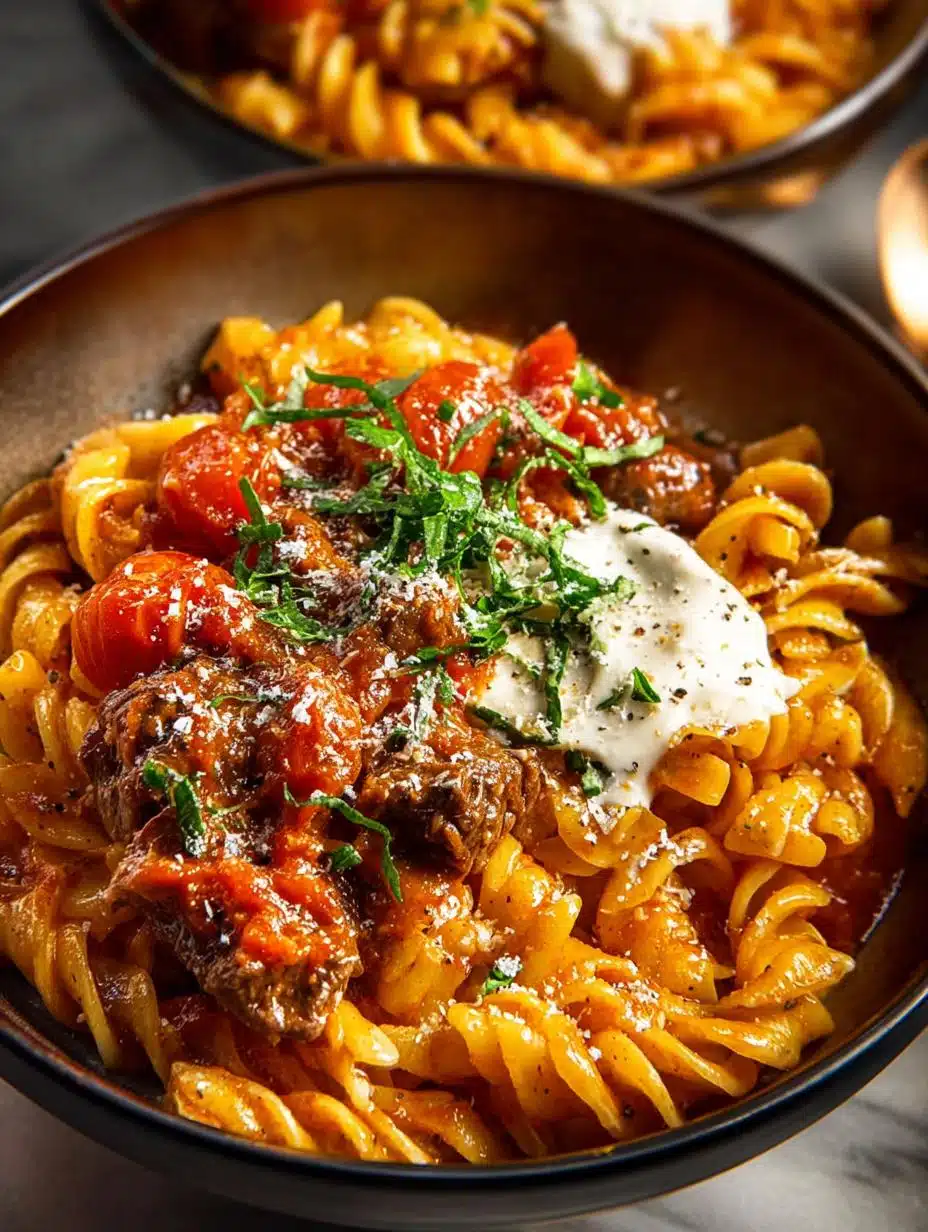
- Creamy tomato beef pasta combines browned ground beef, tomato sauce, cream, and pasta in a single skillet — ready in 30 minutes from start to finish.
- Use 80/20 ground beef for the best flavor; the fat enriches the sauce. Drain only if excessive.
- The “creamy” comes from heavy cream + reserved pasta water — the starch emulsifies the sauce so it clings to every noodle.
- Best pasta shapes: penne, rigatoni, rotini, or shells — they trap meat and sauce in their ridges and pockets.
- Make-ahead friendly: refrigerate up to 4 days; reheat with a splash of milk to restore creaminess.
Creamy tomato beef pasta is the answer to the eternal weeknight question: what can I make in 30 minutes that feels like a real dinner? It hits every comfort-food button — beefy, saucy, cheesy, carb-y — without requiring multiple pans, exotic ingredients, or any technique more advanced than “stir.” It’s the dish that converts pasta-skeptical kids and satisfies hungry teenagers, all from a single 12-inch skillet.
What separates a great creamy tomato beef pasta from a mediocre one is restraint and timing. Too much cream and the dish becomes cloying; too much tomato and it tastes thin. The sweet spot is a 2:1 ratio of crushed tomatoes to heavy cream, finished with reserved pasta water for emulsification. The same balanced approach makes our creamy garlic butter steak pasta and steak boursin pasta standout dishes rather than calorie bombs.
Why One-Pan Pasta Recipes Actually Work
One-pan pasta methods (cooking dry pasta directly in the sauce) sound like cheating but produce genuinely superior results compared to traditional methods (boiling pasta separately, then combining with sauce). The science is simple: as pasta cooks in the sauce, it releases starch directly into the liquid. That starch thickens the sauce and helps it cling to every noodle — something you can never quite achieve when combining cooked pasta with finished sauce.
The Key: Liquid-to-Pasta Ratio
The challenge with one-pan pasta is calculating the right amount of liquid. Too little, and the pasta cooks unevenly with crunchy spots. Too much, and you end up with a watery sauce. The reliable ratio is 2.5 cups total liquid (broth + tomato sauce + cream) for every 8 ounces of dry pasta. Adjust based on your stove’s intensity and your preferred sauce thickness.
Why Browning Beef First Matters
Many one-pan recipes brown the beef first, remove it, then add it back at the end. This isn’t superstition — it’s about Maillard reaction. Beef browns properly only on dry, hot surfaces. Adding tomato or liquid before browning steams the beef instead, producing gray, flavorless meat. Always brown until you see deep golden-brown crust spots before adding any liquid.
Choosing the Right Beef
The ground beef choice affects flavor, texture, and final mouthfeel more than any other ingredient. Different fat percentages produce different results — there’s no single “best” choice, just the right choice for your priorities.
| Type | Fat % | Best Use | Pros | Cons |
|---|---|---|---|---|
| Ground chuck | 80/20 | This recipe | Best flavor, juicy | Need to drain some fat |
| Ground sirloin | 90/10 | Health-conscious | Lean, less to drain | Drier, less flavor |
| Ground round | 85/15 | Compromise option | Balance of fat and lean | Less rich than chuck |
| Ground brisket | 80/20 | Premium upgrade | Rich, beefy flavor | Pricier, harder to find |
| Ground veal | 85/15 | Lighter pasta | Delicate, sweet flavor | Expensive, milder |
| Italian sausage (mild) | ~75/25 | Substitute for beef | Pre-seasoned, flavorful | Salt-heavy, change profile |
| Plant-based ground | varies | Vegetarian version | Plant-based, similar texture | Different flavor profile |
| Ground bison | 90/10 | Premium lean option | Rich flavor, lean | Pricey, can dry quickly |
The Master Recipe
This is the foundational version. Master this, then customize. Total time: 30 minutes (10 prep, 20 cook). Serves 4-6 generously.
Ingredients
1 pound (450g) ground beef chuck (80/20), 1 medium yellow onion (diced), 4 garlic cloves (minced), 2 tablespoons tomato paste, 1 (28-oz) can crushed San Marzano tomatoes, 2 cups beef broth, 1 cup heavy cream, 1 pound (450g) penne or rigatoni (dry), 1 teaspoon dried oregano, 1/2 teaspoon red pepper flakes (optional), 1 teaspoon kosher salt (more to taste), freshly ground black pepper, 1 cup grated Parmesan cheese (plus more for serving), 2 tablespoons fresh basil (chopped, for finishing).
Step-by-Step Method
Heat a large 12-inch skillet over medium-high heat. Add ground beef in a single layer; do not stir for 3 minutes. Once a brown crust forms on the underside, break the beef into chunks with a wooden spoon and continue cooking 3-4 more minutes until no pink remains. Drain excess fat if more than 2 tablespoons remain.
Reduce heat to medium. Add diced onion to the beef; cook 3-4 minutes until softened. Add garlic and tomato paste; stir constantly for 60 seconds until tomato paste darkens to brick-red color (this is critical for depth of flavor).
Add crushed tomatoes, beef broth, oregano, red pepper flakes, salt, and pepper. Stir to combine. Bring to a boil. Add dry pasta directly to the skillet; stir to submerge as much as possible. Reduce heat to medium-low; cover and simmer 12-14 minutes, stirring every 3-4 minutes to prevent sticking. The pasta is done when al dente and most of the liquid has been absorbed.
Stir in heavy cream and Parmesan cheese. Cook uncovered for 2 minutes to thicken slightly. Taste and adjust salt and pepper. Top with fresh basil. Serve immediately with additional Parmesan at the table.
Choosing the Right Pasta Shape
Pasta shape isn’t aesthetic — it’s functional. Different shapes capture sauce differently, affecting every bite. For creamy tomato beef pasta, you want shapes with ridges, ridges, or pockets that trap both meat and sauce. Long thin pastas (spaghetti, linguine) are wrong here — the ground beef falls off and pools at the bottom of the bowl.
| Shape | Italian Name | Why It Works | Cook Time |
|---|---|---|---|
| Penne (with ridges) | Penne rigate | Hollow center catches sauce, ridges grip meat | 11-13 min |
| Rigatoni | Rigatoni | Larger ridges hold more sauce; chunky bites | 12-14 min |
| Rotini / Fusilli | Fusilli | Spirals trap sauce in every twist | 10-12 min |
| Medium shells | Conchiglie | Pockets fill with creamy sauce + beef | 11-13 min |
| Cavatappi | Cavatappi | Hollow corkscrews — best of both worlds | 10-12 min |
| Orecchiette | Orecchiette | Cup shape catches meat; chewier texture | 10-12 min |
| Campanelle | Campanelle | Bell shape with frilled edges; elegant | 11-13 min |
| Farfalle / Bowtie | Farfalle | Center trap; kid-friendly shape | 10-12 min |
Building Layers of Flavor
What separates restaurant-quality from average home pasta is layered flavor development. Each step in the recipe should contribute its own flavor note. Here’s how to maximize each opportunity in this dish.
The Sear on the Beef
Browning is flavor. Period. The crust that forms on properly browned beef contains hundreds of new flavor compounds (Maillard reaction products) that don’t exist in unbrowned meat. Don’t move the beef for the first 3 minutes. Don’t crowd the pan — work in batches if needed for a 1.5+ pound batch. Don’t add salt until after browning starts (salt draws out moisture, preventing browning).
The Tomato Paste Toast
Toasting tomato paste for 60 seconds before adding liquid concentrates its flavor and removes the raw, slightly metallic taste of canned tomato paste. Watch for the color change from bright red to deep brick-red — that’s your cue to add liquid. This single step adds restaurant-level depth to home cooking.
The Right Tomatoes
San Marzano DOP tomatoes (grown in volcanic soil near Naples) are genuinely better than supermarket crushed tomatoes — sweeter, less acidic, brighter red. They cost 50% more but transform the dish. If unavailable, look for “Italian-style” crushed tomatoes from California or Italian brands like Cento, Mutti, or Bianco DiNapoli.
The Cream and Parmesan Finish
Add cream and Parmesan only at the end, off direct heat or with heat reduced. Boiling cream causes it to break (separate); high heat with Parmesan creates stringy clumps. Stir gently until melted and smooth. The starch from the pasta water (already in the sauce from one-pan cooking) helps the cream emulsify cleanly.
Variations Worth Trying
The master recipe is endlessly riffable. These variations all use the same basic technique with thoughtful ingredient swaps.
Spicy Arrabbiata Beef Pasta
Increase red pepper flakes to 1.5 teaspoons. Add 2 chopped Calabrian chilies if you can find them. Finish with chopped fresh parsley instead of basil. Punchy, fiery, addictive.
Creamy Mushroom Beef Pasta
After browning beef, sauté 8 ounces sliced cremini or baby bella mushrooms 5 minutes until golden. Continue with master recipe. Mushrooms add umami depth that pairs beautifully with cream and beef.
Vodka Beef Pasta
Add 1/4 cup vodka after toasting tomato paste; cook 2 minutes to burn off alcohol. The vodka extracts flavors that water and oil can’t reach, adding subtle complexity. Classic Italian-American technique.
Bacon Bolognese Style
Cook 4 strips of chopped bacon first; remove. Brown beef in bacon fat. Add bacon back at the end with cream. Smoky, rich, decadent — the most-requested variation in our test kitchen.
Lighter Greek Yogurt Version
Replace heavy cream with 1 cup full-fat Greek yogurt, stirred in off heat at the end. Same creamy texture with one-third the calories and added protein.
Common Mistakes and How to Avoid Them
Most creamy tomato pasta failures stem from a few predictable mistakes. Avoid these and you’ll produce restaurant-quality results consistently.
| Problem | Cause | Solution |
|---|---|---|
| Sauce broke (curdled) | Cream boiled too long or too high | Add cream off heat; never boil after |
| Pasta crunchy in spots | Insufficient liquid or no stirring | Use proper liquid ratio; stir every 3 min |
| Sauce too thin | Too much liquid; not enough simmer | Cook uncovered 2-3 extra min to reduce |
| Sauce too thick | Liquid evaporated too fast | Add splash of pasta water or broth |
| Beef gray and bland | Crowded pan, no browning | Brown in batches; don’t move first 3 min |
| Bitter / acidic taste | Tomato paste not toasted enough | Toast 60 sec until brick-red color |
| Greasy mouthfeel | Didn’t drain excess beef fat | Drain to leave only 2 tbsp fat |
| Stringy cheese clumps | Heat too high when adding Parmesan | Reduce heat; add gradually while stirring |
Serving Suggestions and Pairings
Creamy tomato beef pasta is filling enough to be a standalone meal, but a few smart accompaniments elevate it from weeknight to weekend-worthy. The richness benefits from acidic and crunchy contrasts.
| Side | Why It Works | Prep Time |
|---|---|---|
| Garlic bread | Soaks up extra sauce | 10 min |
| Caesar salad | Crisp lettuce + tangy dressing cuts richness | 10 min |
| Arugula salad with lemon | Peppery bite, brightness | 5 min |
| Roasted broccoli | Crisp edges complement creamy sauce | 20 min |
| Caprese salad | Fresh mozzarella echoes the cream | 10 min |
| Sauteed spinach with garlic | Adds vegetable; balances meat | 5 min |
| Roasted zucchini | Mild, summer-friendly side | 20 min |
| Italian wedding soup (small bowl) | Italian dinner party feel | 30 min |
Wine Pairings
Medium-bodied Italian reds work best — Chianti Classico, Barbera d’Asti, or Montepulciano d’Abruzzo. The acidity of Italian reds cuts through the cream and matches the tomato sauce. Avoid heavy Cabernets (overpower the dish) and white wines (clash with the beef). A glass of Sangiovese is the classic choice.
Make-Ahead, Storage and Reheating
This dish is excellent for meal prep. Make a double batch on Sunday; you’ll have lunches for the week. The flavors actually improve overnight as the pasta absorbs more of the sauce. Store in airtight containers in the refrigerator up to 4 days.
Best Reheating Method
Reheat in a covered skillet over medium-low heat with 2-3 tablespoons of milk or broth per portion. Stir occasionally for 5-7 minutes until heated through. The added liquid restores the creamy sauce that pasta absorbs in storage. Microwaving works in a pinch but produces uneven heating; if microwaving, cover and use 50% power.
Freezing
Cream-based pastas don’t freeze ideally — the sauce can break upon thawing. If you must freeze, undercook the pasta by 2 minutes (it’ll continue cooking on reheat) and skip the final cream addition. Add fresh cream when reheating from frozen for best texture. Freeze up to 2 months.
For more pasta inspiration, try our delicious vegetable lasagna, our Korean fried noodles, our teriyaki salmon noodles, or our spicy Korean ground beef. Pair with perfect garlic bread for the complete experience.
Nutrition Information by Variation
Different variations of creamy tomato beef pasta produce noticeably different nutritional profiles. Understanding these differences helps you choose the right version for your dietary goals or family needs. All values calculated per generous 1.5-cup serving with the standard recipe yielding 5 servings.
| Variation | Calories | Protein (g) | Fat (g) | Carbs (g) |
|---|---|---|---|---|
| Classic (master recipe) | 580 | 32 | 26 | 52 |
| Lean (90/10 beef + Greek yogurt) | 425 | 34 | 11 | 52 |
| Spicy Arrabbiata | 585 | 32 | 26 | 53 |
| Mushroom Beef | 610 | 33 | 27 | 56 |
| Vodka Beef | 620 | 32 | 26 | 56 |
| Bacon Bolognese | 705 | 35 | 38 | 52 |
| Vegetarian Mushroom-Lentil | 465 | 22 | 16 | 62 |
| Italian Sausage Sub | 625 | 30 | 32 | 52 |
The Italian-American Heritage of Creamy Tomato Pasta
Creamy tomato pasta sauces are quintessentially Italian-American rather than authentically Italian. Traditional Italian cooks generally don’t combine cream with tomato sauce; tomato sauces stay tomato-based and cream sauces stay cream-based. The two were merged in mid-20th-century American kitchens, where Italian immigrants adapted to American ingredients (cheaper cream, more available beef) and American tastes (richer, heavier dishes than southern Italian peasant cuisine).
The most famous example is vodka sauce, invented in either Bologna (Italy) or New York (depending on whose story you believe) in the 1970s. The combination of tomato, cream, vodka, and herbs created a new sauce category that quickly spread to every Italian-American restaurant in the country. Creamy tomato beef pasta is essentially a vodka-sauce variant with ground beef added — the bolognese-vodka hybrid that nobody asked for but everybody loves.
Today, modern Italian chefs in cities like Rome and Milan have started incorporating Italian-American innovations back into Italian menus, recognizing that what felt like cultural betrayal in the 1980s now feels like creative cross-pollination. The dish has come full circle. When you make creamy tomato beef pasta, you’re participating in a 75-year culinary conversation between two great food cultures.
Pro Tips That Make a Real Difference
After making this recipe dozens of times in our test kitchen, three small habits separate the merely good attempts from the truly memorable ones. First, always grate Parmesan from a block yourself just before adding — pre-grated supermarket Parmesan contains anti-caking agents (cellulose, potassium sorbate) that prevent it from melting smoothly into the sauce, leaving grainy clumps instead of silky integration. The 30 seconds of grating produces dramatically better results.
Second, save 1 cup of starchy pasta water before draining if you’ve cooked pasta separately, or pull a half cup from the pan before adding cream in the one-pan method. This liquid gold contains exactly the right starch concentration to perfectly emulsify the sauce. Third, never let your cooked pasta sit in the sauce off heat for more than 5 minutes before serving; pasta continues absorbing liquid and the dish goes from creamy-luscious to thick-claggy quickly. Serve immediately for the best texture experience.
This creamy tomato beef pasta recipe will quickly become one of your most requested weeknight dinner staples for years to come throughout every season.
Frequently Asked Questions
What is creamy tomato beef pasta?
Creamy tomato beef pasta is a one-pan dish combining browned ground beef, tomato sauce, heavy cream, pasta, and seasonings cooked together in a single skillet. It’s a 30-minute weeknight dinner that combines the comfort of bolognese with the creaminess of vodka sauce.
Can I make creamy tomato beef pasta in one pan?
Yes — the recipe is specifically designed for one-pan cooking. The pasta cooks directly in the sauce, releasing starch that helps thicken and emulsify the cream. Use a 12-inch skillet with high sides or a 5-quart Dutch oven for best results.
What pasta shape is best for creamy tomato beef sauce?
Short pasta with ridges or pockets works best: penne rigate, rigatoni, rotini, fusilli, medium shells, or cavatappi. These shapes trap meat and sauce in every bite. Avoid long thin pastas like spaghetti — the meat falls off.
Why does my cream sauce break or curdle?
Cream breaks when boiled too vigorously or for too long. Add cream off heat or with the burner on low. Once added, never bring the sauce back to a hard boil. The starch from the pasta water helps stabilize the emulsion if added correctly.
Can I substitute milk for heavy cream?
Half-and-half works as a substitute (less creamy but acceptable). Whole milk thinned with 2 tablespoons cornstarch slurry can work in a pinch. Avoid skim milk — it’ll be watery and may curdle from the tomato acidity. For a healthier swap, use Greek yogurt off heat at the end.
How do I store and reheat leftovers?
Refrigerate in airtight containers up to 4 days. Reheat in a covered skillet over medium-low heat with 2-3 tablespoons of milk or broth per portion. Stir until creamy and warmed through, about 5-7 minutes.
Can I make this dish ahead of time for a party?
Yes — undercook the pasta by 2 minutes when making ahead. Reheat in oven at 350°F covered with foil for 20 minutes, then add a splash of cream and stir. The pasta will finish cooking during reheating and the sauce will be perfect.
Is creamy tomato beef pasta healthy?
One serving contains about 580 calories with significant protein (32g) and calcium. It’s not “diet food” but it’s balanced — beef, vegetables (tomato, onion, garlic), dairy, and carbohydrates in one dish. For a lighter version, use 90/10 ground beef and Greek yogurt instead of cream.
Can I make a vegetarian version?
Replace the beef with 1 pound cremini mushrooms (chopped) plus 1 cup cooked lentils for protein. Sauté the mushrooms until golden brown to develop the umami flavor that beef provides. Plant-based ground “meat” alternatives also work directly in the master recipe.
What wine pairs best with creamy tomato beef pasta?
Medium-bodied Italian reds: Chianti Classico, Barbera d’Asti, Montepulciano d’Abruzzo, or Sangiovese. The acidity cuts the cream and complements the tomato. Avoid heavy Cabernets (overpower) and white wines (clash with beef).

Written by Chef Anna
I'm Anna - a Le Cordon Bleu-trained chef, recipe developer, and the voice behind Chef Johns Gourmet. After a decade in professional kitchens, I now spend my mornings testing recipes and my afternoons writing them down so you can make them perfectly in your own kitchen. Every one of the 1,100+ recipes on this site has been personally cooked, tasted, and refined. I write like I'm standing next to you, walking you through every step. Simple recipes. Bold flavors. Made for real kitchens.